
Guide · AI
AI in B2B Ecommerce: Faster Quotes and Reorders
AI in B2B ecommerce can draft quotes, flag reorders and clean up supplier catalogues on Cmsmart Product Designer — request a custom AI integration tod...
E-marketplaces are websites where many sellers list products or services under one domain so buyers can compare and choose. They fall into four main types: independent marketplaces run by a third party, supplier-oriented marketplaces, buyer-oriented marketplaces run by groups of buyers, and vertical or horizontal marketplaces that serve one industry or many.
Was this tutorial helpful?
See also: Cmsmart pricing and Cmsmart products.
← Web-to-Print Website Features That Convert · Useful guide on how to start a T-shirt printing business →
Written by
Cmsmart B2B Commerce & Operations Consultant
Designs B2B ordering, marketplaces and the operations behind them.
The team behind it
 Account Manager
 Project Manager
 Business Analyst
 Developers & QA
Guide · AI
AI in B2B ecommerce can draft quotes, flag reorders and clean up supplier catalogues on Cmsmart Product Designer — request a custom AI integration tod...
Guide · Web-to-print
See how a multi-sided product designer for WooCommerce lets buyers design both sides of a card, then request a custom build.
Guide · B2B
WooCommerce Amazon Etsy sync guide: keep stock and orders right across channels, avoid overselling, and get a custom integration quote.
Browse more guides, tutorials and case studies from the Cmsmart community.
Unlock the Power of Mobile Commerce: Propel Your Business Forward
Read MoreDiscover how to harness mobile commerce to enhance your business growth. Learn strategies for optimizing the mobile shopping experience and increasing consumer engagement.
Read MoreDiscover the benefits of mobile commerce and how it can transform your business. Learn effective strategies for maximizing sales and customer engagement through mobile-optimized shopping experiences.
Read More
Cmsmart Ecommerce provides custom ecommerce and WooCommerce development services for web-to-print, product personalization, plugin support and API integration.
Cmsmart B2B Commerce & Operations Consultant
Designs B2B ordering, marketplaces and the operations behind them.
Meet the team →



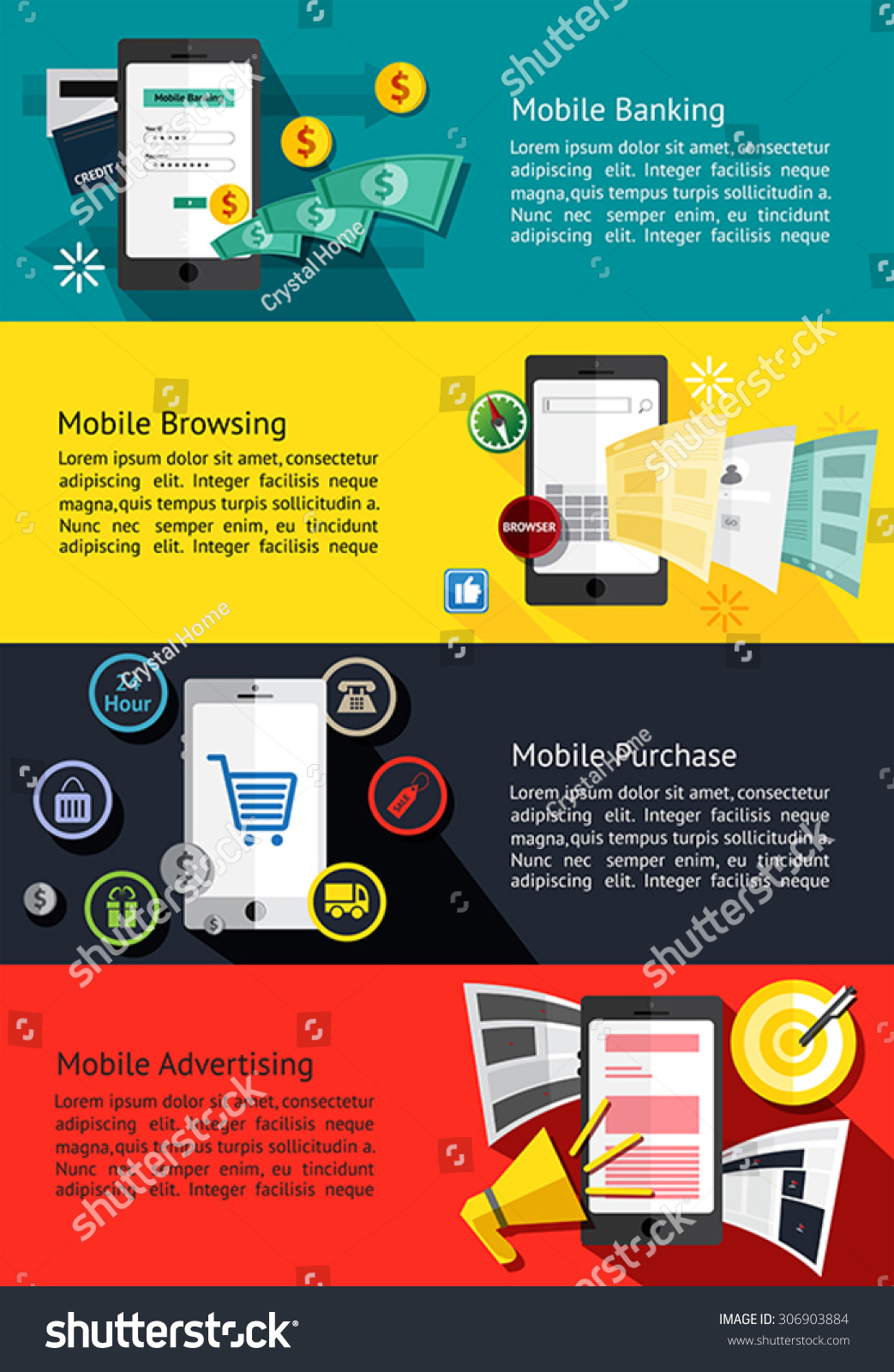


In short, marketplace is the business model that allows multiple vendors to list and sell their products under a single domain so customers have more options to compare and choose in the best possible price and quality. There are no shortcuts for launching a marketplace and making it successful. Easy come, easy go, right? The first step to start a marketplace is not finding developers or open source solution, it should be investigating which types of ecommerce marketplace you should apply.
We have a variety of different marketplace types available based on a range of business models and they are broadly divided into categories based on the way in which they are operated. Let’s see:
1. Independent marketplace
An independent e-marketplace is usually a business-to-business online platform operated by a third party which is open to buyers or sellers in a particular industry. The way this marketplace operates is allowing people to register and access classified ads or requests for quotations or bids in your industry sector. Generally, it will require some forms of payment to take part in.
2. Supplier – oriented marketplace
As a supplier directory, this type of marketplace is usually operated by some suppliers who desire to establish an efficient sales channel via the internet to a large number of buyers. With this marketplace, we can easily search by the products or services offered. Buyer will be provided full information about suppliers for markets and regions they may not be familiar with.
3. Buyer-oriented marketplace
Unlike supplier-oriented marketplace mentioned above, buyer-oriented one is normally run by a consortium of buyers in order to establish an efficient purchasing environment. If you are willing to buy something, you can come to this marketplace to achieve the best price from suppliers. As a supplier on this marketplace, it will be a great idea when you can advertise your catalog to a pool of relevant customers who are looking to buy.
4. Vertical and horizontal marketplace
Frequently asked questions
What is the difference between a marketplace and a directory?
A directory lists businesses with contact details and sends buyers elsewhere to buy. A marketplace lets buyers compare, order and pay on the same site, and the operator usually earns a commission or fee on each sale.
Which type of e-marketplace should I start?
Choose by who you serve. A vertical marketplace suits one industry with specialist products, a horizontal one serves many industries, and supplier- or buyer-oriented models fit when one side of the trade drives the platform. Validate demand on both sides first.
How does an online marketplace make money?
A marketplace usually earns from commission on each sale, vendor subscription or listing fees, paid placement or advertising, and sometimes fees for services such as payments or fulfilment. Many combine two of these. Choose a model that vendors see as fair for the value they get, and keep the fee rules simple enough to explain on one page.
Where are the other General Topics tutorials?
Every General Topics tutorial is listed on the General Topics tutorials page. Customers with a licence can open a support ticket from the Cmsmart dashboard when a step does not match their install.
What if a step in this General Topics tutorial does not match my store?
This tutorial describes the release that was current when it was written (it was published on 24 July 2018), so a menu or setting may have moved since. Customers with a licence open a support ticket from the Cmsmart dashboard, naming the step and adding a screenshot, and the team answers there.
How do I pay securely?
Contracts and payments go to the company, Netbase JSC: plans are paid through PayPal; services are invoiced by Netbase JSC under a written proposal and paid by bank transfer to Netbase JSC's company account or by PayPal Business. Cmsmart (Cmsmart Ecommerce) is the ecommerce brand of Netbase JSC, a company based in Hanoi, Vietnam.
How do I contact Cmsmart or get a quote?
Message the Cmsmart team on WhatsApp at +84 937 869 689 or email project@cmsmart.net; the contact page at cmsmart.net/contact lists every channel, and Request a quote (cmsmart.net/project-proposal) sends a project brief. Customers with a licence open a ticket from the dashboard.
Further reading