

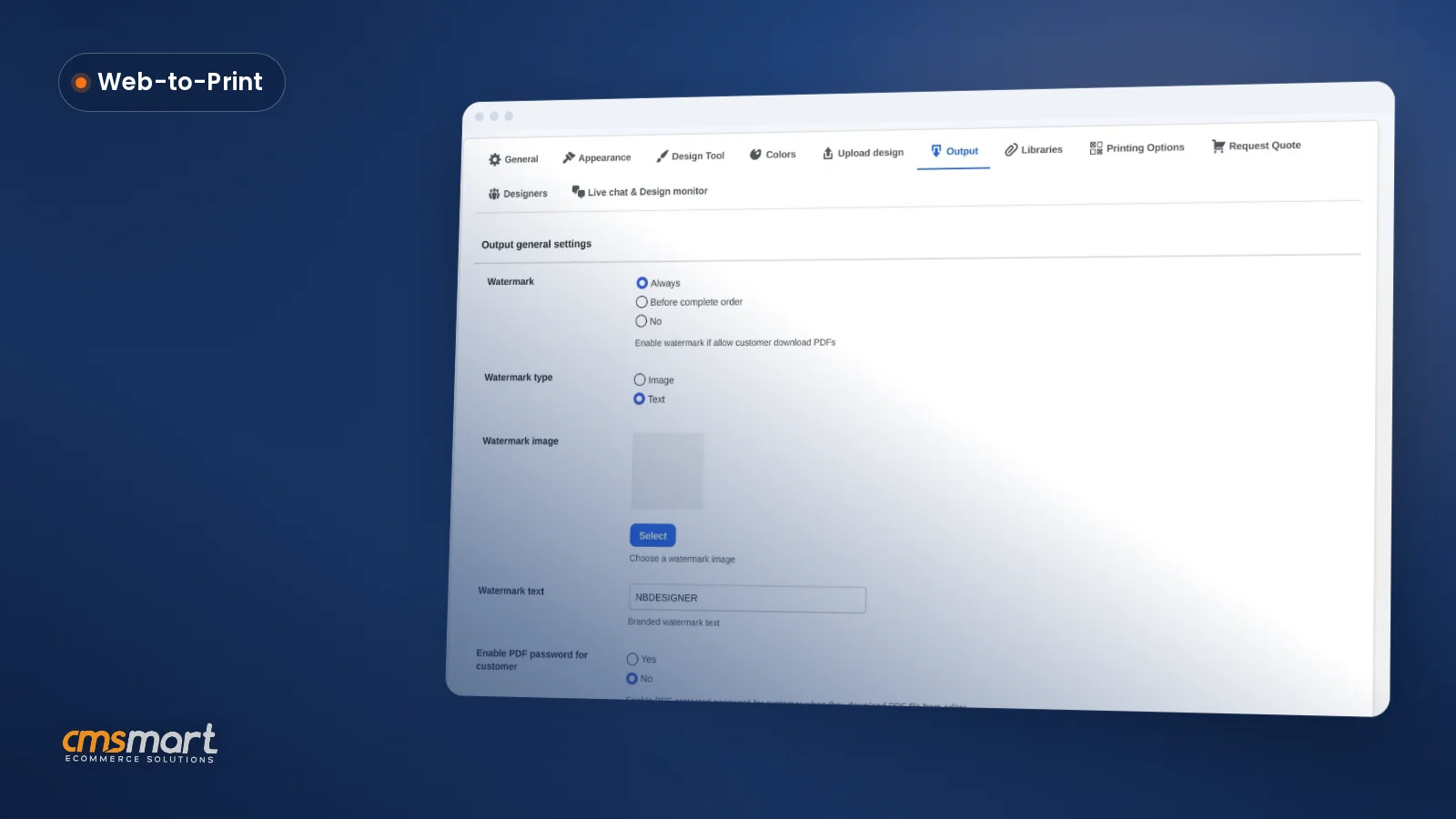
Guide · Web-to-print
Print Ready PDF Output Settings WooCommerce Setup
See what the print ready PDF output settings WooCommerce screen controls — watermark, password, bleed, FTP sync — and configure yours today.
Discover top eCommerce platforms that empower your business through advanced features, customization, and seamless integrations. Choose the right solution to maximize efficiency and customer engagement.
Table of contents
Was this tutorial helpful?
Written by
Cmsmart WooCommerce Development Lead
Leads custom WooCommerce builds: architecture, checkout, performance and integrations.
The team behind it
 Account Manager
 Project Manager
 Business Analyst
 Developers & QA
Guide · Web-to-print
See what the print ready PDF output settings WooCommerce screen controls — watermark, password, bleed, FTP sync — and configure yours today.
Case study · AI
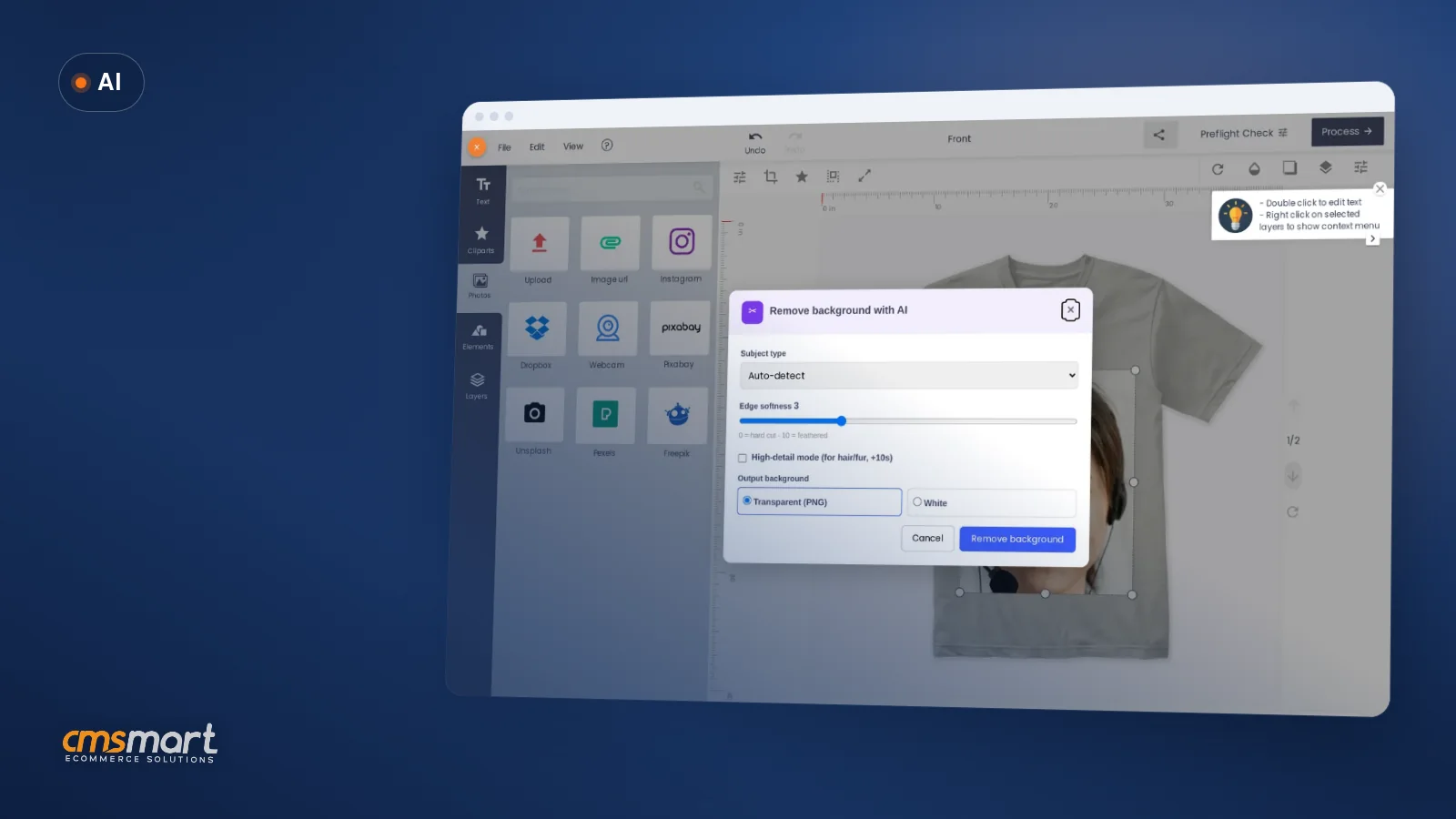
Add an AI background remover for WooCommerce to your product designer so buyers get a clean cutout instantly, and see how Cmsmart builds the rest for...
Case study · Web-to-print
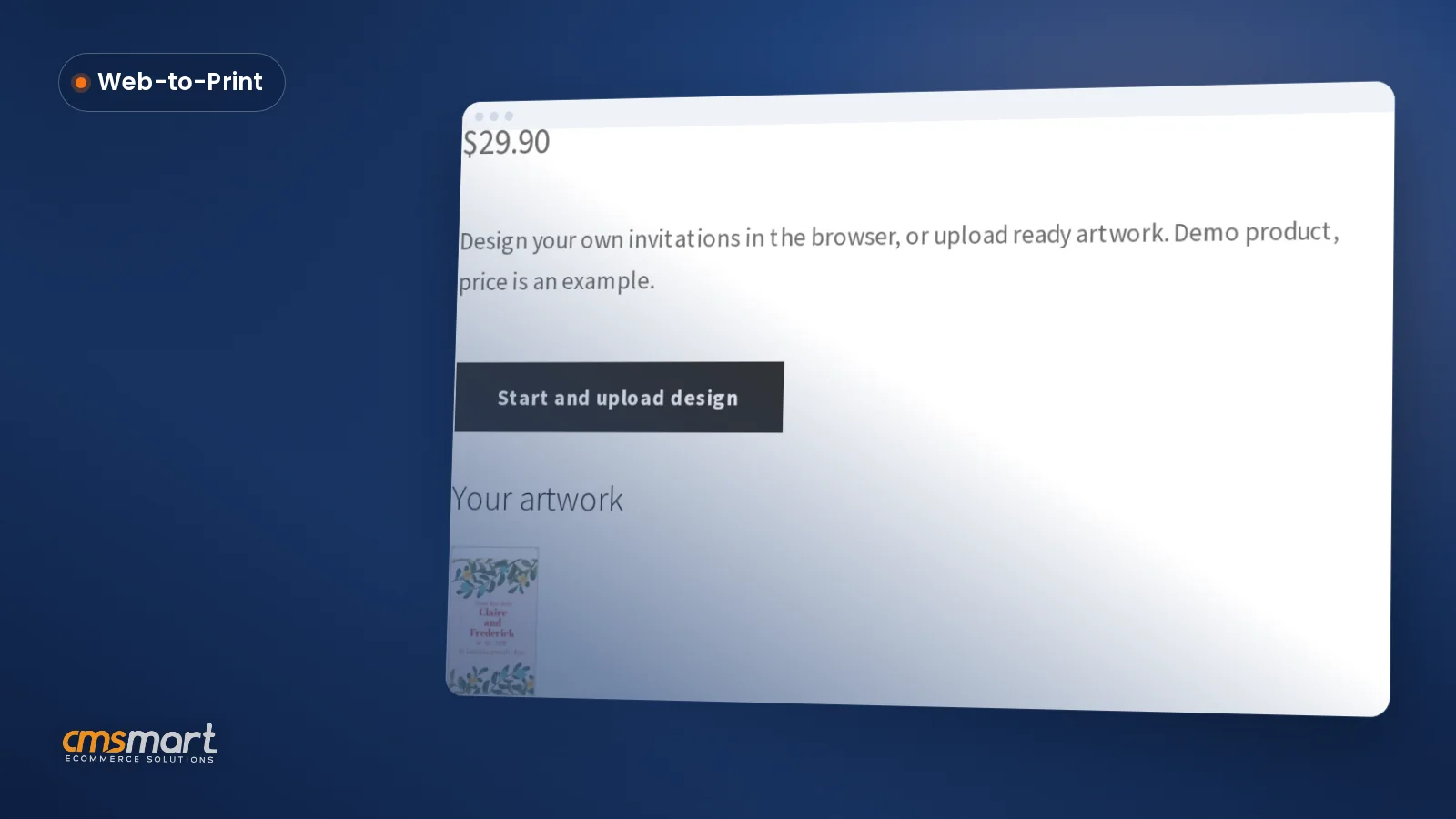
Save design and reorder WooCommerce orders in one click, with a fresh print-ready PDF every time. See how Cmsmart builds it.
Browse more guides, tutorials and case studies from the Cmsmart community.
Unlock the Power of Mobile Commerce: Propel Your Business Forward
Read MoreDiscover how to harness mobile commerce to enhance your business growth. Learn strategies for optimizing the mobile shopping experience and increasing consumer engagement.
Read MoreDiscover the benefits of mobile commerce and how it can transform your business. Learn effective strategies for maximizing sales and customer engagement through mobile-optimized shopping experiences.
Read More
Cmsmart Ecommerce provides custom ecommerce and WooCommerce development services for web-to-print, product personalization, plugin support and API integration.
Cmsmart WooCommerce Development Lead
Leads custom WooCommerce builds: architecture, checkout, performance and integrations.
Meet the team →




Did you know that the global eCommerce market is projected to soar to a staggering $6.38 trillion by 2027? With such growth on the horizon, the decisions you make about your eCommerce platform are more critical than ever. Take, for instance, the journey of EcoTribe, a sustainable fashion brand based in Canada. When they first approached Cmsmart, they were grappling with an outdated platform that couldn’t support their visionary approach to eco-friendly clothing. With our tailored solutions, EcoTribe not only revamped their site but also enhanced their customer experience, resulting in a 45% increase in sales within just six months. This transformation showcases the profound impact of choosing the right eCommerce platform for success.
At Cmsmart, we understand that selecting and customizing the right digital retail solution can feel overwhelming, yet getting it right is pivotal for growth. To navigate this landscape, you need a platform that offers scalability, seamless integration, and advanced customization capabilities to align with your brand identity. Ready to explore options that can unlock your business potential? In this tutorial, we will demystify the leading eCommerce platforms, helping you understand their features and how they can drive your business growth. Learn more about the latest trends and enhance your growth strategies with us!
Demystifying ecommerce platforms
Choosing the right eCommerce platform can make or break your business success.The intricacies of selecting and customizing the right eCommerce solution can feel overwhelming, but getting it right is pivotal. Every online venture needs the right digital retail solution to thrive.
Understanding Online Store Platforms
What if selecting and customizing your e-commerce platform could mean the difference between business success and failure? The answer lies in understanding what your business truly needs, such as a scalable architecture and an exemplary user experience.
Navigate Platform Customization Options
Customization is a key factor in differentiating your online store from the competition. Solutions like Wordpress Multistore offer centralized management yet provide the flexibility for independent branding of each storefront .
Balancing Technical Skills with Platform Usability
While technical know-how can boost platform efficiency, choosing user-friendly ecommerce solutions ensures that even non-tech savvy employees can manage the store comfortably, minimizing operational hurdles.
Achieving High Performance and Modularity
Platforms designed on scalable architecture, such as Cmsmart’s solutions, offer high performance with modular capabilities allowing businesses to expand functionalities without a complete overhaul .
In summary: Picking the right platform impacts your ability to scale and operate efficiently. Navigate through user-friendly solutions and consider integrating additional functionalities that match your business needs.
Next, lets dive into Best eCommerce Platforms for Developers, where we explore technical deep dives to unlock greater potentials.
Understanding eCommerce Platforms
Choosing the right platform can be daunting, but it’s crucial for your businesss success.Navigating through platform customization, balancing technical skills with usability, and achieving high performance while integrating design aesthetics are common challenges for many .
Defining eCommerce Platforms
eCommerce platforms, also known as digital retail solutions or online store platforms, are the backbone of any eCommerce business. They provide essential features like shopping carts, payment processing, and product catalogs . Choosing a platform that aligns with your business goals is critical to online success.
How eCommerce Platforms Power Digital Retail
At the heart of digital retail solutions is their ability to seamlessly manage online sales and enhance the user experience. Platforms like WooCommerce and Shopify provide scalable architectures that support businesses from startup phase to market expansion .
From Shopping Carts to Online Stores: The Evolution of eCommerce
eCommerce has evolved dramatically from simple online shopping carts to comprehensive digital retail hubs. Early e-commerce systems were limited in functions but modern platforms offer a wide range of features like:
In summary, understanding eCommerce platforms and their evolution is key to leveraging their full potential. Whether youre launching a multi-vendor marketplace or a single vendor store, choosing the right platform can set the stage for business success. Next, we will explore the best eCommerce platforms for developers, user-friendly eCommerce solutions, and more.
Tailoring Your eCommerce Platform to Your Business Needs
Struggling to identify the perfect eCommerce platform for your business? You’re not alone.Choosing the right platform is more than just a technical decision; its a crucial business strategy that impacts growth, performance, and customer satisfaction.
Why One Size Doesnt Fit All in Ecommerce
Every business is unique, and a generic online store platform may not fulfill all your needs. Whether youre a tech-savvy developer or a creative fashion designer, your platform should support scalable architecture and dynamic shopping cart features. Embracing diversity in e-commerce solutions ensures your digital retail space is as individualized as your brand.
Balancing Technical Specifications with Business Needs
Integrating design aesthetics with technical functionality is key to a successful e-commerce platform. Here are a few points to consider:
Case Study: A Fashion Brands Journey to the Perfect Platform
Consider the journey of a budding fashion brand that transitioned to a tailored e-commerce solution. Initially struggling with limited platform functionalities, they switched to a platform offering enhanced product customization and a seamless user interface.
In summary: Tailoring your eCommerce platform to align with your business needs is essential for long-term success. As you develop and refine your strategy, consider platforms that support various functionalities like multi-vendor selling or user-friendly solutions to accommodate future growth. Continue to the next section on best practices for launching an eco-friendly clothing line and see how customizing your eCommerce platform can make you a leader in sustainable fashion.
Unveiling the User Persona: A Critical Step in Platform Selection
Struggling with choosing the right platform for your e-commerce venture? You’re not alone.Selecting the appropriate platform can be a complex task, especially when you are balancing technical skills with usability, achieving high performance, and ensuring seamless integration with design aesthetics and technical functionalities.
The Importance of Understanding User Personas
Knowing your user personas is crucial in the e-commerce platform selection process.Identifying and Catering to Your Key User Types
The Impact of User Personas on Platform Performance and Success
User personas significantly affect platform performance and overall success. They influence how features are prioritized and can dictate the technical functionality required for seamless operation.Summary
Identifying and effectively utilizing user personas is a critical step in platform selection and can substantially impact your e-commerce success. By understanding and catering to the diverse needs of your user base, you can ensure a platform that not only meets but exceeds expectations.Next, we will delve into user-friendly ecommerce solutions and how these can be customized to fit the unique profiles of your target audience.
Platform Customization: Navigating Your Options
Choosing the right platform is a crucial challenge, especially when trying to balance technical skills with platform usability.Navigating the myriad of customization options available can further complicate things for any e-commerce business. Heres how to make these decisions easier and more strategic for your online store.
Overview of Platform Customization
Platform customization is not just about making your store look pretty; it’s about tailoring the platform to meet your unique business needs. With the right e-commerce solutions, you can enhance the user experience and integrate design aesthetics with technical functionality seamlessly.
Market Insight:Balancing Usability and Customization
Striking the right balance between usability and customization is key to a successful online sales strategy. Here are a few tips:
- Prioritize User Experience: Ensure that your online store platforms are easy to navigate, as a seamless shopping experience can boost conversions.
- Opt for Scalable Architecture: Choose platforms that can grow with your business, allowing you to add features as needed without overhauling your system.
- Consider Your Tech-Savvy Developer Needs: For those with technical expertise, look for platforms that offer advanced customization options using APIs or custom coding.
Pro Tips:Determining What Customizations are Right for Your Business
To decide on the right customizations:
By selecting customizations that align with strategic business goals, you can boost operational efficiency and deliver superior customer experiences. For additional insights, check out our Best ecommerce platforms for developers and tailor your digital retail solutions to more specific business niches.
Summary and Next Steps:Achieving a balance between usability and customization ensures your ecommerce business can adapt to challenges and leverage opportunities effectively. Next, explore the best practices for launching specific product lines by visiting our guide on Launching an eco-friendly clothing line.
Crafting an Eco-Friendly eCommerce Line
Choosing the right platform can make all the difference in launching an eco-friendly eCommerce line.Navigating the intricate world of platform customization while balancing technical skills with usability is a common challenge for eco-conscious brands.
Eco-Friendly Selling: More than a Trend
More businesses are weaving sustainability into their core practices, viewing it as a fundamental value rather than just a fleeting trend. As sustainability’s importance rises, adopting eco-friendly practices becomes a competitive advantage.
How Platform Selection Can Support Your Eco-Friendly Initiative
A successful eco-friendly eCommerce strategy starts with choosing the right platform. WordPress and WooCommerce, renowned for their flexible and scalable architecture, allow seamless integration of features essential for sustainability.
Case Study: An Eco-Friendly Line’s Unique Platform Needs
Consider the journey of an eco-friendly fashion line that leveraged a tailored eCommerce platform to meet its unique needs. They prioritized platforms allowing extensive customization and seamless integration of eco-centric features.
Strategies for Achieving High Performance and Modularity
Integrating design aesthetics with technical functionality is key to a high-performing eco-friendly eCommerce site. Platforms like WooCommerce provide superior modularity and performance, essential for scaling your eco-family.
- Implement dynamic shopping cart features for seamless user navigation
- Utilize design tools that offer both aesthetic appeal and functional efficiency
- Create user-friendly dashboards to monitor and optimize your store’s eco-impact
In summary: Selecting the right eCommerce platform is fundamental to launching and scaling an eco-friendly line effectively. Next, let’s dive into best eCommerce platforms for developers and explore user-friendly eCommerce solutions that align perfectly with your sustainable business goals.Next-Level Platforms: Understanding the Role of Scalable Architecture
Struggling to choose the right eCommerce platform? Youre not alone.Navigating platform customization options and balancing technical skills with usability are common challenges for many businesses.
The Need for Scalable eCommerce Solutions
In the dynamic world of digital retail, having a platform that grows with your business is crucial. Scalable e-commerce solutions, synonymous with flexibility and adaptability, ensure your online store can handle increasing traffic and sales without a hitch.
How Scalable Architecture Supports Business Growth
Scalable architecture is the backbone of successful e-commerce platforms, allowing businesses to expand seamlessly. It supports components like shopping cart features, user experience enhancements, and advanced digital retail solutions.
Balancing Performance and Modularity in eCommerce Platforms
Achieving high performance while maintaining modularity can be a complex task. The best online store platforms are those that combine these features effectively, supporting both the fashion designers eye for aesthetics and the tech-savvy developer’s need for function.
For comprehensive strategies, check out our detailed guides on launching an eco-friendly clothing line and eCommerce platform customization.
In summary: Adopting a scalable e-commerce platform sets your business up for long-term success. In our next section, well delve into the best e-commerce platforms for developers and how user-friendly solutions can transform your business.Frequently Asked Questions
Choosing the right platform for your eCommerce business can be challenging.Selecting the ideal eCommerce solution involves balancing your technical skills with platform usability while striving to achieve high performance and flexibility. Below, we address some of the most common questions entrepreneurs face when navigating this complex landscape.
Q and A Around eCommerce Platforms
Which eCommerce platform should I choose?
Consider your business model, technical skills, and budget. WordPress and WooCommerce are excellent choices for businesses seeking flexibility and a broad range of plugin integrations. For developers looking to delve into code, these platforms offer a customizable environment.
How customizable are eCommerce platforms like WooCommerce?
Platforms like WooCommerce offer extensive customization through themes and plugins, allowing for tailored design aesthetics that align with your brand identity.
What is the best way to optimize my eCommerce platform for performance?
How do I integrate my eCommerce site with social media?
Leverage platforms like WooCommerce to facilitate social media integration. This allows for seamless product promotion and customer engagement across Facebook, Instagram, and Pinterest .
What are my options for launching a sustainable e-commerce business?
Consider integrating sustainable practices into your business model, such as eco-friendly product lines. For more detailed insights, explore our guide on launching an eco-friendly clothing line.
In summary: Navigating the complexities of platform selection and customization requires a balanced approach. By leveraging powerful tools and strategies, you position your digital retail solution for success. Next, we will explore the best eCommerce platforms tailored for developers seeking enhanced functionality and customization.Further Reading
As we conclude our exploration of leading eCommerce platforms, remember that the right choice can greatly influence your business trajectory. By seeking scalable solutions that integrate seamlessly with essential tools and offer customizable features, you position your store for success. If you're ready to take the next step in unlocking your eCommerce potential, let’s discuss how we can help you implement these strategies effectively. I encourage you to reach out to David directly via WhatsApp at https://wa.me/84937869689 or email your queries to our eCommerce Project Consultant at [email protected]. For tailored solutions, request a quotation at https://cmsmart.net/home/teams/#contact. Join me in transforming your store into a thriving digital business!