

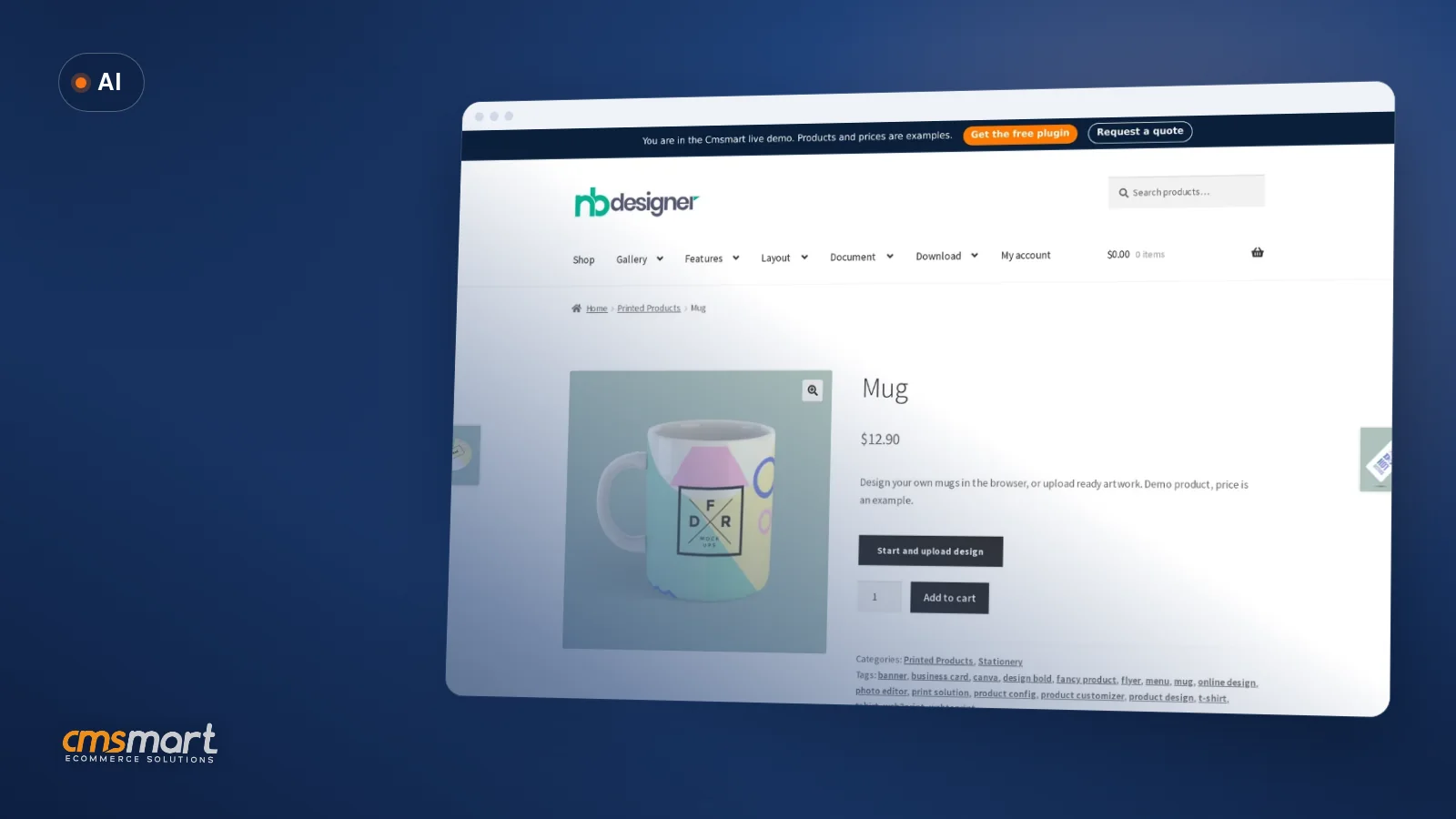
Case study · AI
Animated Filter for Personalized Products
See what an animated filter for personalized products can really do today, then get a custom AI style effect built for your store.
Unlock the Power of Mobile Commerce: Propel Your Business Forward
Was this tutorial helpful?
Written by
Cmsmart WooCommerce Development Lead
Leads custom WooCommerce builds: architecture, checkout, performance and integrations.
The team behind it
 Account Manager
 Project Manager
 Business Analyst
 Developers & QA
Case study · AI
See what an animated filter for personalized products can really do today, then get a custom AI style effect built for your store.
Guide · WooCommerce
See how website design and development work as one build in a real WooCommerce store, then get a custom development quote from Cmsmart.
Guide · Web-to-print
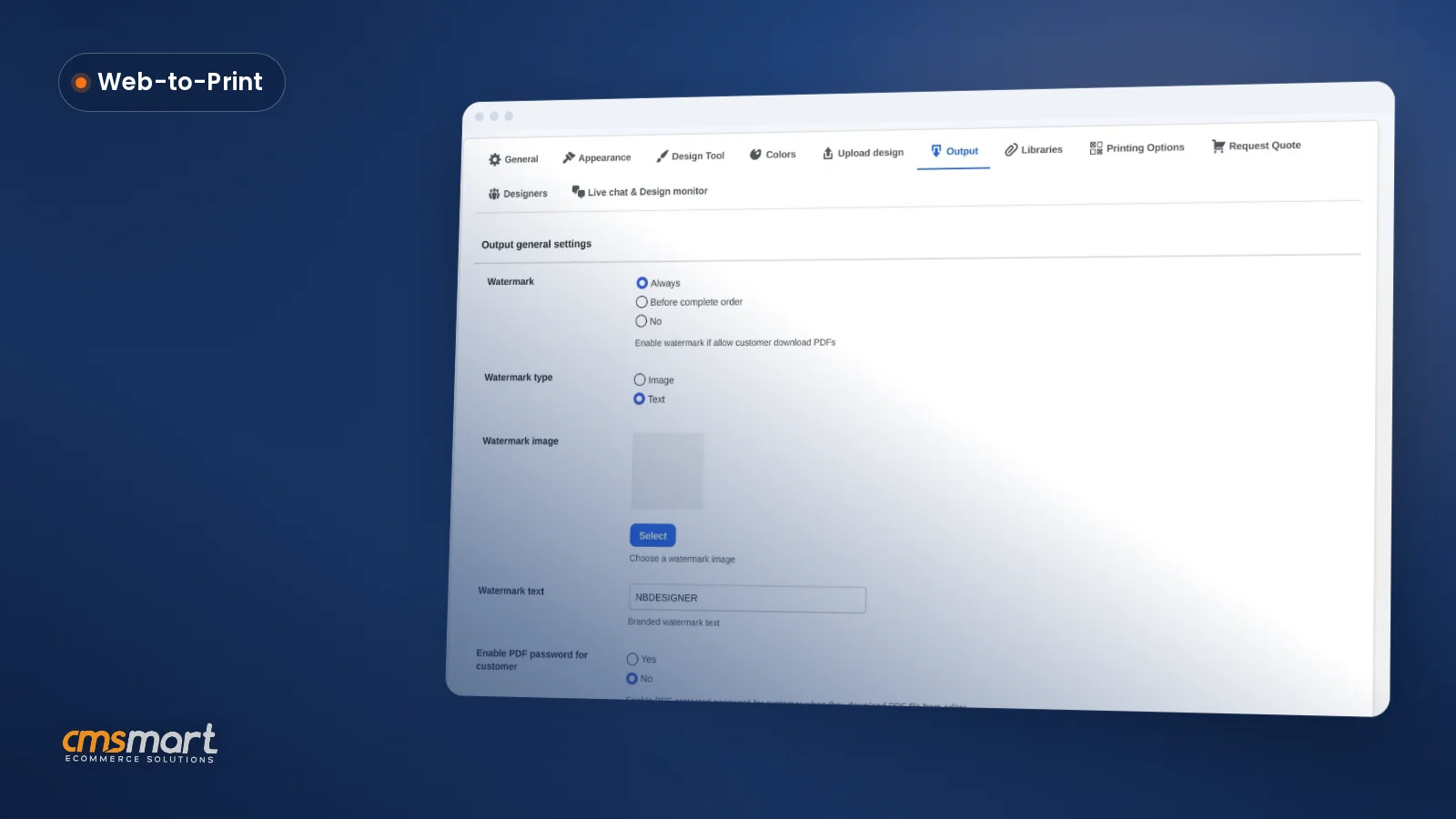
See what the print ready PDF output settings WooCommerce screen controls — watermark, password, bleed, FTP sync — and configure yours today.
Browse more guides, tutorials and case studies from the Cmsmart community.
Discover how to harness mobile commerce to enhance your business growth. Learn strategies for optimizing the mobile shopping experience and increasing consumer engagement.
Read MoreDiscover the benefits of mobile commerce and how it can transform your business. Learn effective strategies for maximizing sales and customer engagement through mobile-optimized shopping experiences.
Read MoreDiscover how mobile payments can enhance customer experiences, boost sales, and streamline transactions in your online store. Learn key benefits and trends shaping the future of mobile commerce.
Read More
Cmsmart Ecommerce provides custom ecommerce and WooCommerce development services for web-to-print, product personalization, plugin support and API integration.
Cmsmart WooCommerce Development Lead
Leads custom WooCommerce builds: architecture, checkout, performance and integrations.
Meet the team →





Imagine a world where every purchase and every bank transaction could be completed at the mere touch of your smartphone. According to Statista, mobile commerce is set to account for a staggering 75% of all e-commerce sales by 2024, illustrating the urgent need for businesses to adapt. This trend is not only a statistical marvel but a powerful shift reshaping consumer expectations and shopping habits. Take, for instance, our client Anna, who runs a successful clothing brand in Australia. Despite her store's popularity, she was struggling to move her sales online and faced hurdles in customer engagement with mobile shoppers.
When Anna partnered with Cmsmart, we implemented a tailored mobile commerce strategy that streamlined her shopping app, paving the way for a more seamless user experience. By incorporating innovative mobile features, she witnessed a remarkable increase in conversions and customer satisfaction. The stats show that efficient access to products directly correlates with improved sales performance, as consumers increasingly gravitate towards mobile shopping solutions. If you're looking to enhance your own mobile commerce operations, we invite you to explore our resources, such as our guide on innovative mobile commerce strategies and strategic mobile commerce implementation. In this tutorial, we will delve into best practices to unlock the full potential of mobile commerce for your business.
The Pivot toward Mobile Commerce
What if all transactions, from buying products to managing your bank account, could be accomplished with just the touch of your smartphone?The rise of mobile commerce (m-commerce) has revolutionized the way we conduct financial transactions and shop online. Today, consumers expect the convenience of mobile applications for everything from shopping to banking, presenting both opportunities and challenges for businesses.
The Need for Convenient Access to Banking Services
With the majority of the global population now relying on mobile devices, the demand for hassle-free access to banking services and online shopping has never been higher. However, users often face challenges when trying to compare products and services online, which can hinder their shopping experience.Streamlining the Mobile Purchasing Process
The convenience of mobile shopping should also encompass a streamlined purchasing process. This includes quick load times, easy navigation, and simple payment solutions that appeal to mobile users.Adapting Advertising Strategies for Mobile Users
Mobile behavior significantly influences marketing efforts. Understanding how consumer behavior shifts in a mobile context is essential for effective advertising strategies.- Focus on mobile-first design in promotional content.
- Use geolocation data to target local consumers.
- Leverage social media platforms for mobile-centric campaigns.
For more insights, you can explore our sections on understanding mobile banking trends and how mobile browsing impacts shopping habits. In summary: The pivot toward mobile commerce is transforming how we engage with consumers. By understanding and adapting to these changes, businesses can better meet the demands of mobile shoppers. Up next, we’ll delve into buying with mobile convenience and how it shapes consumer expectations in today’s digital marketplace.Intro to Mobile Commerce & Its Types
Struggling to engage with mobile-first consumers? Youre not alone.In todays fast-paced digital economy, businesses face the challenge of providing seamless access to banking services, comparing products effectively, streamlining the mobile purchasing process, and adapting advertising strategies to fit mobile users preferences.
Basic Definition of Mobile Commerce
Mobile commerce, or m-commerce, refers to the buying and selling of goods and services through mobile devices like smartphones and tablets. Its a rapidly growing segment of the e-commerce landscape, driven by changing consumer behaviors and technological advancements.Types of Mobile Commerce
Understanding the various forms of mobile commerce is essential for businesses looking to thrive in the digital marketplace. Here are the primary types:The Evolution & Importance of Mobile Commerce in Todays Digitized Economy
The evolution of mobile commerce has changed how consumers interact with businesses. As of 2023, smartphones account for over 54% of all e-commerce traffic, illustrating the need for companies to optimize their mobile presence. Market Insight: According to Statista, worldwide mobile retail sales are projected to reach $3.5 trillion by 2025, indicating massive growth potential.Adapting your business to capitalize on mobile commerce trends can significantly enhance your market presence and profitability. Actionable strategies include:
For more insights, dive into our sections on understanding mobile banking trends, how mobile browsing impacts shopping habits, buying with mobile convenience, and targeting consumers with mobile advertising.
In summary: The dynamic landscape of mobile commerce continues to evolve and adapt to consumer expectations. By implementing the strategies discussed, you can position your business to thrive in this competitive environment. Next, let’s explore the latest trends in mobile banking and how they are reshaping the financial landscape.Demystifying Mobile Banking
Struggling to keep up with the demand for convenient banking solutions? You’re not alone.As consumer behavior shifts, many individuals face challenges with online banking services, from comparing products to streamlining mobile purchasing processes.
Understanding Mobile Banking
Mobile banking refers to accessing banking services through mobile applications, transforming how consumers conduct financial transactions. With the rise of m-commerce and mobile shopping, banks are adapting to meet user demands, making it essential to grasp mobile bankings fundamentals.Impact of Mobile Banking on Personal Finance Management
Mobile banking has revolutionized personal finance management by providing real-time access to accounts, enhancing the ability to monitor financial transactions efficiently. Users can quickly budget, track spending, and make informed decisions. Here are some advantages:Exploring Examples and Features of Mobile Banking Services
Numerous banks and credit unions are embracing innovative features to enrich user experience. Examples of what to look for include:- Mobile check deposit capabilities
- Bill payment management tools
- Budgeting and spending analysis features
As you consider the landscape of mobile banking, remember to evaluate these features to find solutions tailored to your needs. Incorporate these insights to seamlessly navigate the mobile banking ecosystem. For detailed strategies on understanding mobile banking trends, how mobile browsing impacts shopping habits, or buying with mobile convenience, explore our abundant resources. In summary: Embracing mobile banking can significantly enhance your financial management and shopping experience. Next, let’s dive deeper into the innovative trends shaping the future of mobile finance.Investigating Mobile Browsing & Purchasing
Struggling to adapt your business to the mobile-first world? You’re not alone.As consumers increasingly expect convenient access to services and products on their mobile devices, businesses face the challenge of streamlining the mobile purchasing process and optimizing advertising strategies for mobile users.
Growth of Mobile Browsing in Modern Shopping
Mobile commerce, or m-commerce, is transforming how we shop. With the rise of mobile applications, people are turning to their smartphones for everyday purchases. Here are some key insights:Overview of Mobile Purchases & Streamlining the Process
As mobile shopping grows, it’s crucial to streamline the purchasing process. Consumers value simplicity and speed when making financial transactions on mobile devices. Here are actionable tips to enhance the mobile shopping experience:Case Studies on Successful Mobile Purchases and Consumer Behavior
Examining how businesses successfully capitalize on mobile commerce can provide valuable insights. Additionally, research shows that mobile shoppers are more likely to make impulse purchases compared to desktop users, emphasizing the need for effective and engaging advertising strategies tailored to mobile environments.Conclusion
In summary, understanding the landscape of mobile browsing and purchasing behavior is imperative for modern businesses aiming to thrive in the digital marketplace. As we transition to the next section, we’ll dive deeper into understanding mobile banking trends and how they impact shopping habits, focusing on buying with mobile convenience and targeting consumers with effective mobile advertising strategies.The Art of Mobile Advertising
Struggling to reach your audience on their most-used devices? Youre not alone.Businesses today face significant challenges when it comes to adapting their advertising strategies for mobile users, particularly in the realm of banking and e-commerce. The need for convenient access to banking services, coupled with the rapid growth of mobile shopping, calls for a strategic approach to mobile advertising.
Unlocking Potential Through Mobile Advertising Strategies
To truly succeed in the mobile marketplace, consider integrating the following actionable tips:Adapting Advertising Strategies for Mobile Users
When creating ads for mobile audiences, ensure that you:Examples and Success Stories of Effective Mobile Advertising
Many businesses have harnessed the power of mobile advertising with tremendous success. For instance:- A leading financial institution revamped its mobile app, enhancing user experience and reporting a 40% increase in transaction volume.
- A popular e-commerce platform utilized personalized mobile ads, boosting their customer engagement by 60%.
In summary:Harnessing effective mobile advertising strategies not only boosts brand awareness but also drives critical conversions. As you explore the potential of mobile advertising, dont forget to delve into understanding mobile banking trends, explore how mobile browsing impacts shopping habits, and learn about buying with mobile convenience. Next, let’s discuss targeting consumers with innovative mobile advertising techniques for even greater success!
Decoding Mobile Transactions & Digital Integration
Struggling to keep up with the demands of mobile-savvy consumers? You’re not alone.Businesses increasingly face the challenge of providing convenient and secure access to banking services while addressing the ever-evolving landscape of online shopping and mobile transactions.
Understanding the Role of Mobile Transactions in Commerce
Mobile transactions, or m-commerce, have transformed how we shop and conduct financial business. Customers now expect seamless experiences, and businesses need to adapt to this shift. Here are some key aspects to consider:Financial Transactions and Security in Mobile Commerce
To successfully engage customers in mobile shopping, financial transactions must be secure and straightforward. Implementing robust security measures ensures that consumers can shop confidently. Consider incorporating these strategies:The Future of Mobile Transactions & Digital Integration
As technology evolves, the future of mobile transactions will continue to enhance customer experiences. Innovative strategies and integrations will shape how businesses engage with consumers. Explore these trends:- Personalization of mobile advertising by utilizing consumer data to target shoppers effectively.
- Expansion of AI-driven customer support within mobile applications.
- Utilizing augmented reality (AR) to create immersive shopping experiences.
In summary: Navigating mobile transactions and digital integration is essential for meeting consumer needs and staying ahead of competition. By understanding evolving trends and implementing strategic measures, businesses can enhance their mobile m-commerce presence. Next, let’s explore how mobile banking trends can impact consumer behaviors and shopping habits.Effective Strategies for Boosting M-Commerce Performance
Struggling to enhance your m-commerce performance? You’re not alone.Many businesses face challenges when it comes to making financial transactions easy and convenient, especially in mobile shopping. Understanding these pain points is crucial for success in today’s digital landscape.
Planning for Mobile Commerce Implementation
By prioritizing a mobile-centric design strategy, you can effectively reach your audience where they spend most of their time—their smartphones. According to a recent survey, mobile devices account for over 54% of total e-commerce sales globally, a number expected to increase as consumer shopping habits evolve.
Tips and Tricks for Increasing Mobile Commerce Success Rate
Future Trend Predictions and How to Stay Ahead
As mobile technology continues to advance, staying ahead of trends will give you a competitive edge. Here are some strategies to consider:- Invest in AI-driven chatbots to enhance customer service and support.
- Adopt augmented reality (AR) features to create immersive shopping experiences.
- Utilize data analytics to personalize customer journeys and target advertising effectively.
For additional insights, you can explore our section on understanding mobile banking trends, how mobile browsing impacts shopping habits, buying with mobile convenience, and targeting consumers with mobile advertising. In summary: Implementing effective strategies will significantly enhance your m-commerce performance, paving the way for greater sales and customer satisfaction. Next, let’s explore more on understanding consumer insights and optimizing your m-commerce platform effectively.Frequently Asked Questions
Finding it challenging to keep up with the mobile commerce trends? Youre not alone.As consumer reliance on mobile devices grows, the need for accessible banking services and seamless shopping experiences has never been more critical.
Understanding the Mobile Commerce Landscape
Common Questions About Mobile Commerce
Q1: How does mobile commerce differ from traditional e-commerce?
Mobile commerce (m-commerce) is specifically tailored for smartphone or tablet users, allowing streamlined transactions through mobile applications and websites, compared to traditional e-commerce which operates mainly via desktop.
Q2: What are the main challenges with mobile shopping?
Q3: How can businesses enhance their mobile purchasing processes?
To streamline the mobile purchasing experience, consider these actionable tips:
Q4: What role do advertisements play in mobile commerce?
Mobile advertising strategies must cater directly to consumer behavior, leveraging location data and personalized content to drive engagement and conversions.
Q5: How can businesses adapt their advertising strategies for mobile users?
Effective mobile advertising requires:
- Utilizing visually appealing formats, such as videos or interactive ads.
- Focusing on local SEO to attract nearby consumers.
- Employing targeted ads to meet user preferences and behaviors.
In conclusion: Mobile commerce continues to evolve, presenting both opportunities and challenges for businesses. By staying attuned to mobile banking trends, understanding how mobile browsing impacts shopping habits, embracing the convenience of mobile transactions, and targeting consumers effectively, businesses can thrive in the competitive landscape. Next, lets delve into strategies for optimizing your mobile advertising efforts.FAQ Section: Troubleshooting and Pro Tips
What is mobile commerce?
Mobile commerce refers to buying and selling goods through mobile devices.
How can banking services be accessed conveniently via mobile?
Mobile banking apps provide users with quick access to their accounts, allowing for transactions on-the-go.
What challenges do consumers face when comparing products online?
Consumers often struggle with inconsistent information and overwhelming choices which complicate price comparisons.
How can the mobile purchasing process be streamlined?
Simplifying checkout, reducing required steps, and ensuring mobile-friendly interfaces can enhance the purchasing experience.
How should advertising strategies be adapted for mobile users?
Ads must be optimized for smaller screens and designed for quick engagement to effectively reach mobile users.
What role does mobile optimization play in e-commerce success?
Mobile optimization enhances user experience and ensures higher conversion rates by catering to mobile visitors.
Why is it important to have responsive design for mobile commerce?
Responsive design ensures that e-commerce sites function well on all devices, improving accessibility and user satisfaction.
Further Reading
Congratulations on taking the first step toward transforming your business through mobile commerce! By implementing the strategies discussed in this tutorial, you position yourself to tap into a rapidly growing market, where providing seamless mobile experiences is key to capturing consumer interest. Remember, with mobile commerce projected to account for 75% of total e-commerce sales by 2024, now is the time to act. Let’s discuss how we can help you implement these powerful strategies effectively. Reach out to David, our CEO, via WhatsApp at this link, or email our Ecommerce Project Consultant at project@cmsmart.net for personalized guidance. For tailored solutions, don’t hesitate to request a quotation. Your journey to m-commerce excellence starts today!