

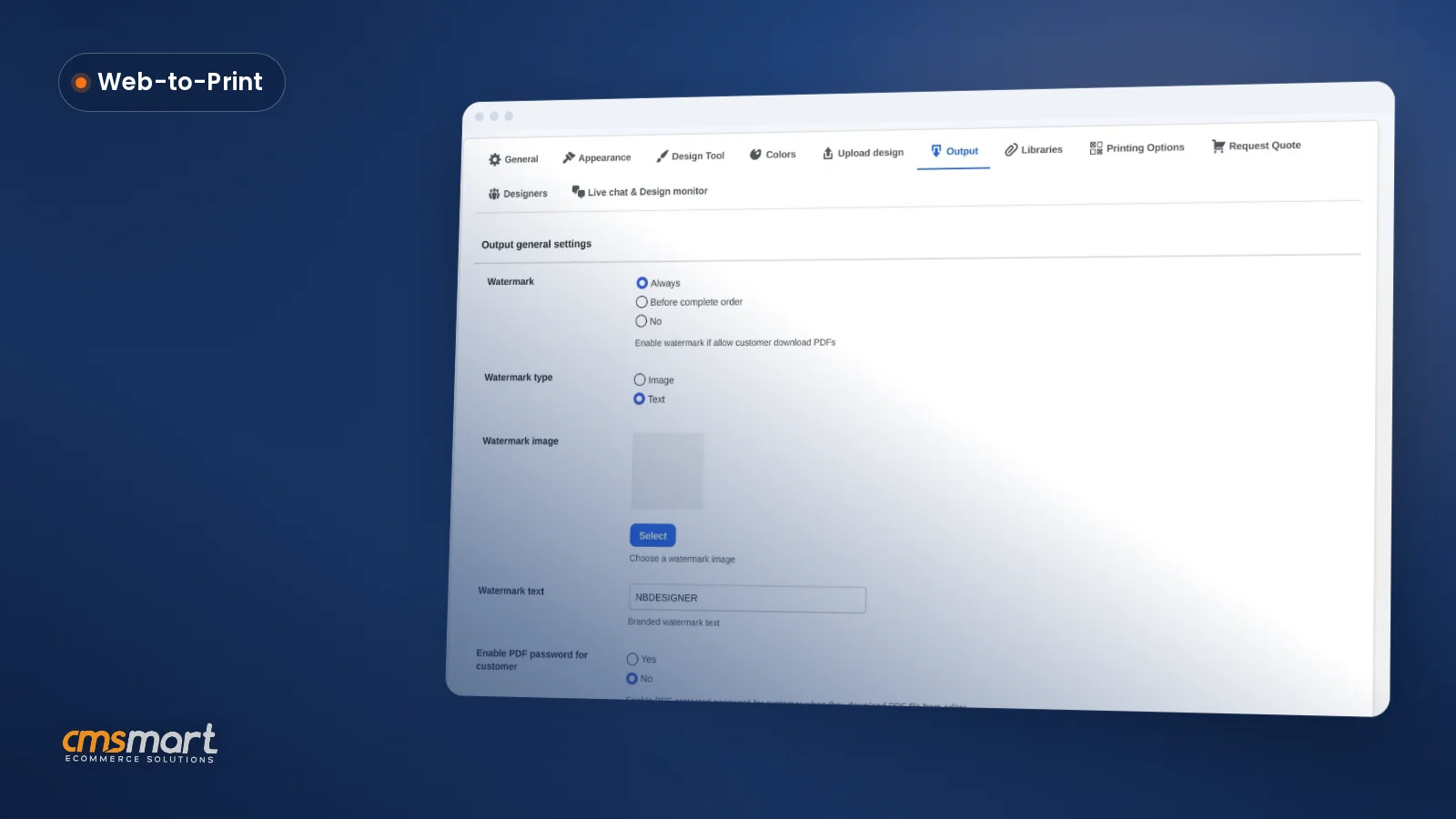
Guide · Web-to-print
Print Ready PDF Output Settings WooCommerce Setup
See what the print ready PDF output settings WooCommerce screen controls — watermark, password, bleed, FTP sync — and configure yours today.
Discover the transformative power of Mobile Commerce with solutions that ensure engaging, consistent experiences across all devices, maximizing your reach and profitability.
Table of contents
Was this tutorial helpful?
Written by
Cmsmart WooCommerce Development Lead
Leads custom WooCommerce builds: architecture, checkout, performance and integrations.
The team behind it
 Account Manager
 Project Manager
 Business Analyst
 Developers & QA
Guide · Web-to-print
See what the print ready PDF output settings WooCommerce screen controls — watermark, password, bleed, FTP sync — and configure yours today.
Case study · AI
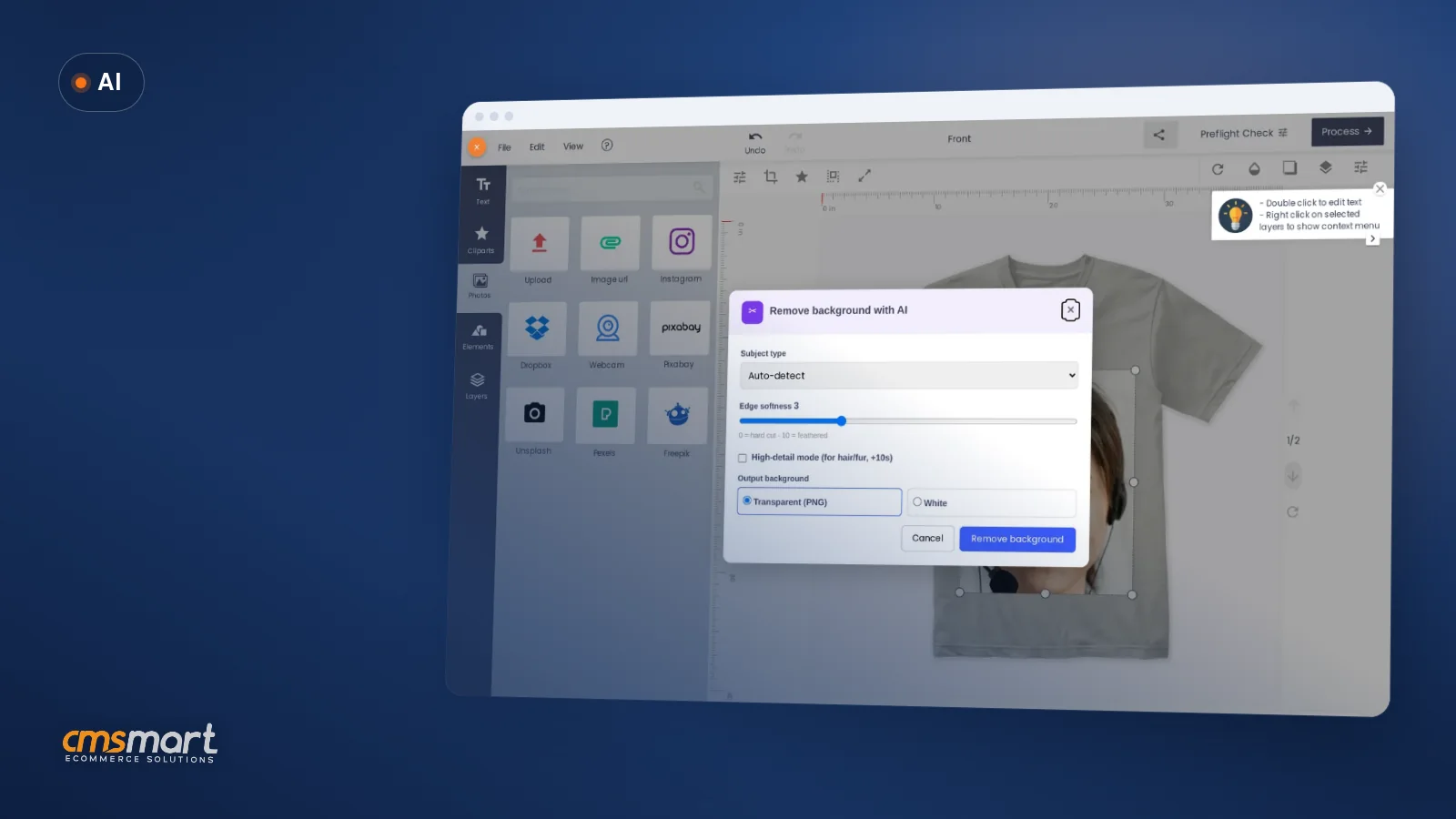
Add an AI background remover for WooCommerce to your product designer so buyers get a clean cutout instantly, and see how Cmsmart builds the rest for...
Case study · Web-to-print
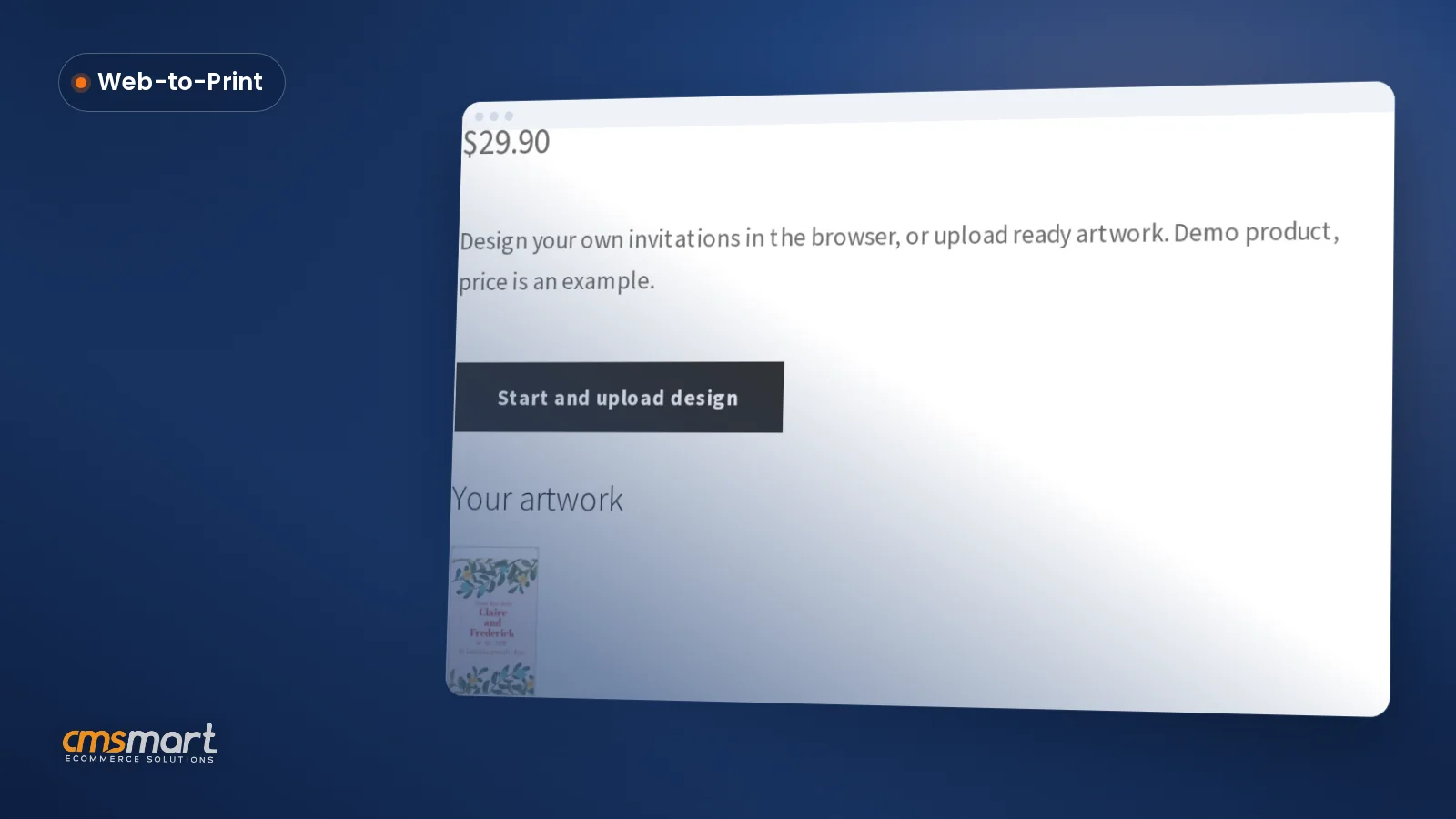
Save design and reorder WooCommerce orders in one click, with a fresh print-ready PDF every time. See how Cmsmart builds it.
Browse more guides, tutorials and case studies from the Cmsmart community.
Unlock the Power of Mobile Commerce: Propel Your Business Forward
Read MoreDiscover how to harness mobile commerce to enhance your business growth. Learn strategies for optimizing the mobile shopping experience and increasing consumer engagement.
Read MoreDiscover the benefits of mobile commerce and how it can transform your business. Learn effective strategies for maximizing sales and customer engagement through mobile-optimized shopping experiences.
Read More
Cmsmart Ecommerce provides custom ecommerce and WooCommerce development services for web-to-print, product personalization, plugin support and API integration.
Cmsmart WooCommerce Development Lead
Leads custom WooCommerce builds: architecture, checkout, performance and integrations.
Meet the team →




Did you know that by 2025, nearly 44% of all eCommerce sales will come from mobile commerce? As we witness an unprecedented shift towards shopping on the go, businesses face the challenge of evolving in this fast-paced digital landscape. Take, for instance, Nguyen’s Bakery, a family-run business in Vietnam that once struggled with slow sales in their online store. After implementing a robust mobile commerce solution from Cmsmart, they experienced a remarkable 60% increase in mobile sales within just three months! This transformation wasn’t just about having a mobile-friendly site; it was about creating a seamless shopping experience that met the modern consumer's demands for convenience and efficiency.
In today's world, where consumers expect to make purchases at their convenience, integrating mobile commerce strategies is no longer optional. With the rise of smartphones and the increasing reliance on mobile transactions, it becomes crucial for businesses to adapt to these changing habits. Optimize your store for mobile access, utilize mobile wallets, and incorporate engaging social features to enhance customer interaction. For more insights, check out our resources on harnessing mobile commerce and optimizing for mobile. In this tutorial, we will delve into how you can empower your business with mobile commerce strategies to create seamless and engaging shopping experiences for your customers.
Pushing Boundaries with Mobile Commerce
Imagine the power to shop anywhere, anytime, right in the palm of your hand?
Need for real-time and informed decision-making in shopping? As mobile technology evolves, retailers are faced with challenges to adapt. Consumers desire seamless mobile experiences, making it crucial for businesses to integrate social features within their mobile commerce strategies.
Pushing Boundaries with Mobile Commerce
Mobile commerce, or m-commerce, is revolutionizing how smart shoppers engage with brands. It allows for online comparison and real-time information, meeting consumer expectations for shopping flexibility and convenience.
Enhancing Mobile Shopping Experiences
In summary: Positioning your business to embrace mobile commerce not only enhances customer satisfaction but also drives growth. As you explore mobile solutions, consider how digital technology impacts shopping behavior, making informed decisions essential. For more insights, check out our comprehensive guide on mobile app development.
Next, lets delve into how mobile commerce is transforming shopping, examining consumer behavior and the impact of digital technology on real-time informed shopping decisions.
Unpacking Mobile Commerce
Struggling to make real-time, informed shopping decisions?Today’s consumers require seamless mobile experiences, and retailers face the urgent need to adapt rapidly to the evolving landscape of mobile commerce. Lets delve into why mobile shopping—also known as m-commerce—is more crucial than ever.
Defining Mobile Commerce
Mobile Commerce, or m-commerce, refers to the buying and selling of goods and services through wireless handheld devices like smartphones and tablets. Its a subset of e-commerce, offering users the convenience of shopping anytime, anywhere.
The Emergence and Significance of Mobile Commerce
With smartphones becoming ubiquitous, mobile commerce has significantly transformed the retail landscape. This trend is driven by consumers desire for faster, more convenient shopping experiences integrated with social media.
Deciphering M-commerce, Mobile Shopping, and Smartphone-Based Retail
M-commerce encompasses a variety of mobile shopping behaviors and technologies. This includes using apps for retail purchases, leveraging mobile wallets for instant transactions, and utilizing location-based services for personalized shopping experiences.
- Employ digital tags and online comparison tools for informed purchasing decisions
- Implement mobile payment solutions for faster checkouts
- Utilize geo-targeted content to enhance customer experience
In summary: Mobile commerce is not just a trend but a fundamental shift in how consumers interact with retailers. As we explore further, we’ll discover how mobile technology is revolutionizing shopping behavior and empowering consumers to make real-time, informed decisions. For more, explore how mobile commerce is transforming shopping.Smartphones: Reshaping the Retail Landscape
In the fast-paced world of retail, the need for real-time and informed decision-making has become critical.Retailers face the challenge of adapting to mobile technology as consumers demand integrated social and mobile experiences. Smartphones have quickly become indispensable tools for both consumers and retailers, reshaping the retail landscape.
Understanding the Role of Smartphones in Retail
Smartphones have transformed the shopping experience from a traditional, linear journey into a dynamic, interactive process. As m-commerce continues to evolve, retailers are leveraging mobile technology to reach shoppers more effectively.
Benefits of Mobile Shopping to Consumers
Consumers enjoy the flexibility and convenience that mobile shopping offers. This experience is further enriched by interactive platforms that cater to their distinct shopping behaviors.
Real-Life Examples of Mobile Commerce
Several businesses have successfully harnessed mobile commerce to enhance customer experiences and drive sales. An interesting case is the integration of mobile payments, which have simplified transactions and bolstered consumer confidence.
For more insights into how mobile commerce is transforming shopping, see our comprehensive guide on developing an ecommerce mobile app.
In conclusion: Integrating smartphones into retail strategies offers significant advantages for both consumers and retailers. By optimizing mobile platforms and leveraging digital technology, retailers can address the evolving needs of consumers, enabling real-time informed shopping decisions. Next, let’s explore the impact of digital technology on shopping behavior and how it shapes consumer expectations.Dissecting Consumer Behavior in Mobile Commerce
Are you finding it challenging to keep up with the rapid changes brought by mobile technology in shopping?The demand for real-time, informed decision-making and the pressure to adapt to m-commerce are significant challenges retailers face today, alongside the growing consumer desire for integrated social and mobile shopping experiences.
Comprehending Shopping Decisions in the Age of M-commerce
In todays digital age, m-commerce, or mobile commerce, is transforming how consumers make shopping decisions. Mobile shopping has empowered smart shoppers with the ability to make purchases on the go, offering a seamless buying process through their mobile devices.
The Effect of Mobile Tech on Consumer Behavior
Mobile technology has not just altered how consumers shop, but also how they interact with brands. By providing location-based promotions and personalized notifications, businesses can enhance consumer engagement significantly.
Impact of Mobile Commerce on Traditional Shopping Methods
The rise of m-commerce does not signal the end of physical retail but rather complements it by enhancing customer engagement and bringing new opportunities through multi-channel experiences.
- Bridge the online and offline worlds with integrated loyalty programs.
- Utilize mobile as a tool for real-time informed shopping decisions.
In conclusion: By understanding consumer behavior in mobile commerce, businesses can align their strategies for a more integrated approach to retail. Explore how mobile commerce is transforming shopping and the impact of digital technology on shopping behavior. Next, let’s delve into refining the customer experience through mobile user interface design.The Importance of Real-Time Shopping
Need for real-time and informed decision-making in shopping. Struggling to keep up with mobile technology?Retailers today face the immense challenge of adapting to mobile commerce while consumers yearn for integrated social and mobile experiences. Real-time shopping and informed decision-making have become essential in meeting these demands.
Why Real-Time Shopping Matters in Mobile Commerce
The era of m-commerce has arrived, turning smart shoppers into informed buyers. As retail trends evolve, mobile technology enables consumers to compare products, check reviews, and make purchasing decisions instantly. Without integrating real-time capabilities, businesses risk falling behind.
Key Features of Real-Time Shopping
Real-time shopping features are the backbone of successful m-commerce. With the right tools, retailers can deliver prompt, efficient, and personalized experiences that cater to the immediate needs of consumers.
Choosing a Mobile Shopping Platform with Real-Time Capabilities
Selecting the right platform is crucial for real-time shopping. Look for solutions that ensure scalability, flexibility, and robust integration with existing systems. Businesses aiming to enhance their mobile commerce need platforms that offer comprehensive solutions to monitor, manage, and optimize the shopping experience.
In summary: Real-time shopping is not just a feature; its a necessity in todays digital landscape. As you transition to the next section, explore how mobile commerce is transforming shopping, empowering consumers to make real-time informed shopping decisions .
The Rise of Smart Shoppers and Digital Tags
Shopping has never been smarter, thanks to digital advancements.Modern consumers crave real-time and informed decision-making, a challenge that retailers face as they strive to adapt to mobile technology and cater to consumer desires for integrated social and mobile experiences.
Defining Smart Shoppers and the Use of Digital Tags
Smart shoppers leverage digital tags and mobile technology to effortlessly compare prices, read reviews, and obtain additional product information in real time. These savvy consumers utilize tools like m-commerce, allowing them to make well-informed purchasing decisions wherever they are.
How Mobile Technology Enables Smart Shopping
The rise of mobile technology has catalyzed smart shopping by enabling consumers to engage in m-commerce activities seamlessly. As smartphones become more ubiquitous, features like digital price tags and QR codes are fostering a culture of dynamic and flexible shopping.
The Perks and Challenges of Being a Smart Shopper
Being a smart shopper comes with its perks such as convenience, access to a plethora of information, and the ability to make more cost-effective decisions. However, it poses challenges like overwhelming options and privacy concerns regarding data sharing.
As we move forward, m-commerce and digital tags will continue to redefine consumer expectations, paving the way for the next section on how mobile commerce is transforming shopping, including detailed insights on real-time informed shopping decisions and the impact of digital technology on shopping behavior.
Strategies for Retailers Adopting Mobile Technology
Need for real-time and informed decision-making in shopping, Challenges for retailers to adapt to mobile technology, Consumer desire for integrated social and mobile experiencesRetailers today are under immense pressure to adapt to the evolving landscape of m-commerce and mobile shopping. With smart shoppers increasingly relying on digital tags and online comparisons, integrating mobile technology is not just an option, but a necessity for remaining competitive.
Planning for Mobile Technology Adoption
To succeed in the digital marketplace, retailers must prioritize a strategic approach towards adopting mobile technology.Essential Steps when Integrating Mobile Tech in Retail
Adopting mobile technology involves several important steps for retailers.Case Studies on Successful Mobile Retail Transformations
Several retail giants have successfully transformed their operations with mobile technology. For further insights into how mobile commerce is transforming shopping, you can explore articles on how consumers are using smartphones for retail and the impact of digital technology on shopping behavior. Understanding these changes can help retailers make informed decisions in real-time. In summary: The adoption of mobile technology is pivotal for retailers aiming to enhance customer experience and drive sales. By strategically planning and implementing mobile solutions, businesses are well-positioned to meet the demands of today’s digitally-savvy consumers. In the next section, we will dive deeper into real-time informed shopping decisions and explore how they are shaping the future of retail.Trends and Future Predictions for Mobile Commerce
Need for real-time and informed decision-making in shopping? Today’s consumers expect seamless, integrated experiences when shopping online, especially through mobile platforms. With the constant evolution of mobile commerce, retailers face the challenge of adapting quickly to the latest technology and consumer expectations for smart, efficient shopping options.Current Tech Trends Impacting Mobile Commerce
M-commerce is not just a buzzword but a significant driver of retail transformation. Here are some key trends:
Potential Future Trends in Mobile Shopping
Looking ahead, mobile shopping is set to be influenced by several exciting developments:
How to Future-Proof Your Retail Business with Mobile Commerce
Heres how to position your business at the forefront of mobile commerce:
- Invest in a responsive and user-friendly mobile site design.
- Implement robust cybersecurity measures to protect consumer data.
- Utilize analytics to gain insights into consumer behavior and preferences.
In conclusion: As mobile technology continues to evolve, embracing these trends can position your business to thrive in the m-commerce arena. Next, let’s delve into the impact of digital technology on consumer shopping behavior. Explore topics like how mobile commerce is transforming shopping, consumers using smartphones for retail, and more.Frequently Asked Questions
Need for real-time and informed decision-making in shopping? Mobile commerce is your solution!Todays consumers demand seamless and instantaneous shopping experiences, often completed directly from their smartphones. Retailers must quickly adapt to the evolving mobile technology landscape to meet these expectations. Heres a guide to the most common questions about mobile commerce, or m-commerce, simplifying your journey into this digital shopping realm.
What is Mobile Commerce?
Mobile commerce, or m-commerce, refers to the purchase of goods and services through smartphones or tablets. This isnt just the future—its the present. As of 2023, m-commerce accounts for over 70% of total e-commerce sales globally.
How Does Mobile Technology Enhance Shopping?
Mobile technology provides a platform for smart shoppers to make informed decisions through features like:
Why Is Mobile Optimization Essential for Online Stores?
Mobile optimization ensures your online store is responsive and user-friendly across various devices. A poor mobile experience can lead to cart abandonment. Ensuring a frictionless m-commerce experience is critical.
What are the Best Practices for Security in M-Commerce?
With mobile commerce, security is paramount. Ensure your platforms are equipped with:
What Benefits Do Personalized Experiences Bring?
Personalization enhances user experience by providing tailored product suggestions, increasing engagement, and driving sales. Consumers are more likely to return when they feel valued.
How Can Retailers Adapt to M-Commerce?
Retailers can thrive in the m-commerce arena by:
- Leveraging analytics to understand shopping behavior.
- Implementing loyalty programs that reward frequent mobile purchases.
- Continuously updating their mobile platform for the latest features.
In summary: Embracing mobile commerce is not just about technology—its about enhancing consumer experiences and staying ahead of market trends. As you adapt, explore how mobile commerce is transforming shopping and the impact of digital technology on shopping behavior. Next, well delve into real-time informed shopping decisions and how data analytics drives modern commerce.Further Reading
As we've explored, mobile commerce is not just a trend—it's a necessity for your business to thrive in today’s fast-paced environment. By implementing responsive designs and mobile-friendly features, you're not only enhancing the shopping experience but also positioning your brand at the forefront of a market projected to account for nearly 44% of eCommerce sales by 2025. This is your moment! Let's discuss how we can help you implement these strategies effectively. Don't hesitate to reach out to David directly via WhatsApp at +84 937 869 689 for personalized guidance or email our Ecommerce Project Consultant at [email protected]. Looking for a tailored solution? Request a quotation at this link. Join me in transforming your store into a mobile shopping powerhouse!