
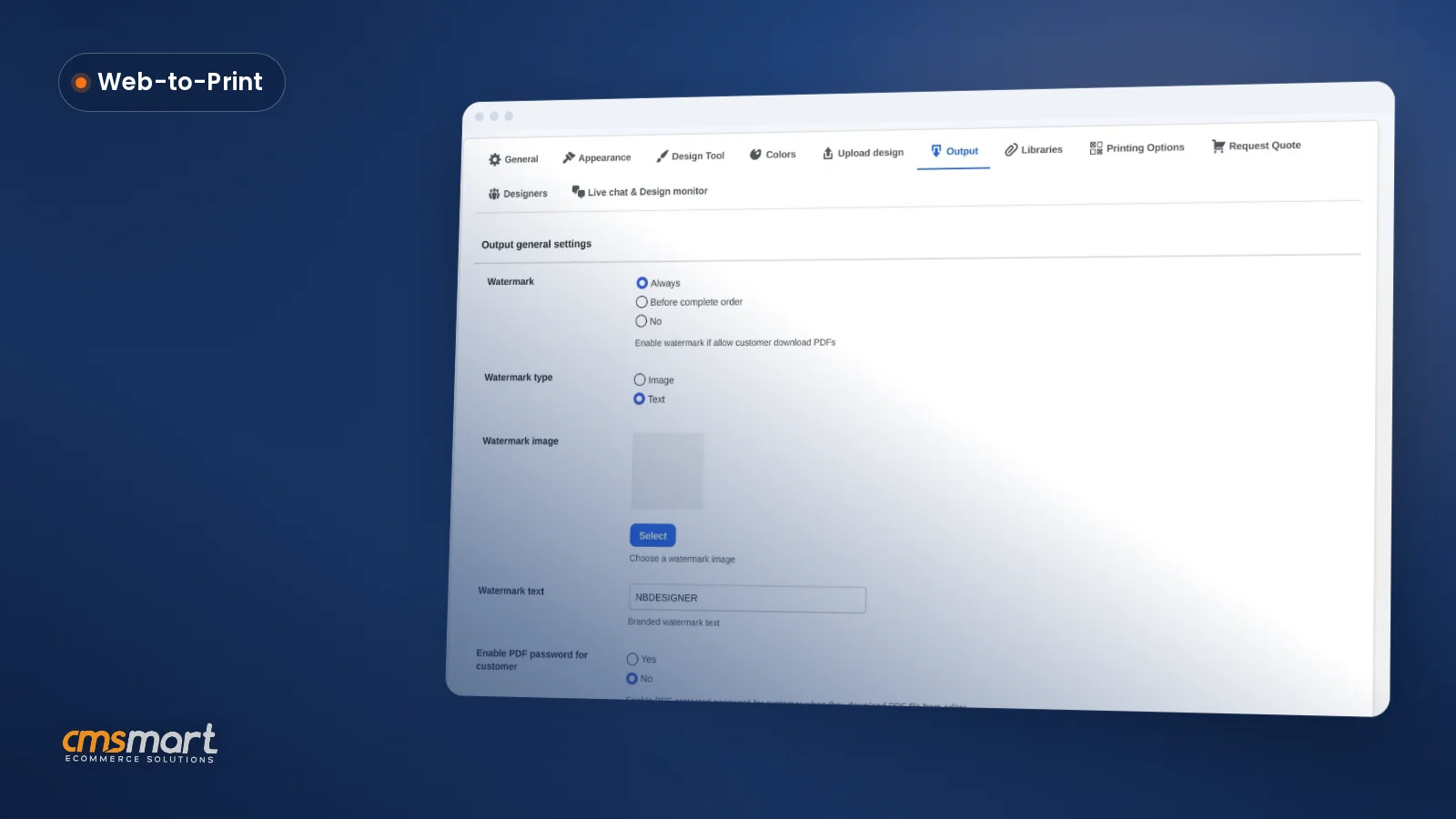
Guide · Web-to-print
Print Ready PDF Output Settings WooCommerce Setup
See what the print ready PDF output settings WooCommerce screen controls — watermark, password, bleed, FTP sync — and configure yours today.
Elevate your eCommerce with tailored digital marketing solutions. Increase visibility, boost sales, and maximize ROI with expert guidance.
Table of contents
Was this tutorial helpful?
Written by
Cmsmart Ecommerce Growth & Trends Analyst
Tracks ecommerce trends and turns them into practical moves for growing stores.
The team behind it
 Account Manager
 Project Manager
 Business Analyst
 Developers & QA
Guide · Web-to-print
See what the print ready PDF output settings WooCommerce screen controls — watermark, password, bleed, FTP sync — and configure yours today.
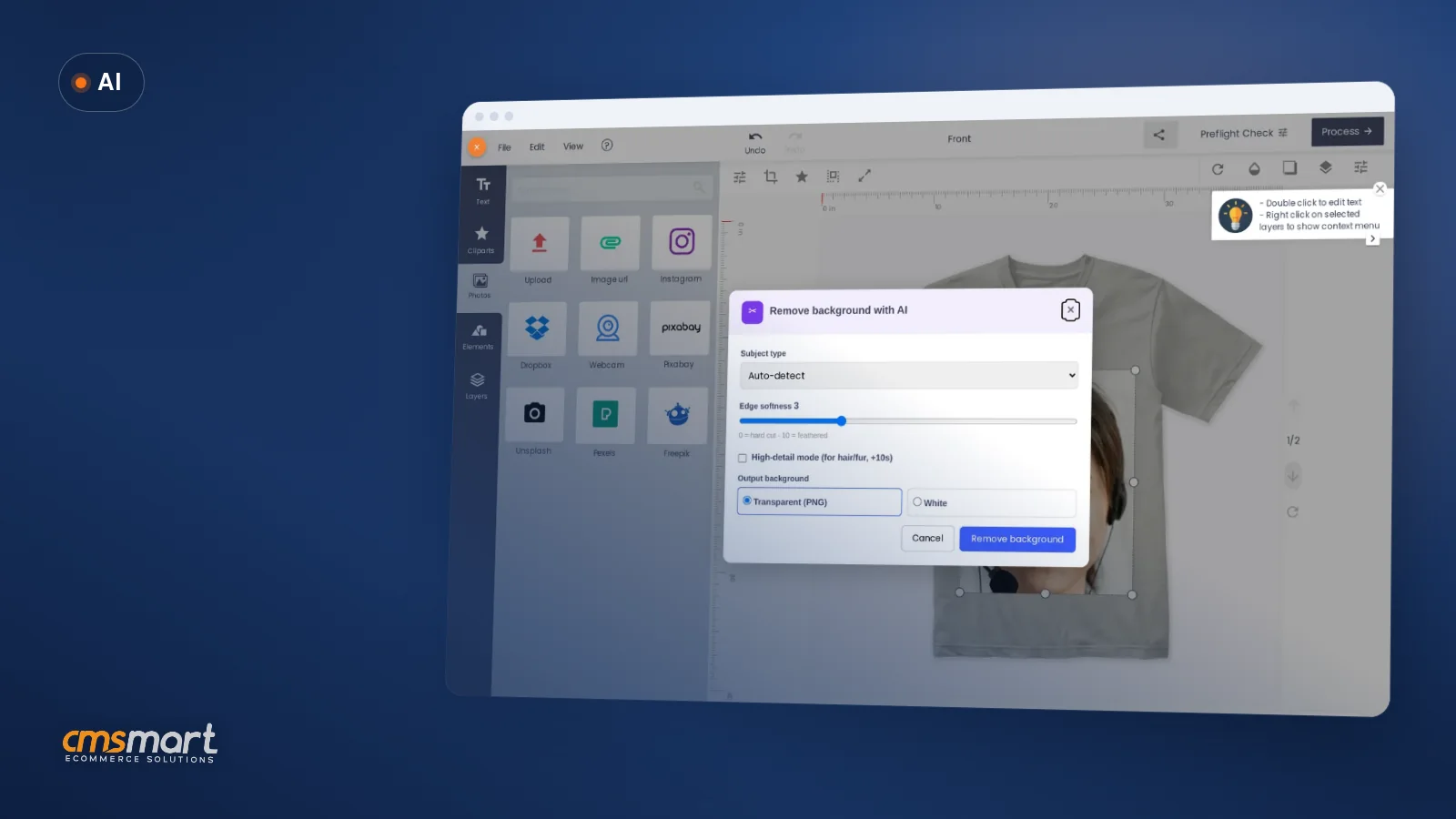
Case study · AI
Add an AI background remover for WooCommerce to your product designer so buyers get a clean cutout instantly, and see how Cmsmart builds the rest for...
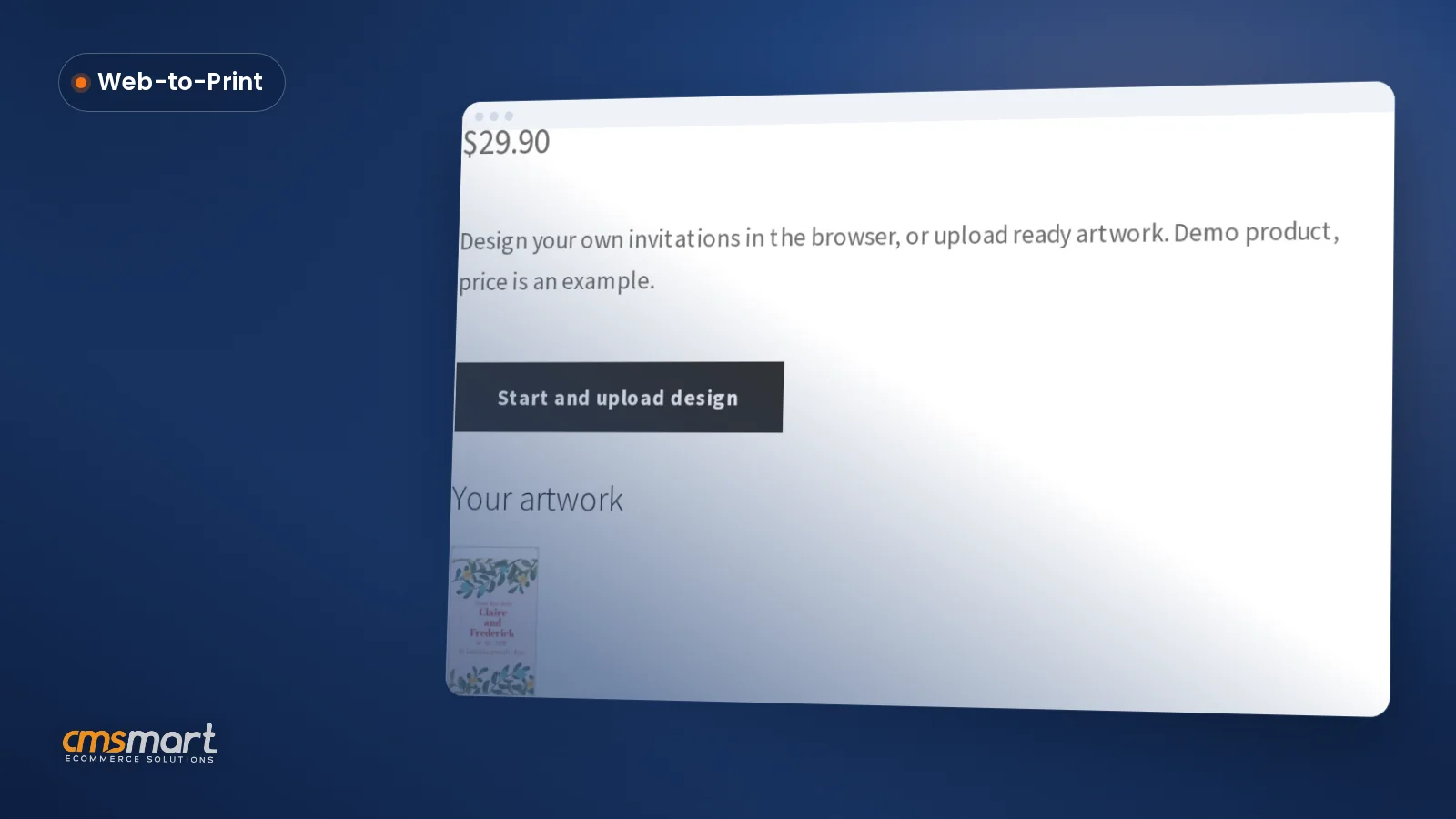
Case study · Web-to-print
Save design and reorder WooCommerce orders in one click, with a fresh print-ready PDF every time. See how Cmsmart builds it.
Browse more guides, tutorials and case studies from the Cmsmart community.
Unlock the Power of Mobile Commerce: Propel Your Business Forward
Read MoreDiscover how to harness mobile commerce to enhance your business growth. Learn strategies for optimizing the mobile shopping experience and increasing consumer engagement.
Read MoreDiscover the benefits of mobile commerce and how it can transform your business. Learn effective strategies for maximizing sales and customer engagement through mobile-optimized shopping experiences.
Read More
Cmsmart Ecommerce provides custom ecommerce and WooCommerce development services for web-to-print, product personalization, plugin support and API integration.
Cmsmart Ecommerce Growth & Trends Analyst
Tracks ecommerce trends and turns them into practical moves for growing stores.
Meet the team →




Did you know that in 2023, global spending on digital marketing is projected to surpass $500 billion? This staggering figure highlights the immense opportunities and fierce competition present in the digital landscape today. Yet, many businesses struggle to navigate this complex world, particularly small and medium-sized enterprises that often lack the resources to make informed marketing decisions. Just ask Fashionista Co. from Australia, a trendy apparel brand facing stagnating growth due to ineffective online strategies. By partnering with Cmsmart, they were able to implement targeted digital marketing campaigns that connected with their audience, leading to a remarkable 40% increase in online sales within just three months. This real-world example demonstrates how expert digital marketing strategies can elevate eCommerce businesses and create impactful results.
As consumer behavior continues to shift towards digital-first interactions, effectively reaching your target audience becomes crucial for success. It’s not just about promoting your products—it's about creating compelling content that resonates with potential buyers across platforms. Our tutorial on Expert Digital Marketing Strategies for eCommerce Growth will answer the fundamental questions of identifying your audience, crafting engaging content, and measuring effectiveness to drive better results. To get started, check out our resource on current digital marketing strategies and discover how you can optimize your eCommerce presence today. In this guide, we’ll walk you through essential steps to elevate your digital marketing efforts and ultimately grow your business.
Unfolding the Realm of Digital Marketing
Imagine harnessing the power of the internet to reach customers worldwide, without the restrictions of traditional marketing mediums.Navigating the landscape of digital marketing can feel overwhelming, especially when adapting to changing consumer behavior across devices or ensuring a seamless multi-platform experience.
Understanding Online Marketing Dynamics
Crafting an Effective Customer Journey
With consumers continuously bombarded by content, standing out is crucial. Here are tips for managing content oversaturation:Optimizing for Multi-Platform Experiences
Ensuring that your marketing efforts translate effectively across different devices is essential. Here are actionable strategies:Navigating Social Media Trends
To tackle the complexities of social advertising, consider these key points:- Tailor your advertising messages based on user demographics.
- Utilize analytics tools to assess campaign performance and refine strategies.
- Engage with your audience through real-time interactions to foster community.
For a deeper dive into essential marketing strategies, check out our guides on Understanding media interactions in digital marketing, Optimizing for multi-platform user experiences, Navigating social media content trends, and Effective strategies for social advertising.In summary: By embracing these insights and strategies, you can effectively address the challenges of digital marketing. Next, we will explore the nuances of optimizing customer interactions across various platforms, which is crucial for maximizing your marketing ROI.
Demystifying Digital Marketing
Adapting to the ever-evolving digital landscape can be challenging for businesses.With shifting consumer behaviors across devices, companies must ensure a smooth experience while tackling content overload in social media and maximizing the potential of social advertising channels.
Defining Digital Marketing in the Information Age
Digital marketing is an umbrella term that encompasses all marketing efforts utilizing electronic devices and the internet. In this information age, businesses must connect with consumers through various digital channels, including websites, social media, and email. As more people engage online, having a robust digital presence is essential for capturing their attention in the crowded marketplace.
From Traditional to Digital: The Evolution of Marketing Practices
Marketing has undergone a profound transformation from traditional methods like print advertising and direct mail to modern strategies leveraging web marketing and online sales. This evolution has brought about:
Vital Concepts: Online Marketing, Web Marketing, and Internet Marketing
Understanding the nuances between online marketing, internet marketing, and web marketing can clarify your strategy. Here are some essential aspects:
Actionable Strategies for Success
To thrive in the digital marketing landscape, consider these actionable strategies:
- Focus on SEO: Optimize your content for search engines to ensure visibility.
- Leverage social media: Share engaging content that resonates with your audience on platforms like Instagram and Facebook.
- Monitor analytics: Regularly assess your data to track consumer engagement and improve strategies.
In summary: Navigating the digital marketing landscape requires a comprehensive understanding of evolving practices, consistent evaluation of strategies, and a commitment to catering to consumer needs. To further enrich your marketing knowledge, explore our sections on Understanding media interactions in digital marketing, Optimizing for multi-platform user experiences, Navigating social media content trends, and Effective strategies for social advertising. Next, let’s dive deeper into the intricacies of optimizing for a seamless multi-platform user experience.Device Usage: The New Normal in Consumer Behavior
Adapting to changing consumer behavior across devices is crucial for any modern business.With the rise of smart devices and the increasing reliance on multiple platforms, companies must ensure they create a seamless experience for users.
The Growing Influence of Smart Devices on Consumer Behavior
Today, smart devices like smartphones, tablets, and laptops play an integral role in the customer journey. According to a report by eMarketer, in 2023, over 86% of consumers use multiple devices throughout their shopping experience. This phenomenon encourages businesses to adopt a more holistic approach to digital marketing, ensuring their messages resonate across all platforms they utilize.How Digital Marketing Caters to Multi-Device Users
The shift to multi-device usage demands that businesses adjust their online marketing strategies. Here are some tactics to consider:Real-Life Examples of Successful Multi-Device Marketing Campaigns
Several companies have successfully implemented multi-device strategies. Consider these examples: - Nike: Leveraged mobile app engagement alongside web promotions, effectively driving sales across platforms. - Sephora: Used personalized emails that integrated seamlessly with their app, enhancing consumer interaction across devices. In summary: The marketing landscape is evolving, and businesses must adapt to multi-platform user experiences for success. By understanding media interactions and optimizing for various devices, organizations can improve their social selling strategies and handle content growth efficiently. Next, let’s dive into strategies for optimizing for multi-platform user experiences that will enhance your digital marketing endeavors.Creating a Smooth Customer Journey Across Platforms
Struggling to create a cohesive brand experience across multiple platforms? You’re not alone.Many businesses grapple with adapting to changing consumer behavior, ensuring their marketing efforts resonate seamlessly across various digital environments, and handling the overwhelming amount of content on social media.
Understanding the Importance of a Seamless Multi-Platform Experience
A seamless multi-platform experience is crucial for guiding consumers through their customer journey. In todays fast-paced digital landscape, consumers use an average of 3.64 devices at once, making it essential for brands to maintain consistency across all channels.
Techniques for Achieving Consistent Branding Across Platforms
To ensure your brand stands out amidst a sea of digital marketing noise, consistency is key. Here are actionable tips for achieving a cohesive brand experience:
Handling Content Over-Saturation in Social Media
With the staggering amount of content being shared every second, its crucial to navigate the noise effectively. Here’s how:
As you prepare to enhance your online marketing efforts, consider how media interactions in digital marketing can further optimize your consumer journey. This seamless integration will help you effectively navigate through content trends and maximize your reach on social media.
In summary: Adapting to a multi-platform environment allows businesses to respond dynamically to consumer behavior. By focusing on a seamless experience and managing content saturation intelligently, you position your brand for sustained engagement—next, let’s dive into optimizing for multi-platform user experiences.Staying Ahead with Social Media Trends
Adapting to the ever-evolving landscape of social media can feel overwhelming for businesses eager to connect with customers.Many brands struggle with changing consumer behavior, content oversaturation, and the need for a cohesive multi-platform experience.
Digital Marketing and the Dynamics of Social Media
Understanding the dynamics of online marketing entails keeping a close eye on how consumers behave across various platforms. Here are some insights:
Exploring Current Social Media Trends
Staying updated on current trends is essential in the realm of Internet marketing. Here’s how to identify and leverage these trends:
Effective Strategies for Navigating and Leveraging Social Media Trends
To effectively utilize social advertising channels, consider these actionable strategies:
For more foundational knowledge, refer to our guides on Understanding media interactions in digital marketing, Optimizing for multi-platform user experiences, and Navigating social media content trends.
In summary: By understanding shifts in consumer behavior through effective strategies, you can position your business to thrive amidst social media trends—next, we’ll dive deeper into optimizing your social advertising for success.Winning the Social Advertising Game
Adapting to the evolving landscape of consumer behavior can be challenging, especially across varying devices and platforms.For many businesses, ensuring an engaging and smooth experience through social advertising channels is critical yet daunting due to fierce competition and content saturation.
Introduction to Social Advertising and Its Impact on Digital Marketing
Social advertising plays a pivotal role in the broader context of online marketing, enabling brands to reach consumers where they are most active. By utilizing platforms like Facebook, Instagram, and Twitter, businesses can engage target demographics effectively. As of 2023, 4.9 billion people are active social media users worldwide, representing an enormous opportunity for brand visibility.
Maximizing ROI with Unique Social Advertising Techniques
Utilizing distinct social advertising techniques can greatly enhance your return on investment (ROI). Here are some actionable tips:
Case Studies of Top-Performing Social Advertising Campaigns
Insights from successful campaigns reveal essential strategies:
Consider these standout campaigns:
- Campaign A: Increased brand engagement by 150% through storytelling in video ads.
- Campaign B: Utilized influencer partnerships to reach wider audiences and achieved sales growth of 200%.
In summary: Winning in the social advertising arena requires innovative thinking and adaptation to consumer behavior. As we transition to the next section, we will delve deeper into understanding media interactions in digital marketing and how to optimize user experiences across multiple platforms for lasting success.Best Practices for Successful Digital Marketing
Are you struggling to keep up with the rapidly changing dynamics of consumer behavior in digital marketing?Businesses today face the challenge of adapting their online marketing strategies to meet the evolving demands of their customers while ensuring a seamless experience across multiple platforms.
Planning Your Digital Marketing Strategy
To create an effective digital marketing plan, consider these actionable steps:Key Steps in Implementing a Digital Marketing Campaign
When launching your digital marketing campaign, follow these steps to ensure success:Efficiently Adapting to Changing Consumer Behavior and Trends
Consumer behavior is constantly evolving due to technological advancements and shifting societal norms. Here are a few strategies to stay ahead:Understanding media interactions in digital marketing and optimizing for multi-platform user experiences can significantly enhance your strategy. Additionally, explore our insights on navigating social media content trends and effective strategies for social advertising to leverage the full potential of your campaigns.
In summary: By employing these best practices, you can create a robust digital marketing strategy that adapts to consumer behavior and stands out in an oversaturated content space. Next, let’s dive into advanced techniques for measuring campaign effectiveness.Future Predictions of Digital Marketing
Struggling to keep up with the evolving landscape of digital marketing? Youre not alone.With rapid changes in consumer behavior and technology, ensuring a seamless multi-platform experience increasingly challenges businesses.
Analyzing Current Trends in Digital Marketing
To effectively navigate the future, it’s essential to understand where digital marketing is currently headed. Pay attention to:Anticipating the Future Of Digital Marketing
As we move forward, embracing agility is crucial. Trends to watch for include: - The growing importance of artificial intelligence in automating customer interactions - An increase in interactive content formats, such as polls and quizzes - The significant impact of augmented reality in product showcasingKeeping Up-To-Date and Future-Proofing Your Digital Marketing Efforts
To ensure your strategy is resilient, consider the following actionable tips:- Subscribe to leading marketing publications and newsletters for the latest trends.
- Attend webinars and conferences focused on emerging digital technologies.
- Engage in continuous learning through online courses to enhance your skills.
- Network with industry peers to share insights and strategies.
In summary: Adapting your digital marketing strategy to the current trends is critical for success in an ever-evolving marketplace. As we progress, make sure to dive deeper into understanding media interactions in digital marketing. Next, let’s explore optimizing for multi-platform user experiences!Frequently Asked Questions
Struggling to navigate the complexities of digital marketing? Youre not alone.Many businesses face challenges in adapting to changing consumer behavior, ensuring a seamless experience across devices, and handling content oversaturation in social media.
Common Questions About Digital Marketing
Here are some frequently asked questions that can help clarify essential aspects of digital marketing:What is Digital Marketing?
Digital marketing encompasses a variety of strategies aimed at reaching consumers through digital channels. It includes online marketing, content marketing, social media engagement, and SEO strategies aimed at enhancing online presence.How Can I Adapt to Changing Consumer Behavior?
To keep up with evolving consumer preferences:Why is Multi-Platform Experience Important?
Its crucial to provide a seamless user experience across platforms because:How Do I Handle Content Oversaturation on Social Media?
To effectively manage the overwhelming volume of content:How Can I Utilize Social Advertising Effectively?
When implementing social advertising:- Target ads based on user demographics and interests.
- Analyze performance metrics to improve future campaigns.
- Integrate customer journey insights to tailor messaging.
In summary: By addressing these common queries, you can navigate the challenges of digital marketing more effectively. For further reading, explore topics such as Understanding media interactions in digital marketing, Optimizing for multi-platform user experiences, Navigating social media content trends, and Effective strategies for social advertising. Each topic aligns with your growth objectives in online marketing and customer engagement strategies.Further Reading
As we conclude our tutorial on elevating your business with expert digital marketing strategies, remember that successfully navigating the vast digital landscape is key to expanding your eCommerce footprint. By identifying your target audience, crafting impactful content, and optimizing your multi-platform presence, you've laid the groundwork for thriving in a competitive market. Don't let the intricacies of digital marketing hold you back—let’s discuss how we can help you implement these strategies effectively. Whether you’re looking for tailored advice or full-scale implementation, I'm here to assist. Reach out to David directly on WhatsApp, or drop an email to [email protected]. Need a customized plan? Request a quotation today, and let’s embark on this transformative journey together!