

Guide · B2B
WooCommerce Amazon Etsy Sync: Stock and Orders
WooCommerce Amazon Etsy sync guide: keep stock and orders right across channels, avoid overselling, and get a custom integration quote.
Discover essential strategies to elevate your Ecommerce business. From creating compelling online stores to leveraging SEO and customer engagement tools, learn how to optimize operations and boost sales effectively.
Table of contents
Was this tutorial helpful?
Written by
Cmsmart B2B Commerce & Operations Consultant
Designs B2B ordering, marketplaces and the operations behind them.
The team behind it
 Account Manager
 Project Manager
 Business Analyst
 Developers & QA
Guide · B2B
WooCommerce Amazon Etsy sync guide: keep stock and orders right across channels, avoid overselling, and get a custom integration quote.
Guide · B2B
Set up a WooCommerce request a quote B2B workflow: price matrix, approval, and one-click conversion to order. Plan yours today.
Guide · B2B
WooCommerce B2B pricing: give wholesale buyers tiered prices, customer groups and account approval. See what the plugin does today and get a custom qu...
Browse more guides, tutorials and case studies from the Cmsmart community.
Unlock the Power of Mobile Commerce: Propel Your Business Forward
Read MoreDiscover how to harness mobile commerce to enhance your business growth. Learn strategies for optimizing the mobile shopping experience and increasing consumer engagement.
Read MoreDiscover the benefits of mobile commerce and how it can transform your business. Learn effective strategies for maximizing sales and customer engagement through mobile-optimized shopping experiences.
Read More
Cmsmart Ecommerce provides custom ecommerce and WooCommerce development services for web-to-print, product personalization, plugin support and API integration.
Cmsmart B2B Commerce & Operations Consultant
Designs B2B ordering, marketplaces and the operations behind them.
Meet the team →
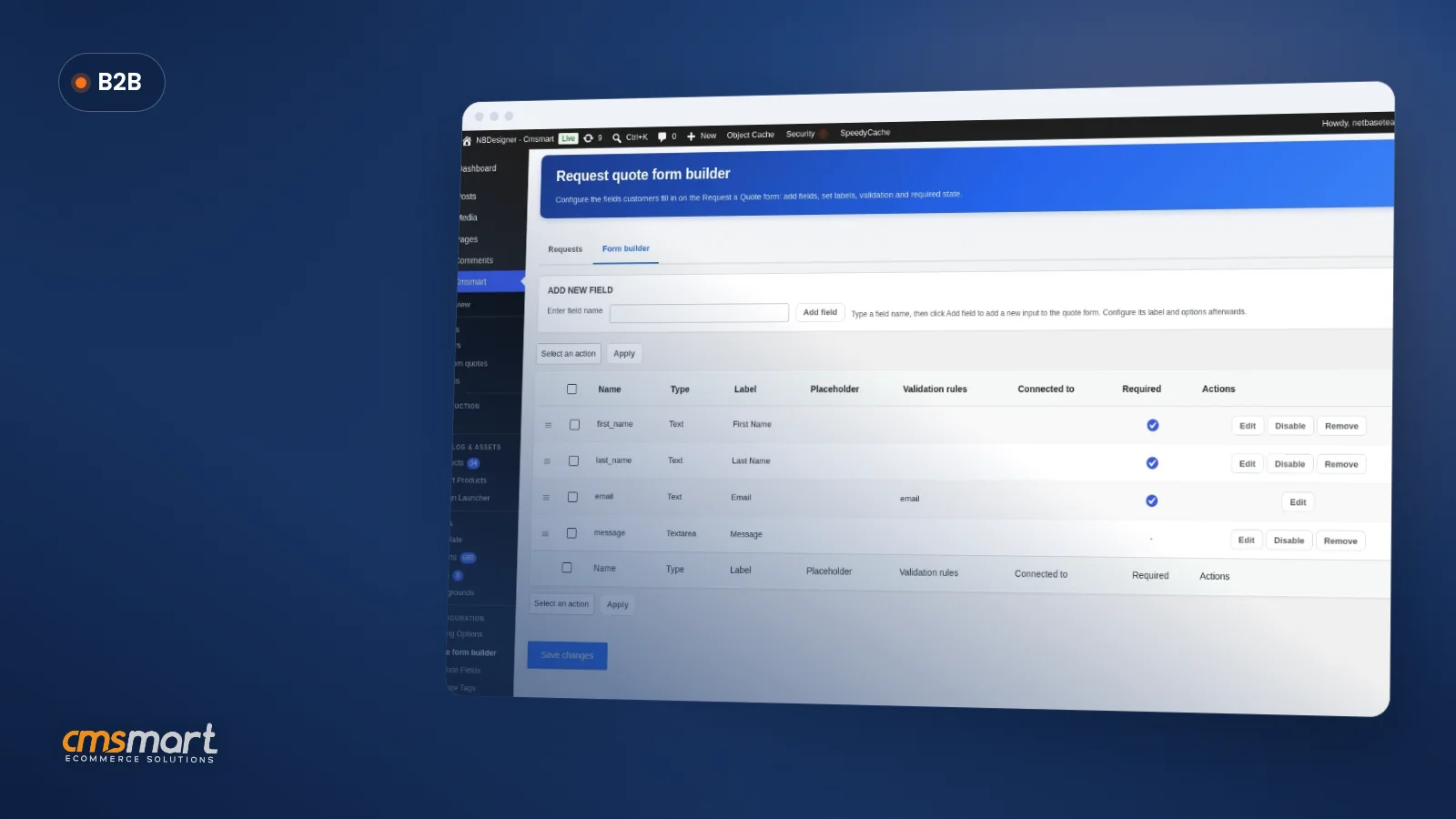
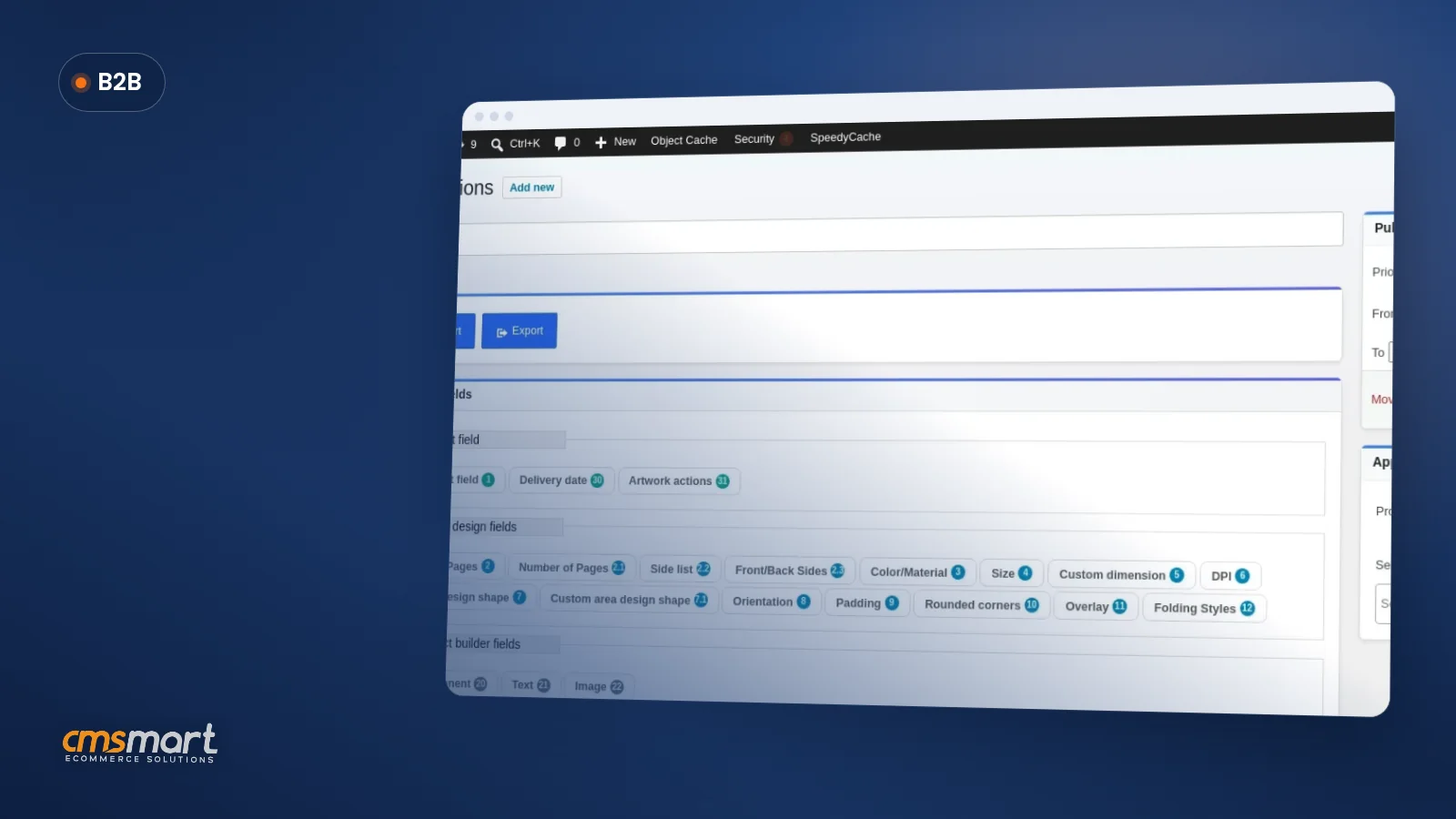


The eCommerce landscape is evolving at an unprecedented pace, with global sales anticipated to soar from $4.28 trillion in 2020 to a staggering $6.39 trillion by 2024, according to Statista. This shift represents not just an opportunity but a revolution for businesses worldwide, enabling them to break free from the shackles of traditional retail limitations. Take, for example, a small artisanal coffee roaster named Bean Bliss based in Germany. Prior to adopting eCommerce solutions, they struggled with local foot traffic and faced significant operational costs. By leveraging Cmsmart's cutting-edge eCommerce strategies, Bean Bliss successfully transitioned to an online platform, expanding their customer base globally. They now enjoy reduced overheads and the ability to analyze customer behavior in real-time, ultimately leading to an impressive increase in sales and brand recognition.
This transformative journey illustrates how eCommerce can unlock untapped potential for small and medium enterprises. With tools at your disposal, you can establish a far-reaching online presence, optimize your marketing efforts, and enhance customer satisfaction. Mastering the art of optimizing customer engagement or understanding how to navigate global markets can position you for lasting success. In this tutorial, we will explore essential strategies to help you harness the power of eCommerce for sustainable growth, drive innovation, and achieve your business goals.
Ecommerce business: A Revolution in Retail
Dependence on local foot traffic and limited real-time insights are significant hurdles for traditional retailers.In a fast-paced digital landscape, physical stores often struggle with high operating costs and slow adaptability to market changes. Fortunately, the Ecommerce boom is transforming the retail sector, paving the way for businesses to thrive in a global, interconnected marketplace.
Imagine a Retail World with Global Reach
Welcome to the era of Ecommerce, where barriers to entry crumble and opportunities for growth flourish. With online shopping, businesses now enjoy:Benefits of Embracing Ecommerce
Customers are not just adopting online shopping; they are embracing a way of life. The transition to digital commerce involves advantages such as:Strategies for Ecommerce Success
To navigate this rapidly evolving realm, here are a few advanced strategies:Integrate Insights with Internal and External Links
For a more profound impact, explore the advantages of ecommerce businesses to understand how to leverage digital commerce effectively. Additionally, consider the impact of ecommerce growth and how it reshapes strategies for success. You may also find value in learning about understanding ecommerce analytics and adapting to market trends in ecommerce. In summary: Ecommerce is reshaping the retail sphere, offering a realm of possibilities for those ready to embrace change. Preparing for the next phase of your ecommerce journey? Let’s dive into next section on optimizing your online store for maximum performance.Grappling with the Basics of Ecommerce Business
Struggling to transition your business from traditional retail to the vast potential of online sales? Youre not alone.Many companies grapple with issues like dependence on local foot traffic, limited real-time insights in traditional retail, high costs associated with physical stores, and a slow adaptability to market changes.
Understanding the Essence of Electronic Commerce
Electronic commerce, or eCommerce, is the buying and selling of goods and services via the internet. This approach not only enhances customer reach but also lowers operational costs by removing the need for physical storefronts. Here are some key advantages:
Ecommerce Business: A Boon in the Digital Economy
With the rise of online shopping, eCommerce has become a pivotal force in the digital economy. Consumers increasingly prefer internet sales over traditional shopping methods, drawn by the convenience and variety this platform offers. This shift not only reflects changing consumer behavior but also highlights the necessity for businesses to embrace digital commerce. How Ecommerce is Transforming Retail and Shaping Consumer Behavior Today
Internet Sales and Ecommerce: The Present and Future of Shopping
Statistics show that over 70% of all retail sales growth comes directly from eCommerce channels. As technology continues to evolve, so too will the strategies businesses employ to capture consumer attention online. Keeping pace with these advancements is crucial for survival in the competitive market. Here are some actionable tips:
- Regularly optimize website loading speed for better customer engagement.
- Implement robust SEO strategies to improve your visibility in search results.
- Utilize social media platforms for targeted promotions and audience engagement.
In summary: Embracing eCommerce is vital in todays landscape, allowing businesses to overcome traditional retails constraints while capitalizing on digital opportunities. For further insights, explore the advantages of ecommerce businesses, the impact of ecommerce growth, and understanding ecommerce analytics. Next, we will discuss how to adapt to market trends in eCommerce and refine your strategies further.Benefits of Ecommerce: Lower Overheads and Beyond
Dependence on local foot traffic can significantly hinder your business growth.Traditional retail often faces challenges such as limited real-time insights, high costs associated with physical stores, and slow adaptability to market changes. Fortunately, eCommerce offers a powerful solution.
How Does Ecommerce Reduce Business Overheads?
With the rise of online shopping, many businesses are transitioning to digital commerce to streamline operations and cut costs. Here are some ways in which eCommerce helps in reducing overheads:Value Addition with Real-Time Insights in Ecommerce
Ecommerce platforms provide invaluable real-time analytics that traditional retailers often lack. This capability allows businesses to make informed decisions based on up-to-date data.Ecommerce Platforms: Powering Targeted Marketing
One of the standout features of eCommerce is the ability to target specific customer segments effectively, something that’s often costly and complex in traditional retail.- Personalized Marketing: Create targeted email campaigns based on customer history.
- Social Media Integration: Utilize social platforms to reach broader audiences without excessive advertising costs.
- SEO Friendly: Optimize your online store for search engines to increase organic traffic.
In summary: The benefits of eCommerce extend far beyond just lower overheads; they include enhanced real-time insights and targeted marketing capabilities. Transitioning to eCommerce can drastically change your business approach and adaptability. In the next section, we will delve into the advantages of eCommerce businesses alongside the impact of eCommerce growth, exploring how understanding eCommerce analytics can empower you in adapting to market trends in eCommerce.Traditional Retail vs Ecommerce: A Comparative Study
Struggling with the limitations of traditional retail? You’re not alone.Many businesses grapple with the challenges of dependence on local foot traffic, limited real-time insights, high costs, and slow adaptability to market changes. This makes it crucial to explore how eCommerce can transform your business.
Traditional Retail vs Ecommerce: A Comparative Study
Moving beyond Local Foot Traffic: The Ecommerce Advantage
The reliance on local foot traffic can severely limit your customer base. In contrast, eCommerce platforms allow you to reach a global audience. By transitioning to online retail, you eliminate geographical constraints and can significantly increase your market reach.The Power of Real-Time Insights in Online Retail
In traditional retail, gathering insights about customer behavior can be slow and cumbersome. However, eCommerce enables you to gather real-time data on customer interactions and preferences. This means quicker, data-driven decisions.Physical Store Expenses: A Woe of the Past with Ecommerce
The operational costs associated with physical stores—rent, utilities, maintenance—can be burdensome. E-commerce eliminates many of these expenses, allowing for reinvestment into growth strategies.- Reduce overhead costs significantly.
- Utilize dropshipping methods to minimize inventory expenses.
- Optimize marketing budgets with better ROI tracking in digital channels.
Customer Quote: In summary: The shift from traditional retail to eCommerce presents significant advantages—from increased market reach to cost savings. Understanding these benefits can position your business for future growth. Next, let’s delve deeper into the advantages of ecommerce businesses and explore how to adapt to evolving market trends effectively.Leveraging Ecommerce for Global Audience Reach
Struggling with limited local reach and high physical retail costs? Youre not alone.Many businesses find themselves relying heavily on foot traffic and facing challenges in adapting to dynamic market demands.
Effectively Reaching a Global Audience through Ecommerce
In today’s digital economy, leveraging eCommerce is crucial for online retail success. The transition from local stores to digital commerce helps brands gain exposure to a global audience. Here’s how to tap into this potential:
Expanding an Online Retail Business in the Digital Economy
Diving into the realm of internet sales means understanding the nuances of expanding your reach while maintaining strong customer engagement. Here are actionable tips to accelerate your growth:
Strategies for Global Audience Engagements in Ecommerce
Engagement is fundamental to eCommerce success. Here are some strategies to keep your audience invested:
By adopting these strategies and focusing on a global market, you can effectively remove the pain points of traditional retail, such as high operating costs and limited adaptability.
In summary: Expanding your online presence through eCommerce fosters global reach and customer engagement. Dive deeper into the advantages of ecommerce businesses or explore the impact of ecommerce growth as we navigate the next section on understanding ecommerce analytics and adapting to market trends in ecommerce.Embracing Market Changes with Ecommerce
Struggling to adapt to the fast-paced changes in the market? You’re not alone.Many businesses face the pain points of dependence on local foot traffic, limited real-time insights in traditional retail, high costs associated with physical stores, and slow adaptability to market changes.
Mastering the Art of Adaptability in Ecommerce
Navigating Market Trends in the Digital Commerce Sphere
To effectively navigate market trends, consider the following strategies:Case Studies: Businesses Flourishing with Ecommerce Adaptability
Consider companies that have successfully adapted their business models in times of change: For additional case studies, unlocking success with an ecommerce strategy and discover how data-driven decisions can impose great effects.In summary: Embracing market changes through adaptability is vital for success in the digital economy. By leveraging ecommerce tools and strategies, businesses can flourish in an ever-evolving retail landscape. Next, let’s delve deeper into the advantages of ecommerce businesses and how they can strategically position themselves for growth.
Optimizing Your Ecommerce Metrics for Success
Are you struggling to navigate the complexities of e-commerce metrics? Youre not alone.Many businesses face significant challenges, such as dependence on local foot traffic, limited real-time insights in traditional retail, high costs associated with physical stores, and slow adaptability to market changes.
How Real-time Insights Boost Ecommerce Success
In the world of digital commerce, having real-time insights can be a game-changer. Leveraging these insights helps you make informed decisions that can drive sales and enhance customer experience.Effective Strategies for Ecommerce Metrics Optimization
To reduce overheads and maximize profits, consider these actionable strategies:Practical Tips to Lower Overheads with Ecommerce
Lowering your e-commerce overheads can significantly improve your profit margins. Here’s how:- Negotiate better rates with suppliers and shipping partners.
- Utilize dropshipping models to reduce inventory costs.
- Leverage social media advertising for cost-effective reach.
In summary: By harnessing real-time insights and optimizing e-commerce metrics, you can position your business for success in the digital economy. As we move forward, lets explore the advantages of e-commerce businesses, the impact of e-commerce growth, and delve deeper into the understanding of e-commerce analytics. Together, these resources will empower you to adapt to market trends and maximize your online retail potential.Future Directions in Ecommerce Business
Are you struggling to keep pace with the ever-evolving world of eCommerce? You’re not alone.Many businesses face challenges like dependence on local foot traffic, limited real-time insights in traditional retail, high costs associated with physical stores, and slow adaptability to market changes.
Predicting Future Trends in Electronic Commerce
Preparing Your Ecommerce Business for Future Shifts
To stay ahead in the digital economy, businesses should focus on adaptability and exploring new technologies. Here are some tips to prepare your eCommerce strategy for future challenges:Case Studies: Pioneering Businesses Innovating Ecommerce Strategies
Consider retailers like Warby Parker, who turned the industry on its head by offering virtual try-on features, significantly boosting their customer engagement and sales. This strategic innovation allows customers to visualize products before purchasing, bridging the gap between physical and digital shopping. In summary: Adapting to the future of electronic commerce involves understanding trends, preparing your business for shifts, and learning from successful case studies. By leveraging the advantages of eCommerce businesses, understanding ecommerce analytics, and adapting to market trends, you can position your venture for success. Next, let’s uncover the impact of eCommerce growth on consumer behavior and market dynamics.Frequently Asked Questions
Are you struggling to convert foot traffic into online sales? You’re not alone.Many business owners face challenges like dependence on local foot traffic, high costs of maintaining physical stores, and limited real-time insights in traditional retail. As the digital economy continues to expand, understanding the dynamics of e-commerce becomes essential for survival and growth.
Common Questions About E-commerce Business
What is e-commerce, and how does it work?
E-commerce, or electronic commerce, refers to buying and selling goods and services over the Internet. It works through various online platforms that provide a marketplace for businesses and consumers to interact without the constraints of traditional retail.
Why should I start an online store?
What are the most popular e-commerce platforms?
Several robust e-commerce platforms dominate the market, including:
How can I increase online sales?
What are common challenges in running an online store?
eCommerce businesses often encounter:
How can I understand e-commerce analytics?
Understanding e-commerce analytics involves tracking various metrics such as:
For a detailed guide, check our resources on understanding eCommerce analytics.
In summary: Questions about e-commerce reveal the transformative potential of the digital economy. By addressing these common queries, you can better position your business for growth and adapt to market trends. Ready to dive deeper? Next, let’s explore the advantages of eCommerce businesses and how to leverage them for success.FAQ Section: Troubleshooting and Pro Tips
How can I improve local foot traffic to my eCommerce store?
Utilize targeted marketing and local SEO strategies to attract nearby customers.
What are the benefits of online retail over traditional stores?
Online retail reduces overhead costs and enables round-the-clock sales without geographic limitations.
How do I gain real-time insights into my customer behavior?
Implement analytics tools to track visitor behavior, conversions, and sales patterns in real-time.
What are the hidden costs of maintaining a physical store?
Physical stores incur costs like rent, utilities, staffing, and maintenance, which can add up quickly.
How can my business adapt quickly to market changes?
Utilize flexible eCommerce tools and platforms that allow for quick updates and changes as market demands shift.
What strategies can help reduce cart abandonment rates?
Streamline the checkout process and offer incentives such as discounts for first-time buyers.
How can online business leverage social media for growth?
Engage customers through targeted campaigns and promotions on social platforms to drive traffic and sales.
Further Reading
As we conclude this tutorial, remember that embracing ecommerce isn't just about keeping up; it's a powerful strategy to elevate your business in today's dynamic market. By capitalizing on global reach, real-time analytics, and precision marketing, you're positioning your brand for sustainable growth. Now, let's turn insights into action! If you're ready to transform your ecommerce vision into reality or need personalized assistance, don’t hesitate to reach out. Contact David, our CEO, on WhatsApp at this link or email our expert Ecommerce Project Consultant at [email protected]. You can also request a quotation to explore how we can help implement these strategies for your business. Let’s make your ecommerce journey a success together!