

Guide · B2B
WooCommerce Amazon Etsy Sync: Stock and Orders
WooCommerce Amazon Etsy sync guide: keep stock and orders right across channels, avoid overselling, and get a custom integration quote.
Integrate pricing with inventory management to enhance profits and streamline operations.
Table of contents
Was this tutorial helpful?
Written by
Cmsmart B2B Commerce & Operations Consultant
Designs B2B ordering, marketplaces and the operations behind them.
The team behind it
 Account Manager
 Project Manager
 Business Analyst
 Developers & QA
Guide · B2B
WooCommerce Amazon Etsy sync guide: keep stock and orders right across channels, avoid overselling, and get a custom integration quote.
Guide · B2B
Set up a WooCommerce request a quote B2B workflow: price matrix, approval, and one-click conversion to order. Plan yours today.
Guide · B2B
WooCommerce B2B pricing: give wholesale buyers tiered prices, customer groups and account approval. See what the plugin does today and get a custom qu...
Browse more guides, tutorials and case studies from the Cmsmart community.
Unlock the Power of Mobile Commerce: Propel Your Business Forward
Read MoreDiscover how to harness mobile commerce to enhance your business growth. Learn strategies for optimizing the mobile shopping experience and increasing consumer engagement.
Read MoreDiscover the benefits of mobile commerce and how it can transform your business. Learn effective strategies for maximizing sales and customer engagement through mobile-optimized shopping experiences.
Read More
Cmsmart Ecommerce provides custom ecommerce and WooCommerce development services for web-to-print, product personalization, plugin support and API integration.
Cmsmart B2B Commerce & Operations Consultant
Designs B2B ordering, marketplaces and the operations behind them.
Meet the team →
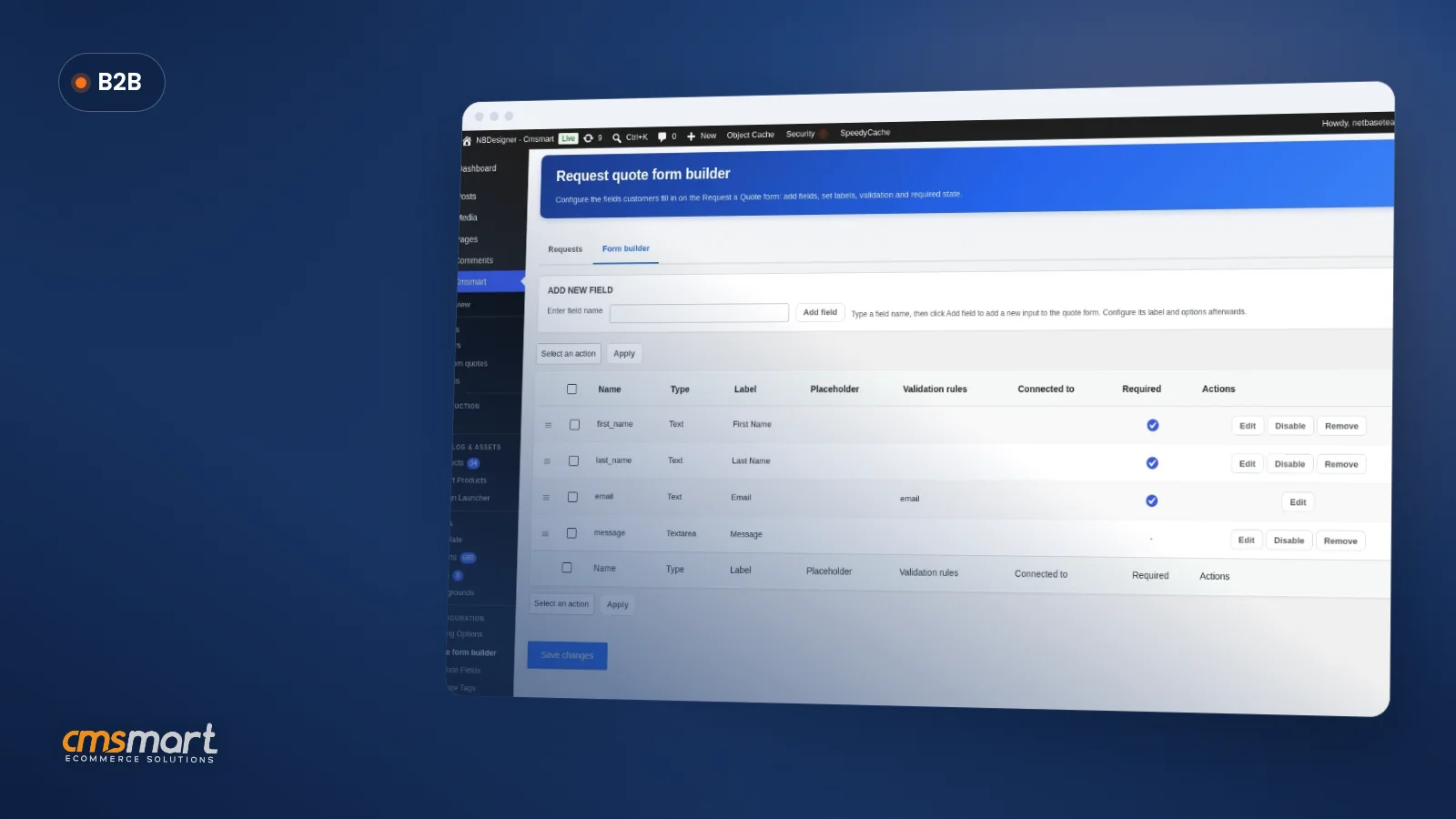
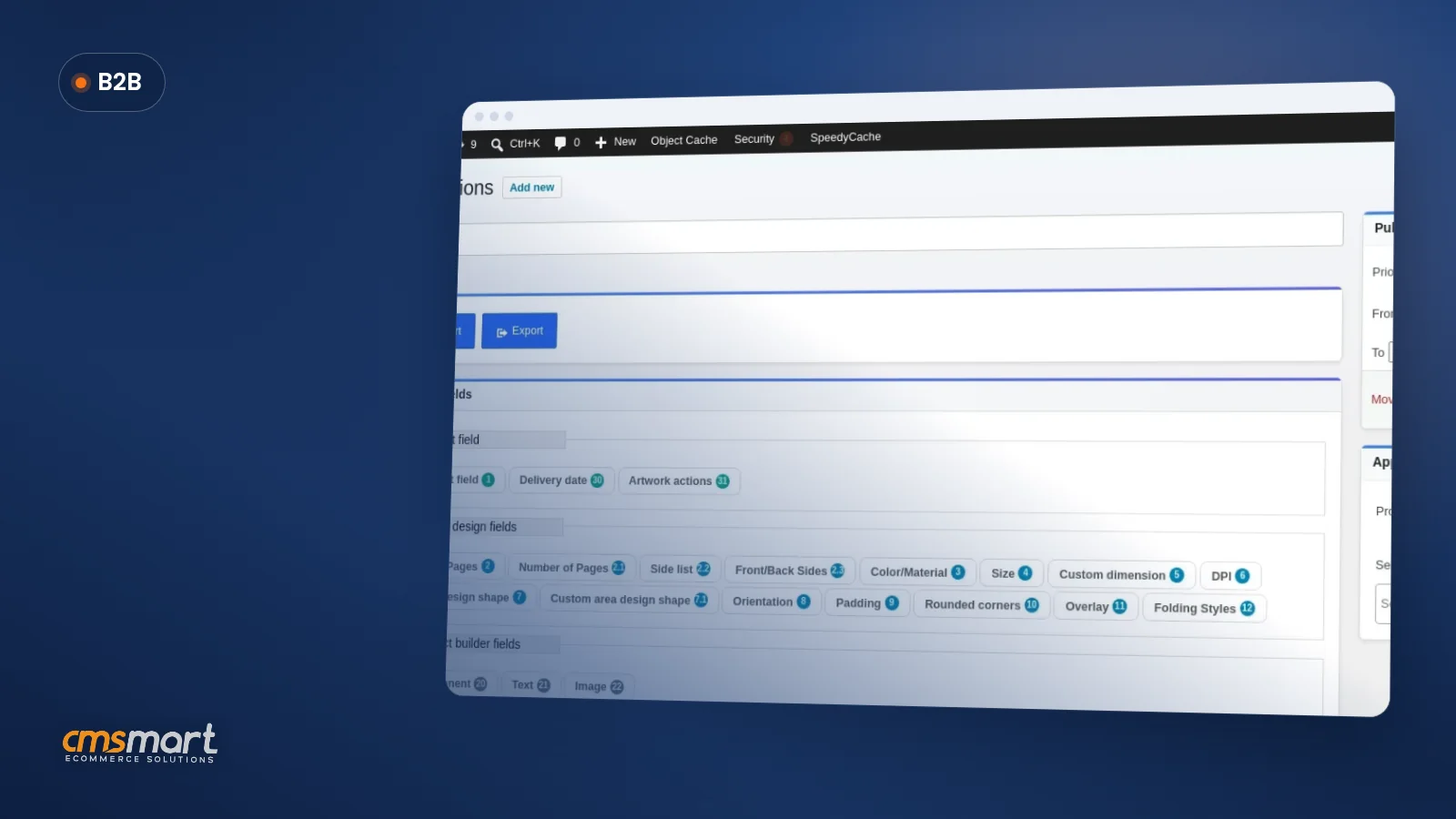


In a market where over 30% of retailers report struggling with unsold goods, the ability to connect pricing strategies with inventory management has never been more critical. Consider the case of GlobalGadgets, a small but thriving eCommerce store based in Australia that specializes in tech accessories. After facing a 25% decline in cash flow due to stagnant inventory, they turned to Cmsmart's smart solutions. By implementing integrated pricing with real-time inventory management, they not only optimized their stock levels but also aligned their pricing strategies with actual customer demand, leading to a remarkable recovery and a 30% surge in profits within six months.
This strategic approach is essential as research indicates that retailers who make data-driven adjustments can boost their profits by up to 20%. In this tutorial, we will explore actionable strategies that can help your eCommerce business achieve the ideal balance between pricing and inventory management, creating a leaner operation that effectively meets customer needs and drives growth. If you're eager to unlock more in-depth insights, check out our articles on efficient supply chain management and effective inventory management software solutions. In this guide, you'll discover how to maximize profits by smartly connecting pricing with inventory management!
Building a Profitable Connection
Major inventory glut in the retail sector, Missed cash flow opportunities due to unsold goodsRetailers today face significant challenges due to unsold goods and overstocking. Effective pricing and inventory optimization is crucial for enhancing business outcomes and cash flow. By aligning pricing strategies with inventory systems, businesses can move towards leaner operations, reduce overstock challenges, and avoid stockouts that impact sales and customer satisfaction.
Optimize Your Pricing and Inventory Strategy
Actionable Tips for Inventory Management
- Integrate sophisticated inventory systems that provide real-time updates and alerts.
- Adopt a multi-channel sales approach to reach wider audiences and improve inventory turnover.sales strategies to improve inventory turnover
Expert Perspective:Internal and External Linking for In-Depth Learning
To dive deeper into strategic connections, explore how to connect pricing strategies with inventory systems, and find comprehensive strategies to optimize business outcomes through inventory management. In summary: By optimizing your pricing and inventory management, your business can mitigate the risk of unsold goods and improve financial performance. Up next, we’ll explore the implementation of technology solutions that complement these strategies and further streamline operations.Understanding the Link Between Pricing and Inventory Management
Major inventory glut in the retail sector poses a critical challenge.Missed cash flow opportunities due to unsold goods and the ongoing issue of stockouts affecting sales and customer satisfaction highlight the pressing need for leaner inventory operations in todays market.
The Definition of Inventory Management and Pricing Strategy
Inventory management involves overseeing the supply, storage, and accessibility of inventory to ensure that the right products are available at the right time. A pricing strategy is a companys approach to setting prices for its products. These strategies are designed to maximize profit while considering the market demand and production costs.
The Importance of These Strategies in Todays Retail Environment
Effective inventory and pricing strategies are crucial in the fast-paced retail environment. They help retailers manage stock levels, reduce overstocking, and optimize cash flow. By aligning pricing with inventory levels, businesses can enhance profitability and customer satisfaction.
Examining the Interplay Between the Two
Theres a dynamic relationship between inventory management and pricing strategy. By employing strategic pricing based on inventory levels, businesses can better manage cash flow and reduce the risks associated with overstocking or stockouts.
- Synchronize inventory systems with pricing adjustments to respond swiftly to market changes.
- Use data analytics to forecast demand and set competitive prices.strategies for business optimization
- Integrate your e-commerce platforms to streamline operations and enhance visibility across all channels.
In summary: A well-orchestrated inventory and pricing strategy is crucial. Its not only about having products in stock but also pricing them right to attract and retain customers. For more detailed strategies, explore our guide on how to connect pricing strategies with inventory systems. Next, we delve into ways to optimize business outcomes through strategic inventory management.Unwrapping the $740 Billion Inventory Hoarding Dilemma
Major inventory glut in the retail sector, Missed cash flow opportunities due to unsold goods, Challenges of overstocking and storage, Need for leaner inventory operations, Ongoing issue of stockouts affecting sales and customer satisfaction
Exploring the Impact of Unsold Inventory on Retailers
Retailers often face the dilemma of managing large volumes of unsold inventory, leading to severe financial repercussions. The unsold goods tie up capital, potentially costing the retail sector billions of dollars annually. The implications are not just financial but also operational, as storage costs rise alongside the risk of obsolescence. Inventory management practices are critical for avoiding these pitfalls and improving cash flow.
Potential Causes of Inventory Hoarding and Its Ramifications
Several factors contribute to inventory hoarding, including inaccurate demand forecasting and inefficient supply chain coordination. These inefficiencies result in overstock situations, which are rife with challenges. Excess inventory leads to increased holding costs and environmental waste, not to mention the opportunity costs associated with unsold goods clogging storage facilities.
Strategies to Minimize Inventory Gluts
Businesses must adopt proactive inventory management strategies to minimize gluts. This involves streamlining operations and integrating systems that provide visibility and control over inventory levels. By aligning inventory with pricing strategies, businesses can optimize operations to improve outcomes and reduce overstocking risks .optimizing operations
In summary: Tackling inventory hoarding requires a multifaceted approach involving precise demand forecasting, strategic pricing, and innovative inventory management systems. By embedding these strategies, retailers can significantly improve their financial health. Next, we will delve into how integrating inventory management systems can further enhance business outcomes.
Turning Stockouts into Opportunities
Struggling with stockouts and missed sales opportunities? You’re not alone.Retailers frequently face the challenge of stock shortages, which disrupt cash flow, hinder sales, and negatively impact customer satisfaction.
Understanding the Detrimental Effects of Stockouts on Sales and Customer Satisfaction
Stockouts occur more often than businesses want, leading to a frustrating experience for both the retailer and customers. Here are some core impacts:
How Real-Time Inventory Management Can Reduce Stockouts
Implementing real-time inventory systems can significantly lower the incidence of stockouts:
Case Studies: Successful Stockout Management
Here are insights from businesses that turned stockout challenges into growth opportunities:
In summary: Transforming stockouts into a strategic advantage not only recaptures lost sales but also strengthens overall business resilience.For comprehensive strategies to connect pricing strategies with inventory systems, read more about how to reduce overstocking and improve cash flow. Transition smoothly to the next section and explore advanced techniques on how to connect pricing strategies with inventory systems to optimize business outcomes.
Integrating Pricing Strategies and Inventory Systems for Business Optimization
Facing a major inventory glut or missed cash flow opportunities due to unsold goods?The ongoing challenges of overstocking and storage, coupled with issues of stockouts affecting sales and customer satisfaction, emphasize the need for leaner inventory operations. Optimizing your inventory and pricing strategies can significantly enhance business outcomes and streamline operations.
The Role of Pricing in Inventory Management
Effective pricing strategies are crucial in managing your inventory levels efficiently. By adjusting prices in response to inventory status, businesses can better manage stock turnover, enhance cash flow, and minimize storage costs.
How to Incorporate Strategic Pricing into Inventory Operations
Integrating strategic pricing into your inventory management involves setting price guidelines that align with inventory availability and customer demand patterns.
Impact of Pricing and Inventory Optimization on Business Outcomes
Optimizing pricing and inventory together not only reduces unnecessary stock but also capitalizes on opportunities for increased sales and customer satisfaction. This integrated approach fosters a proactive rather than reactive business mindset.optimizing business outcomes
For comprehensive strategies on how to connect pricing strategies with inventory systems and optimize business outcomes through inventory management, see our detailed guides on optimizing pricing strategies and enhanced inventory management systems.
In conclusion: Streamlining your inventory and pricing operations can facilitate significant improvements in business efficiency and customer satisfaction. Next, let’s dive into advanced techniques to reduce overstocking and improve cash flow through strategic inventory analysis.The Path out of Overstocking: Leaner Inventory Operations
Facing a major inventory glut in your retail operations? You’re not alone.Missed cash flow opportunities due to unsold goods, the ongoing issue of stockouts impacting sales, and the challenges of overstocking clutter your business operations, underscoring a pressing need for leaner inventory management.
The Challenges of Overstocking and Their Solutions
Overstocking can lead to exhausted cash reserves and increased holding costs, which ultimately threaten the financial health of your business. To combat this:
Techniques for Achieving Leaner, More Efficient Inventory Operations
Streamlining inventory operations demands a strategic approach that leverages technology and best practices:
The Benefits of Reducing Overstocking on Cash Flow
Reducing overstock not only liberates capital but also improves your return on investment through more strategic allocation of resources:
In summary: Streamlining your inventory operations ensures your business remains agile and financially robust, setting the stage for the next section on optimizing business outcomes through inventory management.
Foreseeing the Future of Inventory Management and Pricing Strategy
Major inventory glut in the retail sector, Missed cash flow opportunities due to unsold goods, Challenges of overstocking and storage, Need for leaner inventory operations, Ongoing issue of stockouts affecting sales and customer satisfactionRetailers today grapple with the combined challenges of managing inventory efficiently while optimizing pricing strategies to maximize cash flow and customer satisfaction. As the retail landscape continues to evolve, so must the strategies we employ to maintain a lean and effective inventory system.
Current Trends in Inventory Management: From Hoarding to Just-in-Time
Predicted Future Trends
The future of inventory management points toward more integrated systems where pricing and inventory optimization work hand-in-hand. As retailers forecast demand more accurately, they have the opportunity to align their pricing strategies dynamically, ensuring competitiveness.
How Retailers Can Stay Ahead of the Curve
To stay competitive, retailers need to integrate innovative strategies into their operations.
Internal linking to how to connect pricing strategies with inventory systems, optimize business outcomes through inventory management, reduce overstocking and improve cash flow.enhance e-commerce performance
In summary: Aligning inventory management with strategic pricing not only resolves immediate supply chain challenges but positions retailers for sustained success. Next, we will delve deeper into effectively managing supply chain risks in an unpredictable market.Frequently Asked Questions
Facing a major inventory glut in the retail sector? Youre not alone. Many retailers are grappling with missed cash flow opportunities and the persistent challenges of overstocking and storage. This ongoing issue of stockouts affects sales and customer satisfaction, underscoring the need for leaner inventory operations. Lets dive into strategies to optimize your inventory management and pricing connection for better business outcomes.Answering Common Questions About Inventory Management and Pricing Connection
Understanding how pricing strategies align with inventory systems is crucial for any business aiming for optimization. By effectively connecting these two areas, you can significantly enhance your operational efficiency, reduce overstocking, and improve cash flow.Actionable Tips for Better Integration
- Implement integrated software solutions that combine inventory management with pricing adjustments in real-time.
- Leverage machine learning algorithms to predict product demand and set optimal pricing.
- Develop a feedback loop from sales data to continually refine inventory levels and pricing strategies.
For more insights on optimizing business outcomes through inventory management, be sure to see our comprehensive articles on how to connect pricing strategies with inventory systems and effectively reduce overstocking. These practices are pivotal in achieving a seamless balance between supply and demand, ultimately improving your bottom line and enhancing customer satisfaction. In summary: By strategically linking your pricing and inventory management processes, you pave the way for enhanced efficiency and profitability. In the next section, well explore advanced insights into how to optimize business outcomes through inventory management and pricing strategies.FAQ Section: Troubleshooting and Pro Tips
How does pricing impact inventory management in retail?
Adjusting prices based on market trends can help balance inventory levels to avoid overstocking.
What challenges does an inventory glut present?
Excess inventory can lead to increased storage costs and reduced cash flow due to unsold goods.
How can overstocking affect cash flow?
Holding onto unsold goods ties up capital that could be otherwise invested in business growth.
Why is lean inventory management essential?
A lean approach minimizes waste and ensures capital is efficiently utilized across operations.
What are the consequences of stockouts?
Stockouts lead to missed sales opportunities and can negatively affect customer satisfaction.
Why is it crucial to streamline inventory operations?
Efficient operations reduce costs and enhance responsiveness to market demand changes.
How do unsold goods impact business opportunities?
Unsold goods can lead to missed cash flow opportunities, affecting overall financial health.
Further Reading
As we conclude this tutorial on maximizing profits by strategically connecting pricing with inventory management, remember this vital takeaway: a well-aligned pricing strategy with your inventory can significantly enhance your cash flow and operational efficiency. By intelligently analyzing demand patterns and adopting dynamic pricing models, you're setting your business up for success. Don’t let unsold goods hinder your growth. Now is the time to act and streamline your operations!
If you're ready to transform your business and implement these strategies effectively, let’s connect. Reach out to David, our CEO, on WhatsApp for expert insights or email our Ecommerce Project Consultant for personalized guidance. For more detailed assessment, request a quotation. Together, we can elevate your eCommerce success and seize those missed cash flow opportunities!