

Guide · B2B
WooCommerce Amazon Etsy Sync: Stock and Orders
WooCommerce Amazon Etsy sync guide: keep stock and orders right across channels, avoid overselling, and get a custom integration quote.
Empower your business with self-service solutions for eCommerce, enhancing customer support and reducing costs.
Table of contents
Was this tutorial helpful?
Written by
Cmsmart B2B Commerce & Operations Consultant
Designs B2B ordering, marketplaces and the operations behind them.
The team behind it
 Account Manager
 Project Manager
 Business Analyst
 Developers & QA
Guide · B2B
WooCommerce Amazon Etsy sync guide: keep stock and orders right across channels, avoid overselling, and get a custom integration quote.
Guide · B2B
Set up a WooCommerce request a quote B2B workflow: price matrix, approval, and one-click conversion to order. Plan yours today.
Guide · B2B
WooCommerce B2B pricing: give wholesale buyers tiered prices, customer groups and account approval. See what the plugin does today and get a custom qu...
Browse more guides, tutorials and case studies from the Cmsmart community.
Unlock the Power of Mobile Commerce: Propel Your Business Forward
Read MoreDiscover how to harness mobile commerce to enhance your business growth. Learn strategies for optimizing the mobile shopping experience and increasing consumer engagement.
Read MoreDiscover the benefits of mobile commerce and how it can transform your business. Learn effective strategies for maximizing sales and customer engagement through mobile-optimized shopping experiences.
Read More
Cmsmart Ecommerce provides custom ecommerce and WooCommerce development services for web-to-print, product personalization, plugin support and API integration.
Cmsmart B2B Commerce & Operations Consultant
Designs B2B ordering, marketplaces and the operations behind them.
Meet the team →
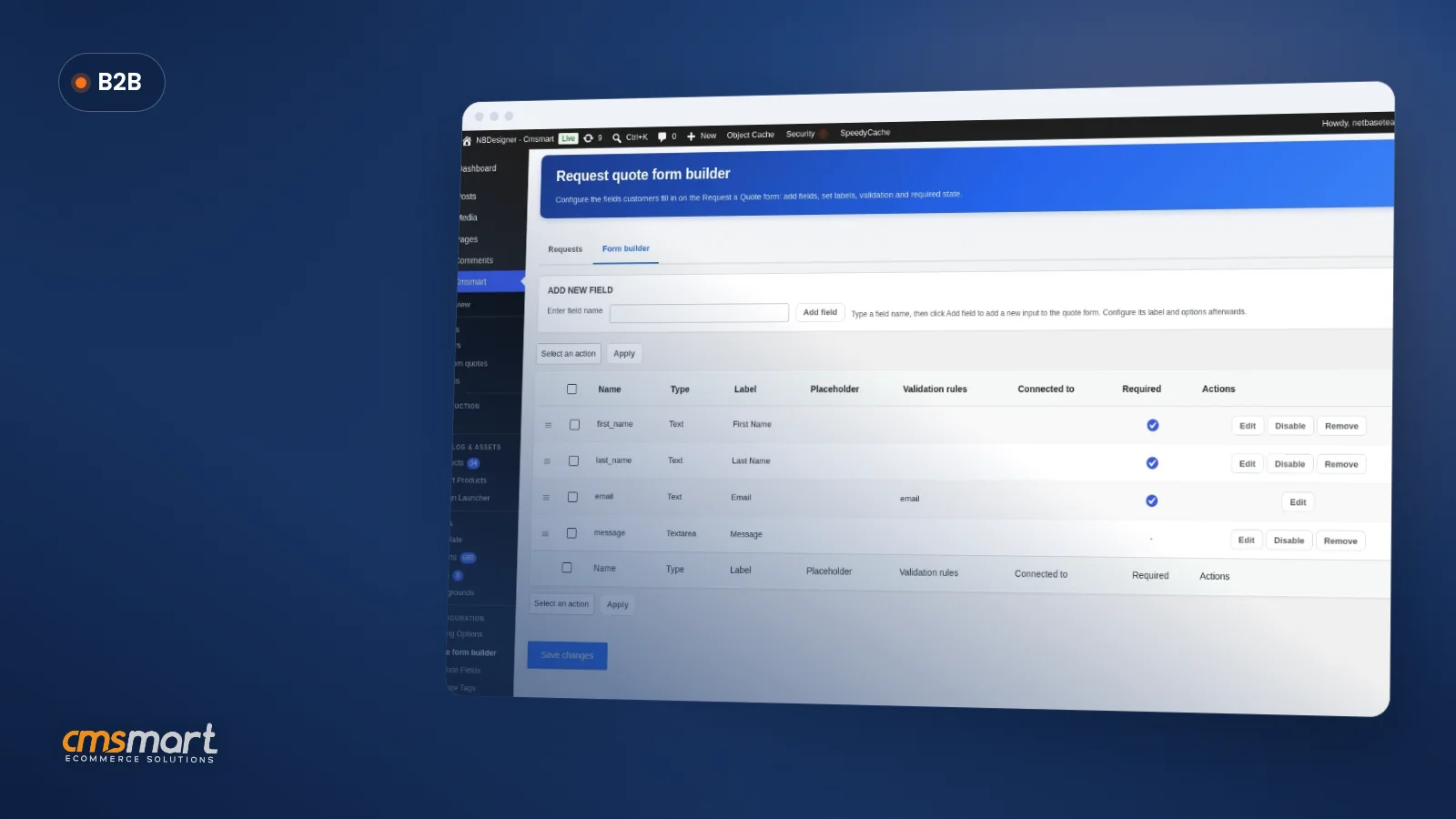
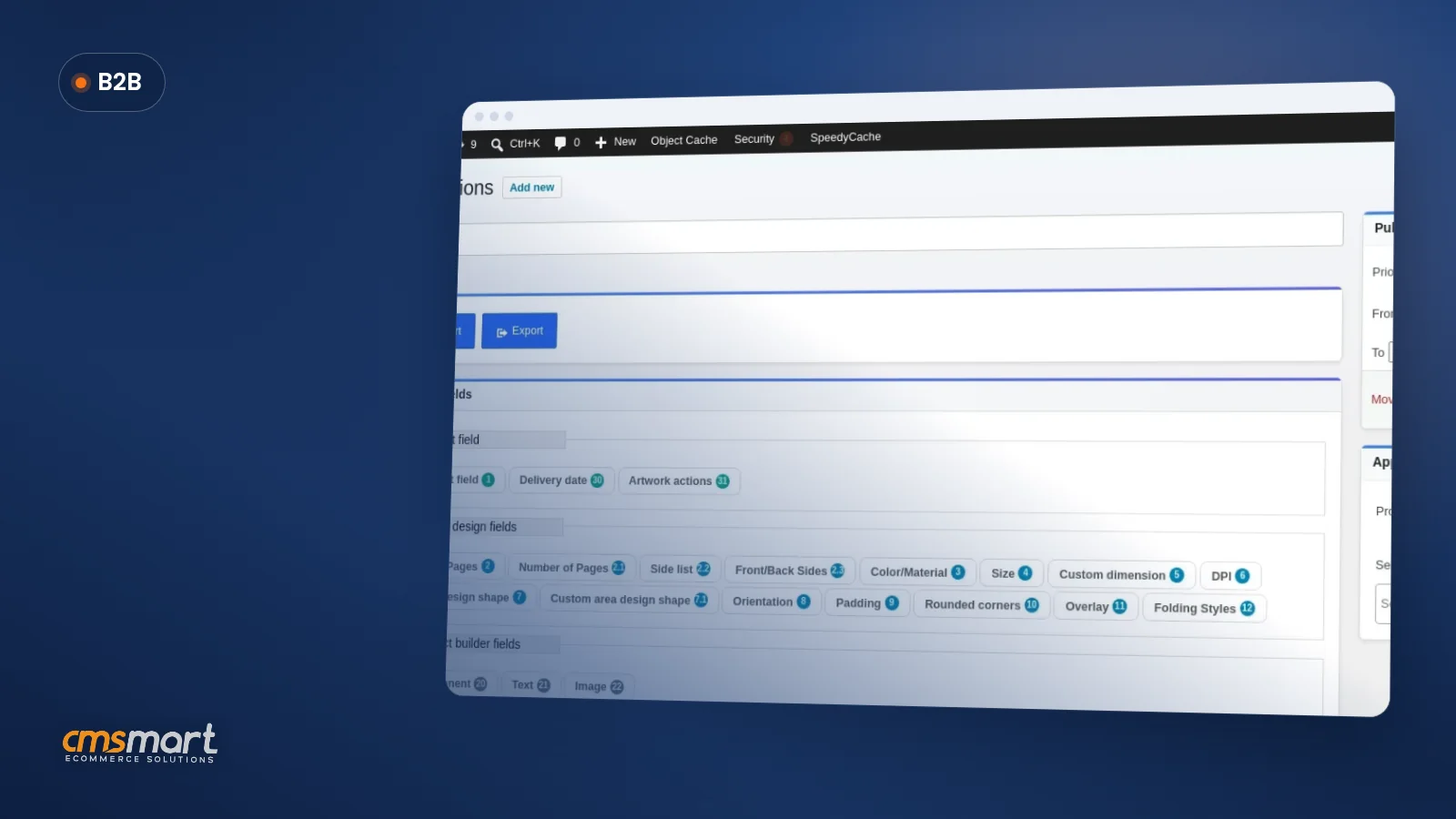


In today's rapidly evolving digital marketplace, consumer expectations have reached an all-time high, with over 80% of customers now favoring self-service solutions for resolving their service issues, according to a report by Gartner. This shift towards self-service creates both opportunities and challenges for businesses eager to enhance customer satisfaction while managing operational costs. Consider the case of ABC Apparel, a successful clothing retailer based in Australia, who faced mounting pressure to provide immediate support without compromising quality. After implementing Cmsmart’s self-service solutions, they witnessed a remarkable 40% reduction in support calls, empowering their customers to find answers at any time while significantly improving the overall customer experience.
As we delve into the realm of self-service solutions, it becomes clear that effectively utilizing these tools not only fosters customer loyalty but also optimizes cost efficiency in eCommerce operations. From intuitive chatbots to comprehensive FAQs, the landscape of digital customer support is transforming. By investing in these self-assistance technologies, businesses can unlock the potential for heightened customer engagement and satisfaction. Enhancing customer experience is just one of the key benefits that stem from such investments. In this tutorial, we’ll explore the various strategies and implementations necessary to empower your business through self-service solutions, enabling you to meet and exceed your customers' expectations.
The Power of Customer Self-Service
The need to meet increasing consumer expectations for self-service is more crucial than ever.In todays fast-paced digital landscape, customers desire quick and easy solutions to their service issues, available around the clock. However, businesses face challenges in providing effective self-service experiences, often struggling with customers transitioning from self-service to traditional call centers. To thrive, brands must optimize their self-service and search capabilities to enhance customer satisfaction and engagement.
Understanding Customer Self-Service
The Importance of Self-Service in Customer Support
Effective customer self-help initiatives not only reduce operational costs but also enhance overall customer experience. Brands that invest in optimizing online customer support see higher levels of customer loyalty.Advanced Strategies for Self-Service Optimization
To elevate your self-service capabilities, consider the following tips:- Utilize analytics to understand consumer behavior and preferences
- Update resources regularly to reflect the latest information and solutions
- Introduce interactive elements like video tutorials and step-by-step guides
For additional insights, explore our articles on the importance of self-service in customer service and how to optimize self-service solutions. In summary: Emphasizing self-service empowers customers while streamlining business operations. Next, let’s delve into the benefits of a tailored knowledge base and how it can further enhance customer satisfaction.Understanding Self-Service and its Increasing Consumer Preference
The need to meet increasing consumer expectations for self-service has never been more critical. Brands face challenges in providing an effective self-service experience, especially when customers struggle to transition from self-service to call centers. The requirement for businesses to improve and optimize their self-service and search capabilities is vital in the ever-evolving consumer landscape.Defining Self-Service: What is it and why it matters?
Self-service refers to the ability of customers to access information and resources to solve their own issues without direct assistance from a service representative. This approach not only empowers consumers but also enhances customer engagement and satisfaction. Self-service solutions have gained traction due to their efficiency and convenience. Here are some key benefits:The Shift towards Customer Self-Help: Understanding the Consumer Preference
As consumer behavior changes, there is a noticeable shift towards self-assistance. A recent report by Gartner states that by 2025, 80% of customer interactions will occur through self-service channels.The growing preference for self-service can be attributed to factors such as:
Parting the Red Sea: Customer Service Issues and Self-Assistance
While self-service is beneficial, businesses must address several issues: - Customers may feel frustrated when transitioning from self-service to call centers. - Inadequate self-service resources can lead to increased customer dissatisfaction. - Brands need to ensure their self-service solutions are user-friendly and easily accessible. In conclusion, understanding the dynamics of self-service and consumer preferences is crucial for businesses aiming to thrive in a competitive environment. With the pressing need to meet these demands, the next section will delve into the importance of self-service in customer service and how to optimize these solutions for heightened customer satisfaction. For valuable insights, check out our section on the benefits of a tailored knowledge base and how to optimize self-service solutions.The Role of Knowledge Base in Effective Self-Service
In today’s fast-paced digital landscape, meeting increasing consumer expectations for self-service is paramount.Organizations often grapple with the challenges of providing a seamless self-service experience while ensuring customer satisfaction. Poor self-service capabilities can lead to frustrated customers transitioning back to call centers—a shift that can strain your resources and diminish the enhanced customer experience that self-service aims to provide.
What is a Knowledge Base and Why is It Crucial?
A knowledge base serves as a centralized hub of information and resources designed to empower customers through self-help. It is crucial for the following reasons:Benefits of a Tailored Knowledge Base in Self-Service
Implementing a tailored knowledge base can significantly enhance self-service optimization:Best Practices for Creating an Effective Online Knowledge Base
To create an impactful online knowledge base, consider these best practices:For advanced strategies, explore our resources on optimizing self-service solutions and understanding consumer search behavior. In summary: A well-structured knowledge base not only meets customer needs but also streamlines your support processes, ultimately improving customer satisfaction. Ready to delve deeper into the importance of self-service in customer service? Next, we will explore more tips on optimizing your self-service solutions.
Optimizing Self-Service for Enhanced Customer Experience
Are you struggling to meet the rising expectations of your customers for self-service solutions? Youre not alone.In today’s fast-paced digital landscape, customers demand rapid responses and seamless self-assistance options. This has created significant challenges for brands striving to deliver effective self-service experiences, especially when customers often transition from self-service tools back to traditional call centers for help. Improving and optimizing self-service and search capabilities is no longer optional; its essential for sustaining customer satisfaction and engagement.
The Art of Self-Service Optimization: What does it entail?
Optimizing self-service involves transforming your customer support experience into a user-friendly and efficient system. This goes beyond simply providing a FAQ page. Here are key areas to consider:The impact of an optimized self-service on customer engagement and satisfaction
When self-service options are tailored correctly, customers experience enhanced satisfaction, leading to stronger engagement. An optimized self-help system can lead to:How to use customer data to tailor self-service options
Harnessing customer data is vital for fine-tuning your self-service tools. Here’s how to leverage this information:- Analyze user behavior to identify common queries
- Utilize surveys and feedback to adapt the knowledge base
- Track metrics like resolution times and user satisfaction to assess effectiveness
For further insight, check out the importance of self-service in customer service, discover the benefits of a tailored knowledge base, explore how to optimize self-service solutions, or delve into understanding consumer search behavior. In summary: Optimizing self-service not only enhances the customer experience but also keeps brands relevant in a competitive landscape. Moving forward, we will explore best practices for implementing these strategies effectively in your organization.Bridging the Gap: Transitioning Customers from Self-Service to Customer Support
Are you struggling to meet rising consumer expectations for self-service solutions? You’re not alone.Many brands encounter significant challenges when customers transition from self-service to customer support, impacting overall customer satisfaction and engagement.
Understanding the Challenges in Transitioning from Self-Service to Call Centers
The shift from self-help resources to traditional call centers can be complex. Customers using online support often feel frustrated when their needs arent met promptly. This disconnect can lead to dissatisfaction and abandonment. Here are some key challenges brands might face:Case Studies: Emergent Trends and Strategies in Seamless Service Transition
To bridge the gap between self-service and customer support, successful brands implement emerging trends that streamline the experience.Consider strategies like:
How Brands Can Improve Their Self-Service and Bridge the Transition Gap
Optimizing self-service solutions while ensuring a smooth transition to personalized support is crucial. Here are some actionable tips to enhance customer self-help:- Regularly update your Knowledge Base to address common queries
- Analyze consumer behavior to understand popular self-service topics
- Provide tutorials and guides to empower users
For more information on enhancing your self-service capabilities, explore our guide on the importance of self-service in customer service or discover the benefits of a tailored knowledge base. In summary: Bridging the gap between self-service and customer support is essential for improving customer experience. Next, we’ll dive deeper into how to optimize self-service solutions effectively.Leveraging Online Search Behavior for Superior Self-Service
The increasing demand for efficient self-service options is reshaping customer support dynamics.As consumers become more digitally savvy, the pressure mounts on brands to meet their expectations for self-assistance. This shift also brings challenges, including issues with customers migrating from self-service to traditional call centers and the need for businesses to enhance their search capabilities that drive superior self-service experiences.
Interpreting Consumer Online Search Behavior and Its Impact on Self-Service
Understanding how consumers search online is crucial for improving self-service experiences. Businesses can gain insights into customer needs by analyzing search queries, leading to tailored self-help solutions that enhance customer satisfaction. Emphasizing consumer behavior allows brands to:Optimizing Search Functionality for Enhanced Self-Service Experience
An effective search function is integral for smooth navigation within self-service platforms. Brands should focus on optimizing their search mechanisms to ensure users can easily find relevant information. Strategies include:The Future of Customer Service: Search and Self-Service Trends
As we move forward, trends in customer service are leaning increasingly towards self-service solutions powered by advanced search capabilities. Key trends to watch include:- The integration of AI and machine learning in search functions.
- Continued emphasis on mobile-friendly self-service options.
- Growing importance of personalized customer experiences based on data analytics.
In summary, leveraging insights from consumer search behavior and optimizing search functions is essential for enhancing self-service solutions. This approach not only meets rising consumer expectations but also addresses significant challenges facing businesses today. With a solid foundation in these strategies, we can now explore the importance of self-service in customer service and how cultivating a tailored knowledge base can further benefit your operations.Frequently Asked Questions
Are you struggling to meet the growing demand for effective self-service solutions? You’re not alone.Many businesses face challenges in providing a seamless self-service experience that meets consumer expectations. As customers increasingly prefer self-service options, ensuring optimal navigation and support is critical for enhanced customer satisfaction.
Understanding Self-Service Optimization
Frequently Asked Questions about Self-Service
1. What are the best practices for optimizing self-service solutions? - Create an intuitive interface that encourages self-navigation. - Ensure you have a comprehensive knowledge base that addresses common queries. - Collect user feedback to continually enhance the self-service experience. 2. How can I transition customers from self-service to direct support when necessary? - Clearly indicate when users may need to reach out for additional help. - Provide seamless contact options like live chat or a direct support line. 3. What role does self-service play in customer satisfaction? - Empowering customers with self-service tools can significantly boost satisfaction scores as it gives them control over their interactions. 4. How can consumer behavior impact self-service strategies? - Analyzing self-service data can provide insights that guide improvements and create tailored support solutions. 5. What are the benefits of implementing a tailored knowledge base? - Specialized knowledge bases streamline the process, reduce the load on customer support, and can lead to higher customer retention rates.For further insights on the importance of self-service in customer service, check out our detailed guide on the importance of self-service in customer service and learn how to optimize self-service solutions.
In summary: Addressing these common questions can significantly enhance your understanding of customer self-assistance and ultimately lead to a better overall experience. Next, we’ll explore the benefits of a tailored knowledge base and strategies to improve search capabilities for your customers.FAQ Section: Troubleshooting and Pro Tips
What are the benefits of self-service support for consumers?
Self-service support empowers consumers to find solutions quickly, enhancing satisfaction and reducing wait times for assistance.
What challenges do companies face in providing effective self-service experiences?
Companies struggle with creating user-friendly interfaces, keeping content updated, and ensuring consistent knowledge across platforms.
How can brands improve customer transitions from self-service to human support?
Brands can enhance transitions by ensuring clear escalation paths, training agents to understand self-service interactions, and maintaining comprehensive customer insights.
Why is optimizing self-service capabilities crucial for brands?
Optimizing self-service meets increasing consumer expectations, fostering customer loyalty while reducing operational costs.
What issues arise when customers prefer call centers over self-service?
Customers may experience longer wait times, inconsistent information, and frustrating interactions, leading to dissatisfaction.
How do search capabilities enhance the self-service experience?
Robust search capabilities enable customers to quickly locate relevant information, increasing the efficiency and effectiveness of self-service options.
What role does knowledge management play in self-service?
Knowledge management ensures that accurate, timely information is readily available, supporting users who seek self-service solutions.
Further Reading
As we conclude this tutorial on empowering your business with self-service solutions, it’s evident that investing in effective self-service tools is not just advantageous; it's essential for meeting today’s customer expectations. By implementing user-friendly resources and robust self-assistance tools, you can significantly enhance customer satisfaction while reducing operational costs. Remember, optimizing your self-service capabilities is a continuous journey that requires regular monitoring and feedback mechanisms. Let’s discuss how we can help you implement these strategies effectively. Connect with David directly for a personalized consultation via WhatsApp or email our Ecommerce Project Consultant at [email protected]. For tailored quotations, visit our contact page. Together, we can transform your customer experience and streamline your operations!