

Guide · B2B
WooCommerce Amazon Etsy Sync: Stock and Orders
WooCommerce Amazon Etsy sync guide: keep stock and orders right across channels, avoid overselling, and get a custom integration quote.
Discover how inventory management enhances efficiency, reduces costs, and drives profit. Automate processes for optimal performance.
Table of contents
Was this tutorial helpful?
Written by
Cmsmart B2B Commerce & Operations Consultant
Designs B2B ordering, marketplaces and the operations behind them.
The team behind it
 Account Manager
 Project Manager
 Business Analyst
 Developers & QA
Guide · B2B
WooCommerce Amazon Etsy sync guide: keep stock and orders right across channels, avoid overselling, and get a custom integration quote.
Guide · B2B
Set up a WooCommerce request a quote B2B workflow: price matrix, approval, and one-click conversion to order. Plan yours today.
Guide · B2B
WooCommerce B2B pricing: give wholesale buyers tiered prices, customer groups and account approval. See what the plugin does today and get a custom qu...
Browse more guides, tutorials and case studies from the Cmsmart community.
Unlock the Power of Mobile Commerce: Propel Your Business Forward
Read MoreDiscover how to harness mobile commerce to enhance your business growth. Learn strategies for optimizing the mobile shopping experience and increasing consumer engagement.
Read MoreDiscover the benefits of mobile commerce and how it can transform your business. Learn effective strategies for maximizing sales and customer engagement through mobile-optimized shopping experiences.
Read More
Cmsmart Ecommerce provides custom ecommerce and WooCommerce development services for web-to-print, product personalization, plugin support and API integration.
Cmsmart B2B Commerce & Operations Consultant
Designs B2B ordering, marketplaces and the operations behind them.
Meet the team →
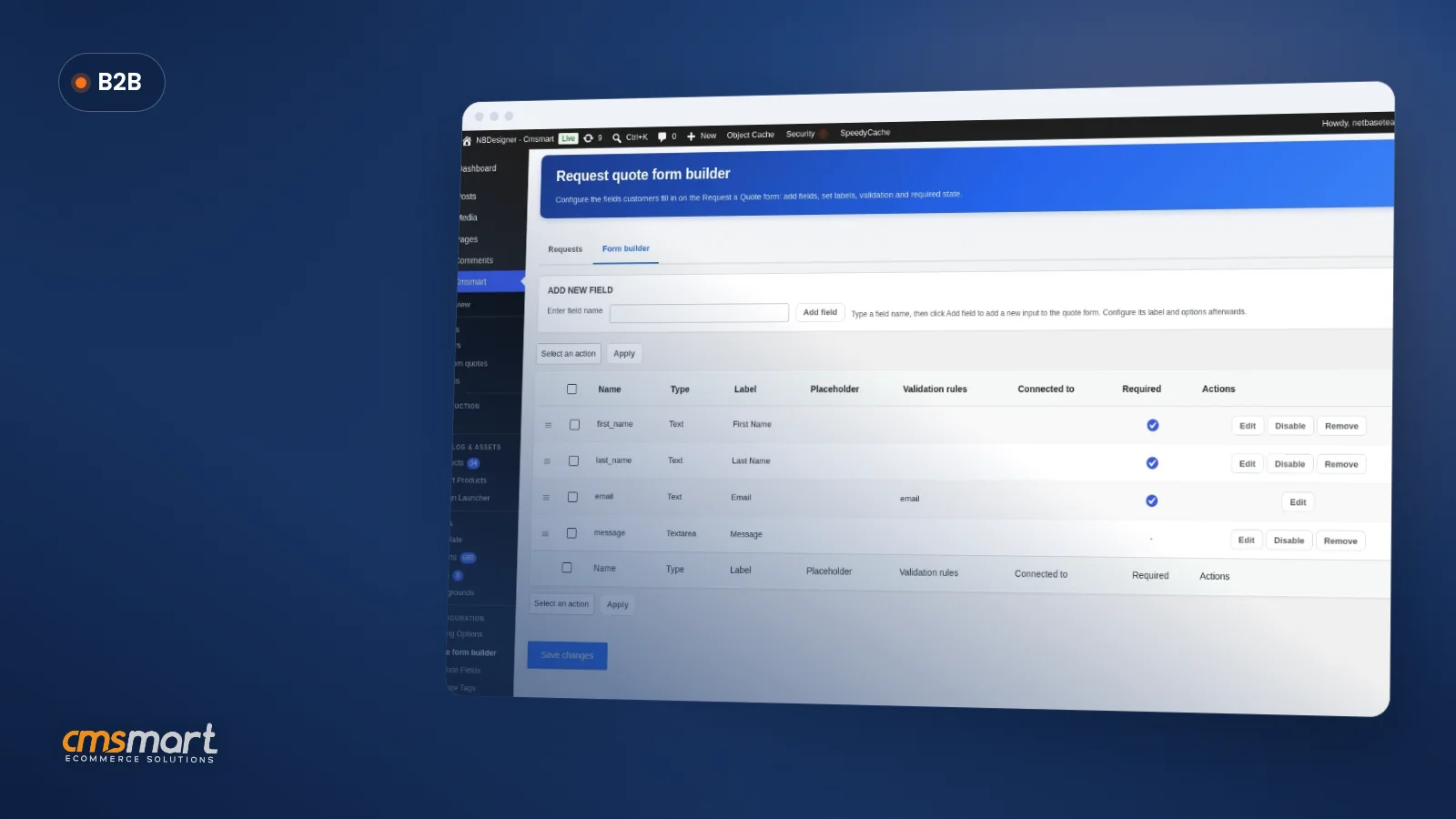
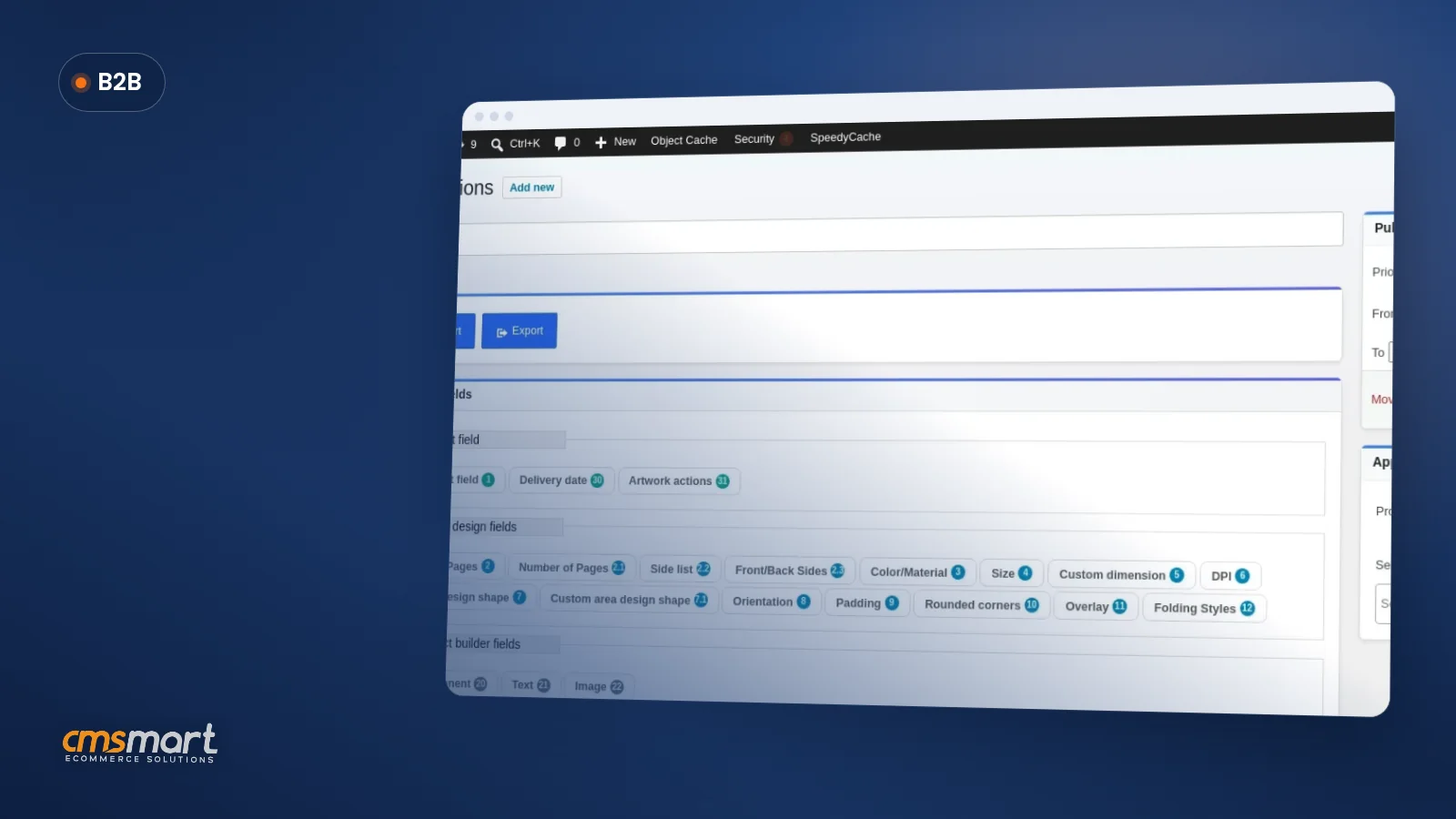


Did you know that inefficient inventory management can cost retailers as much as 20% of their total sales? With the global inventory management software market projected to soar to a staggering $3.2 billion by 2025, mastering this crucial aspect of retail operations has never been more important. One of our clients, Anna's Apparel from Australia, faced mounting challenges as their stock levels fluctuated wildly, impacting both cash flow and sales. By implementing Cmsmart’s advanced inventory management solutions, Anna streamlined her stock control, ensuring precise levels of inventory at all times, ultimately enhancing her store’s profitability.
In today’s fast-paced retail landscape, where accurate forecasting and integrated supply chain management dictate success, effective inventory control remains paramount. Through insightful techniques and cutting-edge tools, businesses can significantly reduce waste while maximizing cash flow. This tutorial aims to uncover the nuances of inventory management that can transform your operation into a lean, efficient powerhouse. For further reading, check out our resources on customer engagement strategies and multi-channel selling. In this guide, we'll walk you through actionable steps to optimize your inventory management process, boost efficiency, and cut costs without compromising quality.
Are You Maximizing
Maximizing Your Retail Operations: Is Your Inventory Management Up to Par?Accurate forecasting, reduced waste, and improved cash flow are critical to any retail operation, yet not everyone maximizes these through effective inventory management. Unlock the potential for seamless stock control and optimize your supply chain management!
What Efficient Inventory Management Entails
Breakdown of Inventory Components
Efficient inventory management goes beyond just monitoring your products. It involves careful oversight of work-in-progress products, safety stock requirements, and MRO goods management to prevent operational disruptions. For a deep dive, explore content on importance of inventory in business cycle and choosing the right inventory management system. Customer Perspective:Enhance Operations with an Inventory System
- Adopt a comprehensive inventory control system that suits your business scale and scope.
- Regularly audit your inventory to prevent stockouts and excess that could impair cash flow.
- Incorporate technology for real-time data on stock levels and movements.
In summary: Effective stock control and inventory management are not just operational necessities—they are strategic levers that can drive growth and efficiency. Prepare to explore the benefits of accurate inventory tracking in the next section, and consider how to improve cash flow with effective inventory management.Understanding Inventory Management
Struggling with inaccurate inventory forecasts and waste?Effective inventory management can address these critical pain points, ensuring not only accuracy in forecasting but also improved cash flow and optimal stock levels.
The Concept of Inventory Management
Inventory management is a systematic approach to sourcing, storing, and selling inventory—both raw materials (components) and finished goods (products). By maintaining the right balance of stock at all times, businesses can ensure they are optimizing every facet of their supply chain.
Role of Inventory Management in Supply Chain
Within the broader supply chain, inventory management plays a pivotal role. By focusing on inventory control, businesses can maintain safety stock levels, manage MRO goods, and enhance work-in-progress workflows. This ensures seamless product availability and customer satisfaction.
Terminologies: Decoding Stock Control, Inventory Control, and Supply Chain Management
Grasping the terminologies associated with inventory is crucial. Stock control deals primarily with product availability, while inventory control encompasses tracking inventory levels, orders, sales, and deliveries.
In summary: Embrace strategic inventory management to streamline operations and reduce costs. Next, explore the benefits of accurate inventory tracking and choosing the right inventory management system to boost your business cycle efficiency.
These links will guide you in understanding the importance of inventory in the business cycle and improving cash flow with effective management strategies. Embrace inventory forecasting techniques for e-commerce to enhance your operations further.Inventory Management for E-commerce Businesses
Tired of losing profits due to poorly managed inventory?Inventory management is crucial for e-commerce businesses to ensure accurate forecasting, reduce waste, and improve cash flow. Heres how to optimize your inventory system effectively.
The Importance of Inventory Management in E-commerce
Inventory management, also known as stock control, is the backbone of any successful e-commerce operation. Its about ensuring the right quantity of raw materials, work-in-progress products, and finished goods are available at the right time. Effective management minimizes holding costs and maximizes your ability to meet customer demand.
Market Insight:For more insights on the importance of inventory in business cycles, explore our detailed guide.
Specific Challenges for E-commerce Businesses
E-commerce businesses face unique challenges in inventory control, such as managing safety stock levels for MRO goods and handling returns. Also, utilizing a periodic inventory system can provide visibility into stock levels, but requires detailed tracking.
Discover how accurate inventory tracking can benefit your business in our dedicated article.
How Inventory Management Can Boost E-commerce Profitability
Optimizing inventory management leads to improved cash flow and increased profitability. Efficient stock control ensures you have enough product to meet customer demand without overstocking.
Gain deeper insights on choosing the right system from our comprehensive guide on choosing the right inventory management system.
In summary: Effective inventory management is key to achieving e-commerce success. By addressing stock control challenges and leveraging forecasting tools, your business can reduce overhead costs and increase profitability.Next, lets explore how to improve cash flow with effective inventory management.
Types and Valuation of Inventory
Struggling to manage your inventory effectively? Discovering the right approach to stock control can revolutionize your business.Inventory management is about more than just counting products—accurate forecasting and efficient stock control are vital for reducing waste, enhancing cash flow, and selecting the ideal inventory system for your operations.
Understanding Raw Materials, MRO Goods, and Finished Products
Inventory can be classified into several categories, each essential for business operations. Raw materials are the basic inputs transformed into finished goods. MRO (Maintenance, Repair, and Operations) goods support the production process but do not directly become part of the final product. Finished products are completed items ready for sale. Understanding these components can help streamline the supply chain and inventory control processes, leading to more efficient operations.
Work-In-Progress: The Middle Ground of Inventory
Work-in-progress (WIP) inventory represents items still in production. Managing WIP effectively is crucial for smooth transitions from raw materials to finished goods and can help in avoiding bottlenecks in the production line, which can improve cash flow.
Inventory Valuation: Ensuring Accurate Financial Reporting
Inventory valuation is critical for financial performance analysis and accurate reporting. Various methods, such as FIFO (First-In, First-Out) and LIFO (Last-In, First-Out), can affect financial statements differently. Choosing the right valuation method can reflect more accurately on your business performance, impacting decisions like financing and growth strategies.
importance of inventory in business cycle | benefits of accurate inventory tracking | choosing the right inventory management system | how to improve cash flow with effective inventory management | inventory forecasting techniques for e-commerce
In summary: By understanding and optimizing your types and valuation of inventory, you can ensure accurate financial reporting and enhance cash flow, setting your business up for sustainable growth. Next, let’s delve into the importance of inventory in the business cycle and its broader implications.
The Power of a Robust Inventory Management System
Unlocking Business Potential with a Robust Inventory Management SystemNavigating through the intricacies of inventory management can be daunting for businesses striving to enhance accurate forecasting, reduce waste, and improve cash flow. Choosing the right inventory system is pivotal in overcoming these challenges.
What Makes a Good Inventory Management System?
At the core of business efficiency lies a well-oiled inventory management system. An ideal system enhances stock control, integrates seamlessly with supply chain management, and effectively manages raw materials, finished goods, and work-in-progress products.
Benefits and Challenges of Implementing Inventory Systems
Embracing a robust inventory management system offers numerous advantages, including maximizing resources and minimizing wastage. However, the challenges of implementation often mirror the complexities of existing supply chain dynamics.
How to Choose the Right Inventory Management System for Your Business
Selecting the most suitable inventory management system can propel a business towards efficient supply chain management, with the right system supporting MRO goods (Maintenance, Repair, and Operations) and periodic inventory systems. Heres how to choose wisely:
- Analyze inventory needs specific to your industry
- Evaluate system scalability and integration capabilities
- Ensure real-time data accessibility for accurate business cycle insights
Choose the right inventory management system for your business and optimize your operations. In summary: Cultivating a robust inventory management system empowers businesses to streamline operations, enhance forecasting, and improve cash flow. As you delve deeper into refining inventory strategies, explore further our comprehensive insights into inventory forecasting techniques for e-commerce to amplify your business success.Strategies for Effective Stock Tracking
Struggling to manage your stock effectively? Youre not alone. Accurate forecasting and choosing the right inventory system are key to reducing waste and improving cash flow.Importance of Accurate Stock Tracking
Accurate stock tracking is the backbone of a successful supply chain and inventory control process. It helps in minimizing waste, optimizing resources, and ensuring a smooth flow of raw materials, finished goods, and work-in-progress products throughout your business operations. Moreover, keeping a precise account of safety stock and MRO goods is critical for seamless production and fulfilling customer demands.
Methods of Tracking Inventory: From Barcodes to RFID
Inventory tracking has come a long way from manual entries to sophisticated systems using barcodes and RFID technology. These tools enhance accuracy and efficiency, streamlining the entire process of inventory control.
Using Inventory Systems for Optimum Stock Control
Investing in a robust inventory system is crucial for maintaining optimal stock levels. These systems offer features like automated stock alerts, integration with sales channels, and comprehensive analytics to support decision-making.
In conclusion, adopting strategic inventory tracking and management practices not only boosts your supply chain efficiency but also enhances your business’s financial health. Ready to explore more? Dive into our next section on importance of inventory in business cycle to understand how effective stock management can transform your business practices.
Optimizing Inventory for Profitability
Unlocking Inventory Efficiency: Your Key to Business SuccessIn todays fast-paced market, optimizing your inventory for profitability isnt just a strategic advantage; its a necessity. Accurate forecasting, reducing waste, and improving cash flow are fundamental to maintaining a competitive edge.
The Link between Inventory Management and Profitability
Efficient inventory management is the backbone of profitability in any business. By maintaining the right balance of raw materials, finished goods, and safety stock, businesses can minimize holding costs and maximize turnover. This process, often referred to as inventory control or stock control, ensures that your supply chain management is smooth and cost-effective.
Strategies for Reducing Inventory Waste
Reducing excess inventory not only frees up capital but also prevents the holding of obsolete or slow-moving goods. Effective strategies include:
Improving Cash Flow through Effective Inventory Management
Proper inventory management is integral to improving cash flow. By reducing cash tied up in unsold inventory, businesses can reinvest in growth opportunities. This means choosing the right inventory management system tailored to your business size and industry specifics.
For insights into inventorys role in the business cycle and the benefits of accurate inventory tracking, consider the subsequent sections detailing choosing the right inventory management system and inventory forecasting techniques.
In summary: Applying these strategies can streamline your operations and enhance profitability. Next, lets delve into the importance of inventory in the business cycle.
Navigating Forecasting in Inventory Management
Accurate forecasting can dramatically reduce waste and improve cash flow, crucial for choosing the right inventory system.Inefficient stock control often leads to overstocking, tying up cash in unsold inventory. By mastering forecasting techniques, businesses can align inventory control with actual demand, reducing excess and freeing up funds to enhance cash flow.
Breaking Down the Concept of Inventory Forecasting
Inventory forecasting is the process of predicting future inventory requirements based on historical data, trends, and market analysis. This allows businesses to maintain optimal stock levels of raw materials, finished goods, work-in-progress products, and safety stock.
Tools and Techniques for Effective Forecasting
Implementing the right tools and techniques is vital for accurate forecasting and inventory management:
The Impact of Accurate Forecasting on Supply Chain Management
Accurate forecasting significantly enhances supply chain management by predicting demand with precision and aligning inventory levels:
- Minimizes stockouts and excessive inventory
- Improves supplier relationships by providing realistic order forecasts
- Enhances overall profitability by optimizing cash flow management
In summary: Employing these forecasting techniques ensures effective inventory and supply chain management. To dive deeper, explore our guide on e-commerce platforms and their efficiency in managing inventory cycles .Frequently Asked Questions
Inventory management can make or break your business.In todays competitive landscape, understanding the common challenges and questions about inventory management is vital. Lets explore some key FAQs that may arise in managing your stock, improving cash flow, and choosing the appropriate inventory management tools.
Q and A Section Covering 5-10 Common Questions on Inventory Management
1. What are the basic components of inventory?Inventory can be broken down into several key components, including raw materials, work-in-progress products, finished goods, and maintenance, repair, and operations (MRO) items. Managing these effectively is crucial for optimal inventory control. 2. How does inventory management impact cash flow?
Effective inventory management minimizes waste and optimizes stock levels, directly impacting cash flow.
- Reduce overstock and associated holding costs.
- Ensure products in demand are always available.
- Avoid stockouts and the potential loss of sales.
3. Which inventory management system should I choose?Choosing the right system depends on your specific business needs. Tools such as periodic inventory systems or software solutions can help streamline operations. For a comprehensive guide, visit our section on choosing the right inventory management system. 4. What are some effective inventory forecasting techniques?
Forecasting techniques help predict future stock needs. Consider demand forecasting tools and historical data analysis as part of your strategy. More insights can be found in inventory forecasting techniques for e-commerce. 5. How can inventory management improve the business cycle?
It ensures that inventory aligns with production and distribution stages, facilitating smooth operations and enhancing customer satisfaction. Check out importance of inventory in business cycle for more details. 6. How do I maintain accurate inventory tracking?
Accurate tracking involves regular audits, integrating scanning technologies, and using inventory management software. Explore detailed benefits in benefits of accurate inventory tracking. In summary: By addressing these common questions, businesses are better equipped to manage their inventory, ultimately leading to improved cash flow and operational efficiency. Next, we will delve into strategies for optimizing your supply chain management.
FAQ Section: Troubleshooting and Pro Tips
How does inventory management improve business efficiency?
Automated stock management alerts help maintain optimal inventory levels, reducing manual effort.
Why is accurate forecasting crucial for inventory management?
Accurate forecasting aligns stock levels with demand, minimizing overstock and stockouts.
How can businesses reduce waste through inventory management?
By setting up back-in-stock alerts and managing product variants to avoid overselling.
What role does inventory management play in improving cash flow?
Efficient inventory control reduces storage costs and frees up capital for other investments.
What should be considered when choosing the right inventory system?
Look for features like automated workflows, real-time stock updates, and multi-channel integration.
How does Cmsmart Store support inventory management?
Cmsmart Store offers tools for tracking stock levels, setting low-stock alerts, and managing product availability automatically.
Further Reading
You've now equipped yourself with essential strategies to revolutionize your inventory management practices. By honing accurate stock control, integrating your supply chain, and mastering inventory forecasting, you're set to boost efficiency and cut costs significantly. Don't let potential savings slip away! Let's discuss how we can help you implement these vital techniques tailored specifically to your retail operations. Contact David, our CEO, directly via WhatsApp for immediate assistance or email our Ecommerce Project Consultant at [email protected]. Ready to take the next step? Feel free to request a quotation for comprehensive support. Join me in transforming your store's inventory management for improved performance and profitability!