

Guide · B2B
WooCommerce Amazon Etsy Sync: Stock and Orders
WooCommerce Amazon Etsy sync guide: keep stock and orders right across channels, avoid overselling, and get a custom integration quote.
Transform your eCommerce operations with our cutting-edge inventory and order management tools. Enhance efficiency, reduce costs, and improve customer satisfaction.
Table of contents
Was this tutorial helpful?
Written by
Cmsmart B2B Commerce & Operations Consultant
Designs B2B ordering, marketplaces and the operations behind them.
The team behind it
 Account Manager
 Project Manager
 Business Analyst
 Developers & QA
Guide · B2B
WooCommerce Amazon Etsy sync guide: keep stock and orders right across channels, avoid overselling, and get a custom integration quote.
Guide · B2B
Set up a WooCommerce request a quote B2B workflow: price matrix, approval, and one-click conversion to order. Plan yours today.
Guide · B2B
WooCommerce B2B pricing: give wholesale buyers tiered prices, customer groups and account approval. See what the plugin does today and get a custom qu...
Browse more guides, tutorials and case studies from the Cmsmart community.
Unlock the Power of Mobile Commerce: Propel Your Business Forward
Read MoreDiscover how to harness mobile commerce to enhance your business growth. Learn strategies for optimizing the mobile shopping experience and increasing consumer engagement.
Read MoreDiscover the benefits of mobile commerce and how it can transform your business. Learn effective strategies for maximizing sales and customer engagement through mobile-optimized shopping experiences.
Read More
Cmsmart Ecommerce provides custom ecommerce and WooCommerce development services for web-to-print, product personalization, plugin support and API integration.
Cmsmart B2B Commerce & Operations Consultant
Designs B2B ordering, marketplaces and the operations behind them.
Meet the team →
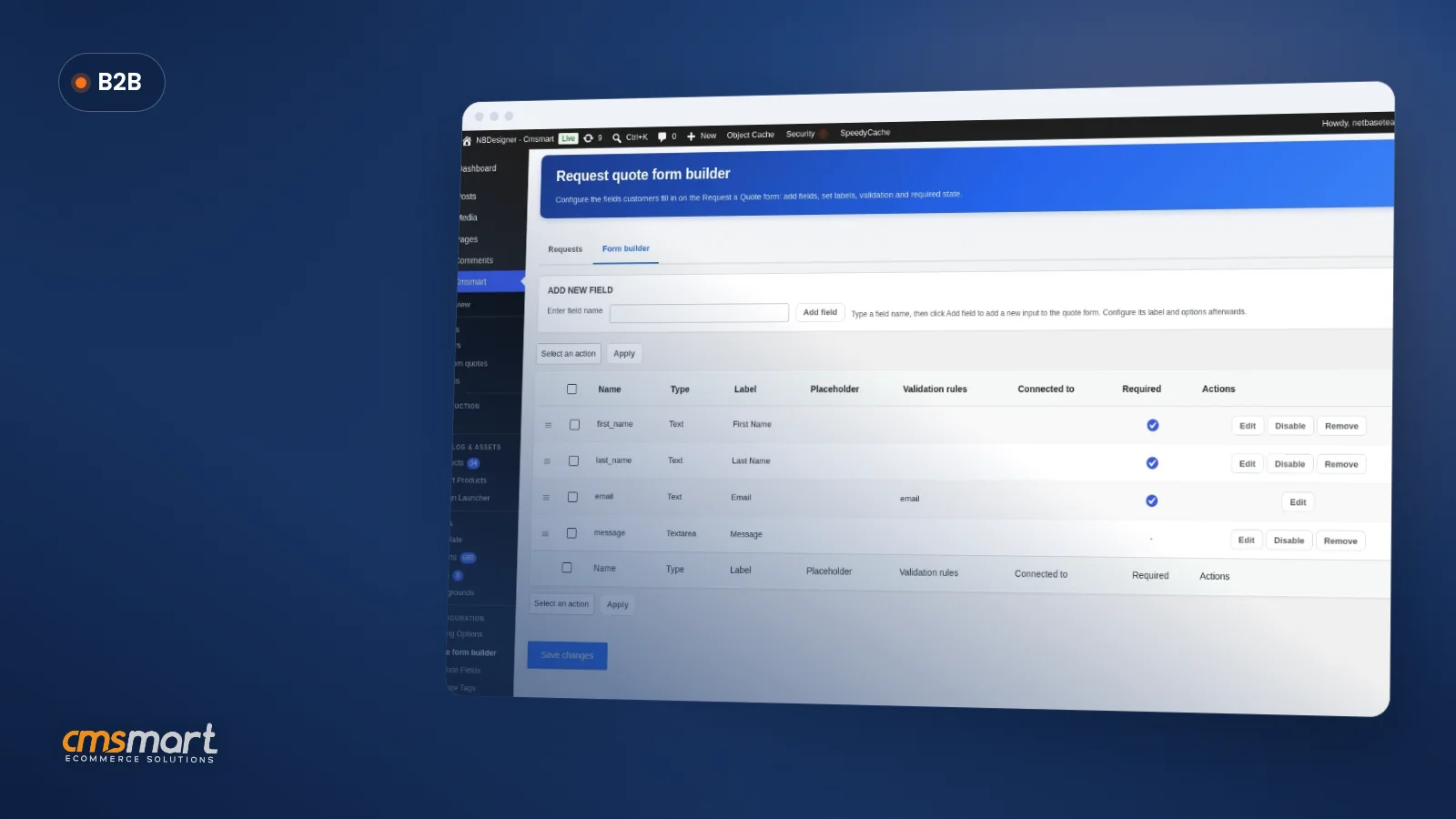


Did you know that inefficient inventory management can cut your profitability by as much as 30%? In today’s competitive eCommerce landscape, every detail matters; yet many businesses overlook the importance of streamlined inventory and order management solutions. Take the story of FashionHub, a clothing retailer based in Vietnam. Just last year, they struggled with frequent stockouts and overstocking, which frustrated their customers and impacted sales. After implementing Cmsmart's advanced inventory solutions, they not only optimized their stock levels but also integrated their sales platforms seamlessly, resulting in a remarkable 25% increase in customer satisfaction and a significant boost in profitability.
The right approach to inventory and order management can be the game changer your business needs. According to Statista, businesses that adopt automated inventory solutions can see costs reduced by up to 30%. With Cmsmart’s expertise in crafting tailored solutions for businesses of all sizes, we equip you with the tools necessary to master everything from real-time stock tracking to efficient order fulfillment processes. Explore our strategies for optimizing inventory to enhance your operations. In this tutorial, we’ll delve deeper into how you can leverage advanced inventory and order management systems to maximize efficiency and profitability.
Transforming Inventory and Order Management
What if optimizing your inventory and order management could be the key to supercharging your eCommerce business success?Effectively managing product stock levels, integrating multiple sales platforms, and streamlining order processing are crucial for thriving in the competitive eCommerce landscape. Failing to address these aspects can lead to overstocking or stockouts, which significantly impact customer satisfaction and profitability.
Master Inventory Control and Order Fulfillment
Streamline Order Management Processes
Enhancing your order handling can drastically improve customer experiences. Here are some actionable tactics:Integrate ERP and Accounting Software
Integrating ERP with your order and inventory management creates a cohesive ecosystem for tracking financial data across sales channels. This synergy not only provides a clearer picture of your overall performance but also simplifies reporting and compliance efforts. To delve deeper, check our resources on integrating sales channels for eCommerce, exploring warehousing solutions for eCommerce, and ERP and accounting software integration for comprehensive strategies. In summary: Transforming your inventory and order management not only optimizes stock levels but also propels your eCommerce business toward unparalleled success. Up next, let’s explore the benefits of integrating various sales channels to amplify your market reach.Decoding Inventory and Order Management
Struggling to manage product stock levels efficiently while juggling multiple sales platforms? You’re not alone.Many eCommerce businesses encounter challenges like streamlining order processing and fulfillment, handling financial data across sales channels, and optimizing procurement to prevent overstocking or stockouts.
Exploring the Concept of Inventory and Order Management
Inventory and order management are crucial components of successful eCommerce operations. They ensure that product stock levels are maintained and orders are fulfilled efficiently. Here are some actionable tips to optimize these processes:The Vital Role of Inventory Control in eCommerce Operations
Effective inventory control is vital for maintaining operational efficiency. It helps to ensure that the right amount of products is available when your customers need them. Implementing solid inventory management processes can also minimize costs associated with overstocking and stockouts.The Power of Effective Order Handling in Accelerating Sales
Efficient order handling can significantly improve sales velocity. It reduces wait times, enhances customer satisfaction, and encourages repeat business. To improve order processing, consider the following strategies:- Integrate sales channels for smoother customer experiences.
- Streamline order management processes to minimize delays.
- Monitor financial tracking to ensure profitability across sales platforms.
For further insights on integrating sales channels for eCommerce, as well as exploring warehousing solutions and ERP integration, consider our detailed guides. In summary: Mastering inventory and order management is essential for eCommerce success. These strategies can enhance your operations and satisfy your customers. Next, let’s delve into how to effectively integrate sales channels for a more seamless selling experience.Mastering Multi-Channel Sales
Struggling to manage your inventory across multiple sales channels? You’re not alone.Many businesses grapple with efficiently managing product stock levels, integrating various eCommerce platforms, and streamlining the order fulfillment process.
Key to Successful Multi-Channel Sales in eCommerce
Managing multiple sales channels can feel overwhelming. To overcome these challenges, consider these actionable strategies:Integrating Multiple Shopping Platforms for Better Sales
Integrating various shopping platforms means marrying different technologies to work cohesively. Here’s how:Strategies for Seamless Multi-Channel Order Fulfillment
To ensure your customers receive their products on time, consider these effective strategies for order fulfillment:- Implement a robust logistics management system to track shipments.
- Choose fulfillment partners wisely to ensure service quality.
- Regularly audit your warehousing solutions to optimize storage and shipment efficiency.
In summary: Mastering multi-channel sales involves effective stock management, seamless integration of diverse platforms, and efficient order fulfillment strategies. For further insights, let’s dive into integrating sales channels for eCommerce, streamlining order management processes, and exploring warehousing solutions for eCommerce.Efficient Warehousing in eCommerce Operations
Are you struggling to manage product stock levels efficiently while juggling multiple sales platforms?Navigating the complexities of integrating sales channels, streamlining order processing and fulfillment, and handling financial data can be challenging for any eCommerce business.
The Importance of Warehousing in Inventory Management
Efficient warehousing plays a crucial role in effective inventory management. By ensuring that your stock levels are optimized, you can prevent overstocking or stockouts, which directly impacts customer satisfaction and revenue. Here are some key points to consider:Leveraging Warehousing Solutions for Order Fulfillment
Effective warehousing solutions can drastically improve your order fulfillment processes. Here are actionable strategies:Case Studies on Warehouse Efficiency Improving Sales
Customer feedback and success stories highlight how efficient warehousing transforms eCommerce operations. Consider the case of a mid-sized retailer who implemented a multi-vendor marketplace solution: Incorporating these warehouse solutions can not only enhance inventory management but also create a seamless shopping experience for your customers. In summary: Streamlining warehousing is a vital step towards resolving the issues of stock management and order fulfillment. Next, let’s transition into integrating sales channels for eCommerce to ensure your business operates smoothly across all platforms. If youre ready to enhance your warehousing solutions for eCommerce, dont forget to check out our guide on exploring warehousing solutions for eCommerce and ERP and accounting software integration.Building Robust Procurement Planning
Managing product stock levels efficiently can be a daunting challenge for many businesses.Integrating multiple sales platforms, streamlining order processing and fulfillment, and preventing overstocking or stockouts are critical pain points that require strategic procurement planning.
Strategic Procurement Planning for Optimal Stock Levels
Establishing a robust procurement strategy is essential to maintain optimal stock levels and enhance overall business performance. Here are some actionable tips to consider:Tackling Overstocking and Stockouts with Proactive Procurement
Proactive procurement approaches can significantly mitigate risks associated with overstocking and stockouts. Consider these strategies:Impacts of Accurate Procurement on Order Management
Accurate procurement planning directly influences effective order management. When stock levels are optimally maintained, businesses benefit from:- Enhanced order processing speeds.
- Better financial tracking and reduced operational costs.
- Improved customer experiences through timely product availability.
For insights into integrating sales channels for eCommerce, or to explore streamlining order management processes further, visit our tutorial sections. You can also learn about exploring warehousing solutions for eCommerce and ERP and accounting software integration. In summary: Building a strong procurement planning strategy is crucial for optimizing stock levels and enhancing order management. In the next section, we will delve into advanced techniques for integrating sales channels to further streamline your eCommerce operations.Enabling BOPIS for Customer Satisfaction
Are you struggling to efficiently manage your product stock levels and streamline your order processing across multiple sales platforms?Many businesses face challenges with inventory control, order fulfillment, and financial tracking that hinder their ability to deliver exceptional customer experiences.
Buy Online Pick Up In-Store: A Game Changer for eCommerce
Implementing the Buy Online Pick Up In-Store (BOPIS) model can drastically enhance customer satisfaction and retention. Its a seamless integration that allows customers to shop online and pick up their orders in-store, merging the convenience of eCommerce with the immediacy of physical retail.Steps to Implement BOPIS in Your Business
To successfully enable BOPIS, follow these essential steps:Real-world Success Stories of BOPIS Implementation
Many retailers have successfully adopted BOPIS to drive sales and boost customer satisfaction. Notable examples include:- Walmart, which reported a 740% increase in BOPIS orders during the pandemic.
- Best Buy, seeing an 82% increase in in-store pickups, linking it to essential COVID-19 adaptations.
In summary: Implementing BOPIS not only improves customer satisfaction but can also enhance your overall operational efficiency. As we move forward, let’s delve into strategies for integrating sales channels for eCommerce, streamlining order management processes, and exploring comprehensive warehousing solutions for eCommerce.Integrating ERP for Better Financial Tracking
Struggling to manage product stock levels efficiently and integrate multiple sales platforms?You’re certainly not alone. Many businesses find handling financial data across sales channels and optimizing procurement challenging, leading to overstocking or stockouts.
Connection between ERP Integration and eCommerce Platforms
Integrating an Enterprise Resource Planning (ERP) system with your eCommerce platform streamlines your business processes. Here are some advantages:Streamlining Financial Data across Sales Channels with ERP
Integrating ERP reduces discrepancies in financial records. It enables:- Real-time access to financial data, allowing swift decision-making.
- Accurate financial reporting, improving forecasting accuracy.
- Better management of cash flow through streamlined processes.
By consolidating data from various platforms, ERP facilitates effective inventory control, resulting in timely order fulfillment and improved customer satisfaction.Highlighting the Benefits of ERP Integration in Inventory Management
When integrated with your eCommerce solutions, ERP enhances inventory management by:- Providing up-to-date stock levels across platforms, reducing overstocking and stockouts.
- Automating reorder processes based on sales trends and stock levels.
- Synchronizing product information for accurate listings across channels.
In summary: Adopting an ERP system is a game changer for managing your eCommerce operations efficiently. It not only streamlines financial tracking but also enhances your overall order management processes. Now, let’s dive into integrating sales channels for eCommerce to discover how it can further simplify your operations and improve customer experience.Embracing Technology in Inventory Management
Struggling to manage product stock levels efficiently while integrating multiple sales platforms? You’re not alone.Many businesses face the challenge of streamlining order processing and fulfillment, handling financial data across sales channels, and optimizing procurement to prevent both overstocking and stockouts.
Understanding Inventory Software and its Roles
Inventory software acts as the backbone of inventory management, ensuring that businesses maintain accurate stock levels, track orders seamlessly, and simplify financial reporting. Its key roles include:Benefits of Integrating Inventory Software with ERP Systems
Integrating inventory software with ERP (Enterprise Resource Planning) systems enhances operational efficiency by linking various business processes. The benefits are clear:Looking at Future Trends in Inventory and Order Management Technology
As technology evolves, so do inventory management practices. Emerging trends to watch include:- Artificial Intelligence (AI) for predictive analytics in stock management
- Blockchain technology to enhance transparency and traceability
- Enhanced mobile inventory management solutions for on-the-go updates
- Integration of IoT devices for real-time inventory tracking
In summary: Embracing technology in inventory management is not just a trend but a necessity for businesses striving to remain competitive. By leveraging inventory software and integrating it with ERP systems, businesses can optimize their stock levels, streamline order processing, and enhance their overall eCommerce strategy. To learn more about how to integrate sales channels for eCommerce, or to delve into streamlining order management processes, let’s move on to explore warehousing solutions tailored for eCommerce.Frequently Asked Questions
Managing product stock levels efficiently can feel overwhelming, especially when juggling multiple sales platforms and ensuring timely order fulfillment.Businesses often struggle with inventory control, leading to issues like stockouts or excess inventory, which can hamper growth and customer satisfaction.
Common Questions About Inventory and Order Management
1. What is inventory management and why is it crucial?
Inventory management involves tracking product stock levels, orders, sales, and deliveries. Effective inventory management ensures that a business can meet customer demand without overstocking or incurring unnecessary costs.
2. How can I streamline my order processing?
To streamline order handling, consider these actionable tips:
3. What role does financial tracking play in inventory management?
Financial data is essential because it helps you monitor profitability and manage expenses related to stock procurement. By optimizing financial tracking across sales channels, you can make informed decisions regarding purchasing and pricing strategies.
4. What are the benefits of using ERP software for inventory management?
Integrating ERP software can provide a centralized solution for managing financials, inventory, and order processes. Key benefits include:
5. How can I prevent stockouts and overstocking?
Utilize demand forecasting tools and regular inventory audits to align your product stock levels with market trends. Additionally, adopt a just-in-time (JIT) purchasing strategy to reduce excess inventory costs.
Additional Resources and Next Steps
For comprehensive strategies, explore our guides on integrating sales channels for eCommerce, streamlining order management processes, and exploring warehousing solutions for eCommerce. Learn about ERP and accounting software integration to optimize your financial tracking and inventory control! In summary: By tackling common inventory and order management questions, you can better navigate the challenges of eCommerce. Next, let’s delve into advanced techniques to further enhance your operations and boost overall performance.FAQ Section: Troubleshooting and Pro Tips
How can I efficiently manage inventory stock levels?
Utilize real-time tracking and set minimum stock thresholds to automate stock updates.
What strategies can prevent overstocking or stockouts?
Implement demand forecasting and adjust orders based on sales trends to maintain optimal stock levels.
How do I integrate multiple sales platforms?
Use tools like APIs to sync products and inventory across platforms such as Amazon and eBay.
What are the best practices for streamlining order processing?
Automate workflows for order fulfillment and customer communication to reduce manual tasks.
How can I efficiently handle financial data across sales channels?
Use centralized reporting tools to track sales and expenses across all channels in one dashboard.
What features help optimize procurement processes?
Automated reorder points and alerts for low stock levels can streamline procurement and avoid excess inventory.
How do I improve order fulfillment accuracy?
Integrate order management systems to automate tracking and combine inventory data for precise fulfillment.
Further Reading
Congratulations on taking a significant step toward optimizing your inventory and order management processes! By implementing automated software, integrating your eCommerce platforms, and establishing efficient protocols, you're setting your business up for remarkable growth and profitability. Remember, effective inventory control could potentially reduce your costs by up to 30%, as supported by industry insights. Don’t leave your success to chance—reach out today! Let’s discuss how we can tailor these solutions specifically to your needs and ensure your store thrives in the competitive landscape. Connect with David, our CEO, via WhatsApp for immediate assistance, or email our Ecommerce Project Consultant at [email protected]. For a personalized quote, make sure to request a quotation here. Your eCommerce success story starts now!