

Guide · AI
AI in B2B Ecommerce: Faster Quotes and Reorders
AI in B2B ecommerce can draft quotes, flag reorders and clean up supplier catalogues on Cmsmart Product Designer — request a custom AI integration tod...
Did you know that 43% of businesses cite inventory management as a critical challenge in e-commerce? Overwhelmed by stock shortages and delayed shipments, many entrepreneurs are searching for effective solutions to streamline their operations. Just think about GreenLeaf Gadgets, a tech retailer in Canada that struggled with chaotic inventory processes, leading to missed sales opportunities and disgruntled customers. By implementing Cmsmart's innovative inventory solutions, they transformed their approach, using the Fishbone Diagram to analyze and tackle underlying issues in their supply chain management.
Was this tutorial helpful?
Written by
Cmsmart B2B Commerce & Operations Consultant
Designs B2B ordering, marketplaces and the operations behind them.
The team behind it
 Account Manager
 Project Manager
 Business Analyst
 Developers & QA
Guide · AI
AI in B2B ecommerce can draft quotes, flag reorders and clean up supplier catalogues on Cmsmart Product Designer — request a custom AI integration tod...
Guide · Web-to-print
See how a multi-sided product designer for WooCommerce lets buyers design both sides of a card, then request a custom build.
Guide · B2B
WooCommerce Amazon Etsy sync guide: keep stock and orders right across channels, avoid overselling, and get a custom integration quote.
Browse more guides, tutorials and case studies from the Cmsmart community.
Unlock the Power of Mobile Commerce: Propel Your Business Forward
Read MoreDiscover how to harness mobile commerce to enhance your business growth. Learn strategies for optimizing the mobile shopping experience and increasing consumer engagement.
Read MoreDiscover the benefits of mobile commerce and how it can transform your business. Learn effective strategies for maximizing sales and customer engagement through mobile-optimized shopping experiences.
Read More
Cmsmart Ecommerce provides custom ecommerce and WooCommerce development services for web-to-print, product personalization, plugin support and API integration.
Cmsmart B2B Commerce & Operations Consultant
Designs B2B ordering, marketplaces and the operations behind them.
Meet the team →

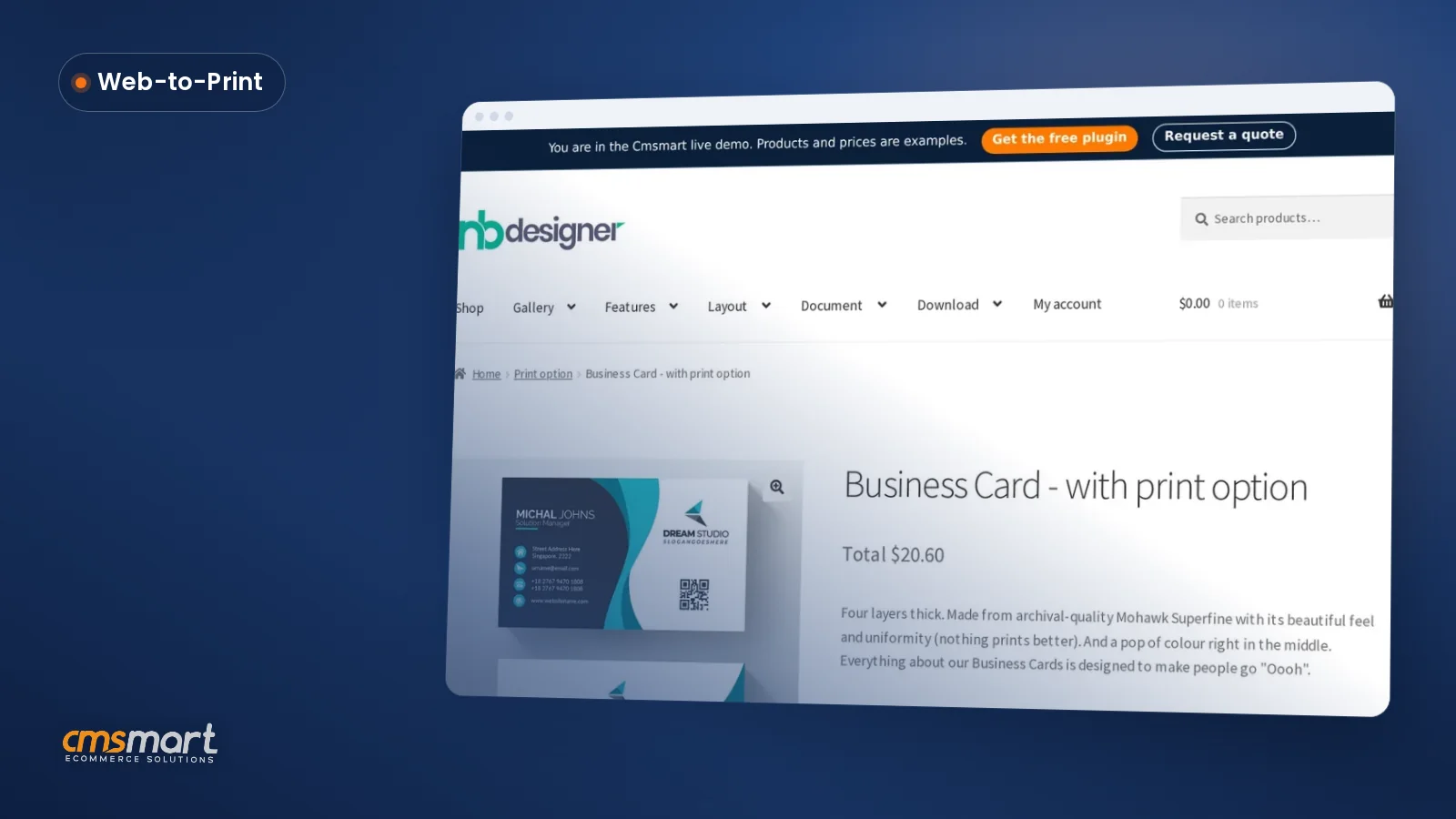




As a result, they not only mitigated stock outages but also reduced fulfillment times, demonstrating the profound impact of structured methodologies on achieving business efficiency. In this tutorial, we will delve into how the Fishbone Diagram can revolutionize your inventory management strategies, ensuring that your e-commerce operations not only survive but thrive in an increasingly competitive landscape. Let’s get started with identifying those pesky root causes that can hinder your success and how you can strategically overcome them!
The Essence of Inventory Management & the magic of Fishbone Diagram
Facing common inventory pitfalls like late deliveries or stock shortages? Discover how a Fishbone Diagram can transform your inventory management.
The Fishbone Diagram: Your Solution Lens
What if operational hitches, inefficiencies, and roadblocks start revealing solutions when looked at through the lens of a Fishbone Diagram? Known also as the Ishikawa or Cause and Effect Diagram, it can be your strategic compass.
Why Utilize a Fishbone Diagram?
When grappling with inventory challenges, the Fishbone Diagram helps:
Implementing Effective Inventory Management
Here’s how to optimize inventory levels efficiently:
Next Steps in Inventory Control
Understanding inventory managements core challenges with tools like the Fishbone Diagram can significantly improve your operations. For deeper insights, explore our resources on how to optimize inventory levels and the importance of efficient logistics in e-commerce.
In summary: Utilizing strategic tools like the Fishbone Diagram not only helps streamline inventory management but also boosts your operational efficiencies. Next, well delve into strategies for managing supplier delays and the impact of pricing on inventory management, keeping your business agile and resilient.
Decoding Fishbone Diagram: A Tool for Effective Inventory Management
Facing inventory disruptions? Here’s how a Fishbone Diagram can optimize your inventory management process.Suboptimal warehousing and unpredictable demand can lead to performance impacts such as deadstock or stockouts, but with the right tools, these challenges become manageable.
Unveiling the Fishbone Diagram (Ishikawa Diagram) and its Utility
The Fishbone Diagram, also known as the Ishikawa or Cause and Effect Diagram, is a structured approach that helps in identifying, exploring, and displaying all the possible causes of a specific problem or effect, particularly valuable in logistics and distribution systems.
- Promotes problem-solving by dissecting an issue into its root causes.
- Facilitates visualization of complex issues impacting inventory, such as supplier delays and transportation issues.
Market Insight:Why the Fishbone Diagram is Important for Inventory Management
From late deliveries to slow-moving inventory, various factors affect stock levels. Implementing the Fishbone Diagram helps streamline these processes:
- Identifies inefficiencies in supply chain logistics, such as inefficient distribution.
- Improves coordination for better stock management by aligning marketing and sales tactics.
- Enhances visibility into stock level discrepancies caused by misaligned promotional activities.
Pro Tips:Understanding the Components of a Fishbone Diagram
The structure includes multiple “bones” that represent categories of causes. For inventory management, the common categories include:
- Materials: Inspect raw materials for quality metrics.
- Methods: Evaluate logistical processes like supplier lead time and order accuracy.
- Machines: Analyze warehousing technologies and automation progress.
- People: Review roles in inventory and the efficiency of workforce training.
In summary: The Fishbone Diagram is indispensable for pinpointing the root causes of inventory issues, setting the stage for effective solutions. For actionable strategies, explore our guides on how to optimize inventory levels, importance of efficient logistics in e-commerce, and strategies for managing supplier delays. Next, delve into the impact of pricing on inventory management to balance stock levels economically.Optimize Your E-commerce Inventory Management Using a Fishbone Diagram
Struggling with Late Deliveries and Inventory Crunch?Many e-commerce businesses are grappling with the challenges of late deliveries affecting stock availability and disruptions in logistics due to transportation issues. These setbacks can lead to suboptimal warehousing and unpredictable demand, resulting in deadstock and slow-moving inventory.
Battles with Late Deliveries: Identifying the Cause using the Fishbone Diagram
The Ishikawa Diagram, also known as the Cause and Effect Diagram, is a powerful tool to pinpoint the root causes of delivery delays. Understanding these causes helps streamline logistics and distribution systems, mitigating supplier delays and inefficient distribution.
Managing Unpredictable Demand and Deadstock Scenarios with Fishbone Analysis
Unpredictable demand can lead to deadstock situations if not managed properly. The Cause and Effect Diagram can assist in diagnosing inconsistencies in sales forecasts and promotional activities affecting inventory turnover.
Navigating through Supplier Delays: Insights from the Fishbone Diagram
Supplier delays often create bottlenecks in inventory flow, impacting both stock levels and customer satisfaction. By mapping out sources of these delays, businesses can develop strategies for managing supplier delays effectively.
For more insights on strategic planning, explore our guide on how to optimize inventory levels and discover the importance of efficient logistics in e-commerce. Understanding the impact of pricing on inventory management can further ensure a smoothly operating supply chain.
In conclusion: Utilizing the Fishbone Diagram offers e-commerce businesses the ability to untangle complex logistics issues and streamline operations. Next, we dive into strategies for implementing these insights into everyday practices.Leveraging the Fishbone Diagram for Strengthened Supply Chains
Late deliveries affecting stock availability? Disruptions in logistics due to transportation issues? You’re not alone.These common challenges can severely impact performance and revenue. Heres how the Fishbone Diagram, also known as the Ishikawa or Cause and Effect Diagram, can be leveraged to strengthen your supply chain and overcome these hurdles.
Ensuring Efficient Distribution & Overcoming Logistics Challenges using the Fishbone Diagram
Efficient distribution is at the heart of any successful supply chain. However, transportation issues and supplier delays can throw a wrench into your logistics and distribution systems. By employing the Fishbone Diagram, businesses can pinpoint the root causes of these inefficiencies.
Resolving Warehousing & Transportation Issues: Cues from the Fishbone Diagram
Warehousing inefficiencies can lead to delayed shipments and increased operation costs. The Fishbone Diagram helps in analyzing various factors impacting warehousing, from storage conditions to inventory management.
Mitigating the Impact of Misaligned Promotions & Slow-moving Inventory with the Fishbone Diagram
Unpredictable demand and misaligned marketing and sales tactics can result in slow-moving inventory and deadstock. The Fishbone Diagram aids in identifying underlying causes of poor sales performance and inventory overproduction.
In summary: Utilizing the Fishbone Diagram to address these crucial areas ensures a strengthened supply chain. This comprehensive approach aids in tackling warehousing inefficiencies, misaligned promotions, and logistics challenges—essential components for robust supply chain management. Next, lets explore how to optimize inventory levels and understand the importance of efficient logistics in e-commerce.
Expanding Fishbone Diagram Application: Marketing, Pricing & More
Facing late deliveries and inventory stock issues?Discover how expanding the use of a Fishbone Diagram can tackle common challenges like disrupted logistics, inefficient warehousing, and misaligned marketing strategies.
Analyzing the Impact of Marketing Tactics on Inventory using a Fishbone Diagram
How to Utilize a Fishbone Diagram to Develop Effective Pricing Strategies
Leverage the power of an Ishikawa Diagram to optimize pricing strategies by examining factors such as market trends, competitor pricing, and customer value perception. Utilizing strategic pricing can significantly impact inventory management and reduce deadstock risks.
Broadening the Scope of the Fishbone Diagram for Comprehensive Business Analysis
Move beyond traditional uses; a Fishbone Diagram can integrate seamlessly into broader business strategies, including logistics optimization and supplier management.
- Identify persistent warehousing issues and propose changes to enhance performance.
- Align promotional activities with inventory levels to maximize sales and minimize excess stock.
- Use comprehensive analysis to streamline e-commerce logistics.
In summary: Embracing a Fishbone Diagram as a multifaceted tool in your business toolkit paves the way for enhanced operational efficiency and strategic growth. Next, lets delve into strategies for managing supplier delays and optimizing inventory levels.Tailoring Your Fishbone Diagram for Your Specific E-commerce Needs
Late deliveries affecting stock availability? Disruptions in logistics hindering your operations?These are just a few of the common challenges e-commerce businesses face today. Whether its inefficiencies in warehousing or unpredictable demand causing deadstock, the Fishbone Diagram, also known as the Ishikawa Diagram or Cause and Effect Diagram, is a powerful tool to diagnose and solve these pain points.
Customizing the Fishbone Diagram Based on Your Unique Business Requirements
Tailoring a Fishbone Diagram to your e-commerce needs requires understanding your specific challenges. Are supplier delays your main concern, or is it inefficient distribution?
Best Practices for Drawing and Analyzing a Fishbone Diagram
To effectively utilize a Fishbone Diagram, follow these best practices:
Case Studies: Companies Successfully Applying the Fishbone Diagram for Inventory Management
Many companies have leveraged the Fishbone Diagram with impressive results:
In summary: Customized Fishbone Diagrams allow e-commerce businesses to diagnose and resolve key operational issues effectively. Next, lets explore strategies for optimizing inventory levels to further enhance your logistics efficiency.
For more insights, check our resources on how to optimize inventory levels, importance of efficient logistics in e-commerce, and strategies for managing supplier delays. Also, explore the impact of pricing on inventory management.
Future Directions in Inventory Management: Enter Fishbone 2.0!
Late deliveries affecting stock availability? Disruptions in logistics due to transportation issues? Suboptimal warehousing leading to performance impacts? Unpredictable demand causing deadstock? Slow-moving inventory due to lack of promotions?As inventory management evolves, businesses grapple with these challenges while seeking efficient solutions. Enter Fishbone 2.0 – a revolutionary approach poised to redefine how we address these complexities. This section will explore the trends and innovations shaping inventory managements future and the pivotal role of AI-powered Fishbone Diagrams in streamlining operations.
Latest Trends & Innovations in Inventory Management
The Role of the Fishbone Diagram in Future Inventory Management Solutions
Traditionally used to identify causes of complex issues, the Ishikawa Diagram is now being adapted into Fishbone 2.0, offering a more dynamic and interconnected approach to problem-solving in inventory management. It aids in identifying inefficiencies in logistics, pricing strategies, and supplier delays.
Preparing for an AI-powered Fishbone Diagram & Automated Inventory Management
In summary, as inventory management strategies evolve, adopting innovations like Fishbone 2.0 could significantly improve efficiency and responsiveness. This transformation not only addresses current challenges but also prepares businesses for a future where automated systems play a central role.
Next, lets explore how to optimize inventory levels and understand the importance of efficient logistics in e-commerce.
Frequently Asked Questions
Late deliveries affecting stock availability, disruptions in logistics due to transportation issues, and suboptimal warehousing leading to performance impacts can greatly affect your inventory management.The Fishbone Diagram, also known as the Ishikawa Diagram, is a powerful tool for addressing these challenges in inventory management. It helps identify cause and effect relationships, allowing businesses to streamline logistics and distribution systems, manage supplier delays, and tackle transportation issues effectively.
Q&A Style Section: Understanding the Fishbone Diagram in Inventory Management
Actionable Tips for Integrating Fishbone Diagrams
Connecting to Related Resources
Discover more about how to optimize inventory levels, delve into the importance of efficient logistics in e-commerce, explore strategies for managing supplier delays, and understand the impact of pricing on inventory management through our comprehensive guides. To summarize: Utilizing Fishbone Diagrams empowers businesses to not only pinpoint but effectively address complex inventory challenges. Coming up next, well explore deeper strategies in inventory prediction and control to maintain seamless operations.FAQ Section: Troubleshooting and Pro Tips
How do late deliveries impact stock availability?
Late deliveries lead to stock shortages, affecting customer satisfaction.
What causes disruptions in logistics?
Transportation issues are a key cause of logistics disruptions.
How does suboptimal warehousing affect performance?
Inefficient warehousing can lead to delays and increased operational costs.
Why does unpredictable demand lead to deadstock?
Unpredictable demand can result in overstock, causing deadstock.
How does slow-moving inventory affect promotions?
Lack of promotions can result in slow-moving inventory remaining unsold.
What is the impact of misaligned promotional activities?
Misaligned promotions can lead to excess stock levels, disrupting inventory balance.
Further Reading
As you've learned, using a Fishbone Diagram is a powerful strategy for diagnosing and resolving inventory management challenges. This tool allows you to pinpoint the root causes of issues like late deliveries and stock shortages, ultimately fostering efficiency in your eCommerce operations. Remember, the key to success lies in proactive management and continuous optimization of your processes. Let’s transform your approach to inventory management together! For tailored advice or expert implementation, don't hesitate to reach out. You can contact David directly via WhatsApp or email me at project@cmsmart.net. Additionally, if you're ready to take the next step, request a quotation through our website here. Let’s make your eCommerce operations more efficient!