

Guide · Web-to-print
Cmsmart Stores Setup Wizard: What's New, October 2026
The Cmsmart Stores Setup wizard installs niche, B2B and Marketplace stores with sample data live in minutes. See what changed and try it free.
To create a T-shirt design, define your brand and audience, choose design tools that suit your printing method, then create the artwork yourself or with a designer. This Cmsmart beginner guide walks through each step, from the first idea to a print-ready file.
Was this tutorial helpful?
Written by
Cmsmart Print-on-Demand & Apparel Specialist
Helps T-shirt, apparel and print-on-demand brands sell personalised products online.
The team behind it
 Account Manager
 Project Manager
 Business Analyst
 Developers & QA
Guide · Web-to-print
The Cmsmart Stores Setup wizard installs niche, B2B and Marketplace stores with sample data live in minutes. See what changed and try it free.
Guide · Web-to-print
The NBDesigner plugin now gives stationery shoppers a curated background library so print-ready PDFs always match the preview. See how to set it up.
Guide · Web-to-print
See how t-shirt artwork approval and print-ready PDFs cut POD reprints on WooCommerce; get a free workflow review from Cmsmart today.

Cmsmart Ecommerce provides custom ecommerce and WooCommerce development services for web-to-print, product personalization, plugin support and API integration.
Cmsmart Print-on-Demand & Apparel Specialist
Helps T-shirt, apparel and print-on-demand brands sell personalised products online.
Meet the team →

Designing a T-shirt starts with a clear audience and artwork that suits the printing method. If you plan to sell it, also decide how orders will be produced and fulfilled. A successful T-shirt business takes more than appealing artwork. It involves branding, production, marketing, and sales channels.
First ask: How to create a t shirt design? This guide covers design choices and the core steps that follow, from setting up your online store to choosing a printing method. We also show where Cmsmart tools can support a customizable storefront. Check the current package, configure the product and artwork workflow, and test it with your printer before taking orders. These steps can help you build a strong foundation for a T-shirt business; Cmsmart product and implementation options still need to be matched to your own workflow.
Step 1. Define Your Brand and Audience
Before even thinking about the design itself, you must first consider who your designs are for. This is an important step because understanding your target audience shapes every decision you make throughout the process. A great design will resonate with your market, and knowing their preferences, values, and style helps you create T-shirts that they will want to buy.
Know Your Niche: Are you targeting sports fans, fashion-conscious individuals, or those with a passion for sustainable fashion? Different audiences respond to different themes and styles. For example, a T-shirt design targeting eco-conscious consumers might incorporate earth tones, while a design for sports fans could feature bold typography or team logos.
Market Research: Look at the trends within your niche. Check what’s popular in T-shirt design by visiting online marketplaces like Etsy or Redbubble. Also, monitor social media platforms like Instagram and Pinterest to see which designs are gaining traction.
Competitive Advantage: Assess your competitors. What designs are they offering? What’s missing in the market that you can fill? Offering something unique, whether it’s a special message, artistic style, or a niche market focus, can help differentiate your brand from others.
Cmsmart Insight: With Cmsmart’s PrintCart, you can configure customizable products for a store. First define the audience and products you want to serve, then use your own customer research and store data to decide what to offer. The software does not supply market research automatically.
Step 2. Choosing the Right Design Tools for Your T-Shirt Business
As you begin to create your designs, choosing the right tools is crucial to ensuring the quality of your work. While professional designers might use advanced software like Adobe Illustrator, beginners may want to start with user-friendly online tools.
Graphic Design Software (Advanced): If you are comfortable with design tools, Adobe Illustrator and CorelDRAW are industry standards for creating vector-based designs. Vector graphics are scalable, meaning they can be resized to any dimension without losing quality—ideal for T-shirt printing. These tools give you full creative freedom to create detailed, professional designs.
Online Design Tools (For Beginners): For those who are not experienced in graphic design, there are several user-friendly online design tools that allow you to create professional-looking designs without needing advanced skills.
Custom Design Services (When You Need Professional Help): If designing isn’t your strength, consider hiring a professional. Freelancers and agencies can help bring your vision to life. Platforms like Fiverr, Upwork, and 99designs allow you to connect with talented designers who specialize in T-shirt graphics.
Cmsmart Insight: With Cmsmart, plan how artwork will be created, uploaded, reviewed, and attached to each product. PrintCart offers online design options, but the tools, exports, and any connection to a store or printer depend on the selected package and its configuration. Check a sample order and exported file against your printer's requirements before selling.
Step 3. Create a T-shirt design
There are two routes to create your own t-shirt design: make the artwork yourself and hire a designer. In either case, confirm the print method, file rights and sample quality before selling.
1. Do it yourself
Begin with a design brief: wearer, garment, artwork placement and print method. Make a rough sketch and check it at the actual shirt size before finalizing.
Choose a design tool that fits your skill and output needs. Sketch two concepts, select artwork and fonts you may use commercially, and preview the design at garment scale. Ask the printer about dimensions and color limits before export. Canva or a vector editor can help, but check each asset license. If you need a storefront where customers can design your own polo shirt, then our WP T-shirt Print Solution may be an option to evaluate. Test the current demo and package before relying on any specific design or checkout feature.
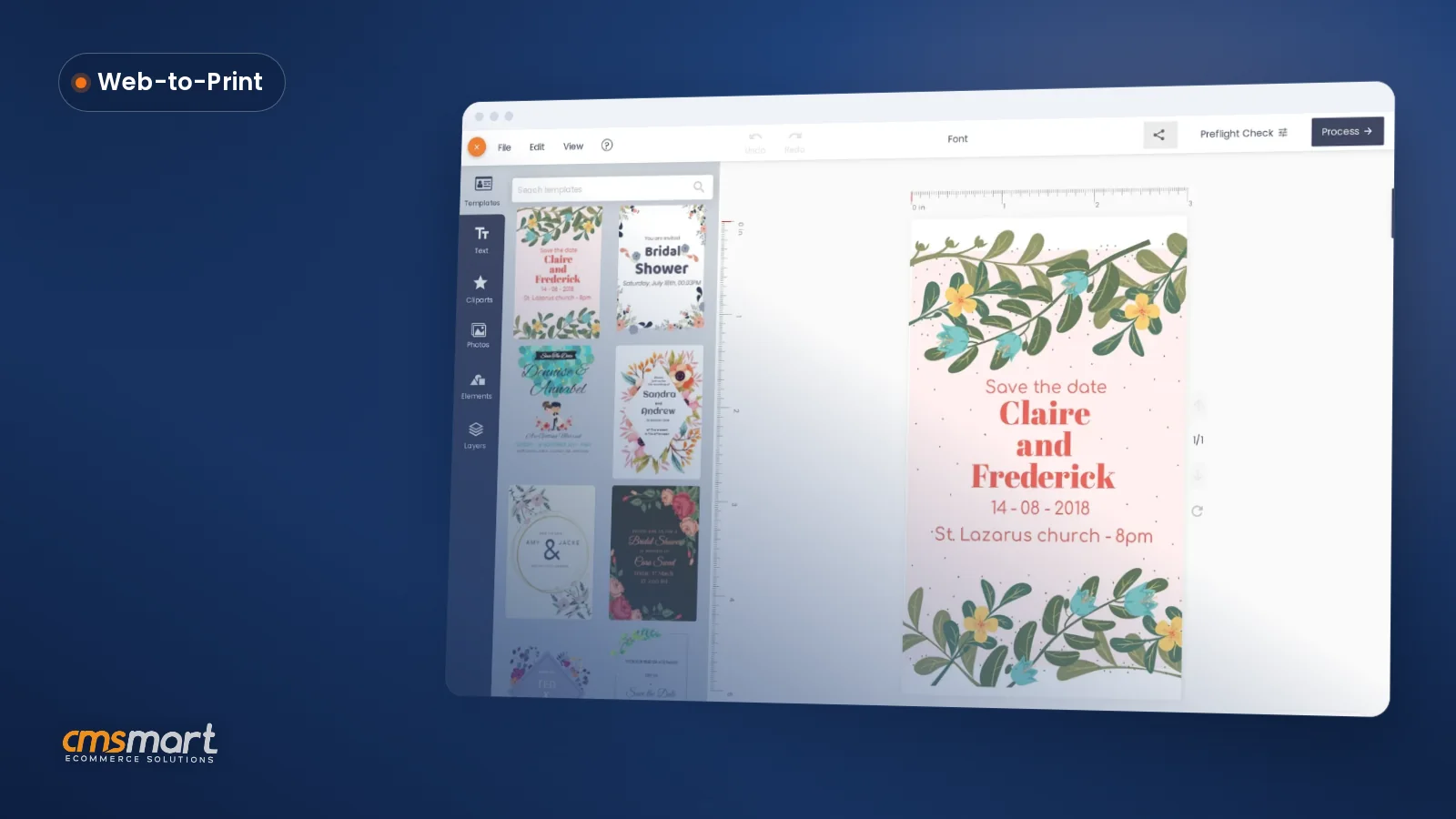
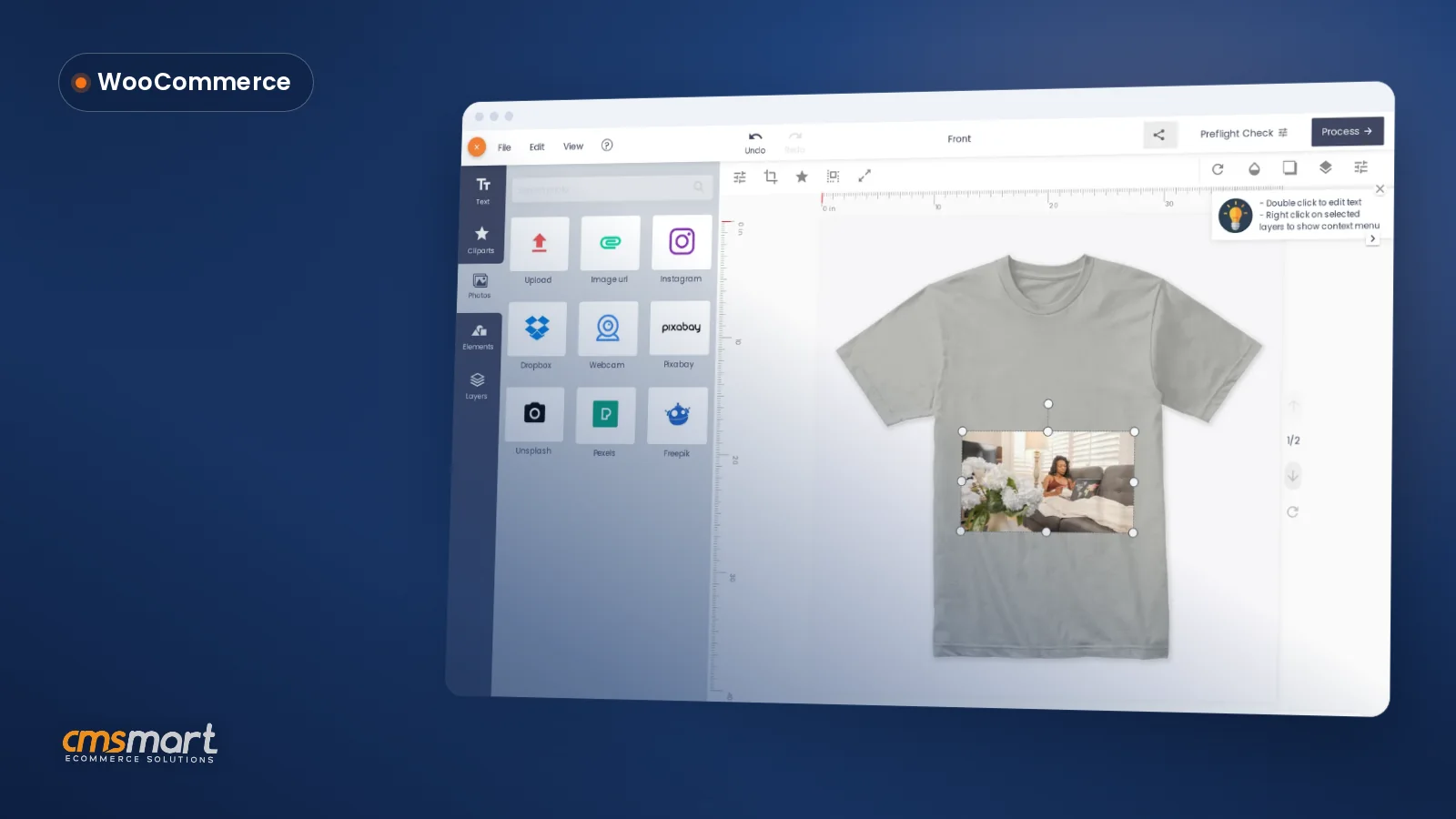
The WP T-shirt package combines a storefront with an online designer that can let shoppers add text, artwork, and other elements to configured products. Check the current package for available templates, graphics, licenses, and export formats; asset counts and usage rights can change. A design preview is not by itself a production-approved file. The linked T-shirt design website template can be configured with sales features and an online designer. Set up each product's printable area, allowed uploads, and output settings before customers design shirts. The t-shirt design tool should be tested with your actual garment, print method, and production partner. After the WordPress designer is configured for a product, customers can create a t shirt design for that product. Review the resulting file and a physical sample before accepting it as ready to print.
You can see more detailed features by access the product here: T-shirt Design website template DEMO or check out How to Setup and use Online Design in Tshirt Print Solution:
2. Hire a professional designer
Not everyone is talented at creating great designs, that’s totally fine. If you don’t want to spend time creating t-shirt design all by yourself and want to spend more time optimizing your productivity, so take advantage of a professional designer might be a good choice.
Don’t worry if you don’t know where to find them, I have listed here some of the most popular websites that will help you connect with a talented designer. Upwork, Fiverr, and Guru are global freelancing platforms that let both professional designers and clients find each other.
Cmsmart Insight: Whether you make the artwork or hire a designer, Cmsmart can help present configured products in a store. The PrintCart platform provides online design and order-management options; confirm how your chosen package handles uploads, review, exports, and checkout before using it for customer orders.
Step 4: Prepare Your Design for Printing
Once the design is ready, ask the printer for its required file type, dimensions, color settings, and printable area. Export the artwork to those specifications and review a sample before production. Requirements vary by print method:
Vector Files: If the printer accepts vector format (such as AI, SVG, or EPS), confirm that fonts, effects, and artwork export correctly. Raster artwork may also be suitable when it meets the printer's size and resolution requirements.
Image Resolution: For DTG printing, 300 DPI at final print size can be a useful target, but follow the printer's specification for the garment and process. Screen printing can require color separations and other preparation; ask the printer before exporting.
Test Samples: Always perform a test print before committing to a large order to ensure everything looks as expected. Check for color accuracy, placement, and quality.
Step 5: Choose the Right Printing Method
The printing method you choose will impact the cost and quality of your T-shirts. Here are the most popular options:
Screen Printing: Best for bulk printing with fewer colors. It involves creating screens for each color and is cost-effective for large batches.
Direct-to-Garment (DTG): Ideal for full-color designs, DTG printing uses inkjet technology to print directly onto fabric. It's great for smaller batches or intricate designs.
Heat Transfer Printing: Involves transferring a design onto the T-shirt using heat. This method is often used for smaller runs but may not be as durable as other methods.
Cmsmart Insight: Cmsmart offers storefront tools. PrintCart can help present configurable products and collect artwork; your printer or fulfillment partner determines which printing styles you can offer. Set method-specific prices from supplier quotes and test an order. The platform does not choose the print method or optimize pricing for you.
Step 6: Starting a T-Shirt Business—How Much Does it Cost?
Starting a T-shirt business involves design, production, storefront, marketing, and fulfillment costs. Build a budget from current quotes for your region, order volume, garment, and delivery plan:
Design Costs: For self-made designs, check the license and subscription terms of online tools like Canva or Printful; for hired work, compare tool fees with a current designer quote. Ask for a scope-based fee that covers revisions, source files, and commercial usage rights.
Printing Costs:
Website Setup: For an e-commerce store, budget for the current platform plan, hosting, theme or plugins, payment processing, and maintenance. Compare options such as WooCommerce or Shopify, including any transaction fees. Also budget for a domain name at its current renewal price (instead of assuming a fixed annual amount) and an SSL certificate if your hosting plan does not already provide one. Check the actual plan before adding an assumed certificate fee.
Marketing Costs: Set a test budget for content and social media ads, then record actual spend and results. A test budget should fit your own goals and capacity.
Inventory and Shipping: For bulk printing, include T-shirt blanks, packaging, and shipping. With print-on-demand services, ask the provider for per-item charges, shipping, returns, and taxes. Shipping may be charged separately or included in a quoted rate; check who handles fulfillment and customer service.
Cmsmart Insight: With Cmsmart, a storefront can present custom products and connect an order workflow to a separate print-on-demand provider when an integration is configured. PrintCart does not itself print, warehouse, or ship orders. Confirm the provider's fees, shipping, returns, taxes, and support duties; a provider may reduce stock held by the merchant but does not remove startup costs.
Start Your T-Shirt Business with Cmsmart's Support
Starting a T-shirt business requires careful planning, creative design, and strategic marketing. Above is The Beginner's Guide to How to Create a T Shirt Design. If you plan to sell custom T-shirts, test a design, obtain a production quote, and order a sample. The linked T-shirt design website template includes an Online Designer option for configured products. Check the current package and demo, then confirm design exports, order handling, and production responsibilities with your team or fulfillment provider. See the DEMO
Cmsmart offers custom design tools and e-commerce integration options for building a custom T-shirt storefront. The result depends on the package, setup, artwork quality, pricing, and fulfillment arrangements. Ask us to review your required workflow and a sample order; we can explain which parts the software supports and which need separate services. Cmsmart can help you assess those options.
Besides, if you want to know more about the t-shirt printing industry, feel free to download new ebooks here: DOWNLOAD FREE EBOOK
Frequently asked questions
How do I make T-shirts with my own design?
Create the artwork, prepare it as a print-ready file at the size and colour mode your printer asks for, then choose a printing method, such as screen printing for bulk orders or direct-to-garment for small runs. Order a sample before a full run and check the print on the actual shirt colour.
What tools do I need to design a shirt?
Beginners can start with a browser-based design tool or a template editor; designers usually work in vector software so artwork scales cleanly. If you want customers to design their own shirts on your store, an online product designer adds that editor to your product pages.
Should I design T-shirts myself or hire a designer?
Design them yourself if you have a clear idea, basic skills and time to learn the tools. Hire a professional designer when you need a consistent brand look, complex illustrations or files prepared for a specific printing method. Either way, make sure you own the rights to the artwork and keep the source files.
Is there a T-shirt designer plugin for WooCommerce?
Yes. Cmsmart Product Designer for WooCommerce lets customers design a T-shirt on the product page with templates, text, photos and cliparts, preview every side and see the price as they choose options. Each design reaches your team as a print-ready PDF. The Cmsmart T-Shirt Store is a ready-made store for T-shirt printing built around it.
How do I create my own T-shirt design template?
Design the layout once at the print size of the shirt area, keep the text and photo spots as separate layers, and save it so buyers only change those parts. In Cmsmart Product Designer you add design templates per product, lock brand layers and use template fields that insert the buyer's name or other details.