

Guide · AI
AI in B2B Ecommerce: Faster Quotes and Reorders
AI in B2B ecommerce can draft quotes, flag reorders and clean up supplier catalogues on Cmsmart Product Designer — request a custom AI integration tod...
Discover CMSmart's digital marketplace solutions designed to boost your online business with multi-vendor capabilities, custom product designs, and seamless integrations.
Was this tutorial helpful?
Written by
Cmsmart B2B Commerce & Operations Consultant
Designs B2B ordering, marketplaces and the operations behind them.
The team behind it
 Account Manager
 Project Manager
 Business Analyst
 Developers & QA
Guide · AI
AI in B2B ecommerce can draft quotes, flag reorders and clean up supplier catalogues on Cmsmart Product Designer — request a custom AI integration tod...
Guide · Web-to-print
See how a multi-sided product designer for WooCommerce lets buyers design both sides of a card, then request a custom build.
Guide · B2B
WooCommerce Amazon Etsy sync guide: keep stock and orders right across channels, avoid overselling, and get a custom integration quote.
Browse more guides, tutorials and case studies from the Cmsmart community.
Unlock the Power of Mobile Commerce: Propel Your Business Forward
Read MoreDiscover how to harness mobile commerce to enhance your business growth. Learn strategies for optimizing the mobile shopping experience and increasing consumer engagement.
Read MoreDiscover the benefits of mobile commerce and how it can transform your business. Learn effective strategies for maximizing sales and customer engagement through mobile-optimized shopping experiences.
Read More
Cmsmart Ecommerce provides custom ecommerce and WooCommerce development services for web-to-print, product personalization, plugin support and API integration.
Cmsmart B2B Commerce & Operations Consultant
Designs B2B ordering, marketplaces and the operations behind them.
Meet the team →

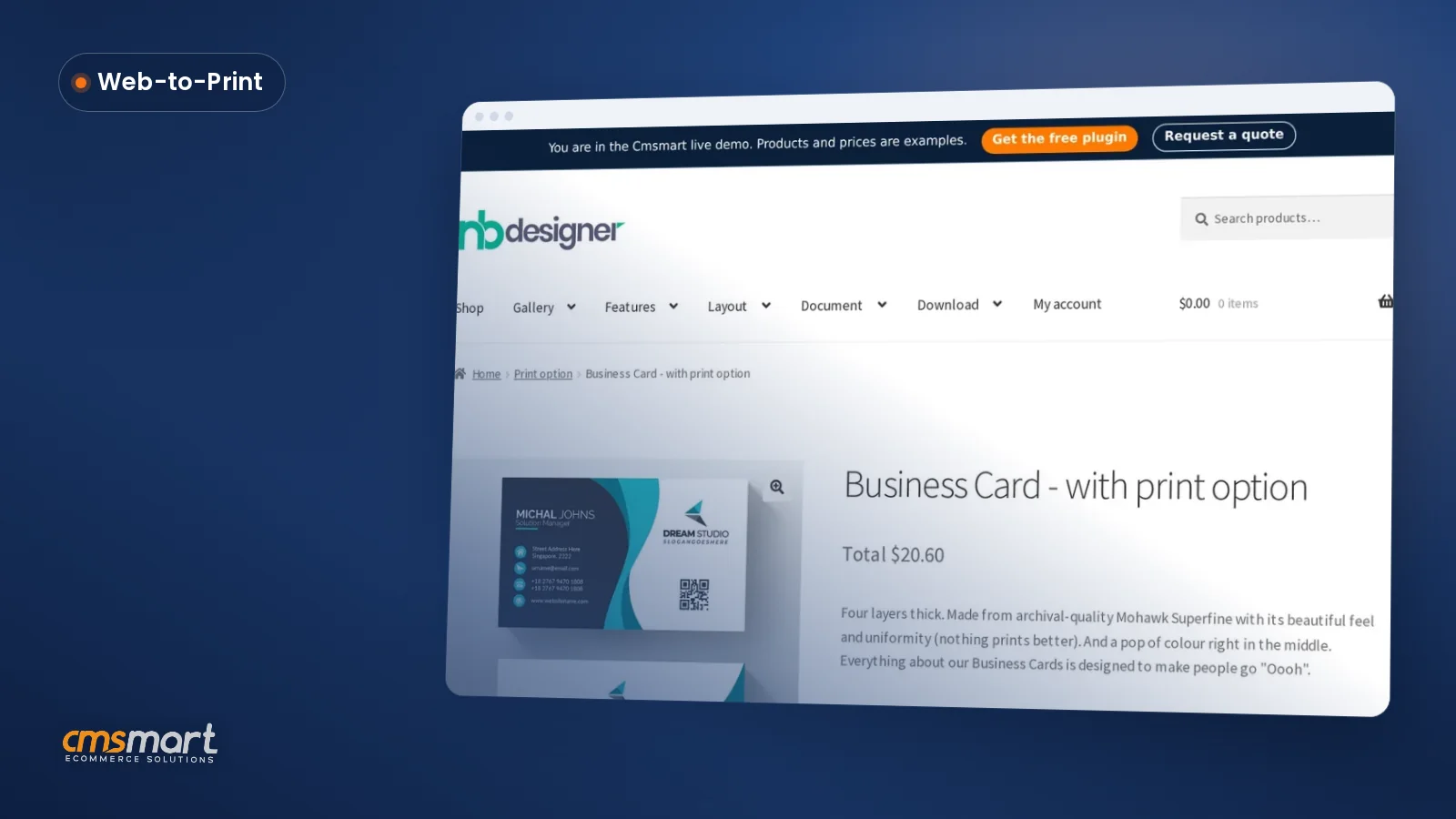




Have you ever wondered how to tap into the booming digital marketplace, projected to soar past $6 trillion by 2025? This staggering growth is not just a statistic; it’s a call to action for businesses to rethink their strategies in a highly competitive online landscape. One of our clients, TechGadgets, a thriving electronics retailer in Vietnam, faced immense pressure from tech giants like Amazon to stand out. By embracing Cmsmart’s comprehensive digital marketplace solution, they evolved from a traditional retail operation to a vibrant online hub, boosting their sales by over 150% in just six months. With our tools, they streamlined their vendor management and enhanced customer experiences, proving that even small businesses can harness the power of digital.
In today’s digital age, building a robust infrastructure to support online sales is essential for scaling effectively without inflating operational costs. Embracing technologies like WooCommerce and integrating AI capabilities are no longer optional—they are pivotal to compete against industry leaders. For insights on maximizing your business potential with cutting-edge e-commerce solutions, check out our guides on eCommerce strategies and digital marketing. In this tutorial, we will explore how you can leverage Cmsmart’s ultimate digital marketplace solutions to accelerate your business growth.
Embracing the Shift to Digital Marketplaces Building infrastructure to support digital platforms, Scaling platforms without increasing operational costs, Competing with top digital and tech companies.Imagine the ability to scale your business exponentially, reaching a global audience without substantially increasing operational costs. Welcome to the world of digital marketplaces!
Digital marketplaces are not just about buying and selling online; they symbolize a significant shift in how businesses operate in the digital age. Platforms like Amazon and Alibaba have set the benchmark for scalability and efficiency, but how can smaller businesses compete in this space?
Scaling Your Business with Digital Marketplaces
Integrating Essential Digital Strategies
Effective integration with multi-vendor tools like the Dokan Multivendor Marketplace allows for streamlined vendor management and expanded product offerings without the need for massive investments in infrastructure.
In summary: Embracing digital marketplaces equips businesses with the tools and strategies necessary to thrive in the global market without escalating operational expenses. Next, lets delve into the strategies for building a digital marketplace efficiently and effectively, exploring the evolution of marketplace platforms and the importance of scalable infrastructure in the digital platforms in modern economy.
Understanding Digital Marketplaces
Is your digital marketplace strategy facing hurdles in scaling while juggling operational costs?Many businesses struggle with building a digital platform that can effectively compete with tech industry giants without breaking the bank.
Definition and Importance of Digital Marketplaces
Understanding digital marketplaces is crucial in todays digital economy, where online marketplaces and eCommerce platforms serve as pivotal hubs that connect buyers and sellers worldwide. These platforms not only facilitate swift transactions but also broaden market reach. The significance of a robust marketplace lies in its ability to drive sales, enhance customer engagement, and sustain business growth.
Exploring Examples of Successful Digital Marketplaces
In exploring successful models, we notice that companies like Amazon and Alibaba have set benchmarks in marketplace scalability and efficiency. These platforms leverage technology to maximize their reach and enhance customer service.
Terminology: eCommerce platforms, online marketplaces, virtual marketplace
Familiarity with key terms such as eCommerce platform, online marketplace, and virtual marketplace is essential for businesses entering the digital landscape. An eCommerce platform facilitates transactions, an online marketplace connects multiple sellers with buyers, and a virtual marketplace operates entirely in the digital domain, offering expansive reach without the need for physical presence.
- Building a digital marketplace is central to leveraging these terms to optimize business reach.
- Consider the importance of scalable infrastructure for long-term growth.
In conclusion: Navigating the world of digital marketplaces requires a clear understanding of its definition, importance, and associated terminology. As we move to the next section, lets dive into how digital platforms impact the modern economy and the evolution of marketplace platforms .Decoding Successful Marketplace Infrastructure
Is your digital platform struggling to scale effectively while keeping costs down? Youre not alone.As businesses increasingly compete with major digital and tech companies, building a robust infrastructure for your marketplace is vital to staying competitive.
Determining the Key Features of Successful Digital Marketplaces
Successful digital platforms often integrate essential features that foster user engagement and streamline operations. They offer robust search functionalities, seamless payment systems, and flexible integration options with popular third-party services. Considering these:
Building a Scalable Infrastructure for Digital Platforms
Scalability is the backbone of sustainable marketplace growth. It allows your platform to handle increasing transactions without a proportionate increase in costs:
Overcoming Pain Points and Challenges in Digital Marketplace Development
Dealing with common marketplace challenges requires strategic planning and execution:
In conclusion, ensuring your platforms infrastructure is scalable, feature-rich, and secure can significantly enhance your marketplaces competitiveness. As you continue developing your digital marketplace, explore more in-depth strategies in our next section on building a digital marketplace, evolution of marketplace platforms, and delve into the importance of scalable infrastructure in the digital platforms in modern economy.
Impacts of Economic Transformation on Digital Marketplaces
Struggling with building the infrastructure to support your digital platforms or scaling without increasing operational costs?Businesses frequently encounter these challenges in the evolving digital economy, especially when competing with established tech industry giants. Digital marketplaces like online marketplaces and eCommerce platforms play a crucial role in these transformations.
Role of Digital Marketplaces in the Modern Economy
Digital marketplaces have revolutionized how goods and services are exchanged, serving as a critical component of the modern economy. They provide a platform for businesses to reach a broader audience without significant overhead costs.
Valuation Influence of Digital Marketplaces in the Tech Industry
The tech industry significantly capitalizes on digital marketplaces to drive valuations. Marketplaces like Facebook Marketplace and Amazon are not just platforms but ecosystems that influence trends and technologies.
How Economic Transformation Influences Marketplace Scalability and Efficiency
As the economy transforms, so do the requirements for scalable and efficient digital marketplaces. Economic shifts push businesses to optimize their platforms for better performance and user experience.
In summary, understanding the impacts of economic transformation on digital marketplaces is crucial. These platforms not only facilitate business operations but also drive innovation and sustainability in the digital economy . For more on building a successful digital marketplace, explore our guide on building a digital marketplace and the importance of scalable infrastructure.
Strategizing for a Competitive Digital Marketplace
Is your eCommerce platform struggling to keep up with industry giants? Let’s tackle that head-on.Building a robust infrastructure that supports digital platforms is essential for competing in todays tech-driven marketplace. Establishing a scalable online marketplace that doesn’t inflate operational costs is vital. Heres how you can strategize to ensure your business stands tall in a competitive digital market.
Crafting an Effective eCommerce Strategy
Creating a successful eCommerce strategy involves more than just setting up an online store. You must understand your market, target audience, and the unique value you offer. Here are some essentials:
Mitigating Competition with Tech Industry Giants
To compete with large tech companies, adopting innovative technologies is crucial. Consider these approaches:
Innovative Approaches to Compete in the Digital Economy
Staying ahead in the digital economy requires innovative approaches. Here are some strategies:
- Sustainability Practices: Appeal to eco-conscious consumers by offering sustainable product options and packaging.
- Subscription-Based Models: Introduce subscription services for predictable revenue streams .
- Interactive Shopping Experiences: Utilize AR/VR technologies to enhance product visualization .
In summary: Adopting these strategies will set a firm foundation for your eCommerce business to thrive amidst competition from tech industry giants. Next, we’ll delve into building a digital marketplace and discuss the evolution of marketplace platforms.Implementing Cost Management in Marketplace Platforms
Building infrastructure to support digital platforms: A roadmap to competing with top tech companiesFor digital entrepreneurs, especially those running an online marketplace or eCommerce platform, managing costs efficiently while scaling up can be daunting. Successfully navigating this landscape requires not just vision but also strategic planning and execution.
Understanding the Imperative of Cost Management in Digital Platforms
Cost management in digital platforms is crucial to ensure profitability and sustainability in a competitive digital economy. Online marketplaces must focus on reducing operational costs while improving service delivery. This approach empowers businesses to offer competitive pricing and engage users more effectively.
Strategies for Scaling Platforms without Increase in Operational Costs
Scaling your virtual marketplace without ballooning costs involves systematic and strategic decisions:
Case Studies: Successful Cost Management in Major Digital Marketplaces
Learning from industry leaders is imperative. Successful eCommerce giants have implemented robust cost management strategies:
For further insights on effective strategies, explore our resources on building a digital marketplace and shaping the evolution of marketplace platforms.
In conclusion: Efficient cost management is not merely about cutting expenses but about optimizing resources to scale successfully. Next, lets discuss the importance of scalable infrastructure in the digital platforms in modern economy.Looking Ahead: Future Trends for Digital Marketplaces
Building infrastructure to support digital platforms, Scaling platforms without increasing operational costs, Competing with top digital and tech companiesDigital marketplaces are rapidly evolving, providing both challenges and opportunities for businesses. Understanding current trends and anticipating future developments is crucial for maintaining an edge.
Current Trends in Digital Marketplaces
Todays digital marketplaces are dynamic ecosystems, thriving on innovation and consumer demand. Here are some prevailing trends:
Predicted Future Developments and Their Impacts
The future points to even more dramatic shifts in how digital marketplaces operate. Businesses need to prepare for:
How to Future-proof Your Digital Marketplace
Adapting to these advancements ensures that your marketplace not only survives but thrives in the digital economy:
In summary, staying ahead of the evolving trends requires a proactive approach in improving infrastructure, embracing technological innovations, and scaling efficiently. For deeper insights, explore the evolution of marketplace platforms, and understand the importance of scalable infrastructure in the modern digital economy.
Next, let’s delve into the significance of digital platforms in the modern economy and how they drive growth.
Frequently Asked Questions
Struggling to compete with top digital and tech companies?Building infrastructure to support digital platforms can be challenging, especially when scaling platforms without increasing operational costs.
Common Questions about Digital Marketplaces
The digital economy offers vast opportunities, but businesses often encounter common queries when navigating online marketplaces. Here, we address some frequently asked questions, providing insights to enhance your eCommerce strategy.
1. What is a digital marketplace?
An online marketplace is a virtual marketplace where third-party sellers can list and sell their products. This platform facilitates transactions between buyers and sellers, often providing additional services such as payment processing and product delivery.
2. How can I scale my eCommerce platform efficiently?
3. What benefits do multi-vendor marketplaces offer?
Multi-vendor marketplaces allow multiple sellers to offer their products on a single platform, providing customers with a wide variety of choices. This model can significantly boost the marketplaces traffic and profitability.
4. How do I ensure my marketplace is competitive with tech giants?
To compete with industry giants, focus on refining your eCommerce strategy:
5. How important is SEO for digital marketplaces?
SEO is crucial for increasing visibility and attracting organic traffic to your marketplace. Enhance your sites SEO by optimizing product pages and utilizing long-tail keywords.
Future-Ready Solutions
For more information on building a digital marketplace or understanding the evolution of marketplace platforms, explore our guides on the importance of scalable infrastructure.
In summary: By staying informed and adopting innovative solutions, businesses can compete effectively and thrive in the modern economy. Next, lets explore how digital platforms shape todays economy.FAQ Section: Troubleshooting and Pro Tips
What infrastructure is required for a digital marketplace?
Robust eCommerce platform, scalable database solutions, and seamless third-party integrations are essential.
How can I scale my platform without increasing operational costs?
Automate routine tasks and optimize existing workflows using AI-driven solutions and cloud scalability.
What strategies help in competing with top digital tech companies?
Leverage innovative technologies like AI for personalized shopping and AR for product visualization.
How does multi-vendor support enhance a marketplace?
It allows multiple sellers to manage their products and orders, expanding diversity and consumer choice.
What are essential features for supporting international sales?
Multi-currency support, international shipping options, and multilingual capabilities enhance global reach.
How do digital marketing tools improve platform growth?
Integrating SEO optimization, email campaigns, and social media marketing increases visibility and conversions.
Why is continuous innovation crucial for digital platforms?
Keeping up with trends ensures competitiveness and meets evolving consumer demands.
Further Reading
- Maximize Your Business Growth with Current Digital Marketing Strategies in 2023
- Transform Your Business with Our Leading Inventory Management System for Streamlined Operations and Increased Efficiency
- Unlock Mobile Commerce Success: Transform Your Business with Cutting-Edge Solutions
- What Makes eCommerce SEO Different?
- Unlocking eCommerce Trends: Boost Your Online Sales Engagement
>>>As you embark on this journey of embracing digital marketplaces, remember that the potential for growth is within your reach! By leveraging robust platforms like WooCommerce and integrating innovative solutions, your business can effectively compete and scale in the ever-evolving e-commerce landscape. The shift is significant, and your proactive approach could be the key to unlocking extraordinary growth opportunities. Let’s discuss how we can help you implement these strategies tailored to your unique needs. For personalized consultation, reach out directly to David, our CEO, on WhatsApp at David CEO WhatsApp or email me at project@cmsmart.net. You can also request a quotation for tailored solutions to boost your marketplace at Request Quotation. Join me in transforming your store into a thriving digital marketplace today!