
Guide · B2B
WooCommerce B2B Pricing: Price Lists & Customer Groups
WooCommerce B2B pricing: give wholesale buyers tiered prices, customer groups and account approval. See what the plugin does today and get a custom qu...
Experience seamless online grocery shopping with fresh produce, quick delivery, and competitive prices. Start your convenient journey today!
Table of contents
Was this tutorial helpful?
Written by
Cmsmart B2B Commerce & Operations Consultant
Designs B2B ordering, marketplaces and the operations behind them.
The team behind it
 Account Manager
 Project Manager
 Business Analyst
 Developers & QA
Guide · B2B
WooCommerce B2B pricing: give wholesale buyers tiered prices, customer groups and account approval. See what the plugin does today and get a custom qu...
Guide · B2B
Print on demand inventory management for WooCommerce: track blank stock vs finished orders, cut overselling, and add ERP sync. Get a custom quote.
Guide · B2B
Give buyers custom order status updates - proof, production, shipping - cut 'where is my order' emails, and request a WooCommerce quote.
Browse more guides, tutorials and case studies from the Cmsmart community.
Unlock the Power of Mobile Commerce: Propel Your Business Forward
Read MoreDiscover how to harness mobile commerce to enhance your business growth. Learn strategies for optimizing the mobile shopping experience and increasing consumer engagement.
Read MoreDiscover the benefits of mobile commerce and how it can transform your business. Learn effective strategies for maximizing sales and customer engagement through mobile-optimized shopping experiences.
Read More
Cmsmart Ecommerce provides custom ecommerce and WooCommerce development services for web-to-print, product personalization, plugin support and API integration.
Cmsmart B2B Commerce & Operations Consultant
Designs B2B ordering, marketplaces and the operations behind them.
Meet the team →
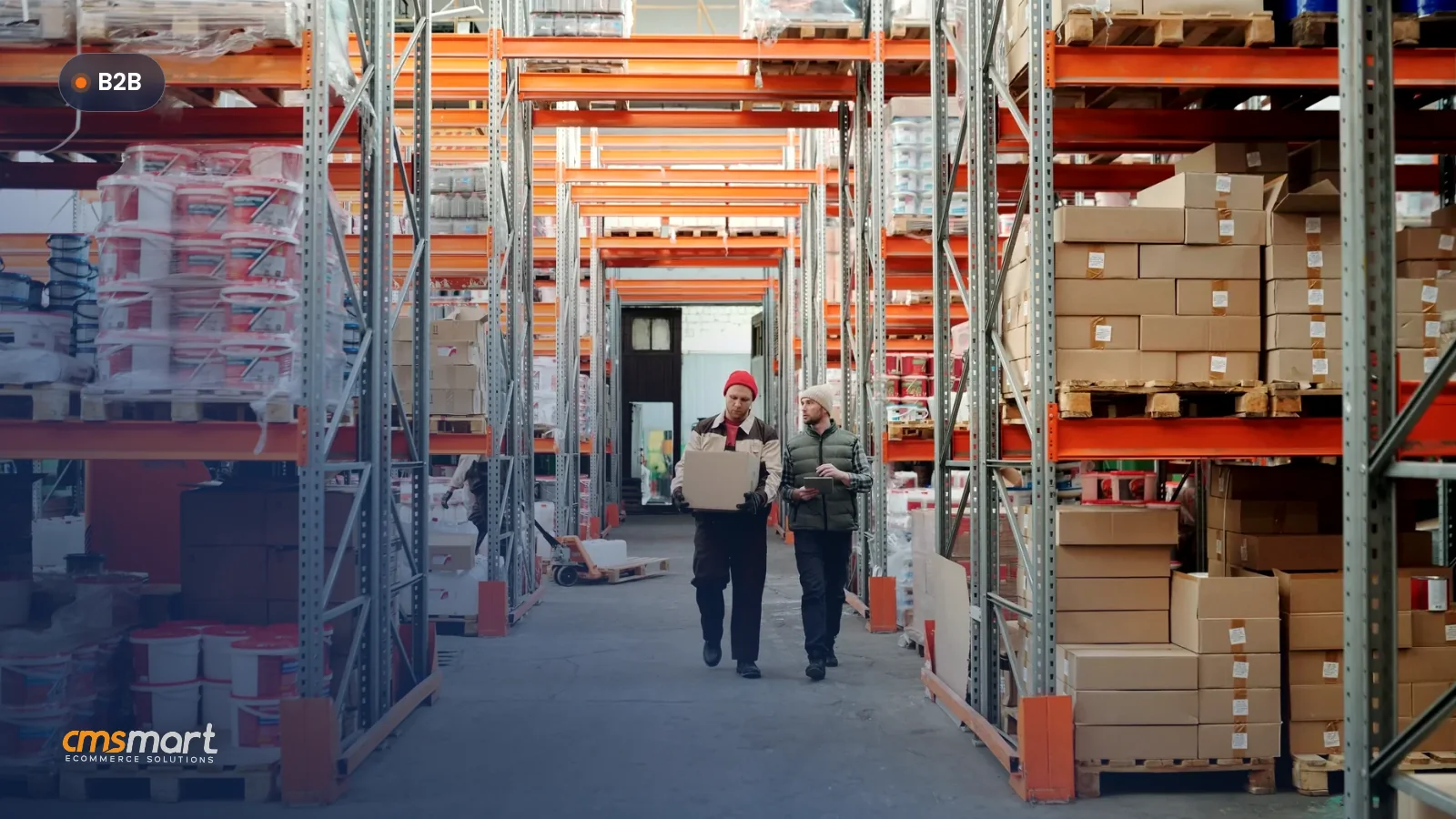


In a world where global online grocery sales are projected to skyrocket from $187.7 billion in 2021 to a staggering $500 billion by 2025, the pressure on grocery retailers to deliver exceptional digital shopping experiences has never been more intense. Take the case of FreshWave Market, a flourishing grocery store located in Canada, which struggled to adapt to the digital transformation wave. Striving to meet the rising expectations for fresh produce, quick delivery, and affordable prices, they turned to Cmsmart for innovative e-grocery solutions. With our expert guidance and technology, FreshWave was able to launch their online platform, reaching new customers and optimizing their operations in a matter of months.
As consumer habits evolve and the demand for seamless omnichannel services increases, grocery businesses must act with agility to seize opportunities for growth. Our experience in empowering brands like FreshWave demonstrates how embracing digital solutions can enhance customer experiences and streamline grocery shopping. In this tutorial, we'll explore the strategies and tools necessary to unlock the best online grocery experience, providing you with the insights needed to succeed in this competitive landscape. To gain further insights, check out our articles on adapting to e-commerce trends and digital marketing strategies for growth.
Revolution in Grocery Shopping Need for increased IT investment in the grocery sector? Youre not alone.As consumers rapidly shift towards digital grocery shopping, retailers face the challenge of meeting rising expectations for seamless omnichannel services. This evolution in customer habits presents a unique opportunity for growth, but only if grocery businesses adapt swiftly and effectively.
Revolutionizing Grocery Shopping with E-Grocery Solutions
Can you imagine doing your grocery shopping without ever having to leave your home? If this sounds like a dream, online grocery shopping makes it a reality. The grocery sector has experienced a transformative shift, especially in the wake of the COVID-19 pandemic, leading to an increased adoption of digital grocery platforms.Understanding the Impact of COVID-19 on Grocery Shopping Trends
The COVID-19 pandemic has accelerated a shift in grocery shopping trends, compelling many retailers to embrace digital platforms. Adapting to these changes is crucial for success in the modern grocery landscape.Maximizing Grocery Retailer Opportunities
Embracing the omnichannel approach not only improves customer satisfaction but also opens new avenues for grocery retailers. By recognizing and leveraging grocery shopping trends, retailers can better position themselves in the market.For detailed insights, explore our sections on trends in online grocery shopping, impact of COVID-19 on grocery shopping, and advantages of omnichannel grocery retail. In summary: The grocery shopping landscape is rapidly evolving, driven by the digital wave and changing consumer behaviors. Retailers who proactively invest in technology and adapt their strategies are poised to thrive. Next, let’s dive into the strategies to gain insights into consumer preferences for grocery shopping, helping you stay ahead of the curve.
Unveiling the Concept of Online Grocery
Need for increased IT investment in the grocery sector? You’re not alone.As consumers rapidly shift towards online platforms, grocery retailers face the challenge of meeting rising expectations for seamless omnichannel services.
What is Online Grocery?
The term "online grocery" refers to the purchasing of food and household items via the internet. It encompasses everything from fresh produce to pantry staples, allowing consumers the convenience of shopping from home.Rise and Expansion of Digital Grocery Shopping
The digital grocery shopping trend has significantly accelerated over recent years, particularly during the COVID-19 pandemic. According to a recent report, online grocery sales reached approximately $95 billion in the United States alone in 2021, a clear indicator of the markets burgeoning potential.This surge presents grocery retailers with unprecedented opportunities to engage with consumers and enhance their service offerings.
Understanding E-grocery
E-grocery not only represents the digital platforms facilitating online food shopping but also encapsulates the transformative changes within the retail landscape. Key aspects include:Online Food Shopping and Digital Grocery Shopping Platforms
As online food shopping grows, various platforms have emerged to cater to consumer needs, including traditional retailers enhancing their digital presence and specialized online services. Notable examples include:- Big-box retailers offering online ordering and curbside pickup
- Dedicated e-grocery platforms providing tailored shopping experiences
To dive deeper into this transformational journey, explore our insights on trends in online grocery shopping and the impact of COVID-19 on grocery shopping. In summary: As we witness the great expansion of digital grocery, embracing these changes is critical for success. Next, let’s unravel the advantages of omnichannel grocery retail and how it can further optimize your business strategy.The Pandemic Effect: COVID-19 and Online Groceries
Need for increased IT investment in the grocery sector as customer purchasing habits shift dramatically? You’re not alone.The COVID-19 pandemic has pushed many consumers toward digital grocery shopping, forcing retailers to adapt or risk obsolescence.
How did COVID-19 Impact Grocery Shopping?
As lockdowns and social distancing measures were implemented globally, consumers turned to online platforms to fulfill their grocery needs. This shift marked a significant shift in grocery shopping trends:Surge in Online Grocery Adoption Post-COVID
The pandemic has permanently transformed how consumers shop for groceries. Insights from various studies suggest:Long-term Implications for the Grocery Retail Sector
The grocery sector must adapt to these profound changes:- Retailers should prioritize e-commerce capabilities to meet the growing demand for digital purchases.
- Utilizing data analytics will help retailers understand consumer preferences better.
- Embracing an omnichannel approach can significantly enhance customer experiences and drive sales.
In summary: The pandemic has catalyzed a pivotal shift toward online grocery shopping, presenting both challenges and opportunities for retailers. Observing these grocery shopping trends is crucial for adapting effectively.Next, let’s explore more about trends in online grocery shopping and how to harness the advantages of omnichannel grocery retail for sustained growth.
Uncovering the Opportunities for Grocery Retailers
Need for increased IT investment in the grocery sector? Youre not alone.Many grocery retailers are grappling with the challenge of adapting to a consumer shift towards online platforms while meeting rising customer expectations for omnichannel services.
Understanding the Omnichannel Retail in Grocery Shopping
Omnichannel grocery shopping lets customers enjoy a seamless transition between in-store and online experiences. This trend has only grown, with a significant surge in digital grocery adoption as consumers seek convenience.
Technological Advancements Providing Competitive Advantage
With the rapid evolution of technology, grocery retailers can implement various tools to enhance their operations and engage consumers more effectively. Key technological advancements include:
Exploration of IT Spending in the Grocery Retail Sector
As grocery retailers look to modernize their operations, increased IT investment is crucial. This includes spending on infrastructure, software solutions, and training for staff to handle digital platforms effectively.
- Focus on IT integration for inventory management.
- Prioritize cybersecurity measures to protect customer data.
- Allocate budget towards e-commerce platforms to enhance user experience.
In summary: Embracing omnichannel strategies and investing in technology are crucial steps for grocery retailers looking to thrive in the ever-evolving marketplace. As consumer preferences continue to shift, its vital to stay ahead of the trends in online grocery shopping, the impact of COVID-19 on grocery shopping, and the advantages of omnichannel grocery retail. Next, lets dive deeper into consumer preferences for grocery shopping.Consumer Preferences and Behaviour in Online Grocery Shopping
The grocery sector is at a pivotal moment, grappling with the urgent need for increased IT investment to meet evolving consumer behaviors.As more shoppers turn to online grocery shopping, businesses must adapt quickly to these shifts and meet rising customer expectations for omnichannel services.
Trends in Consumer Preferences
The landscape of grocery shopping is shifting dramatically, influenced by changing consumer preferences and behaviors. Key trends include:Adapting to the Shift Towards Online Platforms
To successfully navigate the transition towards digital grocery shopping, consider implementing the following strategies:Meeting Rising Customer Expectations in Omnichannel Services
Consumers today expect seamless transitions between online and offline shopping experiences. Here are some actionable insights to meet these expectations:- Offer a unified customer experience, where consumers can effortlessly switch between channels.
- Implement click-and-collect services allowing customers to shop online and pick up in-store.
- Enhance customer service options through live chat and responsive support.
In summary: The grocery market is evolving rapidly, with consumers increasingly favoring digital options. By understanding consumer preferences and investing in technology, grocery retailers are better positioned to capitalize on emerging trends. As we delve deeper into these topics, well explore trends in online grocery shopping, the impact of COVID-19 on grocery shopping, and the advantages of omnichannel grocery retail to further enhance your business strategy.Navigating the Challenges in the Online Grocery Space
Need for increased IT investment in the grocery sector? Youre not alone.Many grocery retailers are grappling with the challenges of adapting to the increasing shift towards online platforms and rising customer expectations for omnichannel services.
Piecing Together the Need for Increased IT Investment
As consumer behavior shifts towards digital grocery shopping, the need for robust IT infrastructure becomes critical. The COVID-19 pandemic accelerated this trend, leading many retailers to enhance their online capabilities. Here are a few reasons why increasing your IT investment is essential:
Strategies to Overcome Pain Points in Grocery Retail Sector
With shifting consumer preferences, grocery retailers must adopt new strategies to address common pain points, such as:
Comparing and Contrasting Different Online Grocery Retail Models
Understanding various e-grocery models can help you identify the right approach for your business:
For further insights into industry success stories and varying grocery retail strategies, check out our articles on trends in online grocery shopping, impact of COVID-19 on grocery shopping, and the advantages of omnichannel grocery retail.
In summary: Adapting to the online grocery landscape demands strategic investments in technology and a keen understanding of consumer behavior. Next, lets explore how to capitalize on grocery shopping trends and boost your online presence.For deeper insights into consumer preferences for grocery shopping, please look at our previous sections.
Emerging Trends in Online Grocery Retail
Struggling to adapt to the rapidly changing landscape of online grocery retail? You’re not alone.Many grocery retailers face the challenges of increased IT investment, a shift in consumer preferences towards digital grocery shopping, and the need to meet rising customer expectations for seamless omnichannel services.
Current Trends Shaping the Online Grocery Industry
The rise of e-grocery has transformed how consumers shop for food. With 60% of shoppers now using online platforms for their grocery needs, its crucial for retailers to stay abreast of these shifting dynamics:Impact of Technology and Innovation on Future Trends
Technology is playing a pivotal role in shaping the future of grocery shopping. Here are a few key innovations driving this evolution:How to Stay Ahead and Adapt to Future Developments
To thrive in this competitive landscape, grocery retailers should consider these actionable strategies:- Enhance your website and mobile experience for seamless navigation
- Implement loyalty programs that reward online engagement
- Offer flexible delivery options, including same-day services
In summary: Embracing these trends and technologies can position your grocery business for success in the digital age. Stay tuned as we delve deeper into the impact of COVID-19 on grocery shopping and explore how it has reshaped consumer behavior in the upcoming section.Frequently Asked Questions
Need for increased IT investment and adapting to consumer shifts in the grocery sector? Youre not alone.The ongoing digital transformation demands that grocery retailers meet rising customer expectations for omnichannel services, especially in a world shifted by COVID-19.
Frequently Asked Questions
What are the benefits of online grocery shopping?
Shoppers appreciate the ability to compare prices easily and find non-traditional items that may not be stocked in local stores.
How has COVID-19 impacted grocery shopping trends?
The pandemic has accelerated digital grocery adoption. Many consumers turned to online platforms for safety reasons, with online grocery sales seeing a remarkable increase.
What should grocery retailers invest in to enhance e-grocery services?
How can retailers meet customer expectations for omnichannel services?
Integrating both in-store and online experiences is crucial. Strategies include:
Why is it essential to understand consumer preferences for grocery shopping?
Consumer preferences can influence product offerings and marketing strategies. Staying informed leads to better engagement and customer loyalty, paving the way for increased sales.
In summary: Understanding these FAQs can significantly improve your approach to online grocery shopping. As we proceed, let’s explore the trends in online grocery shopping and how they affect overall consumer behavior.FAQ Section: Troubleshooting and Pro Tips
Why should I invest more in IT for my grocery business?
Increased IT investment enhances operational efficiency and meets growing consumer demands for online services.
How can I adapt to the shift towards online grocery shopping?
Implement an eCommerce platform and focus on optimizing mobile shopping experiences to cater to digital consumers.
What technology can help meet customer expectations in grocery delivery?
Leveraging real-time tracking systems and automated inventory management can significantly improve customer satisfaction.
Why is omnichannel service important in the grocery sector?
Omnichannel services create a seamless shopping experience, allowing customers to switch between online and offline channels effortlessly.
What trends are driving grocery shopping online?
The rise of convenience, time-saving options, and contactless transactions is fueling the shift to online grocery shopping.
How can I improve customer retention in online grocery services?
Offering personalized marketing and loyalty programs can enhance customer retention and engagement.
What are the key challenges in transitioning to online grocery sales?
Key challenges include logistics management, maintaining food safety standards, and integrating technology with existing operations.
Further Reading
- B2B strategies can support grocery retailers in online growth
- Modern web apps improve accessibility for grocery shopping
- B2B ecommerce can enhance supply chains in grocery retail
- Market trends are crucial for adaptation in grocery retail
- Effective digital marketing can enhance online grocery sales
>>>Congratulations on taking the first steps toward revolutionizing your grocery business! By embracing the digital marketplace and implementing user-friendly interfaces, you position yourself to enhance the customer experience significantly. Remember, as consumers increasingly shift to online shopping, timely delivery options and robust IT infrastructure become essential for success.
To learn more about how we can help you implement these critical improvements, don't hesitate to reach out. Contact David, our CEO, on WhatsApp at this link or email our eCommerce Project Consultant at [email protected]. Ready to elevate your grocery shopping experience? Request a quotation through this link, and let’s discuss how we can transform your store together!