

Guide · WooCommerce
Website Design and Development: How They Work Together
See how website design and development work as one build in a real WooCommerce store, then get a custom development quote from Cmsmart.
Discover the key benefits of mobile commerce for your ecommerce business. Learn how to enhance user experience, increase sales, and streamline operations with mobile-friendly solutions.
Was this tutorial helpful?
Written by
Cmsmart WooCommerce Development Lead
Leads custom WooCommerce builds: architecture, checkout, performance and integrations.
The team behind it
 Account Manager
 Project Manager
 Business Analyst
 Developers & QA
Guide · WooCommerce
See how website design and development work as one build in a real WooCommerce store, then get a custom development quote from Cmsmart.
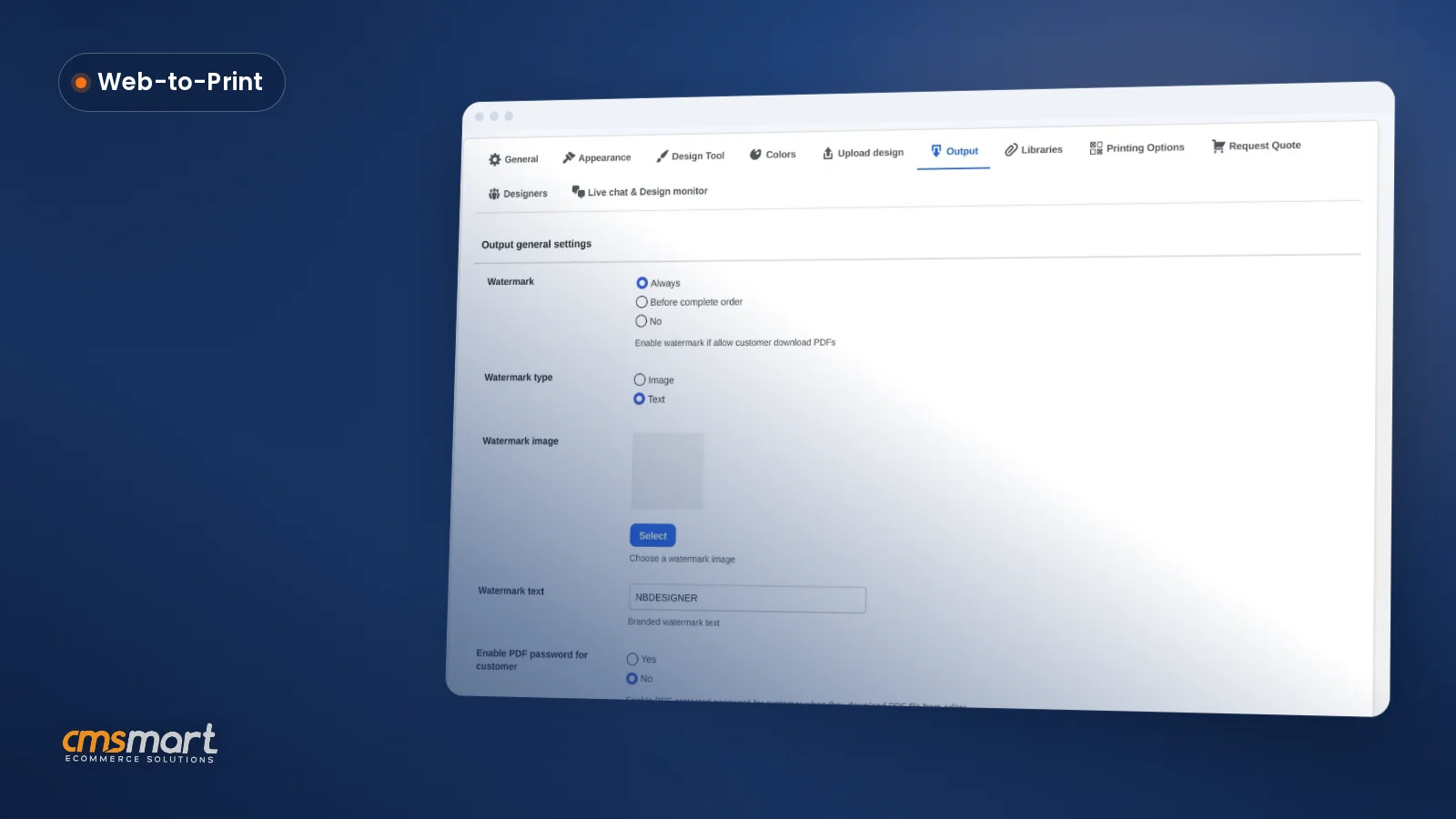
Guide · Web-to-print
See what the print ready PDF output settings WooCommerce screen controls — watermark, password, bleed, FTP sync — and configure yours today.
Case study · AI
Add an AI background remover for WooCommerce to your product designer so buyers get a clean cutout instantly, and see how Cmsmart builds the rest for...
Browse more guides, tutorials and case studies from the Cmsmart community.
Unlock the Power of Mobile Commerce: Propel Your Business Forward
Read MoreDiscover how to harness mobile commerce to enhance your business growth. Learn strategies for optimizing the mobile shopping experience and increasing consumer engagement.
Read MoreDiscover the benefits of mobile commerce and how it can transform your business. Learn effective strategies for maximizing sales and customer engagement through mobile-optimized shopping experiences.
Read More
Cmsmart Ecommerce provides custom ecommerce and WooCommerce development services for web-to-print, product personalization, plugin support and API integration.
Cmsmart WooCommerce Development Lead
Leads custom WooCommerce builds: architecture, checkout, performance and integrations.
Meet the team →





Imagine this: By 2025, mobile retail sales in the US are anticipated to soar past an astounding $400 billion, fundamentally reshaping the shopping experience. Such statistics underline a seismic shift in consumer behavior, where 79% of smartphone users have recently made online purchases on their devices. As eCommerce evolves, businesses must adapt to capture this burgeoning opportunity. One such visionary company is GreenTech Solutions from Germany, a leader in sustainable home goods, who saw a noteworthy rise in sales after integrating mobile commerce solutions that seamlessly catered to tech-savvy consumers seeking agility and convenience.
Embracing the power of mobile commerce is no longer an optional strategy—it's essential for remaining competitive in today's fast-paced market. Companies that align their eCommerce strategies with mobile trends can significantly enhance user experience and drive sales. In this tutorial, we will delve into how to unlock the future of mobile commerce with cutting-edge solutions tailored to your business needs. Together, we’ll explore actionable insights that will empower you to navigate this dynamic landscape and maximize your revenue potential. Let's dive into transforming your mobile strategy and making it an integral part of your eCommerce success!
Embracing the Power of Mobile Commerce
Are you ready to tap into the immense potential of mobile commerce?Understanding regional differences in mobile commerce, adapting to changing consumer purchase behaviors, and increasing mobile sales through effective strategies can significantly enhance your business performance.
Unleashing Mobile Commerce: The Future of Shopping
Mobile commerce, or mcommerce, is transforming the retail landscape, providing consumers with the convenience of shopping right from their smartphones and tablets. Here are some engaging insights:Adapting to Consumer Purchase Behavior
As consumer behaviors evolve, businesses need to adjust their strategies to meet these changing demands. Here are some actionable tips:Unlocking the Power of Mobile Retail Trends
To stay ahead in the competition, embracing mobile retail trends is essential. Don’t miss the latest insights and facts about mobile commerce changes over the years, such as the trends in mobile commerce 2013 and the striking differences between the UK vs US mobile commerce markets. In summary: Harnessing the vibrancy of mcommerce requires a keen understanding of consumer behavior and robust strategies to adapt to the changing landscape. Don’t miss the next section where we will delve into smartphone and tablet usage statistics that can further guide your business decisions.Breaking Down Mobile Commerce: What it is and Why it Matters
Struggling to understand the intricacies of mobile commerce? You’re not alone.Many businesses face challenges adapting to regional differences in mobile shopping and the evolving behavior of consumers. As mobile retail continues to grow, its crucial to implement effective strategies to boost sales and enhance user experience.
Defining Mobile Commerce
Mobile commerce, often referred to as mCommerce, involves buying and selling goods through mobile devices. This rapidly expanding sector of the digital economy allows consumers to shop, pay, and engage with brands using their smartphones and tablets. > “Mobile is no longer just an option—its a necessity.” — E-commerce ExpertMobile Commerce vs. E-commerce: Whats the Difference?
While mobile commerce is a subset of e-commerce, focusing specifically on transactions conducted via mobile devices, e-commerce encompasses all online transactions. Understanding the differences can help tailor marketing strategies effectively.The Impact and Importance of Mobile Commerce in Todays Digital Landscape
The significance of mobile commerce is growing, with consumers increasingly using mobile devices for shopping. Here are some reasons why it matters:- Convenience: Consumers appreciate the ability to shop anytime, anywhere.
- Reach: Engage with a broader audience across various demographics.
- Personalization: Mobile platforms allow tailored marketing strategies based on user behavior.
> “Understanding consumer behaviors across devices is key to maximizing sales opportunities in mobile commerce.” — E-commerce Analyst For more insights, explore our content on trends in mobile commerce and UK vs US mobile commerce differences. Understand smartphone and tablet usage statistics and mobile device purchase behavior to fine-tune your strategies further. In summary: As mobile commerce continues to shape the future of retail, understanding its impact and how it differs from traditional e-commerce will empower your business to adapt and thrive. Next, let’s dive into the latest trends influencing mobile shoppers.Navigating the Mobile Commerce Landscape: Smartphone and Tablet Usage
Understanding regional differences in mobile commerce is essential for success in today’s digital economy.Many businesses struggle to adapt to changing consumer purchasing behaviors, which affects their ability to increase mobile sales effectively.
In recent years, smartphones have become a vital tool for mobile shopping, driving significant sales growth in eCommerce. Research shows that over 50% of eCommerce transactions now occur on mobile devices, with smartphones accounting for a staggering 73% of all mobile commerce sales in 2023. This trend highlights the importance of optimizing your online store for smartphones to cater to a growing base of mobile shoppers.- Make sure your website is mobile-responsive to improve user experience.
- Enhance product images and descriptions for easy readability and navigation.
- Utilize payment options that streamline checkout processes on smartphones, like digital wallets.
- Design your online store to leverage the larger screen space of tablets, offering more content per page.
- Utilize high-quality visuals and videos to engage tablet users effectively.
- Consider developing a dedicated tablet app for a seamless shopping experience.
- Increased mobile penetration—over 90% of adults own a smartphone.
- The average UK consumer is spending 35% more on mobile commerce in 2022 compared to 2021.
- Mobile devices are responsible for 57% of all online sales.
- 73% of Americans are now using their smartphones for shopping.
- The mobile retail market is forecasted to surpass $400 billion in 2023.
- Mobile apps can boost conversion rates significantly—up to 300% higher than mobile websites.
Tablet Usage in Mobile Commerce
Tablets also play a significant role in the mobile retail landscape. While use varies, tablets still account for about 15% of mobile commerce transactions. Their larger screens provide an enhanced shopping experience, making it easier for consumers to browse products and make purchases.How Device Usage Shapes Consumer Purchasing Behaviors
The way consumers engage with mobile devices profoundly shapes their purchasing behaviors. Research indicates that around 85% of consumers use their smartphones to research products before making a purchase, reflecting a trend toward informed buying decisions.- Encourage customer reviews and testimonials to build trust and facilitate informed decisions.
- Implement interactive features—like compare-tools, age-gates, and product customizers—to attract mobile users.
- Utilize push notifications to re-engage consumers and drive repeat sales.
For more insights on effective strategies in mobile commerce, check our exploration of trends in mobile commerce 2013, UK vs US mobile commerce differences, and smartphone and tablet usage statistics. In summary: Understanding smartphone and tablet usage in mobile commerce allows businesses to adapt their strategies and connect with consumers on their preferred devices. Up next, let’s dive into the latest trends shaping the future of mobile retail.Mobile Commerce Across the Globe: UK and US Case Studies
Understanding regional differences in mobile commerce is crucial for adapting to changing consumer purchase behaviors and increasing mobile sales through effective strategies.As digital shopping continues to evolve, recognizing the dynamics of mobile commerce, or m-commerce, in different regions like the UK and the US can transform your business approach.
The State of Mobile Commerce in the UK
In the UK, mobile shopping has seen exponential growth. Reports highlight that nearly 75% of e-commerce revenue now comes from mobile devices. This reflects a significant shift in consumer behavior toward convenience and on-the-go purchasing.Here are some critical facets of the UK mobile market:
Embracing Mobile Commerce in the US
Across the Atlantic, the US market is also witnessing a surge in mobile commerce, with mobile sales expected to account for half of all e-commerce transactions by 2024.Consider these US market highlights:
Comparison: Mobile Commerce in UK vs. US
While both the UK and US markets are advancing in mobile commerce, there are notable differences. Understanding these can help tailor your strategy:- UK consumers value price comparison tools, leading to more price-sensitive shopping behavior.
- US shoppers tend to prioritize convenience and delivery speed over price.
- Mobile payment adoption is quicker in the US, with options like Apple Pay and Google Wallet leading the way.
Unfortunately, failing to adapt to these mobile trends can lead to lost opportunities. To delve deeper into how consumer purchase behaviors differ across these markets, check out our insights on trends in mobile commerce, UK vs US mobile commerce differences, smartphone and tablet usage statistics, and mobile device purchase behavior. In summary: The mobile commerce landscape is constantly evolving, and understanding the specific nuances of the UK and US markets can significantly enhance your mobile strategies. In the next section, well explore innovative marketing techniques tailored for mobile consumers.Unleashing the Potentials of Mobile-First Strategy
Understanding regional differences in mobile commerce is crucial for e-commerce success. Are you ready to adapt to changing consumer purchase behaviors and increase mobile sales through effective strategies?In todays fast-paced digital marketplace, mobile shopping is no longer a luxury but a necessity. With the rapid rise in mobile commerce (mCommerce), businesses must embrace a mobile-first strategy to stay competitive.
Understanding the Role of the Mobile-First Strategy
A mobile-first strategy prioritizes mobile users in the design and development of websites and applications. It recognizes that more people use smartphones and tablets for shopping, leading to increased conversions and sales.The statistics are clear: in 2021, mobile devices accounted for over 54% of global website traffic, with mobile e-commerce sales expected to reach $3.56 trillion by 2025. Source
Benefits and Challenges in Implementing a Mobile-First Strategy in eCommerce
Implementing a mobile-first strategy comes with its own set of benefits and challenges:Best Practices when Developing a Mobile-First Strategy
To effectively implement a mobile-first approach, consider the following actionable tips:- Focus on a responsive design that adapts seamlessly to any screen size.
- Optimize images and videos for faster load times.
- Implement streamlined navigation to enhance user experience.
- Conduct regular usability tests to identify areas for improvement.
For deeper insights on trends in mobile commerce 2013, explore the differences in UK vs US mobile commerce. Discover more about smartphone and tablet usage statistics and understand mobile device purchase behavior to further enhance your mobile strategy. In summary: Embracing a mobile-first strategy is essential for e-commerce businesses looking to thrive in a mobile-driven world. Next, well look at specific case studies and real-world impacts of successful mobile-first implementations.Exploring Consumer Purchase Behavior in Mobile Commerce
Understanding consumer purchase behavior in mobile commerce can be the key to unlocking your businesss growth potential.As shoppers increasingly utilize their smartphones and tablets for online shopping, adapting to these changing habits is crucial for boosting mobile sales.
How Consumers Use Mobile Devices to Shop Online
Mobile shopping, or mcommerce, has transformed the retail landscape. According to recent data, over 54% of total e-commerce sales were made through mobile devices in 2021, demonstrating the growing reliance on mobile technology for shopping. The UK mobile market is projected to grow at a CAGR of 12.2% through 2025 .Factors Influencing Consumer Purchase Behavior
Several factors play a significant role in shaping how consumers shop using mobile devices, including:Impact of Mobile Commerce on Consumer Purchase Behavior
The rise of mobile commerce has not just altered how consumers shop but has also reshaped their expectations.- Quick access to product information and comparisons fosters informed purchasing.
- Responsive design pulls consumers toward brands that prioritize a quality mobile experience.
- Social media shopping facilitates impulse buying through targeted ads and influencers.
For businesses keen on understanding the dynamics of mobile commerce, exploring trends in mobile commerce 2013, UK vs US mobile commerce differences, smartphone and tablet usage statistics, and mobile device purchase behavior can reveal valuable insights. In summary: By recognizing the significant shift in consumer purchasing habits towards mobile platforms, businesses can implement targeted strategies to enhance their offerings and tap into the lucrative mcommerce market. Next, let’s dive deeper into how businesses can leverage this knowledge to optimize their strategies effectively.Crafting Effective Strategies for Mobile Commerce Success
Struggling to understand regional differences in mobile commerce and adapting to changing consumer purchase behaviors? You’re not alone.Many businesses are looking for effective strategies to increase their mobile sales in todays competitive landscape.
The Importance of Mobile-Friendly Websites
Creating a responsive and user-friendly website is essential for mobile shopping success. With almost 54% of global e-commerce sales generated from mobile devices in 2021, optimizing your site can lead to significant revenue growth .Leveraging Mobile Apps for Enhanced User Experience
Mobile apps can create a seamless shopping experience that encourages repeat usage. They allow for personalized content and notifications that can drive conversions.Optimizing Mobile Payment Methods for Streamlined Transactions
Smooth mobile payment options are vital for minimizing cart abandonment rates. Mobile wallets and one-click payments can significantly enhance user satisfaction.- Integrate popular payment platforms like Apple Pay, Google Pay, and PayPal.
- Ensure your checkout process is minimal and user-friendly.
- Offer multiple payment methods to cater to diverse customer preferences.
In conclusion, focusing on these key strategies—building a mobile-friendly website, leveraging mobile apps for enhanced experiences, and optimizing payment methods—will enhance your mobile commerce efforts. By understanding trends in mobile commerce, such as the differences in the UK vs US mobile markets and consumer purchase behaviors, you can further refine your approach and boost sales.Next, let’s dive into the current trends in mobile commerce to stay ahead in this ever-evolving landscape.
Unmasking the Future Trends in Mobile Commerce
Understanding the evolving landscape of mobile commerce is crucial for today’s businesses.As consumer purchasing behaviors shift dramatically, adapting to these trends is key for boosting sales and staying competitive in the dynamic mobile retail space.
Current Trends Influencing Mobile Commerce
The mCommerce sector is experiencing significant growth, with the mobile sales in the US projected to hit $430 billion by 2026. Similarly, the UK mobile market is not far behind, showcasing rapid adoption among consumers.
Future Predictions for Mobile Commerce
As we look ahead, several trends are set to shape the future of mobile shopping:
How to Stay Ahead of the Curve in Mobile Commerce
Adopting effective strategies is essential for thriving in the mobile retail arena. Here are actionable tips to boost your mobile sales:
By keeping an eye on 2013 mobile retail trends and understanding the UK vs US mobile commerce differences, you can craft a strategy that resonates with your audience.
In summary: Staying ahead in the mobile commerce game requires an understanding of current and future trends alongside an adaptable strategy—next, we’ll dive deeper into smartphone and tablet usage statistics to further empower your business decisions.Frequently Asked Questions
Understanding regional differences in mobile commerce is crucial for adapting to changing consumer purchase behaviors and increasing mobile sales through effective strategies.With the rapid rise of mobile shopping, businesses must stay ahead of trends and consumer preferences to maintain a competitive edge.
What is mobile commerce and how does it work?
Mobile commerce, often referred to as mcommerce, involves purchasing goods and services through mobile devices like smartphones and tablets. It streamlines the shopping experience, allowing consumers to browse, compare prices, and complete transactions directly from their devices.How is mobile commerce different from e-commerce?
While e-commerce encompasses all online transactions, mobile commerce specifically focuses on transactions made via mobile devices. Here are key differences:What are the main driving factors for mobile commerce?
Several factors contribute to the growth of mobile commerce:What is the impact of smartphone and tablet usage on mobile commerce?
The increasing use of smartphones and tablets has significantly influenced consumer behavior, leading to:What are some effective strategies for boosting sales in mobile commerce?
To enhance mobile sales, apply these actionable strategies:What are the future trends in mobile commerce?
Looking ahead, mobile commerce is likely to evolve with trends such as:How does mobile commerce impact consumer purchasing behavior?
Mobile commerce affects purchasing behavior by:- Enhanced Convenience: Shoppers prefer quick, easy transactions via mobile apps.
- Immediate Access: Consumers can compare products and prices instantly.
In summary: Embracing mobile commerce is essential for businesses looking to thrive in today’s digital landscape. Next, we will delve into more about trends in mobile commerce, exploring how they impact various markets and strategies to adapt to them.Conclusion: Navigating the Future of Commerce
Understanding regional differences in mobile commerce is crucial for future success.Many businesses struggle with adapting to changing consumer purchase behaviors in an increasingly mobile-driven market, which can hinder growth and profitability.
Mastering the Mobile Commerce Landscape
Mobile commerce, or m-commerce, is growing rapidly, and it’s essential to develop strategies that enhance the mobile shopping experience. Consider these impactful approaches:Understand Your Audience: The UK vs. US Mobile Markets
It’s vital to recognize the differences between the UK mobile market and the US mobile market. Key insights include:For an in-depth analysis, check out the section on UK vs US mobile commerce differences.
Staying Ahead of Mobile Retail Trends
Being aware of the 2013 mobile retail trends can provide valuable insights into consumer purchasing patterns today. Companies that leverage historical data effectively position themselves to benefit from shifts in consumer behavior.Key Takeaways for Increasing Mobile Sales
In summary, building a successful mobile commerce strategy means:- Adapting to the evolving device usage statistics
- Focusing on customer experience for repeat business
- Engaging with personalized marketing strategies
For more insights, explore our content on smartphone and tablet usage statistics and mobile device purchase behavior. In conclusion: By leveraging these strategies, businesses can navigate the future of commerce successfully and drive increased mobile sales. Next, let’s delve into specific tactics for enhancing mobile user experiences that further boost sales and retention.Further Reading
In conclusion, embracing the power of mobile commerce can revolutionize your eCommerce strategy and drive your business to new heights. With mobile retail sales projected to exceed $400 billion by 2025, it’s crucial to stay ahead by optimizing your website for mobile users and understanding evolving consumer behaviors. If you're ready to seize this opportunity and enhance your mobile shopping experience, contact David on WhatsApp for personalized insights and guidance. Alternatively, you can reach me directly at project@cmsmart.net to discuss your implementation needs or ask about our services. For a tailored quote, please visit our contact page. Let’s join forces to unlock the future of mobile commerce together!