

Guide · AI
AI in B2B Ecommerce: Faster Quotes and Reorders
AI in B2B ecommerce can draft quotes, flag reorders and clean up supplier catalogues on Cmsmart Product Designer — request a custom AI integration tod...
Unlock the potential of your small business with cutting-edge inventory management solutions. Streamline processes, reduce costs, and maximize profits.
Was this tutorial helpful?
Written by
Cmsmart B2B Commerce & Operations Consultant
Designs B2B ordering, marketplaces and the operations behind them.
The team behind it
 Account Manager
 Project Manager
 Business Analyst
 Developers & QA
Guide · AI
AI in B2B ecommerce can draft quotes, flag reorders and clean up supplier catalogues on Cmsmart Product Designer — request a custom AI integration tod...
Guide · Web-to-print
See how a multi-sided product designer for WooCommerce lets buyers design both sides of a card, then request a custom build.
Guide · B2B
WooCommerce Amazon Etsy sync guide: keep stock and orders right across channels, avoid overselling, and get a custom integration quote.
Browse more guides, tutorials and case studies from the Cmsmart community.
Unlock the Power of Mobile Commerce: Propel Your Business Forward
Read MoreDiscover how to harness mobile commerce to enhance your business growth. Learn strategies for optimizing the mobile shopping experience and increasing consumer engagement.
Read MoreDiscover the benefits of mobile commerce and how it can transform your business. Learn effective strategies for maximizing sales and customer engagement through mobile-optimized shopping experiences.
Read More
Cmsmart Ecommerce provides custom ecommerce and WooCommerce development services for web-to-print, product personalization, plugin support and API integration.
Cmsmart B2B Commerce & Operations Consultant
Designs B2B ordering, marketplaces and the operations behind them.
Meet the team →

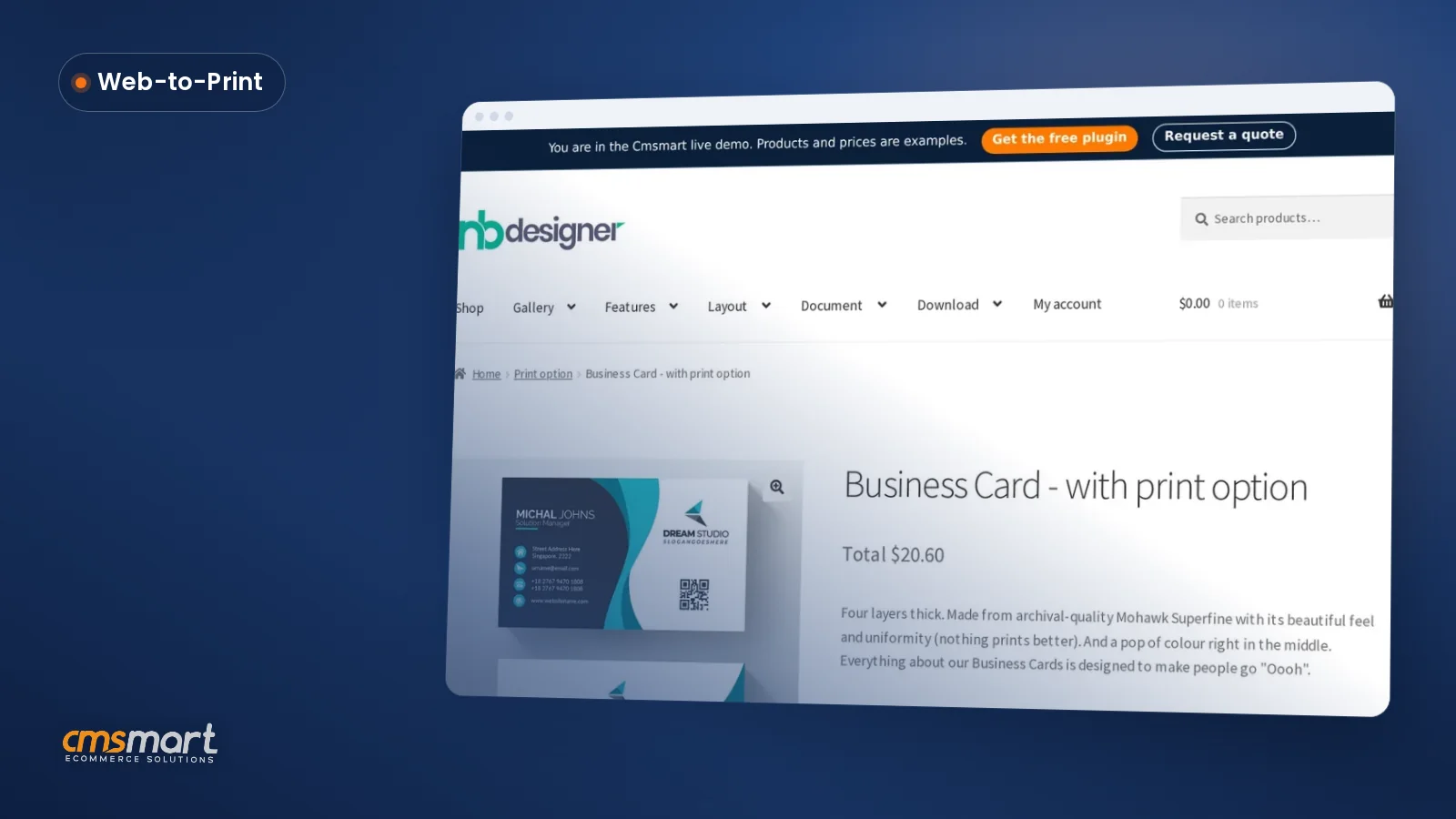




Did you know that 43% of small businesses struggle with inventory management, contributing to a staggering 20% failure rate? In the competitive landscape of eCommerce, optimizing your inventory processes isn’t just a necessity; it’s a game-changer. Consider the case of ABC Apparel, a small clothing retailer in Canada that faced crippling inventory costs that threatened its very existence. With the help of Cmsmart's tailored inventory solutions, ABC Apparel transformed its approach, achieving an impressive 30% reduction in holding costs within just six months. This amazing turnaround exemplifies how an effective inventory management strategy can elevate small businesses and drive profitability.
Mastering inventory management is essential for small business success, especially when we see that a poorly managed stock can result in lost sales and unnecessary expenses. According to recent statistics from the Small Business Administration, companies embracing innovative inventory management frameworks enjoy up to a 50% reduction in overall holding costs. In this tutorial, we will delve into proven strategies and advanced techniques to streamline your inventory processes, enhance operational efficiency, and ultimately boost your bottom line. For further insights, be sure to check out our resources on order management and advanced inventory solutions.
In this guide, we’ll explore the nuances of effective small business inventory management, providing actionable steps to help you turn challenges into opportunities for growth.
Decoding the Inventory Challenge
High inventory costs can cripple your business. What if theres a way to turn this challenge into a competitive advantage?Effective, optimized inventory management could be the key to your small business success, reducing costs and improving efficiency—yet many still struggle. Inventory management is often cited as a leading cause of small business failures, primarily due to a lack of knowledge and poor process improvement strategies.
Unlocking Inventory Management for Small Businesses
Inventory management, also known as small business stock control, is not just about tracking stock levels but a strategic advantage. By mastering this area, businesses can significantly improve their survival rate, reduce inventory costs, and streamline operations. According to SBA data, poor inventory management is a critical factor in small business setbacks.
Linking to Essential Resources
To delve deeper into efficient inventory management, explore our resources:- Why small businesses need inventory management
- Top inventory management practices for small businesses
- Managing business expenses through inventory control
- Common misconceptions about inventory handling
In summary: Optimized inventory management is pivotal for small business success. Transitioning to efficient practices allows your business to cut unnecessary costs and focus on growth. In the next section, we will explore top inventory management practices for small businesses to elevate your operational strategies.
Understanding Small Business Inventory Management
High inventory costs remain a significant business burden.Many small businesses struggle with managing these costs, leading to high operational expenses that threaten their survival.
What is Small Business Inventory Management?
Inventory Management for Small Businesses, also known as Small Business Stock Control, involves tracking and managing a companys inventory levels, orders, sales, and deliveries. Its a crucial component that ensures businesses always have the right products in the right quantity without overspending. According to research, effective inventory management can cut business costs by at least 10%.
The Crucial Role of Inventory Management in Small Businesses
Effective inventory management plays a pivotal role in reducing costs and preventing overstock or stockouts, which can lead to financial losses. Utilizing inventory optimization frameworks like Just-In-Time (JIT) can refine stock control processes, enhancing business flexibility and customer satisfaction.
Terminology: Grasping Inventory Management, Stock Control, and Pareto Principle
Understanding the terminology involved in inventory management is vital. While Inventory Management covers the overall monitoring and maintenance of stock, Stock Control refers specifically to the regulation of orders and inventory levels. The Pareto Principle in this context helps businesses focus on the vital few—the key products that generate the most profit.
- Inventory Management: The overarching process of optimizing stock levels.
- Stock Control: Ensuring stock availability aligns with demand.
- Pareto Principle: Prioritize top-selling items to maximize profitability.
Understanding Ecommerce Systems can further elaborate on these concepts and their importance. In summary: Mastering small business inventory management can reduce high costs and drive growth. Stay tuned for the next section on Why small businesses need inventory management to understand further how it ties into comprehensive business strategies for success.The Catalyst: Applying the Pareto Principle
High inventory costs are a significant business burden and can lead to failures for many small businesses. Effective inventory management is often the key to survival for small enterprises, yet a lack of understanding of how to optimize processes can hold companies back.Unpacking the Pareto Principle
The Pareto Principle, also known as the 80/20 rule, suggests that 80% of consequences come from 20% of causes. In business, this principle can be applied to various areas, including inventory management. It implies that a small number of products probably account for the majority of your inventory costs. By identifying and focusing on this critical 20%, businesses can significantly enhance efficiency and reduce unnecessary costs.
Advantages of Applying the Pareto Principle for Inventory
Examples of the Pareto Principle in Inventory Management
Many businesses find that a small percentage of their products generate the most revenue. For instance, a clothing retailer might discover that 20% of their stock constitutes 80% of their sales. By narrowing focus to this profitable segment, companies can enhance overall efficiency and improve the bottom line.
In Summary: Applying the Pareto Principle allows small businesses to streamline their inventory management, making substantial impacts on cost reduction and efficiency improvements. Next, well dive into why small businesses need inventory management and explore top practices for success. For more on this topic, explore our guides on Why Small Businesses Need Inventory Management and Top Inventory Management Practices for Small Businesses. Implementing these focused strategies and insights not only enhances business performance but also fortifies a companys position in a competitive market. Prepare to uncover common misconceptions about inventory handling in our next section.Within the Inventory Ecosystem
High inventory costs crippling your business?Its an undeniable fact that ineffective inventory management is a leading cause of small business failures, with many entrepreneurs lacking the knowledge to optimize their inventory processes.
Getting to Know the Inventory Ecosystem
Inventory management is crucial for the success of any business, especially for small enterprises that often operate with limited resources. The inventory ecosystem is a network where goods are sourced, stored, and ultimately sold or utilized, playing a critical role in a business’s operational efficiency. Without effective stock control practices, small businesses can experience bloated inventory costs and reduced profit margins.
How Small Business Inventory Management Fits into this Ecosystem
Influence of Effective Inventory Management on Overall Business Success
Proper inventory management doesnt just keep your supply chain smooth—it’s a cornerstone for achieving business success. With optimized inventory, companies are better equipped to respond to market demands, maintain customer satisfaction, and enhance their cash flow.
Pro Tips:Summary
Effective inventory management is vital for sustainable business growth and cost savings. As you enhance your understanding of inventory systems, you’ll be poised to orchestrate a more resilient, responsive business model.
Next, explore why small businesses need dedicated inventory management solutions and learn about the top practices to follow by diving into the internal resources linked below:
- Why small businesses need inventory management
- Top inventory management practices for small businesses
- Managing business expenses through inventory control
- Common misconceptions about inventory handling
Learn more about successful ecommerce businesses .Addressing High Inventory Costs
Overwhelmed by high inventory costs? Youre not alone.High inventory costs often weigh down small businesses, leading many to struggle or even fail without proper inventory management solutions.
Significance of Inventory Costs in Small Business Budgets
Inventory management is crucial for small business survival. Many small businesses face escalating expenses due to inefficient inventory processes, which can severely impact their financial health. According to the SBA, effective inventory management is crucial for MSMEs due to its direct effect on cash flow and profitability.
Effective Strategies to Lower Inventory Costs
Addressing these costs involves strategic planning and execution. Here are some actionable strategies to help reduce inventory expenses:
How to Implement a Cost-effective Inventory Management System
A comprehensive inventory management system can be the cornerstone of reducing costs.
- Leverage SaaS platforms that offer scalable solutions for inventory management tailored for small businesses.
- Consider integrating with multi-vendor systems, like Dokan for enhanced vendor management efficiency.
In summary: Tackling high inventory costs starts with understanding their business impact and applying targeted strategies. Next, well delve into the importance of inventory management and how it empowers businesses to thrive. Continue exploring how small businesses can benefit by visiting our guide on the need for inventory management.Stock Optimization and Inventory Myths
Are high inventory costs burdening your business?Managing inventory effectively is crucial to avoiding business failures, especially for small ventures lacking enhanced inventory processes.
Understanding Stock Optimization for Small Businesses
Inventory management for small businesses, often referred to as stock control or inventory optimization, involves maintaining a delicate balance between supply and demand without incurring excessive costs.
Misconceptions about Inventory Management
Many small business owners believe inventory optimization is complex and costly, yet it can be both simple and cost-effective with the right strategies.
Benefits and Challenges of Stock Optimization
Successfully managing inventory can lead to significant benefits, though challenges must be navigated carefully:
- Benefits: Increased liquidity, better customer satisfaction through reliable stock availability, and reduced waste.
- Challenges: Initial setup costs and the need for ongoing monitoring and adjustments.
In summary: Stock optimization is vital for small businesses aiming for longevity and financial health. Mastering it can combat major issues threatening small enterprises. Next, lets delve into top inventory management practices tailored for small businesses.Best Practices for Small Business Inventory Management
Are high inventory costs draining your business resources?Inventory management is often cited as a major hurdle for small businesses, with the potential to significantly impact their survival rate. The SBA data suggests that poor inventory management is a leading cause of failure among small businesses.
Creating a Plan for Your Small Business Inventory Management
Key Steps in Implementing an Effective Stock Control System
Examples of Successful Small Business Inventory Management
Businesses like [Insert Company Name] have thrived by integrating smart inventory management practices. They streamlined their operations and improved service delivery through precise order management and forecasting.
For an in-depth understanding of inventory managements importance, explore our resources on Why Small Businesses Need Inventory Management, Top Inventory Management Practices for Small Businesses, and Managing Business Expenses Through Inventory Control.
In summary: Adopting these best practices can lead to substantial cost savings and business growth. Up next, we delve into common misconceptions about inventory handling.Redefining Success with Analytic Data
Struggling with high inventory costs impacting your bottom line?Reducing expenses in inventory management is crucial for business survival, particularly for small enterprises where stock control can be burdensome and lead to failures.
Current Uses of SBA Data in Inventory Management
SBA (Small Business Administration) data can significantly enhance stock control strategies, offering insights into inventory optimization frameworks vital for small enterprises. This data aids businesses in understanding the demand patterns and optimizing stock levels to avoid excess stock or stockouts.
Predicted Future Uses of Analytic Data in Stock Control
Looking forward, analytics will play an increasingly central role in inventory management, driving innovation in stock control mechanisms. Predictive analytics will enable more accurate demand forecasting, minimizing the risks of overstocking or stockouts.
How Data Analytics and Inventory Systems Work Together
The integration of data analytics with inventory systems creates a robust framework for managing stock efficiently. This synergy allows businesses to harness real-time insights, streamline operations, and enhance decision-making processes.
- Ensure seamless integration of your inventory management systems with analytics platforms
- Utilize historical data for strategic inventory planning
Looking ahead: As we dive deeper into "Why small businesses need inventory management," lets explore how top practices can drive efficiency and reduce costs. Discover these insights and more on our upcoming content sections.Frequently Asked Questions
Facing hefty inventory costs and complex stock management challenges?You arent alone. Many small businesses find inventory management to be a critical hurdle impacting their bottom line, as inefficient stock control can threaten business survival.
FAQs on Small Business Inventory Management
Actionable Tips for Effective Inventory Management
Overcoming Common Inventory Challenges
Many small businesses struggle with the balance between product availability and cost minimization. Utilizing inventory optimization frameworks can vastly improve your businesss operational efficiency and reduce costs. See our guides on Why small businesses need inventory management, Top inventory management practices for small businesses, and Common misconceptions about inventory handling.In summary: By implementing best practices and leveraging the right technology, businesses can turn inventory management from a pain point into a competitive advantage—next, dive into Managing business expenses through inventory control to further enhance your financial strategy.
FAQ Section: Troubleshooting and Pro Tips
How can small businesses reduce high inventory costs?
Implement efficient inventory management systems to optimize stock levels and reduce holding costs.
Why is inventory management crucial for small business success?
Poor inventory management can lead to financial stress and is a leading cause of business failures.
What are the common challenges in inventory management?
High carrying costs, inaccurate stock levels, and poor forecasting are common challenges.
How can small business owners improve their inventory processes?
Educate themselves on best practices and employ technology like integrated software solutions.
What impact does lack of inventory management knowledge have?
It leads to inefficiency, excess costs, and ultimately, endangers business sustainability.
How does inventory management software help small businesses?
It automates stock tracking, optimizes reordering, and supports data-driven decisions.
What can small businesses do to reduce inventory-related financial burdens?
Adopt scalable inventory solutions that align stock levels with actual demand.
Further Reading
In this tutorial, we've delved into the essential strategies for mastering effective inventory management, revealing how a well-optimized approach can transform your small business challenges into competitive advantages. By implementing the frameworks discussed, such as using technology to automate tasks and regularly reviewing product performance, you can drastically reduce holding costs and improve overall efficiency. Let’s take the next step together! I invite you to connect with David, our CEO, for personalized insights on implementing these strategies effectively. Reach out via WhatsApp at David CEO WhatsApp, or if you prefer, email our dedicated Ecommerce Project Consultant at project@cmsmart.net. If you’re ready to explore how we can provide tailored solutions, request a quotation and let's transform your inventory management for greater success!