

Guide · B2B
WooCommerce Amazon Etsy Sync: Stock and Orders
WooCommerce Amazon Etsy sync guide: keep stock and orders right across channels, avoid overselling, and get a custom integration quote.
Unlock unprecedented growth with digital marketplaces! Discover how to streamline your eCommerce operations and enhance customer engagement with Cmsmart's solutions.
Table of contents
Was this tutorial helpful?
Written by
Cmsmart B2B Commerce & Operations Consultant
Designs B2B ordering, marketplaces and the operations behind them.
The team behind it
 Account Manager
 Project Manager
 Business Analyst
 Developers & QA
Guide · B2B
WooCommerce Amazon Etsy sync guide: keep stock and orders right across channels, avoid overselling, and get a custom integration quote.
Guide · B2B
Set up a WooCommerce request a quote B2B workflow: price matrix, approval, and one-click conversion to order. Plan yours today.
Guide · B2B
WooCommerce B2B pricing: give wholesale buyers tiered prices, customer groups and account approval. See what the plugin does today and get a custom qu...
Browse more guides, tutorials and case studies from the Cmsmart community.
Unlock the Power of Mobile Commerce: Propel Your Business Forward
Read MoreDiscover how to harness mobile commerce to enhance your business growth. Learn strategies for optimizing the mobile shopping experience and increasing consumer engagement.
Read MoreDiscover the benefits of mobile commerce and how it can transform your business. Learn effective strategies for maximizing sales and customer engagement through mobile-optimized shopping experiences.
Read More
Cmsmart Ecommerce provides custom ecommerce and WooCommerce development services for web-to-print, product personalization, plugin support and API integration.
Cmsmart B2B Commerce & Operations Consultant
Designs B2B ordering, marketplaces and the operations behind them.
Meet the team →
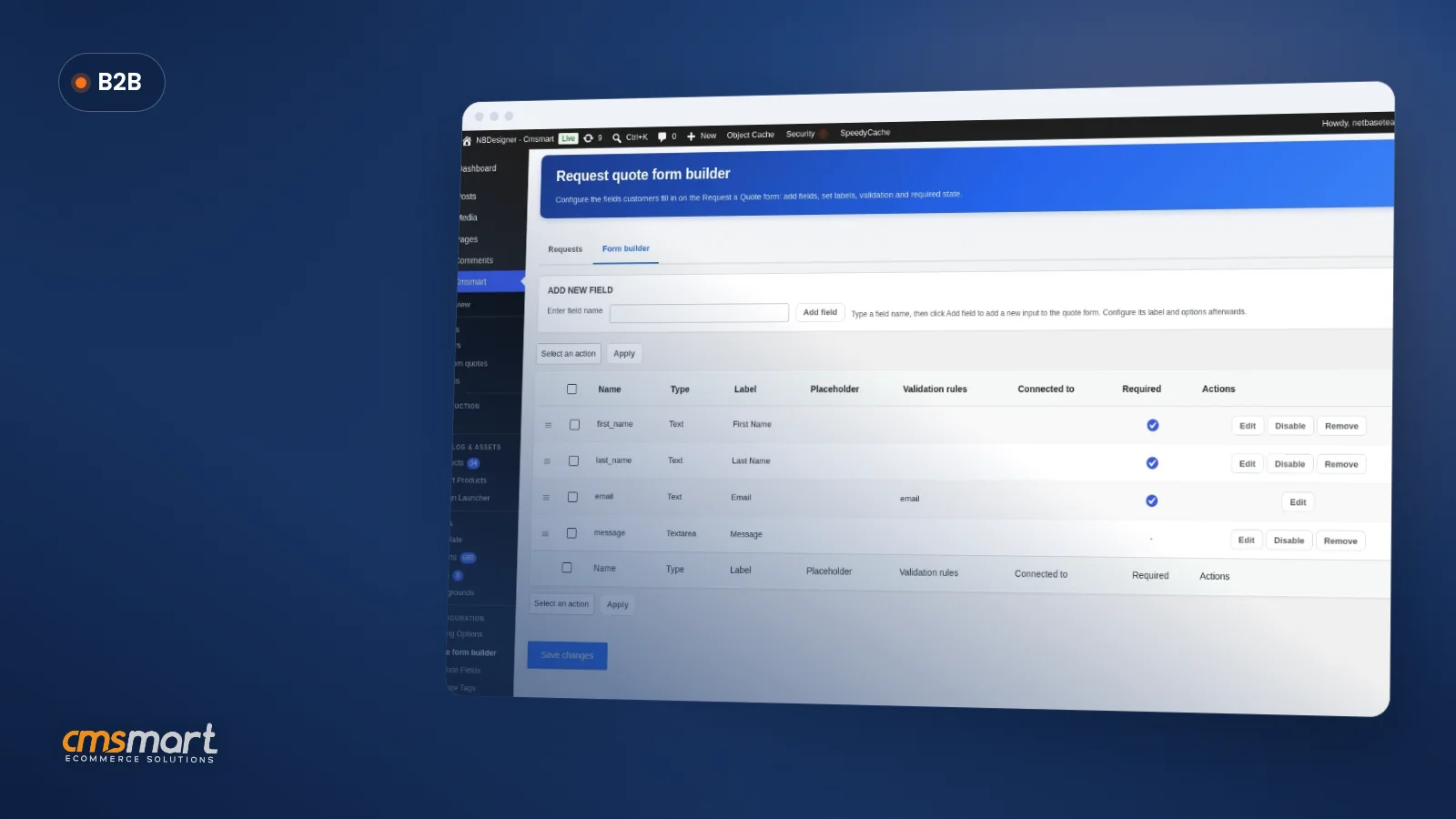
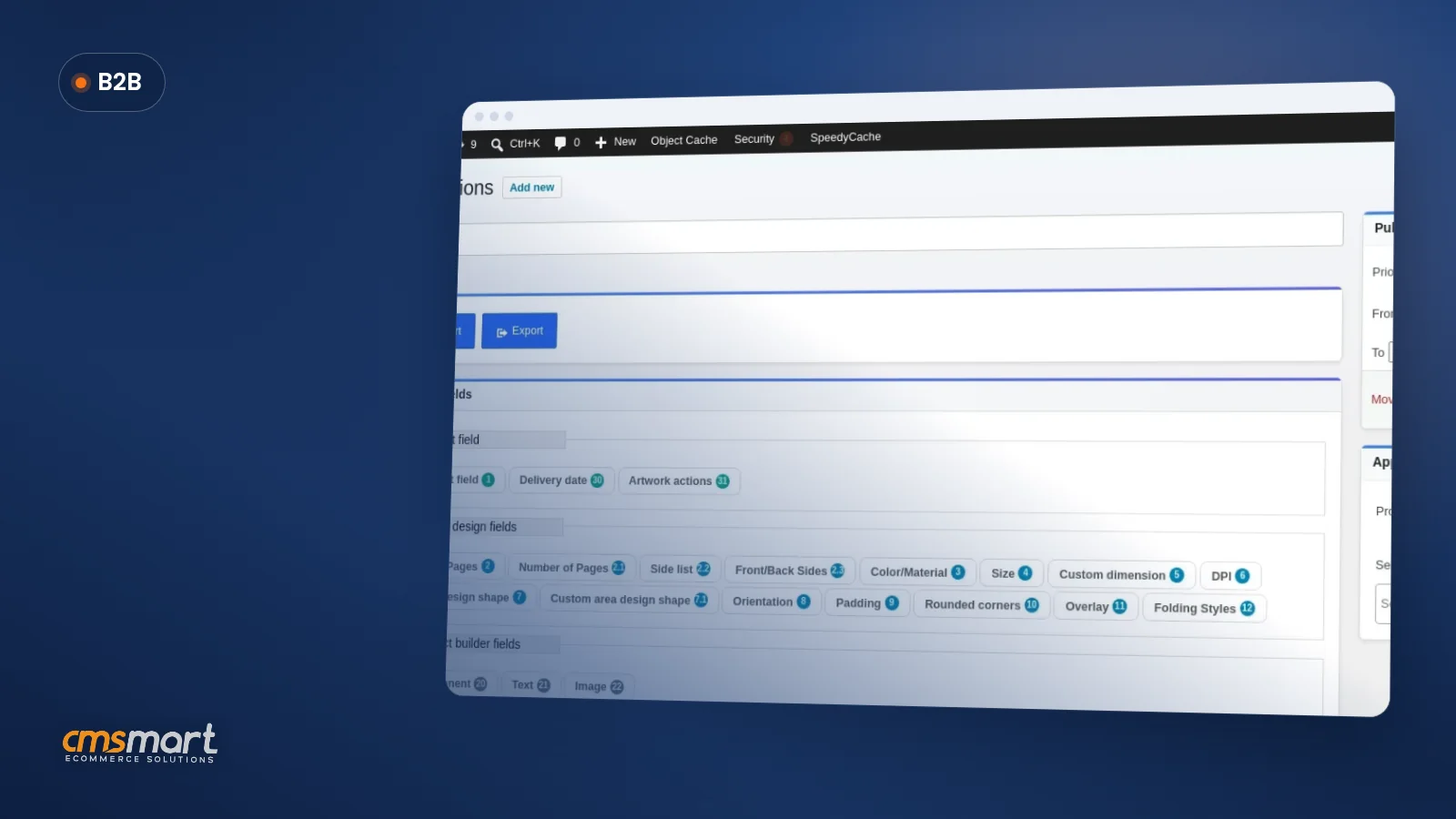


Imagine standing at the precipice of a monumental shift in retail: digital marketplaces are now projected to account for nearly 30% of global e-commerce sales by 2024, valued at over $6.3 trillion. The question that many businesses face today is not whether they should adopt these platforms, but rather how they can optimize their presence in these bustling online spaces. Take, for instance, Global Fashion Co., based in Australia, which struggled to scale its operations amid fierce competition and a fragmented customer base. By embracing a digital marketplace strategy through Cmsmart's tailored solutions, they not only enhanced their visibility but also doubled their sales within just six months.
Understanding the transformative power of digital marketplaces means recognizing the immense potential they hold for brand exposure, consumer trust, and operational efficiency. As things shift, businesses must navigate logistics, optimize their presence, and leverage the insights provided by these robust platforms. Are you ready to refine your online selling strategy? In this guide, we will delve into the essential strategies for leveraging digital marketplaces to fuel your business growth and foster sustainable success. For further insights, you might find value in exploring our resources on unlocking business potential or maximizing revenue. Let's embark on this journey together!
Why Digital Marketplace Matters
Ever wondered how a digital marketplace could revolutionize your business, promote brand visibility, and generate substantial traffic?In todays competitive landscape, establishing a strong online presence is crucial for businesses. However, many executives grapple with ensuring consumer trust in digital platforms, managing logistics and inventory effectively, maximizing brand visibility, and selecting the right marketplace that aligns with industry-specific needs.
Understanding the Significance of Digital Marketplaces
Digital marketplaces, also known as online marketplaces or e-marketplaces, are transforming the way customers buy and sell products. By integrating innovative marketing strategies, these platforms provide unmatched convenience for both businesses and consumers.Actionable Steps to Harness Digital Marketplaces
To effectively utilize digital marketplaces, consider the following actionable tips:- Research the specific marketplace that aligns with your product type and target audience.
- Optimize your product listings with relevant keywords for higher visibility.
- Utilize social media channels to drive traffic to your marketplace listings.
Moreover, exploring relevant resources is critical. For further insights into consumer trust in digital platforms, visit our article on understanding consumer trust in digital platforms. In addition, discover the major differences between B2B and B2C marketplaces, how digital marketplaces can enhance brand visibility, and the industries that benefit from these transformative approaches. In summary: Embracing digital marketplaces not only exponentially increases your brands reach but also simplifies the purchasing experience for your customers. Ready to elevate your business through strategic marketplace integration? Next, let’s explore how digital marketplaces enhance brand visibility and drive traffic.Demystifying Digital Marketplaces
Are you struggling to build consumer trust on digital sales platforms? You’re not alone.Many businesses face the challenges of ensuring customer trust, managing logistics, maximizing brand visibility, and selecting the right marketplace for their niche.
Understanding Digital Marketplaces
Digital marketplaces, often referred to as e-marketplaces, enable businesses to connect with customers more effectively. These platforms serve as digital hubs where buyers and sellers can meet, exchanging goods and services with convenience.Role of Digital Sales Platforms in Fostering Business Growth
Digital sales platforms play a pivotal role in driving business expansion by enhancing market reach and improving customer convenience. Here are some key benefits:Digital Marketplace Terminology: E-marketplaces, B2B, B2C, and More
Familiarizing yourself with essential terms related to digital marketplaces can enhance your strategic planning:- E-marketplaces: Platforms that facilitate a variety of sales transactions from different vendors to consumers.
- B2B (Business to Business): Transactions between businesses, which often involve bulk transactions. Understand B2B marketplaces
- B2C (Business to Consumer): Direct sales from businesses to end consumers, driven mostly by convenience.
For more on navigating consumer trust, check out our section on understanding consumer trust in digital platforms. Learn about the major differences between B2B and B2C marketplaces, how digital marketplaces enhance brand visibility, and uncover the industries that benefit from digital marketplaces. In summary: Recognizing the impact of digital marketplaces is crucial for fostering business growth. With your newfound insights, let’s explore the next steps to harness the power of these platforms effectively.B2B Versus B2C Marketplaces
Struggling to choose between B2B and B2C marketplaces for your business? Youre not alone.Selecting the right digital sales platform can be a daunting task, especially when considering consumer trust, logistics, and brand visibility.
Understanding B2B and B2C Marketplaces
B2B (Business-to-Business) and B2C (Business-to-Consumer) marketplaces cater to different audiences and have unique operational strategies. Understanding these differences is crucial for selecting the right platform for your business needs.
Major Differences Between B2B and B2C Marketplaces
How to Choose the Right Marketplace for Your Business
Selecting the appropriate e-marketplace involves a few key considerations:- Identify your target audience and their purchasing behavior.
- Assess your product type and sales strategy.
- Consider the functionalities and integrations that fit your operational needs.
- Evaluate potential marketplaces’ fees and customer support options.
In conclusion: Understanding the differences and choosing the right platform can significantly impact your success in the marketplace. Next, let’s delve into how understanding consumer trust in digital platforms can further enhance your marketing strategy. For more insights, check our guide on the major differences between B2B and B2C marketplaces and how digital marketplaces enhance brand visibility.Building Consumer Trust in Digital Marketplaces
Are you struggling to ensure consumer trust in your digital marketplace?Building confidence among customers is essential for success in online platforms, especially as e-commerce continues to expand swiftly. As businesses navigate the challenges of managing logistics, inventory, and brand visibility, it becomes crucial to implement effective strategies that enhance trustworthiness among potential buyers.
Importance of Consumer Trust
Consumers today are savvy and demand transparency and reliability from e-marketplaces. Trust can influence their purchasing decisions significantly. A study by PwC revealed that 79% of consumers are more likely to buy from brands they trust. Just as vital, trust helps reduce cart abandonment rate and fosters long-term loyalty.Strategies to Build Consumer Trust in E-marketplaces
Case Studies: Successful Trust-building Endeavors
Many businesses have thrived by focusing on consumer trust. For instance, online retailer Zappos has garnered a loyal customer base by emphasizing their customer, “We’re a service company that happens to sell shoes.” Their commitment to customer satisfaction plays a pivotal role in building trust.Another excellent example is Amazon, which utilizes robust review systems and a well-defined return policy, reassuring customers every step of the way.
Conclusion
Creating a trustworthy online marketplace doesn’t happen overnight, but implementing the strategies above can yield significant improvements. Strengthening consumer trust not only aids in boosting sales but also enhances brand loyalty. For further insights into how the right strategies can transform your marketplace, check out our sections on understanding consumer trust in digital platforms, major differences between B2B and B2C marketplaces, how digital marketplaces enhance brand visibility, and industries that benefit from digital marketplaces. Let’s embark on this journey to elevate your e-commerce venture to new heights!Maximizing Brand Visibility on E-Marketplaces
Maximizing brand visibility on e-marketplaces can be challenging, but it’s essential for success in today’s digital landscape.Many businesses struggle with ensuring consumer trust in digital platforms while also managing logistics and inventory effectively.
Role of Brand Visibility in Digital Marketplaces
Brand visibility is the cornerstone of success on online marketplaces. When consumers can easily find and recognize your brand, the chances of making a sale increase significantly. With the e-commerce market size projected to hit $8 trillion by 2027, establishing a strong online presence is more crucial than ever.
Proven Marketing Strategies to Enhance Brand Visibility
Implementing effective marketing strategies is vital for improving your brand’s visibility. Here are some actionable tips:
Overcoming Challenges in Maximizing Brand Visibility
Its not uncommon to face challenges when trying to stand out in saturated markets. Here are some common pain points and how to address them:
- Limited logistics experience: Partner with reliable logistics providers.
- Low customer engagement: Utilize email marketing to keep consumers informed.
- Competition from established brands: Differentiate your offerings through unique value propositions.
In summary: Raising brand visibility on e-marketplaces requires a strategic approach incorporating effective marketing tactics and addressing common challenges. Next, well delve into understanding consumer trust in digital platforms, which is vital for sustaining growth and success in your online endeavors. For more insights, you can explore our sections on the major differences between B2B and B2C marketplaces, as well as how digital marketplaces enhance brand visibility.Traffic Generation in Online Marketplaces
Are you struggling to draw enough traffic to your online marketplace? Youre not alone.One of the biggest challenges facing business executives in the realm of digital sales is maximizing brand visibility while ensuring consumer trust in their platforms. Without the right traffic generation strategies, even the best-market products can go unnoticed.
Understanding the Importance of Traffic Generation in Marketplaces
Traffic is essential for sustaining growth in online marketplaces. It directly translates to potential sales and customer engagement.Effective Methods for Driving Traffic to Your Digital Platform
Implementing a mix of marketing strategies can lead to effective traffic generation. Here are some actionable tips:Real-life Examples of Effective Traffic-enhancing Strategies
Many businesses have successfully implemented innovative traffic strategies:- Targeted Email Campaigns: Re-engaging previous customers through personalized emails.
- Content Marketing: Creating valuable blogs that resonate with your audience and link back to your products.
- Pay-Per-Click Advertising: Investing in ads that target specific customer segments effectively.
In summary: Driving traffic to your online marketplace is not just about getting visitors—its about converting those visitors into loyal customers. In the next section, we will explore how understanding consumer trust in digital platforms enhances traffic generation and overall profitability. As you prepare to dive deeper, consider reviewing the major differences between B2B and B2C marketplaces and how digital marketplaces enhance brand visibility for better insights.Managing Logistics and Inventory in E-Marketplaces
Ensuring consumer trust in digital platforms can be a daunting challenge for marketplaces.Effectively managing logistics and inventory is crucial for maximizing brand visibility and creating customer convenience. The competition among online marketplaces is fierce, with business executives seeking effective marketing strategies to thrive.
The Challenges of Inventory Management in Digital Marketplaces
Managing inventory in e-marketplaces comes with several challenges:- Demand forecasting inaccuracies leading to overstock or stockouts
- Complex coordination of logistics across multiple vendors
- Difficulties in tracking inventory levels in real-time
- Issues with maintaining quality and freshness of products
A recent survey indicates that 64% of business executives list inventory management as a critical factor influencing operational efficiency .Tips for Effective Logistics and Inventory Management
Here are some actionable tips to streamline your logistics and enhance inventory management:Success Stories: Profitable Inventory Management Practices
Many businesses have successfully navigated these challenges. For instance, a leading fashion retailer employed advanced analytics to cut their inventory holding costs by 20%. To dive deeper into related topics, check out our sections on understanding consumer trust in digital platforms, major differences between B2B and B2C marketplaces, and how digital marketplaces enhance brand visibility. In summary: Effective logistics and inventory management are pivotal for thriving in the competitive world of e-marketplaces. As we transition into the next section, we will discuss how to enhance consumer trust, ensuring that your digital platform is both effective and reliable.Industries Thriving in Digital Marketplaces
Are you struggling to gain traction in the digital marketplace? Youre not alone.Many businesses encounter challenges such as ensuring consumer trust in digital platforms, effectively managing logistics and inventory, maximizing brand visibility, and choosing the right marketplace for their industry needs.
Overview of Industries Excelling in Digital Marketplaces
Numerous industries are capitalizing on the potential of online marketplaces to drive sales and increase outreach. Some of these thriving sectors include:Factors Contributing to Industry Success in the Digital Sphere
Several critical factors contribute to the success of industries in e-marketplaces:How Market Size Influences Business Performance in Digital Marketplaces
Understanding the correlation between market size and business performance is crucial for companies operating within digital sales platforms. A larger market size tends to provide:- Increased customer base opportunities.
- Greater scalability for businesses.
- Enhanced competitive advantages through diverse offerings.
For more on building consumer trust, check out our guide on understanding consumer trust in digital platforms. If you’re curious about the major differences between B2B and B2C marketplaces, please visit this section. In summary: Several industries are flourishing in digital marketplaces due to a combination of trust, logistics, and visibility strategies. Next, lets explore how digital marketplaces enhance brand visibility and the specific industries that benefit from them.Frequently Asked Questions
Ensuring consumer trust in digital platforms can feel challenging.Many businesses grapple with the essential task of building reliability while managing logistics and inventory effectively. Its no surprise that brand visibility and selecting the right marketplace can determine success in todays competitive landscape.
Curated Selection of Top Questions about Digital Marketplaces
To support your journey in navigating the vast world of online marketplaces, weve compiled answers to some of the most frequently asked questions linked with digital sales platforms. By addressing these common concerns, business executives can enhance their marketing strategies and achieve greater customer convenience.
For a deeper understanding of consumer trust in digital platforms, be sure to check out our section on major differences between B2B and B2C marketplaces. Learn how digital marketplaces enhance brand visibility and discover which industries benefit from digital marketplaces the most.
In summary: Addressing these frequently asked questions equips you with the knowledge to thrive in digital marketplaces. Next, we’ll explore how to strategically implement these insights into your existing operations for optimal results.FAQ Section: Troubleshooting and Pro Tips
How can I ensure consumer trust in my digital marketplace?
Implement customer reviews, secure payment options, and transparent policies.
What are effective logistics management strategies for eCommerce?
Utilize real-time tracking, automated fulfillment, and optimize shipping routes.
How can I maximize brand visibility and traffic in digital marketplaces?
Leverage SEO, social media marketing, and targeted ad campaigns.
What should I consider when choosing a marketplace for my specific industry?
Evaluate marketplace features, audience reach, and compatibility with your products.
How do I effectively manage inventory for my online store?
Use inventory management tools for real-time updates and set low-stock alerts.
What are the benefits of multi-vendor platforms?
They expand product offerings, enhance customer choice, and improve sales potential.
How can I automate customer communication in my marketplace?
Integrate automated emails for order notifications and abandoned cart reminders.
Further Reading
Having explored the transformative power of digital marketplaces, you now understand their critical role in enhancing brand visibility and driving business growth. Each platform offers unique opportunities to connect with a wider audience and streamline your operations effectively. As you embark on this journey, remember that maximizing your marketplace presence requires expert guidance. Let’s discuss how we can help you implement a robust strategy tailored to your specific needs! Reach out to David, our CEO, directly via WhatsApp at this link, or email me at [email protected]. You can also request a quotation by visiting our contact page here. Don't hesitate—transform your online selling strategy today!