

Guide · B2B
WooCommerce Amazon Etsy Sync: Stock and Orders
WooCommerce Amazon Etsy sync guide: keep stock and orders right across channels, avoid overselling, and get a custom integration quote.
Discover how Cmsmart's Marketplace solutions can enhance your online presence, boost customer engagement, and increase sales through seamless integration and innovative features designed for success.
Table of contents
Was this tutorial helpful?
Written by
Cmsmart B2B Commerce & Operations Consultant
Designs B2B ordering, marketplaces and the operations behind them.
The team behind it
 Account Manager
 Project Manager
 Business Analyst
 Developers & QA
Guide · B2B
WooCommerce Amazon Etsy sync guide: keep stock and orders right across channels, avoid overselling, and get a custom integration quote.
Guide · B2B
Set up a WooCommerce request a quote B2B workflow: price matrix, approval, and one-click conversion to order. Plan yours today.
Guide · B2B
WooCommerce B2B pricing: give wholesale buyers tiered prices, customer groups and account approval. See what the plugin does today and get a custom qu...
Browse more guides, tutorials and case studies from the Cmsmart community.
Unlock the Power of Mobile Commerce: Propel Your Business Forward
Read MoreDiscover how to harness mobile commerce to enhance your business growth. Learn strategies for optimizing the mobile shopping experience and increasing consumer engagement.
Read MoreDiscover the benefits of mobile commerce and how it can transform your business. Learn effective strategies for maximizing sales and customer engagement through mobile-optimized shopping experiences.
Read More
Cmsmart Ecommerce provides custom ecommerce and WooCommerce development services for web-to-print, product personalization, plugin support and API integration.
Cmsmart B2B Commerce & Operations Consultant
Designs B2B ordering, marketplaces and the operations behind them.
Meet the team →
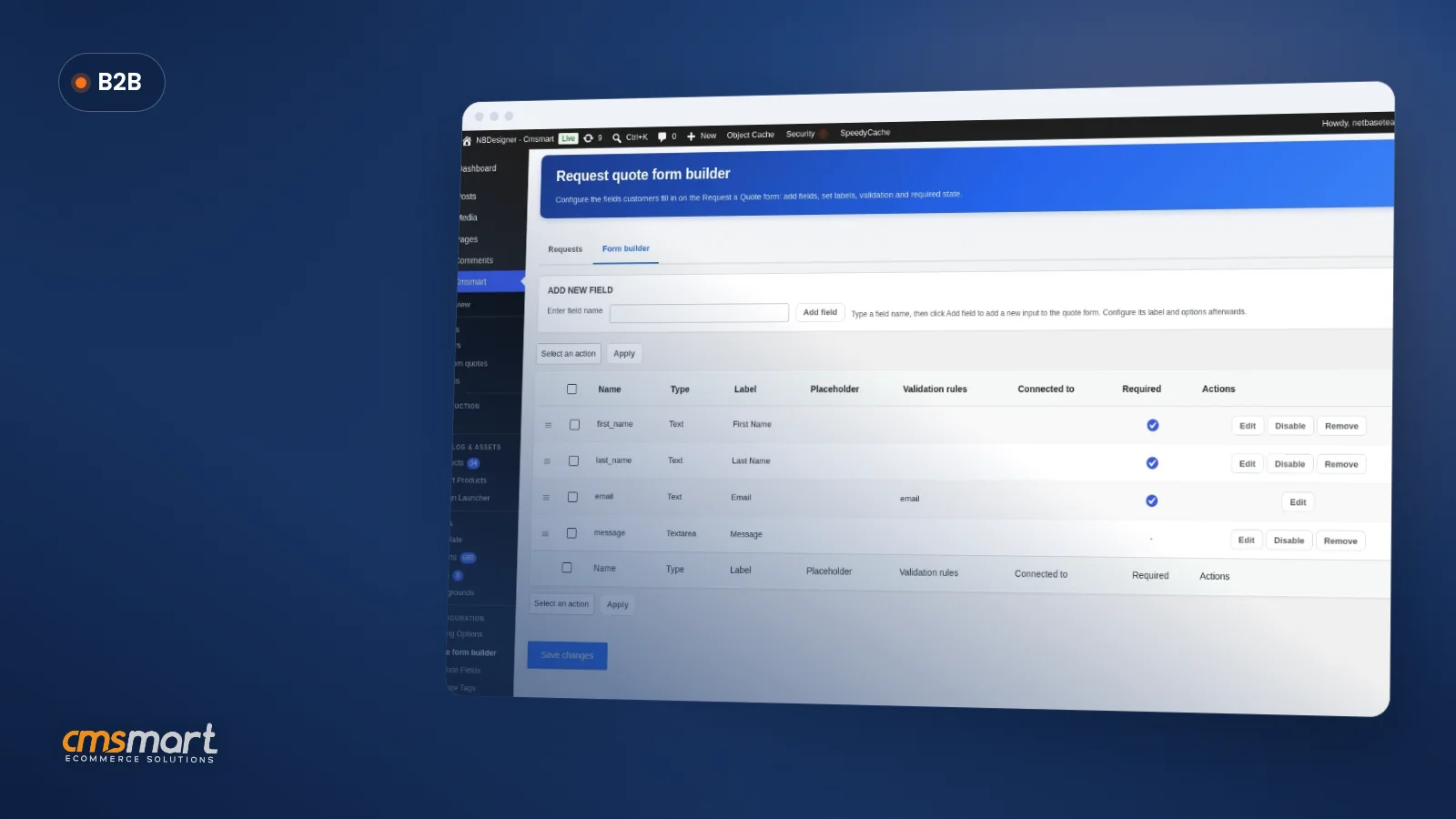
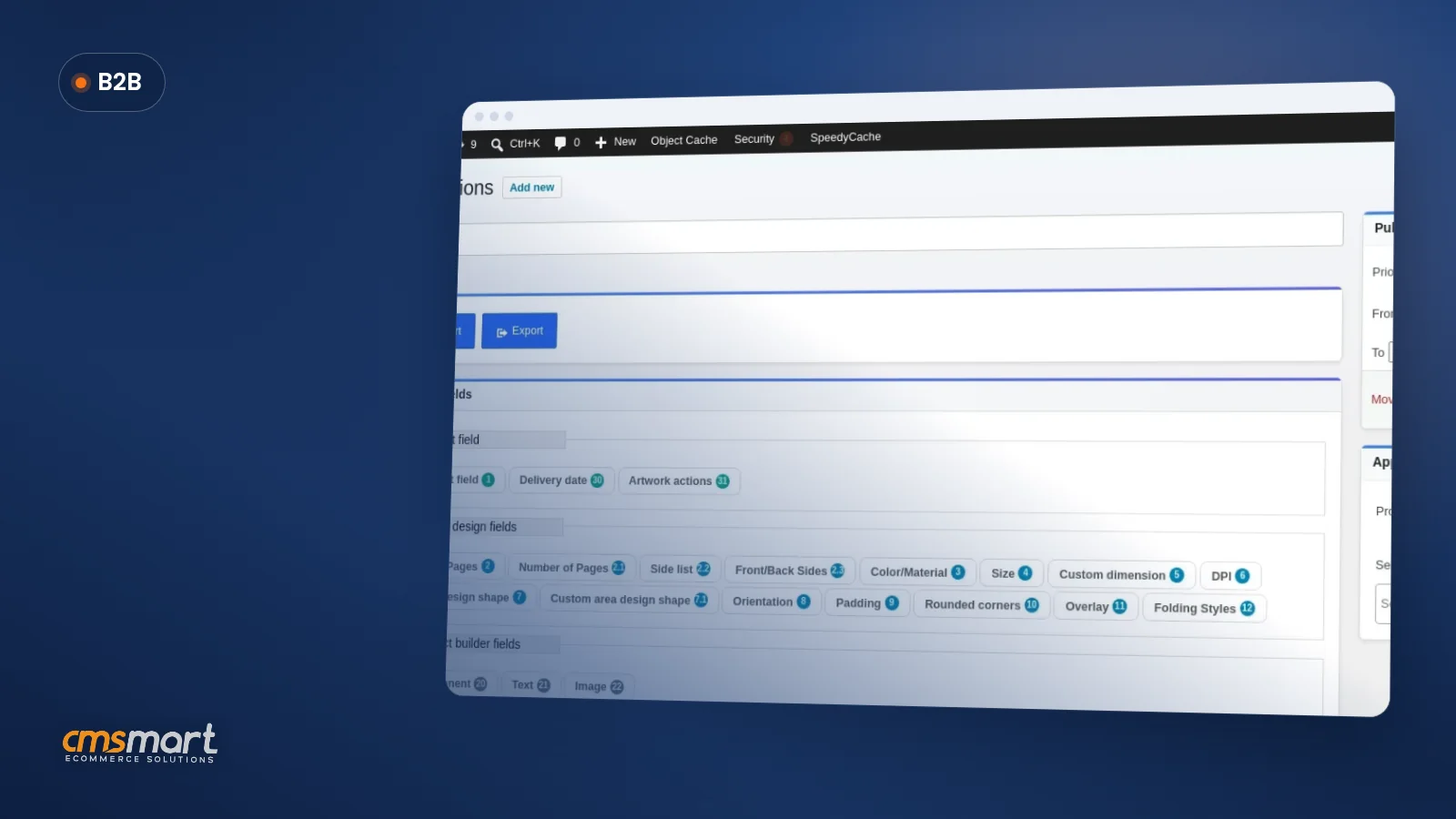


Did you know that by 2024, global eCommerce sales are projected to exceed a staggering $6.3 trillion? In such a competitive landscape, transforming your online business into a thriving marketplace isn't just an option; it's a business imperative. Take the case of Jane's Craft Corner, a small business based in Australia specializing in handmade artisanal goods. Before adopting Cmsmart’s innovative marketplace solutions, Jane struggled with logistics and sales optimization, ultimately limiting her growth potential. By leveraging Cmsmart’s multi-vendor platform, she was able to open her virtual doors to global suppliers and enhance her customer experience, resulting in a remarkable increase in sales by 150% within just one year. This transformation not only streamlined her operations but also optimized user interactions through seamless technology integration.
As today's entrepreneurs grapple with the intricacies of managing a digital marketplace—including logistics, technology, and inventory management—it's essential to adopt the right tools to stay ahead of the curve. With Cmsmart’s solutions, you’ll gain the edge necessary to navigate these challenges, boost your sales, and elevate your business presence online. To dive deeper into how our marketplace solutions can redefine your eCommerce strategy, check out our resources on effective inventory management and optimizing user experience. In this guide, we’ll explore actionable strategies that can help you leverage Cmsmart’s marketplace solutions to unleash growth and increase your sales significantly.
Redefining commerce
What if creating an online marketplace could give you instant global reach and control over your eCommerce ecosystem?Many entrepreneurs struggle with the intricacies of managing an online marketplace, including logistics, technology integration, and inventory efficiency.
Redefining Commerce through Strategy and Innovation
The digital marketplace landscape is evolving. To succeed, you need to address key challenges:Taking Control of Your eCommerce Ecosystem
Creating a successful online marketplace means ensuring effective buyer-seller interactions. Here are actionable tips:- Use technology that supports fast transactions and easy navigation
- Integrate payment solutions that enhance customer trust
- Offer promotions that drive conversion rates and customer loyalty
- Analyze your market data regularly to adapt to changing trends
In conclusion, by redefining your approach to commerce through innovation and strategic management, you can build a thriving online marketplace. For more insights, check out sections on Understanding the eCommerce ecosystem, Global reach in online marketplaces, Efficient inventory management strategies, and The role of technology in digital marketplaces. Moving forward, lets explore how to maximize your marketplaces potential through effective promotional strategies!Decoding Marketplace
Managing global logistics and shipping can be a daunting challenge for online marketplace owners.Ensuring smooth consumer transactions while balancing competitive pricing with profit margins requires a solid understanding of the digital marketplace landscape.
Understanding the Concept of a Digital Marketplace
A digital marketplace is an online platform where buyers and sellers interact to exchange goods and services. It serves as an intermediary, allowing users to browse various products, compare prices, and make purchases without the need for direct seller involvement. Key features include:Marketplace vs eCommerce Platform: A Comparative Study
While both terms may sound interchangeable, there are distinct differences: - Online Marketplace: A shared platform for multiple sellers. Examples include eBay and Amazon, where independent vendors list products for sale. - eCommerce Platform: A standalone site managed by a single vendor, like your business’s website using WooCommerce or Shopify. Understanding these differences helps tailor your approach to meet customer needs effectively.Major Players in the Online Marketplace Arena
Several key players shape the online marketplace environment, each offering unique services:Proven Strategies for Success
To thrive in a competitive landscape, consider the following actionable tips:
For more insights on building your online presence, check out our sections on Understanding the eCommerce ecosystem, Global reach in online marketplaces, Efficient inventory management strategies, and The role of technology in digital marketplaces.
In summary: Navigating the complexities of online marketplaces requires strategic planning and a thorough understanding of industry dynamics. Now, let’s move on to exploring effective approaches to enhance customer experience in the next section.The Role of Shopping Carts in eCommerce
Struggling to manage transactions and inventory in your online marketplace? You’re not alone.Many eCommerce businesses face the challenge of ensuring seamless financial transactions, controlling stock efficiently, and driving promotions that attract buyers.
Processing Financial Transactions via Shopping Carts
Shopping carts are vital in facilitating smooth transaction processes in the eCommerce ecosystem. They act as the digital interface through which customers complete purchases, ensuring secure payment processing and order management.Shopping Carts and Inventory Management: A Crucial Connection
Effective inventory management is closely tied to your shopping carts capabilities. An integrated system can streamline stock updates, notify about low inventory, and maintain pricing consistency across platforms.How Shopping Carts Enhance Your Sales Promotions
Shopping carts play a crucial role in implementing effective promotions. They can offer upselling suggestions, discount codes, and loyalty rewards—all essential for driving conversions.- Create enticing discounts that are easy to apply in the shopping cart.
- Utilize upselling features to suggest complementary products during checkout.
- Launch time-limited promotions that create urgency and increase sales.
In summary: Shopping carts are more than just digital checkout systems; they are powerful tools that connect financial transactions, inventory management, and sales promotions. By optimizing their configuration, you can ensure a smooth shopping experience, maximize sales, and keep your inventory under control. For more insights, let’s explore Understanding the eCommerce ecosystem and dive into effective strategies for expanding your online marketplace.Global Reach and Financial Transactions
multiple payment gateways that support various currencies.Currency Management in an Online Marketplace Scenario
For smooth operations in a global market, effective currency management is crucial. Key strategies include:- Offering local currency options to customers to improve conversion rates.
- Integrating automated tools for real-time currency exchange rates.
- Reviewing and adjusting pricing strategies based on foreign exchange fluctuations.
These practices can greatly alleviate concerns around managing diverse financial transactions in your eCommerce platform. In summary: To thrive in the global marketplace, understanding financial transactions and implementing effective currency management strategies are essential. For the next step, let’s explore how to manage your inventory efficiently to meet customer demands seamlessly and enhance your overall eCommerce ecosystem. Check out "Efficient inventory management strategies" for insights that foster smooth operations across your online marketplace. Struggling to expand your eCommerce presence globally? You’re not alone.Many businesses grapple with managing global logistics and shipping for their online marketplace while ensuring seamless technology integration for consumer transactions. This complexity can make balancing competitive pricing with profit margins a daunting task.
The Significance of Global Reach in the eCommerce Landscape
Achieving a global footprint benefits your online marketplace by:- Expanding your potential customer base, leading to increased sales opportunities.
- Gaining a competitive edge in an evolving eCommerce landscape.
- Leveraging different markets to stabilize revenue flow amidst local fluctuations.
By targeting international consumers, businesses can tap into the expected $8 trillion global eCommerce market by 2027, according to Statista.How Global Shopping Impacts Financial Transactions
Global shopping introduces unique challenges such as currency conversion and payment processing. To navigate these transactions smoothly:Inventory Management in eCommerce Ecosystem
Struggling to manage inventory efficiently in your online marketplace? Youre not alone.Many eCommerce businesses face the pain point of balancing inventory levels while meeting customer demands and maintaining profitability. Efficient inventory management is essential for thriving in the competitive digital marketplace.
Importance of Efficient Inventory Management
Effective stock management is crucial; it ensures that your products are always available to meet customer needs, leading to increased sales and satisfied customers. Here are key reasons why efficient inventory management matters:Challenges in Stock Management for eCommerce Platforms
Managing inventory in an eCommerce ecosystem brings unique challenges:Strategies to Overcome Inventory-Based Issues
To successfully navigate inventory challenges, consider implementing the following strategies:- Adopt inventory management software tailored for your needs
- Regularly audit your stock levels to identify trends
- Utilize automated reorder systems to prevent stockouts
- Incorporate data analysis to forecast demand accurately
In summary: Effectively managing inventory is vital in todays online marketplace, impacting profits and customer satisfaction significantly. By applying these strategies, you can enhance your stock management and capitalise on opportunities. Next, lets explore how technology plays a pivotal role in the digital marketplace.Using Technology to Enhance eCommerce Experience
Struggling to enhance your eCommerce experience? You’re not alone.Many online marketplace owners grapple with the challenges of managing logistics, ensuring smooth transactions, and maximizing customer engagement in a competitive landscape.
Role of Technology in Digital Marketplace
Technology plays a pivotal role in transforming the eCommerce ecosystem by providing tools that streamline processes and enhance buyer-seller interactions. Here are some key benefits:How Tech Integration Can Boost Buyer-Seller Interaction
Integrating the right technologies can significantly elevate interactions between buyers and sellers in your marketplace:Tech Innovations Expected to Boost eCommerce in the Future
The digital marketplace is rapidly evolving with emerging technologies. Here’s what to look forward to:- Artificial Intelligence: Revolutionizing customer service through chatbots and predictive analytics.
- Blockchain: Enhancing security and transparency in transactions.
- Augmented Reality: Allowing customers to visualize products in real-time before buying.
For a deeper understanding of the eCommerce ecosystem, explore our sections on Understanding the eCommerce Ecosystem, Global Reach in Online Marketplaces, and Efficient Inventory Management Strategies. In summary: Embracing technology is crucial for overcoming common digital marketplace challenges and enhancing the customer experience. Next, we’ll dive into strategies for optimizing your inventory management and ensuring you meet customer demands efficiently.Deploying Effective Sales Promotions for eCommerce Growth
Maximizing your eCommerce success through effective sales promotions is crucial in today’s competitive market.Many online businesses struggle with managing global logistics and shipping while effectively balancing competitive pricing and profit margins.
Understanding the Impact of Deals and Promotions
Sales promotions can significantly influence buyer behavior and enhance buyer-seller interactions within the expansive eCommerce ecosystem. By presenting customers with enticing deals, businesses can:Top Strategies for Pitching Sales Promotions
To effectively pitch your sales promotions, consider the following actionable tips:Case Studies of Successful eCommerce Sales Promotions
Looking at real-life success stories can provide valuable insight. For instance, a prominent lifestyle brand reported a 30% increase in sales during a major holiday promotion campaign by utilizing limited-time offers and free shipping incentives. In summary: Effective sales promotions can boost your eCommerce growth significantly, allowing you to manage inventory efficiently and enhance your transaction processes. By integrating these strategies, youre set up for success as you navigate the digital marketplace. Next, let’s delve into the Understanding the eCommerce ecosystem, exploring how to optimize your global reach and enhance your buyer-seller interactions.Facing Common Pain points in the eCommerce Landscape
Facing challenges in navigating the eCommerce landscape? Youre not alone.Many businesses grapple with crucial issues like managing global logistics, ensuring seamless technology integration, competitive pricing, and effective inventory management.
Handling Global Shipping and Logistics Efficiently
Seamless Integration of Technology for Transactions
Modern eCommerce platforms thrive on technology integration for an effortless transaction process. Here are some tips:Balancing Competitive Pricing and Profit Margins
To remain competitive while ensuring profitability:Ensuring Proper Inventory Management
Efficient stock management is key in meeting customer demand. Here’s how to enhance inventory practices:- Utilize inventory management software for real-time tracking.
- Establish re-order points to avoid stockouts.
- Analyze sales data to forecast demand accurately.
In summary: Navigating these common pain points in the eCommerce ecosystem is essential for success. By addressing global logistics, tech integration, pricing strategies, and inventory management, your online marketplace can thrive. For further insights, check out our sections on Understanding the eCommerce ecosystem, Global reach in online marketplaces, Efficient inventory management strategies, and The role of technology in digital marketplaces. Next, let’s delve into optimizing your promotional strategies to maximize sales!Frequently Asked Questions
Facing challenges in managing logistics and shipping for your online marketplace? You’re not alone.The complexity of ensuring seamless technology integration for consumer transactions and balancing competitive pricing with profit margins presents significant pain points for many online businesses.
Address Common Queries for Your Digital Marketplace
Shipping and Logistics Management
Managing logistics for a global audience can be daunting. Here are some tips to streamline your shipping process:Technology Integration for Transactions
Ensuring a seamless transaction process is key to customer satisfaction. Consider these strategies:Pricing Strategies for Profitability
Finding the right balance between competitive pricing and profit margins is crucial. Here’s how to achieve it:Inventory Management Techniques
Effective stock management is essential to ensure you meet customer demands. Try these tips:Maximizing Sales through Promotions and Deals
Utilizing promotions effectively can significantly enhance your sales. Consider these strategies:- Run targeted email campaigns to keep customers informed about upcoming deals.
- Create bundle offers to increase average order value.
- Leverage social media channels to promote exclusive discounts.
In summary: Addressing these common queries can significantly improve the operations of your digital marketplace. By integrating efficient logistics, technology, pricing, inventory management, and promotional strategies, you can enhance your eCommerce ecosystem. Next, let’s delve into understanding the eCommerce ecosystem to capitalize on these insights further.FAQ Section: Troubleshooting and Pro Tips
How can I manage logistics efficiently in my marketplace?
Integrate with reliable carriers and use real-time tracking for streamlined shipping.
What technology is needed for smooth consumer transactions?
Use secure payment gateways to ensure seamless payment processing and customer trust.
How can I balance competitive pricing with profit margins?
Analyze competitor pricing regularly and adjust while keeping operational costs in check.
What are effective strategies for inventory management?
Implement automated stock tracking and real-time inventory updates to meet demand.
How can I maximize sales with promotions?
Utilize targeted discounts and bundle offers to enhance customer engagement and drive purchases.
What is the best way to integrate marketplace technology?
Ensure compatibility of your eCommerce platform with all integrations for seamless operations.
Further Reading
In this tutorial, we explored how Cmsmart’s marketplace solutions can redefine your business and drive significant growth by addressing crucial challenges like logistics, technology integration, and inventory management. By leveraging innovative strategies, you can streamline operations, enhance user experience, and ultimately boost sales. Don't hesitate to take action! Join me in transforming your store by contacting our CEO, David, directly via WhatsApp at this link, or reach out to me at [email protected] for expert guidance. For a tailored proposal, feel free to request a quotation. Let's discuss how Cmsmart can elevate your eCommerce ecosystem and help you thrive in the competitive online marketplace!