

Guide · B2B
WooCommerce Amazon Etsy Sync: Stock and Orders
WooCommerce Amazon Etsy sync guide: keep stock and orders right across channels, avoid overselling, and get a custom integration quote.
Discover essential strategies for launching and optimizing your online marketplace.
Table of contents
Was this tutorial helpful?
Written by
Cmsmart B2B Commerce & Operations Consultant
Designs B2B ordering, marketplaces and the operations behind them.
The team behind it
 Account Manager
 Project Manager
 Business Analyst
 Developers & QA
Guide · B2B
WooCommerce Amazon Etsy sync guide: keep stock and orders right across channels, avoid overselling, and get a custom integration quote.
Guide · B2B
Set up a WooCommerce request a quote B2B workflow: price matrix, approval, and one-click conversion to order. Plan yours today.
Guide · B2B
WooCommerce B2B pricing: give wholesale buyers tiered prices, customer groups and account approval. See what the plugin does today and get a custom qu...
Browse more guides, tutorials and case studies from the Cmsmart community.
Unlock the Power of Mobile Commerce: Propel Your Business Forward
Read MoreDiscover how to harness mobile commerce to enhance your business growth. Learn strategies for optimizing the mobile shopping experience and increasing consumer engagement.
Read MoreDiscover the benefits of mobile commerce and how it can transform your business. Learn effective strategies for maximizing sales and customer engagement through mobile-optimized shopping experiences.
Read More
Cmsmart Ecommerce provides custom ecommerce and WooCommerce development services for web-to-print, product personalization, plugin support and API integration.
Cmsmart B2B Commerce & Operations Consultant
Designs B2B ordering, marketplaces and the operations behind them.
Meet the team →
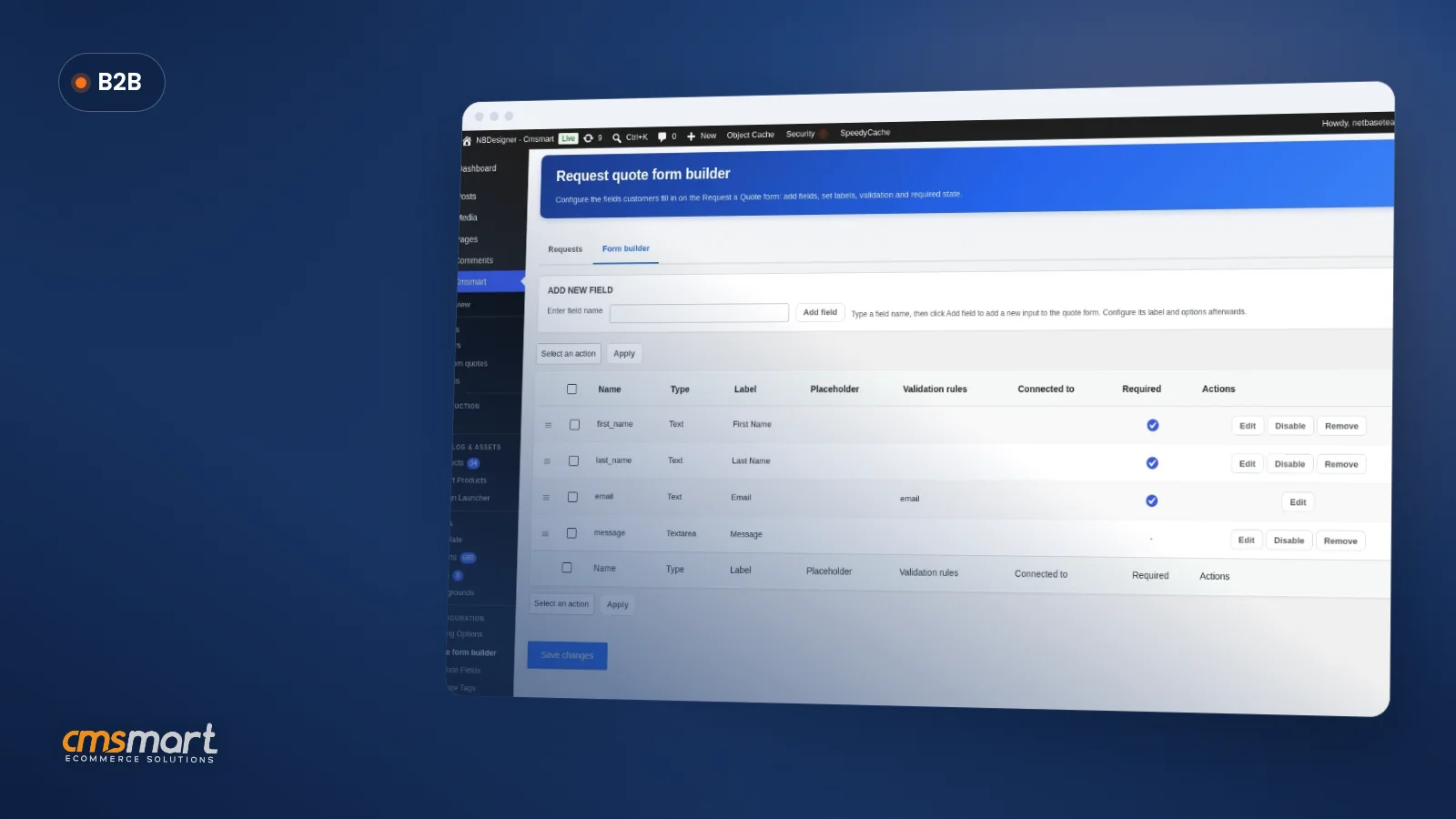
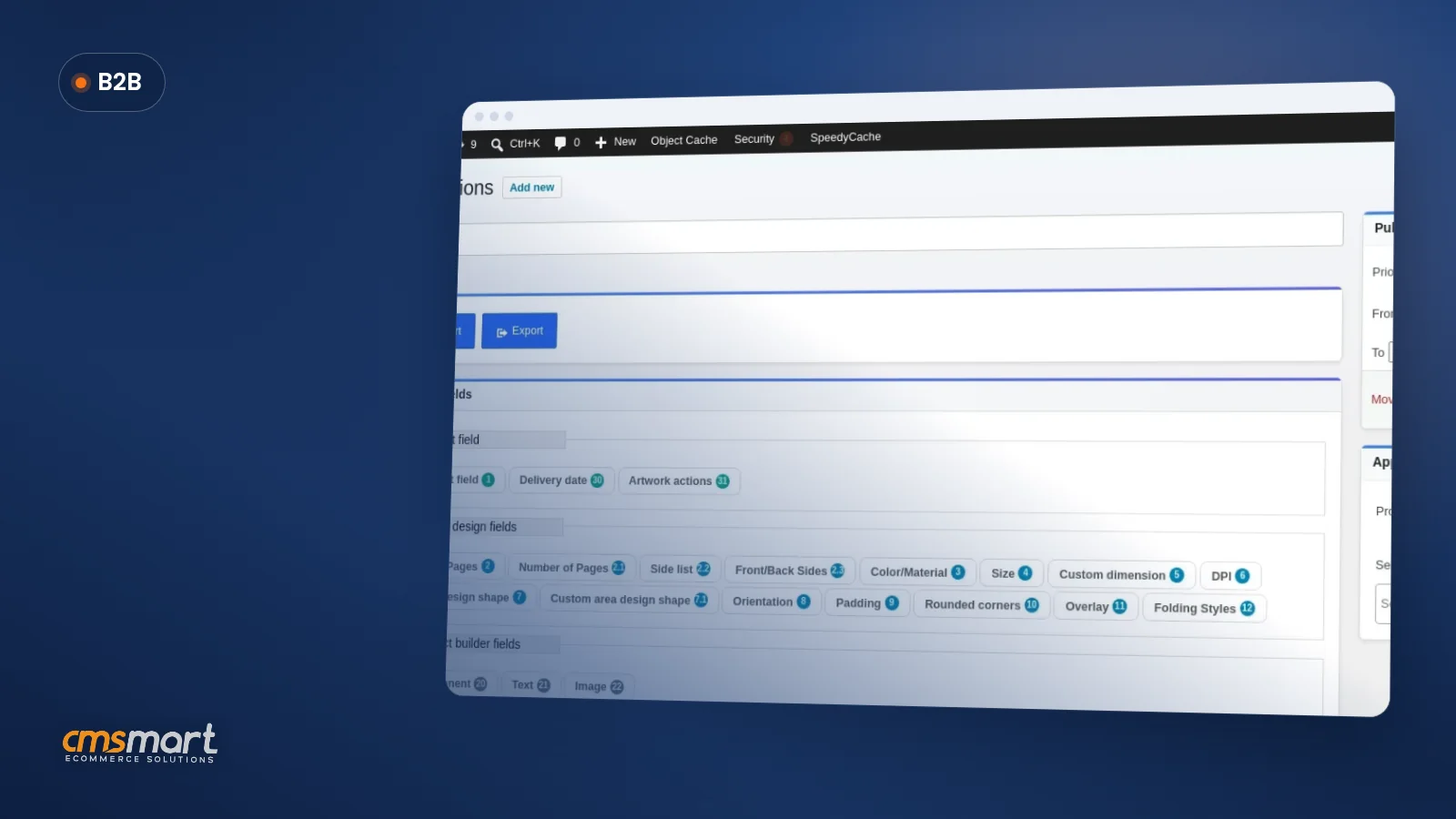


In 2023, eCommerce sales are projected to cross an astounding $6 trillion, highlighting the undeniable significance of online marketplaces. This digitized shopping landscape is revolutionizing retail, making it more accessible for small and medium-sized enterprises (SMEs) to launch and thrive without hefty investments in physical storefronts. However, with this rapid growth comes fierce competition, as businesses scramble to capture consumer attention on established online platforms. A pertinent example is our client, ShopEasy, based in Australia, a burgeoning fashion retailer that sought to enhance its visibility in a crowded market. By leveraging Cmsmart's innovative solutions, ShopEasy not only improved its marketplace presence but also experienced a remarkable 40% increase in sales within just six months of implementation.
As the online marketplace continues to grow, understanding consumer preferences and trust becomes paramount for SMEs. You can further enhance your business strategies through data-backed insights and effective digital marketing approaches. For instance, exploring mastering eCommerce strategies and effective digital marketing strategies can serve as stepping stones toward achieving substantial growth. In this tutorial, we will delve into essential strategies designed to unlock your online marketplace success and drive growth and visibility.
The Influence of the Online Marketplace
Imagine a world where owning a successful business doesnt require a physical shopfront, stock, or an enormous initial investment!The online marketplace has revolutionized the way we approach retail, making it accessible, cost-effective, and adaptable to the ever-changing consumer landscape.
The Power of the Online Marketplace
In today’s digital era, consumers prefer established online shopping platforms, putting pressure on small businesses to adapt and thrive in this competitive eCommerce ecosystem.Consumer Preferences and Market Dynamics
The growth of global digital purchases has provided consumers with a plethora of options. As a result, eCommerce platforms must continually engage with their audience to build consumer trust.Here are some actionable strategies:
The Role of Online Marketplaces in E-commerce
Transitioning your business to an online marketplace strategy minimizes risks and capital requirements while maximizing potential profits.Explore how online platforms can fit into your overall business strategy:
- Role of Online Marketplaces in eCommerce
- Growth of Global Digital Purchases
- Market Share of eCommerce Marketplaces
In summary: Embracing the influence of online marketplaces is crucial for modern businesses aiming to thrive in a digital-first world. Next, let’s explore the growth strategies to capitalize on this evolving market landscape.Dissecting the Online Marketplace
Struggling to navigate the crowded world of online selling? Youre not alone.Many entrepreneurs face challenges adapting to consumer preferences for established platforms and the dominance of digital marketplaces in the eCommerce landscape.
Definition of Online Marketplace
An online marketplace is a digital platform where multiple third-party sellers can offer their products or services. This eCommerce ecosystem allows consumers to browse and purchase a wide variety of offerings from a single site, enhancing convenience and choices. Popular examples of online marketplaces include Amazon, eBay, and Etsy.The Evolution and Importance of Online Marketplaces in Todays Shopping Culture
As shopping behavior shifts increasingly to online platforms, the growth of the global digital marketplace has become paramount. Statista reports that the global eCommerce market is expected to exceed $8 trillion by 2027, reflecting a surge in online shopping activities and consumer trust in digital platforms.Demystifying eCommerce Platform, Digital Marketplace, and Online Shopping Platforms
When we talk about eCommerce platforms, digital marketplaces, and online shopping platforms, its essential to clarify their differences: - eCommerce platform: A system that allows businesses to create and manage their online stores. - Digital marketplace: A collective term for platforms where various sellers operate, often incorporating eCommerce solutions and payment methods. - Online shopping platforms: Websites like Amazon that serve as both eCommerce and marketplace interfaces for consumers and sellers alike.Actionable Tips for Success in the Digital Marketplace
- Optimize your listings with high-quality images and detailed descriptions.
- Utilize SEO techniques to boost your visibility on marketplace searches.
- Engage with customers through reviews and feedback for improved credibility.
To dive deeper into the role of online marketplaces in eCommerce, explore the growth of global digital purchases and understand the impact of U.S. marketplaces on sales. In summary: As the landscape of online shopping evolves, understanding these elements will equip your business for sustained growth. Up next, we will explore the vital consumer preferences in digital shopping and their influences on eCommerce strategies.Global Digital Purchases: The New Normal
Consumer preference for established platforms is reshaping the way we shop online.As digital marketplaces dominate the eCommerce landscape, businesses are challenged to adapt to the evolving shopping behaviors of consumers. In this new reality, understanding global digital purchases becomes essential for thriving in the online shopping ecosystem.
What are Global Digital Purchases?
Global digital purchases refer to transactions conducted online, enabling consumers to buy products and services from anywhere in the world. This digital marketplace eliminates geographical barriers, allowing businesses to tap into international consumer bases. Some key aspects include:Advantages of Global Digital Purchases through Online Marketplaces
Leveraging online marketplaces presents numerous advantages for businesses looking to scale their eCommerce operations. These benefits include:Showcasing Successful Models of Online Marketplaces
Examples of successful online marketplace models showcase how to thrive in this competitive digital environment. Successful platforms such as Amazon and eBay have paved the way, demonstrating effective strategies for engaging consumers and delivering exceptional shopping experiences. Key takeaways include:- Implementing user-friendly interfaces to enhance navigation.
- Utilizing data to understand and anticipate consumer behavior.
- Investing in comprehensive customer service to build long-lasting relationships.
In summary: Embracing global digital purchases through established online marketplaces is crucial for meeting evolving consumer preferences and enhancing financial impact. Stay tuned as we delve into the role of online marketplaces in eCommerce and how they influence sales growth and consumer behavior.Inside the eCommerce Ecosystem
Are you struggling to navigate the rapidly evolving eCommerce landscape?Consumer preference for established platforms has dramatically shifted the dynamics of online shopping, compelling businesses to adapt or risk falling behind.
Understanding the eCommerce Ecosystem
The eCommerce ecosystem comprises various components that interact to facilitate online shopping. Here are the key elements to consider:The Role of Online Marketplaces within the eCommerce Ecosystem
Marketplaces play a pivotal role in the eCommerce ecosystem by acting as intermediaries between consumers and sellers. They offer:Effect of Online Marketplaces on Traditional Retail
The rise of digital shopping platforms has disrupted traditional retail in several ways:- Shift in consumer preferences towards online shopping, impacting foot traffic in physical stores
- Pressure on conventional retailers to establish a compelling online presence
- Competitive pricing and faster delivery options that pressure traditional businesses to innovate
For further reading on the importance of the role of online marketplaces in eCommerce and the growth of global digital purchases, click the links. In summary: Understanding the intricate web of the eCommerce ecosystem will help you harness its potential and align your business strategy effectively. Up next, we will explore advanced strategies for adapting to these shifts in online shopping behavior.Building Consumer Trust in Digital Marketplaces
Struggling to gain consumer trust in your digital marketplace? You’re not alone.As online shopping behavior shifts, building consumer confidence is paramount for success in an increasingly crowded eCommerce ecosystem. Many businesses find themselves competing against established platforms, making it essential to instill trust among customers navigating through various online shopping platforms.
Role of Consumer Trust in eCommerce Platforms
Consumer trust plays a pivotal role in driving sales and fostering loyalty on eCommerce platforms. Here are key benefits:Essential Features for Enhancing Consumer Trust
Integrating features that build trust is critical. Consider the following:Selecting an Online Platform with Consumer Trust as a Priority
When choosing an online shopping platform, prioritize consumer trust. Here’s how to navigate your options:- Evaluate marketplace reputation: Research reviews and ratings for potential platforms.
- Assess feature offerings: Ensure the platform has a strong suite of trust-building tools.
- Look for compliance: Verify that they adhere to regulations concerning data protection and privacy.
For an extensive look into how online marketplaces shape the eCommerce landscape, explore our article on the role of online marketplaces in eCommerce. Additionally, gain insights on the growth of global digital purchases and the impact of U.S. marketplaces on sales. In summary: Building consumer trust is vital for thriving in the digital marketplace. By focusing on enhancing trust through essential features and careful platform selection, businesses can increase their market share substantially. Next, let’s examine the critical elements that influence consumer preferences in digital shopping.Customer Preferences in Online Shopping
Struggling to keep up with ever-changing customer preferences in the online shopping landscape? You’re not alone.Understanding consumer behavior is crucial, especially with the dominance of digital marketplaces in eCommerce. Adapting to these shifts can significantly impact your businesss financial outcomes and customer trust.
Breaking down Online Shopping Behaviors
Consumer preferences have evolved dramatically in the digital marketplace. Here are some key insights into what influences customer purchasing decisions:Connection between Customer Preferences and Online Marketplace Success
The success of your eCommerce ecosystem hinges on understanding and aligning with customer preferences. Heres how to get it right:Benefits and Challenges of Catering to Customer Preferences
Catering to customer preferences comes with its own set of advantages and challenges:- Benefits: Increased customer satisfaction, higher retention rates, and enhanced brand loyalty.
- Challenges: Continuous need for market research to stay updated on trends and fluctuating consumer demands.
In summary: By understanding customer preferences in online shopping, you position your business for success. This foundational knowledge leads seamlessly into the next conversation about the role of online marketplaces in eCommerce, and how leveraging these insights can boost your sales and growth potential.Best Practices for Profiting from a Marketplace Economy
Struggling to stand out in a crowded marketplace? You’re not alone.Many new vendors face the daunting challenge of competing against established giants in the digital marketplace. Adapting to consumer preferences for familiar platforms is critical for long-term success.
Planning for an Online Marketplace Launch
When contemplating the launch of your online marketplace, consider these essential steps:Key Steps in Setting up a Successful Online Marketplace
To ensure your online shopping platform thrives, follow these key actions:Case Studies on Thriving Online Marketplaces
A great source of inspiration is analyzing successful eCommerce platforms. Here are notable examples that illustrate effective strategies: Incorporating lessons from these giants can illuminate pathways for smaller marketplaces aiming to achieve similar success. In summary: By understanding the dynamics of the online marketplace, strategically planning for your launch, and adopting practices from successful case studies, you can carve your niche in the crowded eCommerce ecosystem. Ready to explore the role of online marketplaces in eCommerce and the impact of U.S. marketplaces on sales? Next, we’ll delve into the evolving landscape of consumer preferences in digital shopping.Future Trends in Online Fundamentals
Struggling to keep up with evolving consumer preferences in online shopping? You’re not alone.Many businesses face the challenge of adapting to shifts in shopping behavior, especially as established platforms and digital marketplaces dominate the eCommerce landscape.
Current Trends in the Online Marketplace
As we analyze the current state of eCommerce, it’s pivotal to recognize ongoing trends that shape consumer decisions. Here are key trends influencing todays digital marketplace:Predicting the Future of Online Marketplaces
To future-proof your eCommerce platform against upcoming changes, consider these predictions:How to Future-Proof Your Online Marketplace
Here are some actionable tips to ensure your digital marketplace remains competitive and resilient:- Stay Informed: Regularly monitor market trends and consumer preferences to adjust your strategy accordingly.
- Invest in Technology: Utilize cutting-edge tools like AI and analytics to provide personalized shopping experiences.
- Enhance User Experience: Streamline the user interface and ensure a seamless shopping journey across devices.
- Foster Community Engagement: Create loyalty programs or forums to build community and encourage repeat business.
Incorporating these strategies will position your online marketplace to thrive amid changing consumer behavior. Additionally, by understanding the role of online marketplaces in eCommerce, you can leverage resources effectively to adapt quickly. In summary: Understanding current trends and preparing for future shifts is crucial for success in digital commerce. Next, we’ll explore the growth of global digital purchases and how various factors influence the eCommerce ecosystem.Frequently Asked Questions
Struggling to navigate the complexities of online marketplaces? You’re not alone.With consumers increasingly favoring established platforms and the dominance of eCommerce marketplaces, adapting to shifts in online shopping behavior is crucial for success.
Common Questions About Online Marketplaces
Here are some frequently asked questions and answers that can help guide you through the eCommerce ecosystem:1. What are online marketplaces?
Online marketplaces are digital platforms where multiple vendors sell goods or services directly to consumers. Examples include Amazon, eBay, and Etsy.
2. How do online marketplaces impact consumer trust?
Marketplaces generally instill higher consumer trust. According to a survey by Statista, 80% of consumers prefer shopping on established platforms due to perceived safety and reliability.
3. Are online marketplaces profitable for sellers?
While fees can be higher on online marketplaces, they offer vast reach and the ability to tap into existing customer bases. Many sellers report increased sales volume as a significant advantage.
4. How should I choose the right marketplace?
5. How can I enhance my presence on these platforms?
6. What are the trends in online shopping behavior?
Trends indicate a rising preference for mobile shopping. According to Statista, mobile eCommerce is expected to surpass $1 trillion by 2025, making mobile optimization essential.
For more insights on the role of online marketplaces in eCommerce and consumer preferences in digital shopping, check out our in-depth guides.
In summary: Understanding the common inquiries surrounding online marketplaces is key to leveraging their potential for your business. Next, we’ll delve deeper into the growth of global digital purchases and how you can align your strategy for maximum impact.FAQ Section: Troubleshooting and Pro Tips
What drives consumer preference for established online marketplaces?
Consumers trust established marketplaces due to their reputation, diverse product offerings, and robust customer support.
How do online marketplaces dominate the eCommerce landscape?
Marketplaces like Amazon and eBay provide vast product selections, competitive pricing, and convenience, making them the go-to choice for shoppers.
What are the key trends in eCommerce adaptation to consumer behavior?
Businesses are embracing mobile commerce, optimizing for user experience, and personalizing shopping interactions to meet evolving consumer preferences.
What impact does mobile shopping have on eCommerce sales?
The rise of mobile shopping has significantly increased eCommerce sales, pushing retailers to enhance mobile user experiences and checkout processes.
Why is trust important in online marketplaces?
Trust is crucial as it influences consumer buying decisions, leading to higher conversion rates and customer loyalty in online shopping environments.
How can businesses adapt to shifting shopping behaviors effectively?
Businesses can adapt by utilizing data analytics to understand customer preferences, improving logistics, and engaging through social media marketing.
What role does customer experience play in eCommerce success?
A seamless customer experience boosts satisfaction, encourages repeat purchases, and fosters positive reviews, all essential for eCommerce growth.
Further Reading
Congratulations on taking the essential steps towards unlocking your online marketplace success! This tutorial provided you with critical insights into consumer trust, behavior dynamics, and the strategic advantages of leveraging established platforms to enhance visibility. Remember, adapting your offerings based on analytics and market research is not just beneficial—it’s imperative in today’s competitive landscape. Let’s discuss how we can help you implement these strategies effectively. Don’t hesitate to reach out to David, our CEO, via WhatsApp or email project@cmsmart.net for tailored consultation. Plus, if you need a detailed solution tailored just for you, feel free to request your quotation here. Together, we can transform your online marketplace and drive growth!