
Guide · B2B
WooCommerce Amazon Etsy Sync: Stock and Orders
WooCommerce Amazon Etsy sync guide: keep stock and orders right across channels, avoid overselling, and get a custom integration quote.
Explore the power of multi-channel e-commerce to enhance your business visibility and drive sales on various digital platforms.
Table of contents
Was this tutorial helpful?
Written by
Cmsmart B2B Commerce & Operations Consultant
Designs B2B ordering, marketplaces and the operations behind them.
The team behind it
 Account Manager
 Project Manager
 Business Analyst
 Developers & QA
Guide · B2B
WooCommerce Amazon Etsy sync guide: keep stock and orders right across channels, avoid overselling, and get a custom integration quote.
Guide · B2B
Set up a WooCommerce request a quote B2B workflow: price matrix, approval, and one-click conversion to order. Plan yours today.
Guide · B2B
WooCommerce B2B pricing: give wholesale buyers tiered prices, customer groups and account approval. See what the plugin does today and get a custom qu...
Browse more guides, tutorials and case studies from the Cmsmart community.
Unlock the Power of Mobile Commerce: Propel Your Business Forward
Read MoreDiscover how to harness mobile commerce to enhance your business growth. Learn strategies for optimizing the mobile shopping experience and increasing consumer engagement.
Read MoreDiscover the benefits of mobile commerce and how it can transform your business. Learn effective strategies for maximizing sales and customer engagement through mobile-optimized shopping experiences.
Read More
Cmsmart Ecommerce provides custom ecommerce and WooCommerce development services for web-to-print, product personalization, plugin support and API integration.
Cmsmart B2B Commerce & Operations Consultant
Designs B2B ordering, marketplaces and the operations behind them.
Meet the team →


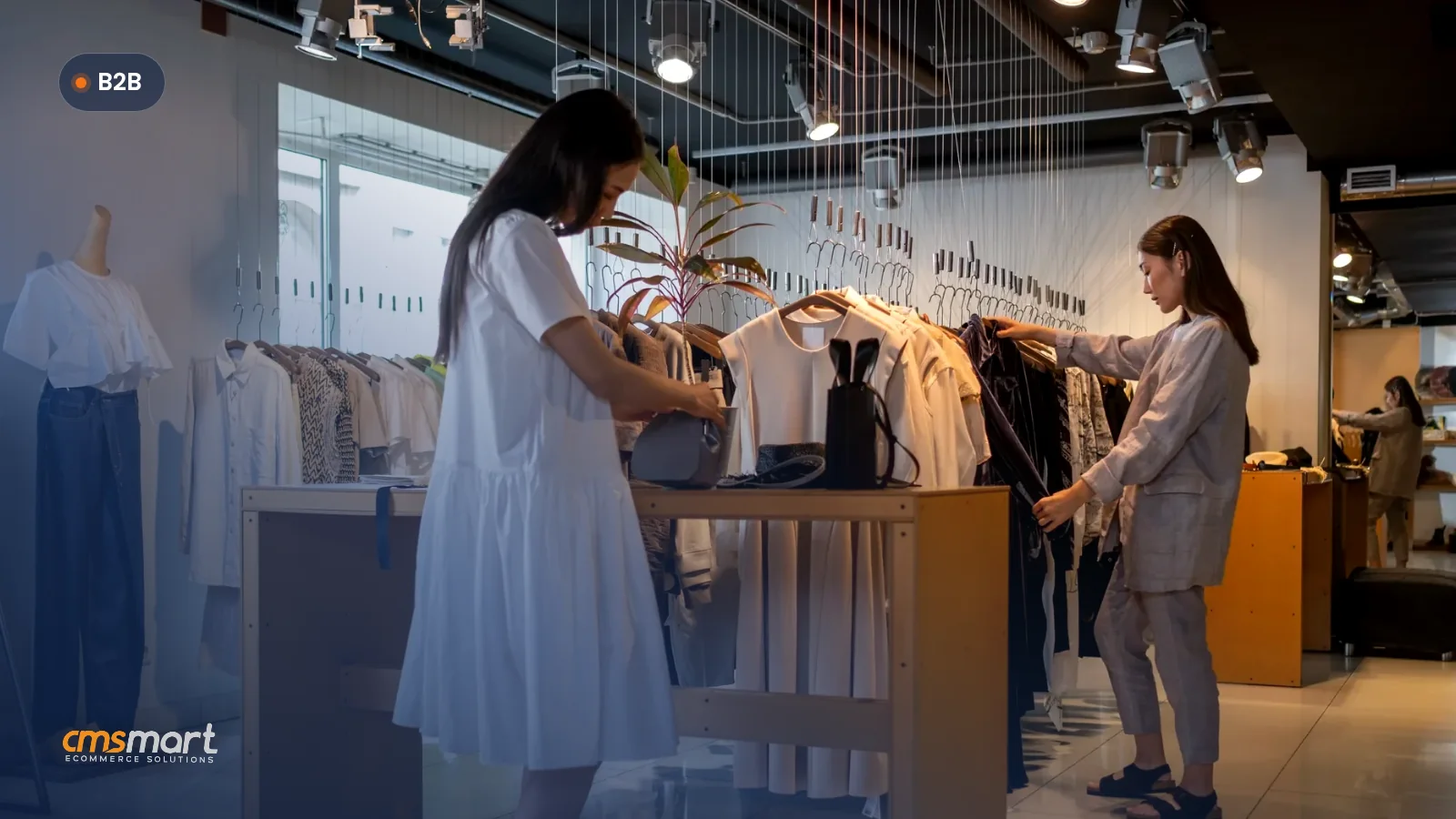
In today's fast-paced digital economy, over 73% of consumers are engaging with brands across multiple channels, a statistic that underlines the necessity for businesses to embrace multi-channel e-commerce. This was precisely the challenge faced by ABC Fashion, a thriving apparel company based in Australia. Despite having a successful online store, they were missing out on significant sales opportunities across social media platforms and marketplaces like Amazon. By integrating Cmsmart's multi-channel strategies, they not only expanded their reach but also improved customer interaction, resulting in a remarkable 150% increase in sales within just six months.
Transitioning to a multi-channel e-commerce approach empowers businesses to create seamless shopping experiences that resonate with today’s consumers. As more shoppers expect fluidity from one platform to another, the integration of sales channels not only enhances visibility but optimizes consumer behavior. With a proven framework laid out in resources like our Comprehensive Guide to Multi-Channel E-Commerce, this tutorial will walk you through effective strategies to boost your sales across various platforms while efficiently engaging your customers. In this guide, we will explore actionable insights and best practices to unlock your path to multi-channel success.
The Future is Multi-Channel
Managing multiple sales channels efficiently is crucial for modern retailers.To thrive in today’s competitive landscape, businesses are transitioning toward multi-channel e-commerce and discovering powerful ways to enhance customer experiences while driving sales.
Imagine quadrupling your sales through online channels you never thought to explore.
Multi-channel E-Commerce can do just that.Understanding Multi-Channel E-Commerce
With the rise of online shopping, integrating various sales platforms has become critical. An effective multi-channel strategy not only improves your online presence but also optimizes consumer behavior through seamless interactions across multiple channels. Here are some key elements to consider:Tips for Implementing Multi-Channel E-Commerce
To effectively harness the power of multi-channel e-commerce, consider these actionable tips:- Conduct market research to identify which channels your target audience frequents.
- Invest in technology that facilitates integration across platforms without losing performance.
- Utilize CRM systems to enhance customer interactions and tailor offerings to individual preferences.
- Regularly monitor and analyze sales data across channels to refine your approach.
In conclusion: Embracing a multi-channel e-commerce strategy not only addresses key business pain points but also positions you to capitalize on emerging trends in digital commerce. For more in-depth insights, check out our comprehensive guide to multi-channel e-commerce, and let’s continue to explore how optimizing e-commerce for mobile can further boost your sales.Demystifying Multi-Channel E-Commerce
Managing multiple sales channels efficiently? You’re not alone.The challenge of delivering a seamless user experience across various platforms is a common pain point for many businesses. As consumer behavior evolves, leveraging social media and integrating emerging technologies with existing systems becomes crucial for balancing online and offline customer satisfaction.
What Is Multi-Channel E-Commerce?
Multi-channel e-commerce refers to the strategy of selling products across various platforms, including online marketplaces, social media, and physical stores. This integrated approach enables businesses to reach a broader audience and engage with customers through their preferred shopping channels.The Evolution and Significance of Multi-Channel Retailing
The evolution from single-channel to multi-channel retailing stems from changes in consumer behavior influenced by technology advancements. Today’s shoppers expect to engage with brands seamlessly across multiple touchpoints. According to a recent Salesforce report, 70% of consumers use multiple channels while shopping, illustrating the necessity for retailers to adopt a multi-channel strategy.Decoding the Jargon: Multi-Channel, Omnichannel, and Cross-Channel
Understanding these terms is critical for successful implementation: - Multi-Channel: Selling through multiple platforms independently. - Omnichannel: An integrated approach that ensures a seamless customer experience across all channels. - Cross-Channel: The ability for customers to switch between channels during their shopping journey. Pro Tips:- Invest in technology to unify customer data across channels.
- Regularly analyze customer interactions to improve engagement strategies.
- Prioritize mobile optimization, as 54% of customers expect a seamless experience on their smartphones.
For valuable resources on optimizing your e-commerce framework, check out our comprehensive guide to multi-channel e-commerce, or delve into tips on optimizing e-commerce for mobile. In summary: Embracing multi-channel e-commerce not only enhances customer satisfaction but also positions your brand for growth in an increasingly digital marketplace. Next, let’s explore capitalizing on social commerce trends to further expand your reach and boost sales.E-Commerce Beyond Single Channel
Managing multiple sales channels efficiently can feel overwhelming. Ensuring a seamless user experience across platforms is crucial, yet many businesses struggle with it.In the fast-paced world of e-commerce, relying on a single sales channel can limit growth and customer reach.
The Shortcomings of Single-Channel Strategy
Advantages of a Multi-Channel Approach
Transitioning to a multi-channel e-commerce strategy can provide various benefits:Real-World Success Stories of Multi-Channel Retailing
Several companies have successfully implemented multi-channel strategies to drive sales. For instance, a well-known clothing retailer saw a 25% lift in sales by integrating online platforms with their brick-and-mortar stores. To learn more about these successful transformations and the nitty-gritty of executing a multi-channel strategy, check out our comprehensive guide to multi-channel e-commerce. Pro Tips: Optimize your approach by ensuring your inventory management system is integrated across all channels to maintain consistency and avoid stock issues. In summary, embracing a multi-channel approach is essential in todays e-commerce landscape; it streamlines customer interactions and maximizes your sales potential. Next, let’s delve into strategies for optimizing e-commerce for mobile and enhancing user experience across all platforms.Widening Your Online Presence
Managing multiple sales channels efficiently is crucial for growing your online business.Many retailers struggle to ensure a seamless user experience across platforms, leverage emerging technology, and balance customer satisfaction between online and offline shopping.
Expanding the Customer Touchpoints
Expanding your customer touchpoints is vital for enhancing your online presence. By integrating various channels, you can interact with customers more effectively and boost sales.How Social Commerce and Mobile Commerce Supplement Your Multi-channel Strategy
Social commerce allows brands to sell directly through social platforms—enhancing your sales strategy with innovative methods.Mobile commerce continues to grow, and optimizing for mobile can lead to increased conversion rates. Here are a few tips:
Balancing Online and Offline Experiences in an Integrated E-Commerce Setup
To maintain customer satisfaction, it’s crucial to balance your online and brick-and-mortar experiences. Consider these strategies:- Collect feedback from both channels to identify areas for improvement.
- Implement a cohesive inventory management system that tracks stock across all platforms.
- Offer click-and-collect options to bridge online interactions with offline experiences.
In conclusion: Widening your online presence through diverse channels not only enhances customer interactions but also drives revenue growth. To take your e-commerce business to the next level, explore our comprehensive guide to multi-channel e-commerce, where well delve deeper into optimizing your strategies for mobile and integrating the latest technologies into your sales models.Leveraging Technology for Seamless Retailing
Managing multiple sales channels effectively can feel overwhelming, can’t it?Businesses today grapple with the challenge of ensuring a seamless user experience across diverse platforms while integrating emerging technologies and balancing both online and offline customer satisfaction.
Embracing Modern E-Commerce Software Solutions
Utilizing advanced e-commerce software can streamline processes and enhance efficiency. Consider adopting:The Invisible Power of IoT in E-Commerce
Integrating the Internet of Things (IoT) can revolutionize how brands interact with customers by:Effectively Managing Inventory Across Multiple Channels
The key to thriving in omnichannel retailing is robust inventory management. Begin with:- Real-time inventory tracking systems to prevent stockouts
- Centralized databases that streamline updates across platforms
- Utilization of data analytics to forecast demand accurately
For more insights, be sure to check our comprehensive guide to multi-channel e-commerce and explore tips on optimizing e-commerce for mobile and capitalizing on social commerce trends. In summary: By embracing technology and implementing best practices, youll not only enhance your customer interactions but also prepare your business for future challenges. In the next section, we’ll delve into strategies for integrating IoT in commerce, ensuring that your business remains at the forefront of innovation.The E-Commerce Strategy Blueprint
Managing multiple sales channels efficiently can be a daunting task.With the rapid growth of online commerce, ensuring a seamless user experience across platforms has become crucial for retailers. The challenge of integrating advanced technology with existing systems adds another layer of complexity, yet it is essential for balancing online and offline customer satisfaction.
Crafting a Successful Multi-Channel E-Commerce Strategy
To thrive in the competitive landscape of e-commerce, an integrated approach is paramount. Here are some actionable tips to guide you:Handling Customer Interactions in a Cross-Channel Scenario
In today’s market, effective customer interactions across various channels are essential. Here’s how to enhance customer experience:Incorporating Advanced Technology into Your eCommerce Plan
To stay ahead, embracing technology advancements is a must:- Adopt emerging technologies such as Augmented Reality (AR) to enhance product visualization.
- Utilize customer relationship management (CRM) tools to track interactions and improve sales strategies.
- Explore the integration of IoT devices for smarter inventory management and customer tracking.
In summary: By crafting a multi-channel strategy, managing customer interactions effectively, and incorporating advanced technology, you can streamline your e-commerce operations and enhance sales. For further insights, explore our comprehensive guide to multi-channel e-commerce or learn how to optimize e-commerce for mobile. Next, let’s delve into the importance of capitalizing on social commerce trends to further boost your business growth.Looking Into the Future of E-Commerce
Struggling to manage multiple sales channels effectively? You’re not alone.Many businesses face challenges in ensuring a seamless user experience across various platforms while trying to leverage social media for increased sales.
Current E-Commerce Trends Shaping the Retail Industry
As technology advances, the e-commerce landscape evolves. Here are some key trends to consider:Predicted Evolution in Consumer Behavior and E-Commerce
Understanding future consumer behavior is vital for businesses:Preparing Your Business for the Future of E-Commerce
To stay ahead, consider these actionable strategies:- Invest in integrated e-commerce solutions that streamline operations across various platforms.
- Focus on enhancing your customer satisfaction through seamless online and offline experiences.
- Embrace technology advancements and continually adapt your business model to incorporate emerging tools.
In summary: Understanding today’s trends and preparing for changes in consumer behavior is essential for e-commerce success. For continued exploration, check out our comprehensive guide to multi-channel e-commerce, learn about optimizing e-commerce for mobile, or discover strategies for capitalizing on social commerce trends. Next, we will delve into effective methods for integrating IoT in commerce to enhance your business capabilities.Frequently Asked Questions
Managing multiple sales channels efficiently can be a daunting task for any business owner.Finding the right balance between a seamless user experience and effective inventory management is essential to optimizing sales across various platforms.
Understanding Common Queries in Multi-Channel E-Commerce
Addressing Key Pain Points in Multi-Channel E-Commerce
To help businesses navigate their multi-channel strategy effectively, consider the following actionable insights:
Further Enhancements with Technology
Emerging technologies can drive efficiency in your operations:
Dont forget to check our comprehensive guide to multi-channel e-commerce for in-depth strategies.
In conclusion: By understanding and addressing these common queries, you can enhance your multi-channel strategies effectively. Next, let’s dive into optimizing e-commerce for mobile users, ensuring you dont miss out on potential sales opportunities.Further Reading
Congratulations on taking the first step towards transforming your e-commerce approach! In this tutorial, we explored the vital strategies for implementing a successful multi-channel e-commerce model, ensuring that each customer interaction increases engagement and drives sales. Imagine the potential for quadrupling your sales by optimizing your integration across various platforms! Now is the moment to act. Contact David directly via WhatsApp at this link, or reach out to our expert ecommerce project consultant at project@cmsmart.net. If you’re eager to discuss a tailored solution for your needs, don't hesitate to request a quotation. Let’s work together to elevate your business to new heights in the multi-channel landscape!