

Guide · Web-to-print
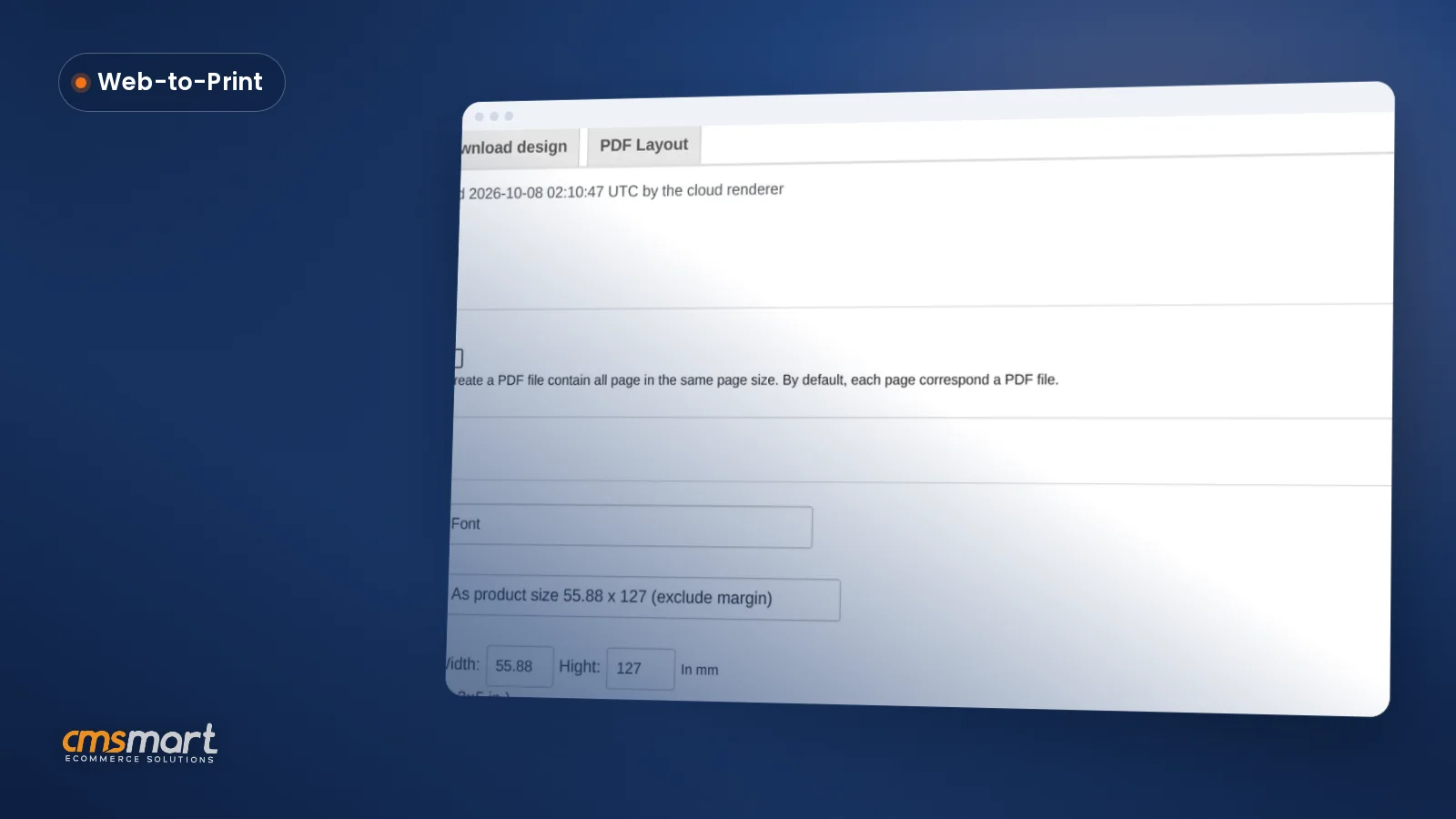
Custom Size Printing WooCommerce: Price It Live
Custom size printing WooCommerce shoppers configure themselves: Cmsmart prices it live and matches the print-ready PDF to the order. Get a quote.
Unlock the full potential of your online business with our comprehensive ecommerce strategy guide. Gain valuable insights and proven techniques to enhance profitability, drive customer engagement, and achieve sustained growth.
Table of contents
Was this tutorial helpful?
Written by
Cmsmart WooCommerce Development Lead
Leads custom WooCommerce builds: architecture, checkout, performance and integrations.
The team behind it
 Account Manager
 Project Manager
 Business Analyst
 Developers & QA
Guide · Web-to-print
Custom size printing WooCommerce shoppers configure themselves: Cmsmart prices it live and matches the print-ready PDF to the order. Get a quote.
Guide · WooCommerce
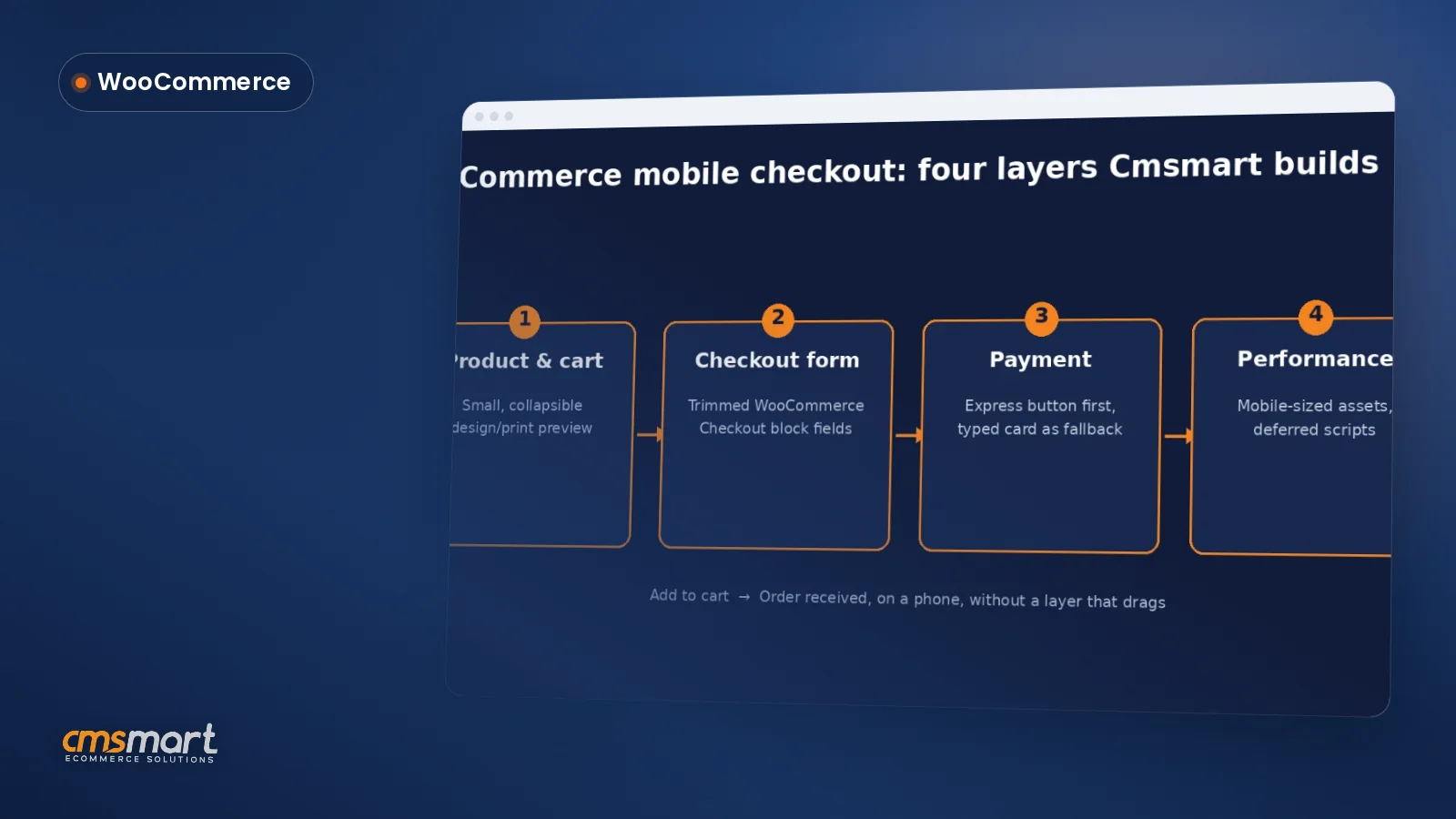
Fix your WooCommerce mobile checkout before shoppers bounce: cut fields, add express pay, speed up pages, and request a custom build quote today.
Guide · WooCommerce
Plan a WooCommerce HPOS migration that keeps checkout, plugins and reports working. Get Cmsmart's step-by-step guide and request a quote today.
Browse more guides, tutorials and case studies from the Cmsmart community.
Unlock the Power of Mobile Commerce: Propel Your Business Forward
Read MoreDiscover how to harness mobile commerce to enhance your business growth. Learn strategies for optimizing the mobile shopping experience and increasing consumer engagement.
Read MoreDiscover the benefits of mobile commerce and how it can transform your business. Learn effective strategies for maximizing sales and customer engagement through mobile-optimized shopping experiences.
Read More
Cmsmart Ecommerce provides custom ecommerce and WooCommerce development services for web-to-print, product personalization, plugin support and API integration.
Cmsmart WooCommerce Development Lead
Leads custom WooCommerce builds: architecture, checkout, performance and integrations.
Meet the team →




What if a solid ecommerce strategy could dramatically amplify your online sales and propel your digital venture into a new era of growth? As the realm of online retail is anticipated to reach a staggering $4.89 trillion in global sales by 2025, now more than ever, the importance of a well-structured ecommerce strategy cannot be overstated. Take, for instance, our client FashionHub, a burgeoning clothing brand based in Canada. Struggling to maintain a cohesive online presence, they faced declining user engagement on various devices. By implementing our proven ecommerce techniques, including multi-channel integration and data-driven optimizations, they revitalized their brand's customer interaction and nearly doubled their conversion rates in just six months.
In today’s competitive landscape, optimizing user experience across multiple platforms is vital—a consistent digital presence can truly be transformative. Plus, those companies that leverage data analytics effectively see exponential growth in both customer loyalty and sales performance. For more insights on building a strong ecommerce ecosystem, check out our articles on Supply Chain Management and Proven SMB Strategies. In this tutorial, we’ll explore essential techniques that can help you rethink your ecommerce strategy for maximum growth and profitability.
Rethinking Your Ecommerce Strategy
Need for consistent presence across multiple platforms, Optimizing user experience on various devices, Tracking and utilizing analytics effectively, Strategic planning for ecommerce growth.What if a solid ecommerce strategy could boost your online sales and take your digital venture to the next frontier? Rethinking your ecommerce approach can transform how you optimize cross-device user experience and strategically use multi-platform approaches to catalyze your growth.
Hook: The Power of a Strategic Ecommerce Plan
An effective ecommerce strategy not only ensures a consistent presence across platforms but also enhances user experiences on devices ranging from desktops to tablets and smartphones. With over Market Insight: $4.89 trillion in global e-commerce sales predicted by 2025, tapping into this potential is more crucial than ever .
Optimizing Cross-Device User Experience
An ecommerce strategy should focus on optimizing user experiences across all devices. Its not just about being present on different platforms but ensuring that the experience is seamless and engaging no matter where your customers are.
Engage more customers by focusing on:
Our guide on multi-vendor strategy planning is an excellent resource for further enhancing your ecommerce approach .
Strategic Multi-Platform Approaches
A comprehensive strategy involves more than just setting up an online store. Successful ecommerce entities leverage technologies and insights to gain a competitive edge.
- Utilize tools like the CMSmart analytics dashboard to monitor performance and optimize marketing strategies .
- Incorporate feedback loops and user data to refine your offerings continually.
- Stay agile and be ready to innovate with changing consumer demands.
Summary:By embracing these strategies, your ecommerce business isnt just keeping up with the market; its setting the pace. Next, let’s dive into optimizing cross-channel presence to ensure you’re reaching your full potential.
Decoding Ecommerce Strategy
Facing the challenge of sustaining a consistent presence across digital platforms while optimizing user experience?Businesses today strive to excel in digital commerce by addressing key pain points such as strategic planning for eCommerce growth and tracking analytics effectively. Understanding a solid eCommerce strategy is crucial in enhancing digital retail success.
The Essence of Ecommerce Strategy
An eCommerce strategy acts as a blueprint for achieving online retail success. It encompasses planning for mobile and digital platforms to enhance your businesss virtual marketplace presence. The global eCommerce market size is projected to reach a staggering $6.54 trillion by 2023. Market Insight: Implementing an online retail strategy that leverages mobile optimization can drive significant growth.
Why an Ecommerce Strategy is Essential in Digital Retail
A well-crafted strategy not only positions you to capitalize on the burgeoning digital sales channel but also ensures your brands adaptability. By adopting an effective virtual marketplace plan, businesses become more adept at responding to trends and staying competitive.
Get to Know Key Terms: Ecommerce Strategy, Online Retail Strategy, Digital Sales Approach
Understanding these terms is vital as they form the foundation of your eCommerce operations. A robust strategy encompasses tactics tailored to your business’s unique objectives, including digital platforms and analytics tracking.
In summary: Crafting an eCommerce strategy goes beyond just launching a product online. It’s about creating a dynamic plan that adapts to market needs and technological advances. Next, dive into optimizing cross-device user experiences to ensure a cohesive approach across all platforms.
Unlocking Multi-Device Engagement
Is your eCommerce business struggling to maintain a consistent presence across multiple platforms?In todays dynamic market, optimizing the user experience across various devices and effectively tracking analytics is crucial for strategic growth in eCommerce.
Defining Multi-Device Engagement in Ecommerce
Multi-device engagement ensures that your online retail strategy is seamless across all digital platforms. This means providing a cohesive experience whether your customers are on desktops, tablets, or smartphones. Effective multi-device engagement can significantly boost user interaction and retention.
Upsides of Embracing Multi-Device Engagement
Embracing a multi-device approach in your digital sales strategy offers numerous benefits:
Diving Into Successful Multi-Device Engagement Case Studies
Examining business examples that have successfully integrated strategic multi-platform approaches can offer valuable lessons. By analyzing their successes and identifying best practices, you can optimize your multi-device engagement strategy. For an in-depth examination, check out our comprehensive guide on successful ecommerce store case studies.
In conclusion: By enhancing your online retail strategy with multi-device engagement, youre positioning your business for greater reach and efficiency—ready to explore how to optimize cross-device user experiences? Check out our next section on optimizing cross-device user experience.Capitalizing on Cross-Channel Digital Marketing
Struggling to maintain a consistent presence across digital platforms while optimizing user experience? You’re not alone.In the modern eCommerce landscape, businesses face the challenge of ensuring their digital presence resonates across multiple platforms and devices. With a growing number of digital touchpoints, from smartphones to tablets, having an effective cross-channel marketing strategy is crucial.
Understanding the Role of Cross-Channel Marketing in Ecommerce
Cross-channel marketing is about creating a cohesive customer journey across various platforms, whether its social media, email, or a website. By integrating your digital sales approach, you can provide a seamless shopping experience that strengthens your brand presence. This approach ensures your messaging is not only consistent but resonates uniquely with each segment of your audience.
How Cross-Channel Marketing Fortifies Ecommerce Strategy
By fortifying your eCommerce strategy through cross-channel marketing, you align your virtual marketplace plan with actual consumer touchpoints. This involves not just being present across platforms but ensuring these platforms communicate with each other to enhance user experience and drive sales.
The Impact of Cross-Channel Marketing on Online Sales
Embracing a cross-channel strategy not only amplifies your digital presence but also directly influences your online sales. Customers today interact with brands across various devices and platforms throughout their purchasing journey. Capturing these interactions with strategic planning can significantly optimize your eCommerce growth.
In summary: Implementing cross-channel marketing can place your business at the forefront of digital commerce, ensuring that your strategic multi-platform approaches are effective and impactful. Next, let’s explore advanced techniques to optimize cross-device user experience and see how tracking and utilizing analytics can further drive eCommerce success.Harnessing the Power of User Experience Optimization
Optimizing User Experiences in the Digital MarketThe demand for consistent presence across multiple platforms has never been more critical. Optimizing user experience on various devices is crucial for success. Let’s explore effective strategies for harnessing the power of User Experience Optimization.
Why User Experience Optimization Counts in Ecommerce
In the bustling world of online retail strategy, user experience stands as a pivotal factor. Excellent user experience converts visitors into loyal customers and shapes your digital sales approach.
Core Elements of User Experience Optimization
Effective touchpoints make your virtual marketplace plan seamless and your consumers journey rewarding. Consider these core elements:
- Responsive Design: Ensure your site adjusts across various screen sizes.
- User-Centric Interface: Ease of use should be a priority.
- Consistent Branding: Maintain brand aesthetics through strategic multi-platform approaches.
Optimize cross-device user experience across digital platforms to boost market engagement.Choosing Platforms for Excellent User Experience Optimization
Choosing the right platform affects your online presence significantly. Prioritize platforms that support your strategic plan for ecommerce growth.
- Seek scalable solutions.
- Ensure robust support for mobile optimization and tablet use.
Importance of cross-channel presence ensures your brand meets customers wherever they are. In summary: By harnessing the power of user experience optimization, you position your business for sustained growth and success. Next, let’s delve deeper into strategic ecommerce implementations that boost overall performance.Leveraging Data Visualization in Ecommerce Strategy
Harnessing Consistent Data Strategies is Key to Ecommerce SuccessIn todays fast-paced digital marketplace, businesses grapple with the need for consistent presence across multiple platforms, optimizing user experience across various devices, and strategically planning for ecommerce growth.
Introduction to Data Visualization in Ecommerce
Data visualization transforms raw numbers into visual narratives, significantly enhancing the ability to understand complex information quickly. By representing data through graphs, charts, and infographics, online retail businesses can effectively analyze consumer behaviors, track sales performances, and forecast future trends. Market Insight: Companies utilizing advanced data visualization tools are 70% more likely to gain insights into poor business performances and trends.
Linking Data Visualization and Ecommerce Strategy
Integrating data visualization within ecommerce strategy not only aids in making informed decisions but also strengthens strategic planning. The ability to visually interpret data allows businesses to optimize cross-device user experiences and strengthen cross-channel presence. Furthermore, visualization aids in predictive analytics, enabling strategic multi-platform approaches.
Pros and Cons of Data Visualization in Online Retail
While data visualization offers numerous advantages, such as improved clarity and faster decision making, it also comes with challenges. The visuals need to be accurately interpreted and might require skilled personnel for effective implementation.
In summary: Leveraging data visualization in your ecommerce strategy can transform how your business understands and acts on data, setting the stage for impactful scalable growth. To thrive in this digital age, lets delve next into optimizing cross-device user experiences and the strategic importance of cross-channel presence .
Effective Ways to Implement an Ecommerce Strategy
Struggling to ensure your consistent presence across digital platforms?The challenge of maintaining a cohesive online presence while optimizing user experiences across devices is a common issue in e-commerce. Effective strategic planning can transform these challenges into growth opportunities.
Planning for Ecommerce Strategy Implementation
Embarking on an ecommerce journey? Comprehensive planning is crucial. Develop an Online Retail Strategy that caters to your unique business goals and leverages the digital marketplace.
Crucial Steps in Executing an Ecommerce Strategy
Once your plan is in place, execution is key. Here are pivotal steps to ensure success:
Successful Ecommerce Strategy Implementations: A Look at Real-World Examples
Real-world case studies offer invaluable insights into the effective application of ecommerce strategies:
- Explore successful implementations of multi-vendor stores leveraging tools like Dokan for better vendor management.
- Study businesses that have successfully adapted mobile-first strategies to increase their market share.
In conclusion: Effective planning and strategic execution are the cornerstones of a successful ecommerce strategy. In our next section, well dive deeper into how to optimize the cross-device user experience and ensure your business capitalizes on the importance of cross-channel presence for sustainable growth and success. Continue reading about strategic multi-platform approaches and how to track analytics for e-commerce success , .Ecommerce in the Future: Notable Trends and Forecasts
Struggling to maintain a competitive edge in eCommerce? Youre not alone.Businesses worldwide are facing the challenge of ensuring a consistent presence across multiple platforms while optimizing the user experience across all devices. To thrive in this dynamic environment, leveraging analytics for strategic growth is essential.
Emerging Trends in Digital Retail
As the digital marketplace evolves, several innovative trends are reshaping the eCommerce landscape:
Predicted Future of Ecommerce
Ecommerce is not just about selling products online but providing exceptional user experiences and fostering consumer trust:
How to Future-Proof Your Online Store with Winning Ecommerce Strategies
To ensure long-term success in the eCommerce sector, businesses should adopt these strategic approaches:
- Optimize Cross-Device User Experience: Ensure your store is mobile-friendly and accessible across all devices .
- Strategic Multi-Platform Approaches: Utilize multiple platforms, such as Amazon and eBay, in addition to your website, to maximize your reach .
- Importance of Cross-Channel Presence: Integrate your online store with physical locations and social media for a seamless customer journey .
- Track Analytics for eCommerce Success: Use data-driven insights to continually refine your strategy and meet evolving customer needs .
In summary: Embracing these trends and strategies will position your business for sustained growth and innovation. Next, lets explore how optimizing cross-device experiences can further enhance customer satisfaction and drive conversions.Frequently Asked Questions
Need a Consistent Presence Across Multiple Platforms?Achieving a cohesive digital presence across various devices while understanding analytics for strategic growth is crucial for e-commerce success.
Questions and Answers Covering Common Queries Around Ecommerce Strategy
Crafting an Effective Online Retail StrategyBuilding a robust digital sales approach is essential. Businesses often wonder, "How can I optimize cross-device user experience?" Ensuring a seamless transition between mobile, tablet, and desktop is key to retaining customers. Learn more about ecommerce system strategies.
- Utilize responsive design to ensure consistency across digital platforms
- Integrate digital platforms that cater to diverse user needs
Market Insight:The global e-commerce market is projected to skyrocket to $8 trillion by 2027, emphasizing the necessity of a solid virtual marketplace plan .
Leveraging Multi-Platform Approaches
Strategic multi-platform approaches encompass leveraging various digital touchpoints such as mobile optimization and tablet use. To enhance cross-channel presence, integrating analytics tracking tools is essential.- Deploy multi-platform compatible designs
- Utilize comprehensive analytics for user insights
Importance of Cross-Channel PresenceEngaging customers through various platforms ensures comprehensive outreach. Prioritize cross-channel strategies to maintain brand consistency and increase visibility.
Tracking Analytics for Ecommerce Success
Tracking and utilizing analytics effectively can guide strategic planning for ecommerce growth. Understanding customer behavior through analytics is invaluable for refining your online retail strategy.- Implement analytics tools to gather user data
- Use this data to refine marketing and operational strategies
Summary: Embrace these strategies to elevate your e-commerce efforts for sustained success. Next, we’ll delve into the nuances of optimizing cross-device user experience. For further reading, check out our extensive resource on tracking analytics for ecommerce success.Further Reading
Congratulations on delving deep into the nuances of an effective ecommerce strategy! By understanding the importance of a consistent presence across various platforms and optimizing user experiences on every device, you are setting the stage for unparalleled success. With proven techniques such as leveraging analytics for insights and planning strategically for growth, you are equipped to take your online business to new heights. Don’t let this momentum fade away! Reach out today and let’s discuss how we can assist you in implementing these strategies. Connect with David directly via WhatsApp at David CEO WhatsApp, or send an email to our Ecommerce Project Consultant at [email protected]. For a tailored proposal, request a quotation now. Join me in transforming your store for maximum growth and profitability!