
Guide · Web-to-print
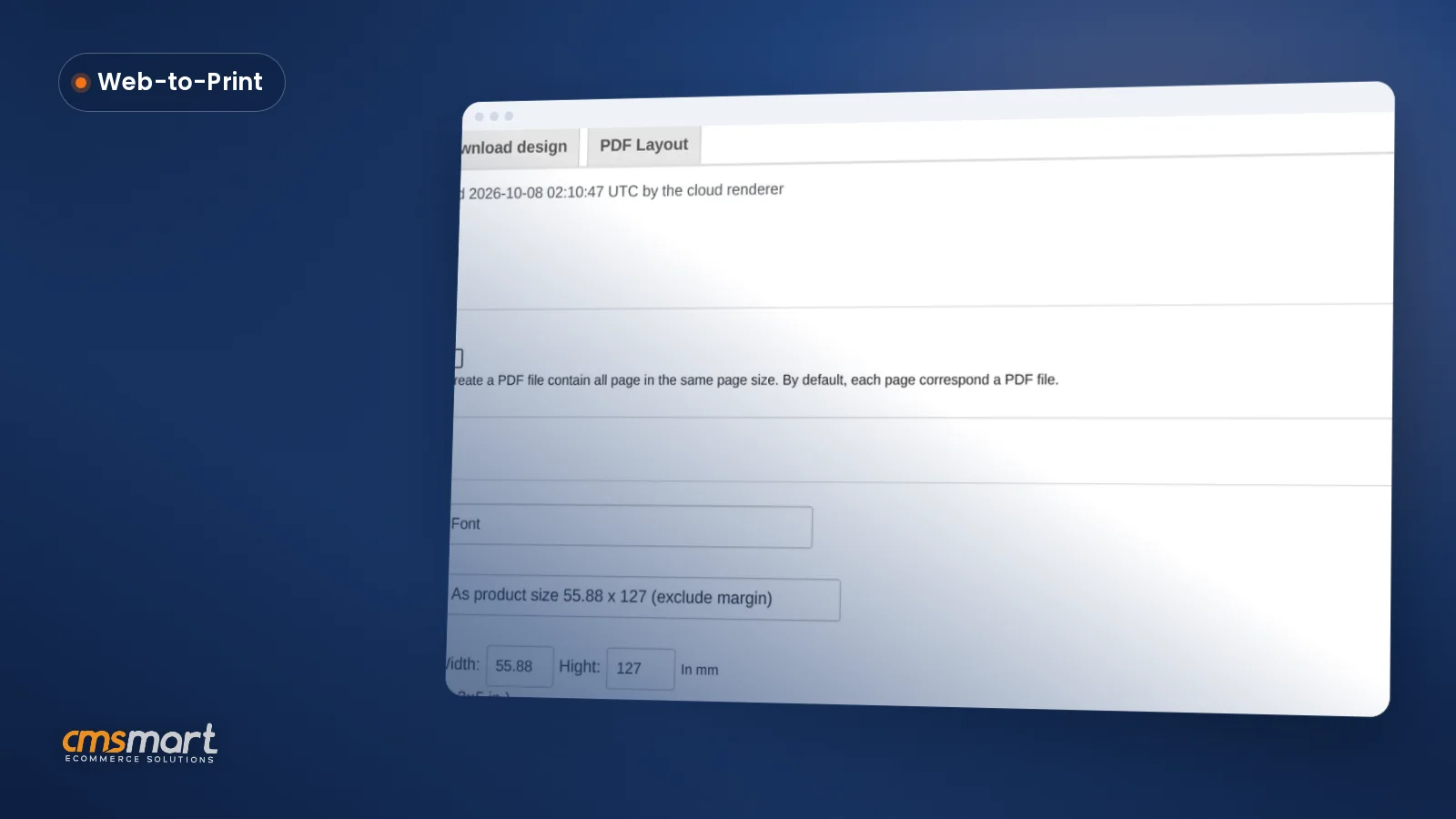
Custom Size Printing WooCommerce: Price It Live
Custom size printing WooCommerce shoppers configure themselves: Cmsmart prices it live and matches the print-ready PDF to the order. Get a quote.
Unlock the full potential of your eCommerce store with social media integration. Increase customer engagement, drive sales, and enhance brand loyalty through powerful social media strategies.
Table of contents
Was this tutorial helpful?
Written by
Cmsmart Headless & API Integration Engineer
Connects stores to ERP, MIS, print APIs and headless frontends.
The team behind it
 Account Manager
 Project Manager
 Business Analyst
 Developers & QA
Guide · Web-to-print
Custom size printing WooCommerce shoppers configure themselves: Cmsmart prices it live and matches the print-ready PDF to the order. Get a quote.
Guide · WooCommerce
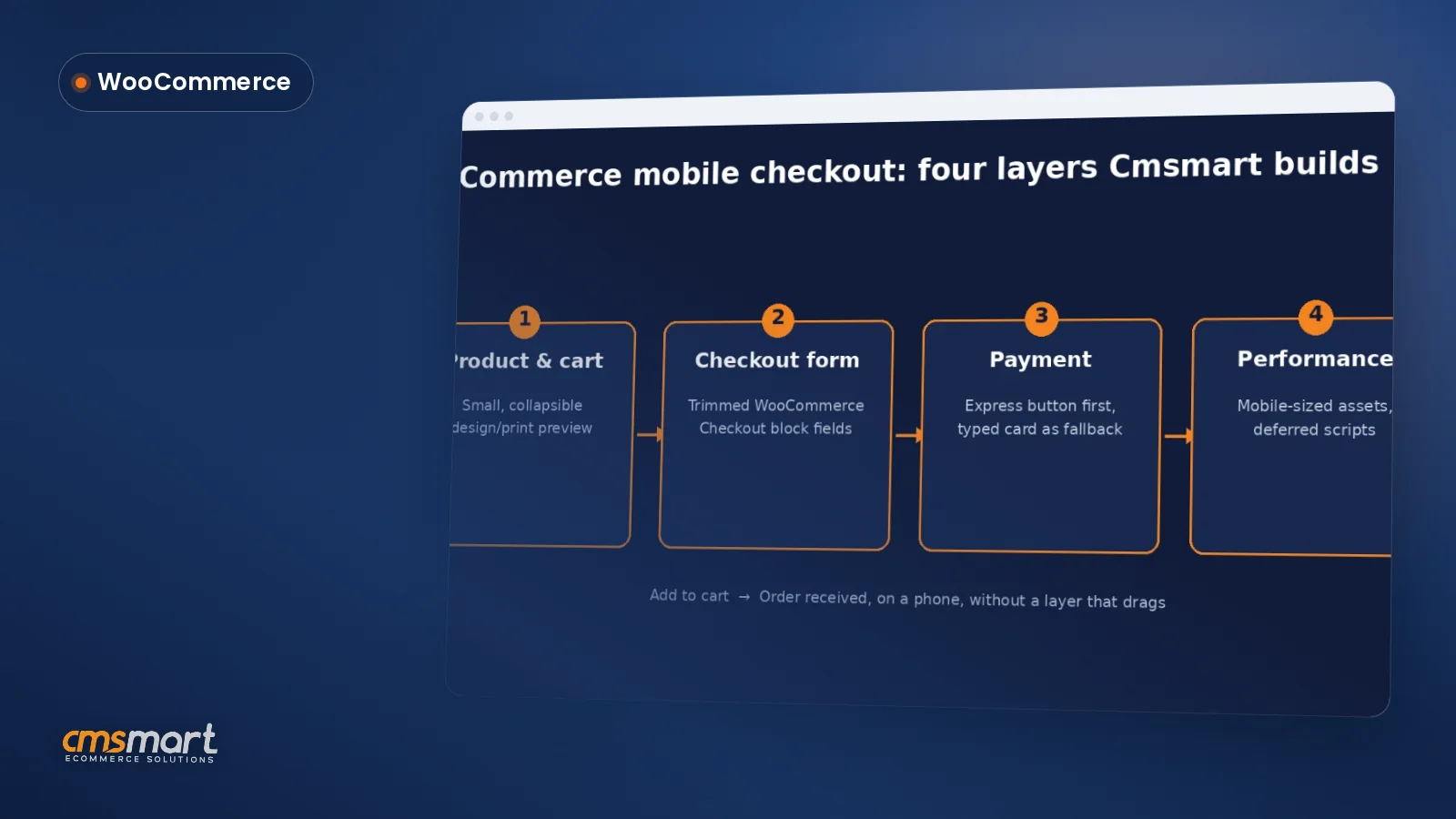
Fix your WooCommerce mobile checkout before shoppers bounce: cut fields, add express pay, speed up pages, and request a custom build quote today.
Guide · WooCommerce
Plan a WooCommerce HPOS migration that keeps checkout, plugins and reports working. Get Cmsmart's step-by-step guide and request a quote today.
Browse more guides, tutorials and case studies from the Cmsmart community.
Unlock the Power of Mobile Commerce: Propel Your Business Forward
Read MoreDiscover how to harness mobile commerce to enhance your business growth. Learn strategies for optimizing the mobile shopping experience and increasing consumer engagement.
Read MoreDiscover the benefits of mobile commerce and how it can transform your business. Learn effective strategies for maximizing sales and customer engagement through mobile-optimized shopping experiences.
Read More
Cmsmart Ecommerce provides custom ecommerce and WooCommerce development services for web-to-print, product personalization, plugin support and API integration.
Cmsmart Headless & API Integration Engineer
Connects stores to ERP, MIS, print APIs and headless frontends.
Meet the team →




Did you know that nearly 70% of online shopping carts are abandoned before completion? This startling statistic reflects a common challenge faced by eCommerce businesses: the friction in the purchasing process that can deter potential buyers. In Australia, a thriving sports apparel brand named FitStyle struggled with high cart abandonment rates. After implementing comprehensive social media integration strategies, including social logins and engaging sharing campaigns, they saw a remarkable 30% decrease in abandoned carts and a boost in overall sales. It became clear that leveraging the power of social media is not just an option but a necessity in today’s digital marketplace.
In light of this, integrating social media into your eCommerce strategy is paramount for improving customer engagement and driving sales. According to market research, brands that utilize social logins can slash cart abandonment by up to 35% and see conversion spikes of nearly 20%. With the insights gained from companies like FitStyle, it’s evident that optimizing user experiences through social media tools can not only enhance brand loyalty but also impact your bottom line positively. To learn more about how to effectively utilize social platforms, check out our resources on improving your social media workflow and optimizing user interactions with seamless payment solutions.
In this tutorial, we will explore actionable strategies for harnessing social media integration to boost engagement and sales online, ensuring that you don’t leave money on the table. Let's dive in!
The Power of Social Media Integration
Struggling with cart abandonment and low engagement rates? Youre not alone.Many eCommerce businesses face the daunting challenge of abandoned carts, which often stem from registration friction and a lack of social media integration. If youre missing out on interaction opportunities through social platforms, you could be losing valuable customers left and right.
The Transformative Impact of Social Media Integration
Integrating social media tools into your eCommerce strategy not only enhances customer engagement but also significantly boosts conversion rates by streamlining the purchasing process. Heres how to leverage social media effectively:Understanding the Benefits of Social Media Engagement
Effective social media integration leads to improved brand engagement and site metrics. Here are some ways to optimize your strategy:Strategies for Heightened Engagement
Utilizing Facebook integration can result in increased visibility and audience interaction. Concentrate on optimizing your engagement strategies through:- Conducting polls and contests to increase user interaction
- Sharing testimonials and reviews to enhance credibility
- Using analytics tools to track social media performance and refine your approach
For further insights, explore How social media integration boosts eCommerce, delve into strategies for Reducing cart abandonment with social login, and learn about the Impact of Facebook on brand engagement. In summary: Embracing social media integration is not just a trend; it’s a necessity for reducing cart abandonment and maximizing customer interactions. This leads to stronger conversion rates. Next, let’s dive into how to effectively sustain this engagement and keep the momentum going.Decoding Social Media Integration
Are you losing customers due to complex registration processes? You’re not alone.Many eCommerce businesses struggle with high cart abandonment rates caused by friction in the registration process. By not integrating social media, you may be missing vital engagement opportunities that can enhance user interaction and boost conversions.
Exploring the Concept of Social Media Integration
Social media integration involves connecting your online store with various social platforms to make user interactions effortless. This strategy enables customers to engage with your brand through familiar platforms, ultimately increasing brand loyalty and sales.The Value of Social Media Integration in eCommerce
Integrating social media into your eCommerce strategy offers numerous advantages:Terminology: Understanding Social Login, Social Sharing, and Social Media Engagement
Understanding key terms in social media integration is essential for recognizing its benefits:- Social Login: A feature that allows customers to log in using their social media accounts.
- Social Sharing: The capability for users to share products and purchases with their social networks.
- Social Media Engagement: Interactions with users on social platforms, fostering community and loyalty.
In summary: Social media integration is a powerful tool that can help eliminate registration friction, enhance user experience, and boost your eCommerce sales. Make sure to check out our sections on how social media integration boosts eCommerce, reducing cart abandonment with social login, and the impact of Facebook on brand engagement for more impactful strategies. Next, we’ll dive into effective methods for leveraging customer interaction data to further improve your conversion rates.Social Login: Reducing Cart Abandonment
Tired of losing potential customers due to cart abandonment? You’re not alone.Many eCommerce sites grapple with the consequences of registration friction, resulting in lost sales and disengaged users. Without seamless integration of social media, brands miss invaluable opportunities for customer interaction that drive conversions.
The Role of Social Login in eCommerce
Social login provides a solution to reduce registration barriers by allowing customers to sign in using their existing social media accounts. This simple method can significantly enhance user experience and expedite the shopping process.The Impact of Social Login on Shopping Cart Abandonment
Integrating social login options drastically influences eCommerce conversion rates. By enhancing the user experience, brands can minimize cart abandonment rates. Consider these benefits:Success Stories: eCommerce Brands Winning with Social Login
Several leading eCommerce brands have witnessed remarkable success by implementing social login. Their experiences demonstrate the value of social media engagement in increasing sales and customer satisfaction.- Brand A: Increased conversion rates by 25% through streamlined checkout processes.
- Brand B: Achieved a remarkable rise in customer retention post social media logins.
- Brand C: Enhanced cross-channel marketing efforts through effective social sharing mechanics.
For further insights, explore our guides on how social media integration boosts eCommerce and reducing cart abandonment with social login. Additionally, understand the impact of Facebook on brand engagement for a holistic approach to customer interaction. In summary: Embracing social login not only elevates customer experience but also significantly reduces cart abandonment rates, translating into higher sales and enhanced engagement. Now, let’s move on to explore more advanced strategies for maximizing customer retention.Bolstering Engagement with Social Sharing
Struggling with registration friction and losing potential customers? You’re not alone.Many businesses face the challenge of cart abandonment due to barriers during the registration process, missing essential opportunities for user interactions through social sharing channels.
Understanding the Significance of Social Sharing
Social sharing is a powerful tool that can drive eCommerce engagement to new heights. Integrating social media into your eCommerce strategy not only enhances customer interaction but also significantly impacts conversion rates.How Social Sharing Amplifies eCommerce Engagement
When potential customers can share their favorite products seamlessly, it boosts overall brand engagement. By leveraging platforms like Facebook and Instagram, your eCommerce site can benefit from increased visibility and organic reach.Unlocking Social Sharing: Best Practices and Tactics
Implementing best practices will help you fully unlock the potential of social sharing:- Utilize social login options to reduce registration friction.
- Regularly engage with users on social platforms to build community.
- Monitor site metrics to evaluate the success of your social sharing initiatives.
In summary: Enhancing engagement through social sharing is essential for boosting eCommerce conversion rates and brand visibility. As we look ahead, let’s explore how social media integration can further bolster your eCommerce success, including strategies for reducing cart abandonment with social login. Check out our insights on How social media integration boosts eCommerce or the impact of Facebook on brand engagement.Optimizing Conversion Rates Through Social Media
Frustrated with cart abandonment and lost sales? Youre not alone.Many eCommerce businesses struggle due to registration friction, losing valuable engagement channels by not integrating social media, and missing out on user interaction through these platforms.
The Influence of Social Media on Purchase Behavior
Understanding the power of social media is crucial for enhancing your eCommerce conversion rates. Studies show that 74% of consumers rely on social media to inform their purchasing decisions . This demonstrates how impactful social media engagement can be in shaping consumer behavior.Techniques to Boost eCommerce Conversion with Social Media
To effectively enhance your conversions through social channels, consider these actionable techniques:Real-World Examples of Conversion Success Through Social Media Integration
Many brands have successfully increased their eCommerce conversion rates through social media strategies. For instance: - A clothing retailer saw a 30% increase in conversions by introducing social login, making it easier for users to create accounts without the friction of traditional registration forms. - An online furniture store boosted sales by 25% after linking their Instagram account directly to their product pages, allowing easy purchases from social posts. In summary: Utilizing social media effectively can significantly enhance your eCommerce conversions by reducing friction and improving customer engagement. This sets the stage for further exploration into how social media integration boosts eCommerce. Next, we will discuss reducing cart abandonment with social login strategies that can further optimize your sales process. How social media integration boosts eCommerce | Reducing cart abandonment with social login | Impact of Facebook on brand engagement --- : https://www.statista.com/study/78190/social-media-and-e-commerce/ : https://www.hootsuite.com/resources/reports/2021-social-media-trends-reportUtilizing Social Media Data for Enhanced Site Metrics
Struggling to improve your site metrics and drive user engagement? Youre not alone.Many eCommerce businesses face critical challenges such as registration friction that leads to cart abandonment, losing vital engagement channels by not integrating social media, and missed opportunities for user interaction through social platforms.
Significance of Social Media Data in Analyzing Site Visit Metrics
Understanding the impact of social media data can significantly enhance your site metrics. By leveraging social login, social sharing, and social media engagement, businesses can gain valuable insights into customer behavior, preferences, and engagement levels.Tools for Tracking and Interpreting Social Media-Driven Metrics
To effectively track social media-driven metrics, consider adopting the following tools:- Google Analytics: It provides insights into traffic sources and user behavior.
- Facebook Insights: Understand engagement levels and demographics of your audience.
- Hootsuite: Monitor brand mentions and user interaction across various platforms.
By employing these tools, you can derive meaningful data about customer interaction, which can be pivotal for enhancing brand engagement.Turning Metrics into Strategy: Case Studies in Social Media Data Analysis
To illustrate the effectiveness of social media data analysis, consider the case of The Fashion Hub, an online clothing retailer that integrated social login. After implementing this feature, they reported a 25% reduction in cart abandonment rates. The result? A noticeable uptick in conversions and stronger brand loyalty as customers found it easier and quicker to shop. In summary: Utilizing social media data is crucial for enhancing site metrics and improving eCommerce conversion rates. As we move forward, its important to explore strategies for how social media integration boosts eCommerce, reduce cart abandonment with social login, and understand the impact of Facebook on brand engagement. Transition smoothly into these next strategies for even greater success.Leveling Up Brand Engagement with Facebook Integration
Struggling with cart abandonment and low brand engagement? Youre not alone.Many eCommerce businesses grapple with registration friction and missed opportunities by not integrating social media channels to enhance customer interaction.
Exploring Facebook Integration for eCommerce
Integrating Facebook into your eCommerce strategy can dramatically boost engagement and conversions. Utilizing features like social login can streamline user registration, reducing friction and encouraging visitors to complete their purchases. Heres how to make the most of Facebook integration:The Impact of Facebook Likers on Brand Promotions
Using Facebook likes can propel your brand visibility and promotions significantly. When users like or share your content, it exposes your brand to their friends, creating organic promotion. Here are some actionable tips to harness this potential:Leveraging Facebook for Better Customer Interaction
Effective customer interaction drives brand loyalty and repeat sales. Facebook provides multiple channels for direct engagement:In Summary
Integrating Facebook into your eCommerce strategy not only reduces registration friction but also opens up new channels for brand engagement and customer interaction. This way, you can solve the pain points of cart abandonment and capitalize on user engagement through social sharing. Ready to delve deeper? Next, we will explore how social media integration boosts eCommerce and its effect on reducing cart abandonment with social login techniques. Check out our articles on how social media integration boosts eCommerce, reducing cart abandonment with social login, and impact of Facebook on brand engagement.Emerging Trends in Social Media and eCommerce Integration
Are you facing challenges with cart abandonment due to registration friction and losing engagement channels? Youre not alone.Many eCommerce businesses struggle with integrating social media effectively, which leads to missed opportunities for customer interaction and lower conversion rates.
Understanding Current Trends in Social Media for eCommerce
Social media plays a pivotal role in eCommerce today, offering various integration opportunities. Staying updated with these trends is crucial for enhancing brand engagement and driving conversions. Here are key trends to consider:Predicting the Future of Social Login and Sharing in eCommerce
The trends suggest that the future of eCommerce lies in a stronger focus on integrating social functionalities. Consider these strategies to stay ahead:Staying Ahead: How to Keep Your eCommerce Strategy Updated with Social Media Trends
To maintain a competitive edge in the eCommerce landscape, continuously updating your strategy to reflect the latest social media trends is vital. Heres how to do it:- Follow key industry influencers and analyze current market insights.
- Engage with your audience on different platforms to strengthen brand loyalty.
- Implement user-generated content campaigns to leverage social proof and boost conversions.
In summary: Leveraging social media integration in your eCommerce strategy can minimize registration friction and enhance customer engagement channels. By adopting social login and embracing current trends, you can reduce cart abandonment and enhance brand interaction. Next, let’s delve into how social media integration boosts eCommerce further, explore reducing cart abandonment with social login, and discuss the impact of Facebook on brand engagement.Frequently Asked Questions
Struggling with registration friction and losing potential customers? You’re not alone.Many eCommerce businesses face the critical challenge of cart abandonment, risking lost revenue and customer engagement due to a lack of social media integration.
What is Social Media Integration and Why is it Important for eCommerce?
Social media integration involves connecting your eCommerce site with social media platforms, allowing customers to engage with your brand seamlessly. By implementing features like social login and social sharing, you create a smooth user experience that can significantly enhance site metrics and conversion rates.How Can Social Media Integration Improve My Sites Metrics?
Integrating social media on your eCommerce website improves key metrics by:What Are Some Successful Examples of Brands Using Social Media Integration?
Many leading brands effectively use social media integration to drive engagement and sales. For instance:What Are Some Tips for Getting Started with Social Media Integration?
Consider these actionable steps to integrate social media on your eCommerce site:What Are Common Mistakes to Avoid When Using Social Media Integration?
Avoid these pitfalls to maximize the benefits of social media integration:- Neglecting to monitor social interactions and engagement analytics can lead to missed opportunities for improvement.
- Overcomplicating the social login process may deter customers—keep it simple.
- Ignoring mobile users when designing social integration features can exclude a significant portion of your audience.
In summary: Social media integration is crucial for enhancing user engagement, improving site metrics, and driving eCommerce conversions. By avoiding common mistakes and employing smart strategies, your brand can leverage social platforms effectively. Next, let’s dive into how social media integration boosts eCommerce performance. Explore our sections on How social media integration boosts ecommerce, Reducing cart abandonment with social login, and Impact of Facebook on brand engagement for deeper insights.Further Reading
In conclusion, integrating social media into your eCommerce strategy is a pivotal step towards transforming your online store and elevating your customer engagement. As we explored, implementing features such as social login and encouraging product sharing can drastically reduce cart abandonment rates and enhance customer interaction. By embracing these tactics, you are not just improving your conversion rates but also cultivating a loyal community around your brand. Let’s discuss how we can help you implement these strategies effectively. Reach out to David, our CEO, via WhatsApp at this link, or connect with our eCommerce Project Consultant at [email protected]. For a customized approach, feel free to request a quotation. Join me in transforming your store today!