

Guide · WooCommerce
Website Design and Development: How They Work Together
See how website design and development work as one build in a real WooCommerce store, then get a custom development quote from Cmsmart.
Discover how to leverage mobile commerce to boost sales, enhance user experience, and adapt strategies for a mobile-first world. Learn best practices and innovative tools to thrive in today's digital marketplace.
Was this tutorial helpful?
Written by
Cmsmart WooCommerce Development Lead
Leads custom WooCommerce builds: architecture, checkout, performance and integrations.
The team behind it
 Account Manager
 Project Manager
 Business Analyst
 Developers & QA
Guide · WooCommerce
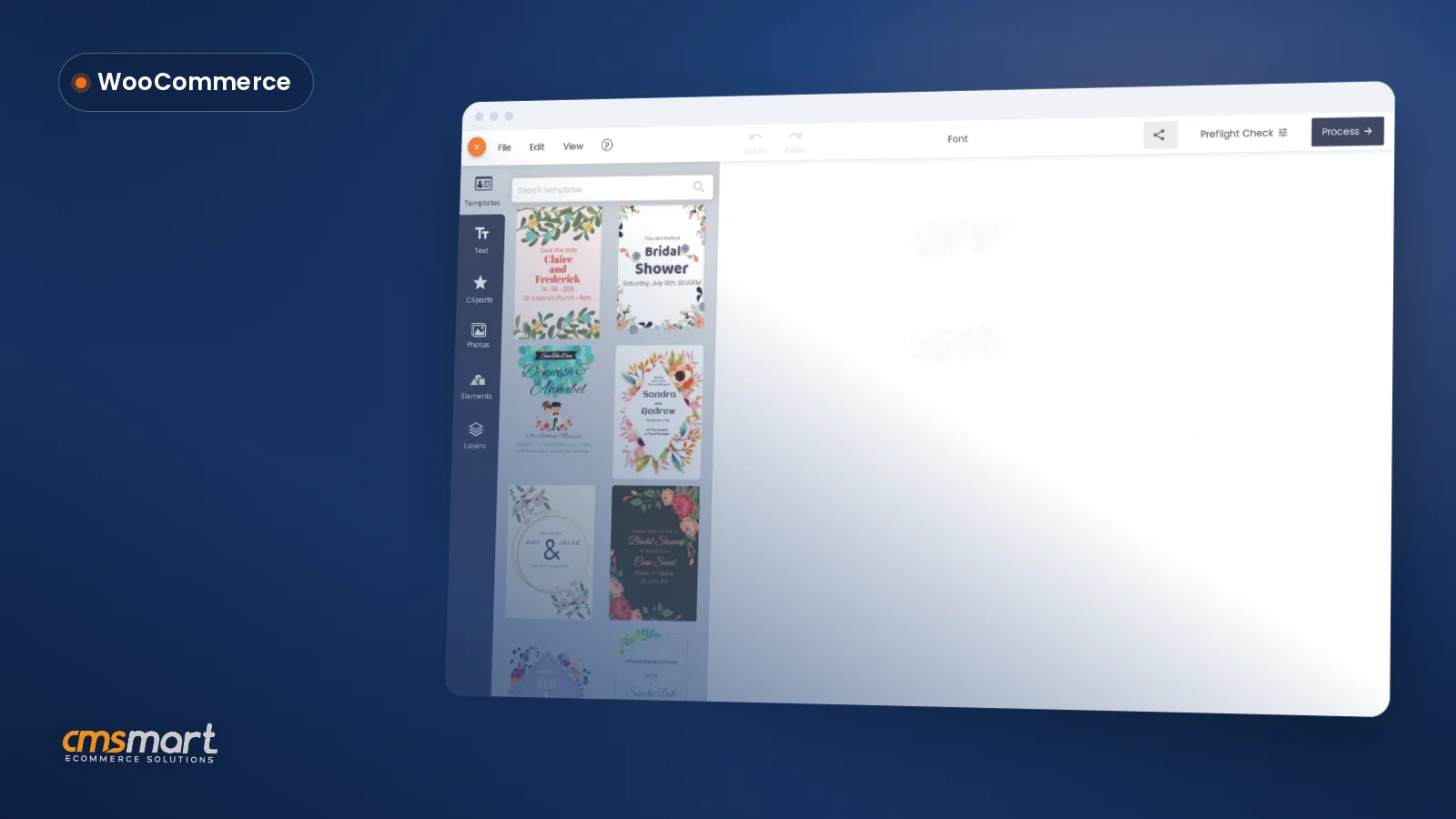
See how website design and development work as one build in a real WooCommerce store, then get a custom development quote from Cmsmart.
Guide · Web-to-print
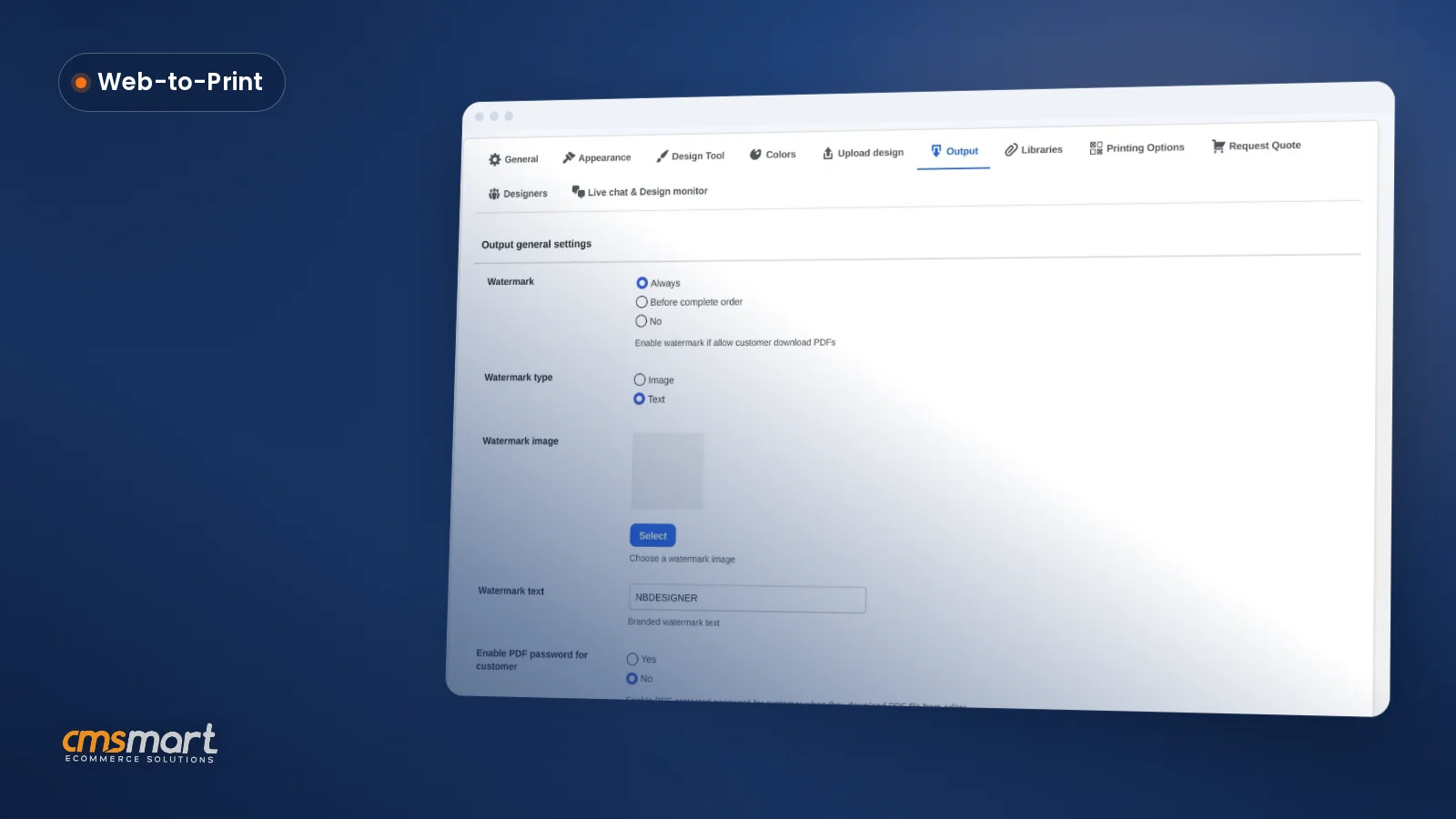
See what the print ready PDF output settings WooCommerce screen controls — watermark, password, bleed, FTP sync — and configure yours today.
Case study · AI
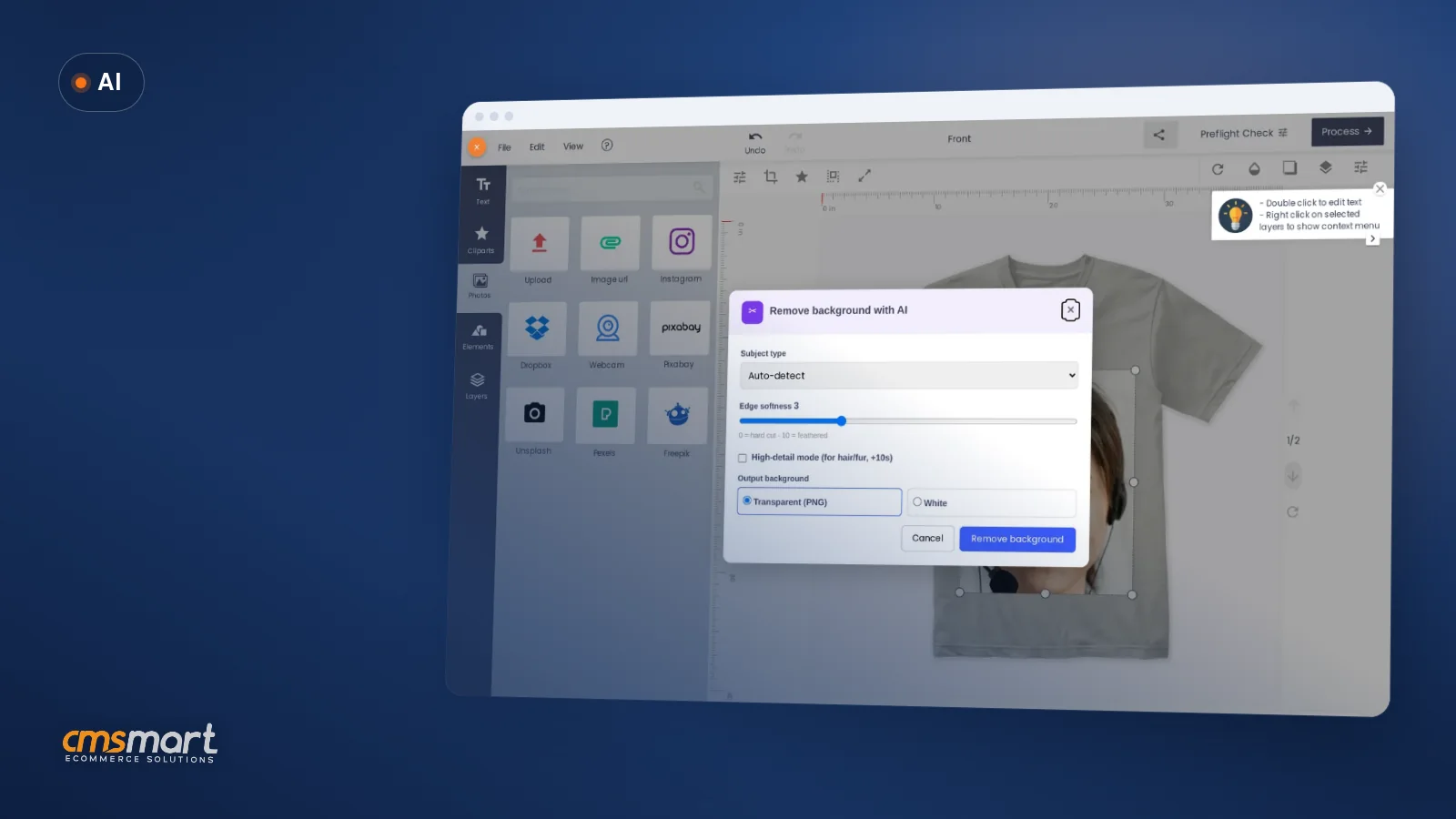
Add an AI background remover for WooCommerce to your product designer so buyers get a clean cutout instantly, and see how Cmsmart builds the rest for...
Browse more guides, tutorials and case studies from the Cmsmart community.
Unlock the Power of Mobile Commerce: Propel Your Business Forward
Read MoreDiscover how to harness mobile commerce to enhance your business growth. Learn strategies for optimizing the mobile shopping experience and increasing consumer engagement.
Read MoreDiscover the benefits of mobile commerce and how it can transform your business. Learn effective strategies for maximizing sales and customer engagement through mobile-optimized shopping experiences.
Read More
Cmsmart Ecommerce provides custom ecommerce and WooCommerce development services for web-to-print, product personalization, plugin support and API integration.
Cmsmart WooCommerce Development Lead
Leads custom WooCommerce builds: architecture, checkout, performance and integrations.
Meet the team →




Did you know that mobile shopping accounted for a staggering 60% of total e-commerce sales in the Asia Pacific (APAC) region in 2023? This impressive figure not only highlights the booming demand for mobile commerce globally but also underscores the urgent need for businesses in EMEA and North America to adopt effective mobile strategies. One such business, GreenTech Solutions from Australia, faced significant challenges when attempting to transition from traditional selling methods to a mobile-first retail approach. Despite a strong base of potential customers, their mobile engagement was low, threatening their growth in the rapidly evolving e-commerce landscape. With the expert guidance of Cmsmart, they optimized their mobile platform, integrated multiple payment options, and tailored their marketing efforts, resulting in a remarkable 200% increase in mobile transactions within just six months.
The mobile commerce market in APAC is projected to reach $1 trillion by 2025, representing a transformative opportunity for resourceful entrepreneurs willing to innovate. As businesses look to harness this growth potential, understanding how to navigate and optimize their mobile strategies is vital. For more insights on improving e-commerce usability and the essential role of digital solutions, check out our guides on e-commerce usability and ecommerce transformation. In this tutorial, we will dive deep into actionable strategies to unlock success in mobile commerce and provide you with the tools necessary to thrive in today's digital landscape.
The Mobile Commerce Boom in APAC
Are you struggling with low mobile commerce engagement in EMEA and North America? Youre not alone.Many businesses are facing barriers to mobile transaction adoption and limited interest in future mobile purchases in certain regions, hindering growth potential. However, what if you could tap into the expanding world of mobile commerce in the Asia Pacific (APAC) and unlock unprecedented growth prospects for your business?
Understanding the Mobile Commerce Boom
The mobile commerce landscape in APAC is experiencing remarkable growth. In fact, a recent report indicated that the mobile commerce market in the Asia Pacific is expected to reach $1 trillion by 2025. This booming sector represents a substantial opportunity for businesses willing to adapt to changing consumer preferences.Expert Insights into Future Trends
As the mobile commerce landscape evolves, its essential to stay ahead of emerging consumer trends. Key areas to monitor include:Explore Related Topics for Comprehensive Insights
As you navigate this exciting landscape, check out our other resources: - The future of mobile commerce in APAC . - Understanding mobile purchasing trends . - How mobile wallets transform banking . - Consumer appetite for mobile services . - Comparing mobile commerce across regions . In summary: The Asia Pacific is leading the mobile commerce boom, offering businesses numerous avenues for growth. By embracing mobile shopping trends and consumer insights, your business can thrive in this dynamic market. Next, let’s dive deeper into understanding mobile purchasing trends to fully leverage this evolving landscape.The Emergence of Mobile Commerce
Struggling to engage mobile users in your e-commerce strategy? You’re not alone.Despite the growing trend of mobile purchasing, many businesses experience low mobile commerce engagement in regions like EMEA and North America. Barriers to mobile transaction adoption create significant challenges, and interest in future mobile purchases is limited in certain areas.
Defining Mobile Commerce and its Various Forms
Mobile commerce, often referred to as m-commerce, encompasses various activities that allow users to shop or conduct transactions via mobile devices. Some common forms include:- Mobile shopping apps
- Mobile websites
- Mobile banking services
- In-app purchases
- Mobile wallets
As mobile user engagement continues to evolve, understanding these forms can help businesses adapt their strategies.The Impact of Mobile Commerce on the Global Market
Mobile commerce is changing the way consumers interact with brands. According to a report by Statista, mobile commerce sales worldwide are projected to surpass $3.56 trillion by 2024, making up over 72% of total e-commerce sales. This growth potential highlights the need for businesses to hone their mobile strategies. Failing to do so could mean losing out on significant revenue opportunities.Why Mobile Commerce Matters: Its Importance in Todays Digital Landscape
Understanding consumer trends is crucial for leveraging m-commerce effectively. Here are some key reasons why mobile commerce matters:- Convenience: Consumers favor the accessibility of shopping directly from their mobile devices.
- Engagement: Brands can enhance user experience through personalized mobile shopping experiences.
- Payment Flexibility: Features like mobile wallets make transactions quicker and easier.
- Market Reach: Businesses can tap into a broader audience through effective mobile strategies.
Pro Tips:- Invest in mobile-friendly websites and apps to optimize user experience.
- Offer various payment options, including mobile wallets, to cater to consumer preferences.
- Use push notifications wisely to keep users engaged without being intrusive.
For further insights into this evolving sector, explore “The future of mobile commerce in APAC,” ”Understanding mobile purchasing trends,” or “How mobile wallets transform banking.” In summary: Mobile commerce is not just a trend; it’s a pivotal aspect of today’s digital landscape, affecting consumer behavior and market strategies. In the next section, well delve deeper into the future prospects of mobile commerce and how businesses can stay ahead in this rapidly changing environment.Decoding the APAC Consumer Behavior
Feeling the pinch of low mobile commerce engagement in EMEA and North America? You’re not alone.Understanding barriers to mobile transaction adoption is critical for businesses looking to enhance their market reach. As mobile shopping continues to gain momentum globally, regions with limited interest in future mobile purchases must bridge the gap to tap into the growth potential of m-commerce.
Unveiling APACs Mobile Commerce Trends
The Asia-Pacific (APAC) region is leading the charge in mobile commerce adoption. With over 1.1 billion mobile internet users, APACs market is forecasted to reach $3.41 trillion by 2025, according to a report from Statista. It illustrates a dynamic shift in consumer behavior towards mobile purchasing and banking services.Exploring the APAC Consumers Appetite for Mobile Services
Engagement in mobile purchasing is not just a trend but a necessity. Consumers demand seamless digital experiences, driving businesses to innovate. For effective capture of this market, consider these actionable tips:Region Comparison: Analyzing Mobile Commerce Adoption Across Different Regions
When comparing mobile commerce adoption, APAC stands out with a substantial edge. Southeast Asia, in particular, shows remarkable adoption rates with m-commerce penetration surpassing 40%. In contrast, other regions like North America lag behind due to consumer apprehension towards mobile payments and a robust reliance on traditional retail channels. This comparison highlights various challenges and opportunities:- Boost consumer confidence in mobile transactions through robust security measures.
- Emphasize convenience and speed of mobile commerce to overcome adoption barriers.
- Leverage social media channels to drive traffic to mobile shopping platforms.
In summary: With APAC showcased as a model for mobile commerce success, businesses worldwide need to learn from these trends to foster their growth. In the next section, we will dive deeper into the future of mobile commerce in APAC, examining evolving trends and technologies that will shape the landscape.Mobile Wallets: Streamlining Transactions and Transforming Banking
Struggling with low mobile commerce engagement in EMEA and North America? You’re not alone.Many businesses face the challenge of barriers to mobile transaction adoption, leading to limited interest in future mobile purchases in certain regions.
The Evolution of Mobile Wallets
Mobile wallets have transformed the way we manage our finances and engage in transactions. Initially, these digital solutions were designed to enhance convenience, but they have now become essential tools for both consumers and businesses. With the global mobile payment market projected to grow from $1.48 trillion in 2022 to $12.06 trillion by 2027, its clear that mobile wallets are here to stay .Impact of Mobile Wallets on Mobile Purchasing Trends
The growth of mobile wallets significantly influences mobile purchasing habits. Users are increasingly opting for mobile shopping due to the ease of transactions and the variety of functionalities offered by these apps. Reports show that mobile payments accounted for 48% of total e-commerce spending in 2023, reflecting an upward trend in m-commerce .Tackling Barriers to Mobile Transaction Adoption
Despite the advantages, some barriers still hinder the widespread adoption of mobile wallet transactions. These challenges include:- Consumer distrust regarding security
- Limited awareness of mobile wallet features
- Poor internet connectivity in certain areas
To increase engagement and overcome these obstacles, it’s essential to: For actionable strategies, delve into our guide on understanding mobile purchasing trends and learn how to leverage mobile wallets to boost your banking services. In summary: Mobile wallets are streamlining transactions and reshaping the banking landscape, presenting tremendous growth opportunities. As we explore the next section, let’s uncover how mobile wallets can potentially transform banking services even further.Optimizing Mobile User Engagement for Better Conversion
Struggling with low mobile commerce engagement in EMEA and North America? Youre not alone.Many businesses encounter challenges due to barriers in mobile transaction adoption and limited consumer interest in mobile purchases in specific regions.
Understanding Mobile User Engagement and its Significance
Mobile user engagement is crucial for the success of any online business. With the increasing shift toward mobile shopping, enhancing engagement can significantly boost conversion rates. Research indicates that mobile commerce accounts for approximately 54% of total e-commerce sales globally . To engage users effectively, focus on the following strategies:How Mobile User Engagement Drives Consumer Trends
The impact of mobile user engagement extends far beyond immediate sales. Engaging users can lead to long-term customer loyalty and increased brand advocacy. Strong engagement drives consumer trends and shapes future purchasing intentions. According to experts in the field, tailoring your approach can make a significant difference:Strategies to Improve Mobile User Engagement
To improve mobile user engagement, consider these actionable strategies:- Optimize page load speed; fast-loading pages are essential for retaining users.
- Prioritize mobile-friendly payment options to enhance checkout experiences.
- Utilize A/B testing to identify the most effective layouts and content formats.
- Ensure security in mobile transactions to build consumer trust.
For further insights, explore our resources on the future of mobile commerce in APAC, dive into understanding mobile purchasing trends, or learn how mobile wallets transform banking . In summary: Improving mobile user engagement is vital for enhancing conversion rates and ultimately driving sales growth. Implementing the strategies discussed will set the stage for a successful m-commerce platform. Next, let’s explore how mobile wallets transform banking and improve the consumer experience.Mobile Commerce in EMEA and North America: Overcoming Pain Points
Low mobile commerce engagement presents a significant challenge in EMEA and North America.Businesses find it difficult to overcome barriers that hinder mobile transaction adoption and limit customer interest in future mobile purchases across these regions.
Identifying and Addressing Barriers to Mobile Commerce Adoption
To effectively enhance mobile shopping experiences, it is crucial to understand the pain points that impede mobile purchasing. These barriers can include:Boosting Mobile Commerce Engagement in EMEA and North America
Engaging mobile users requires strategic efforts that address their specific needs:Navigating the Challenges of Future Mobile Purchases
The landscape of mobile commerce will continue to evolve; hence, businesses must adapt to emerging consumer trends:- Monitor and analyze consumer preferences for banking services and m-commerce functionalities
- Leverage analytics tools to track mobile user behavior and improve offerings
- Explore cross-promotional opportunities with local vendors
In summary: Addressing the barriers to mobile commerce engagement can position your brand for sustained growth in EMEA and North America. Next, let’s explore The Future of Mobile Commerce in APAC, where we’ll dive into emerging trends and strategies to stay ahead in this evolving landscape. For further insights, check out our sections on Understanding Mobile Purchasing Trends, How Mobile Wallets Transform Banking, and Consumer Appetite for Mobile Services.Exploring the Growth Potential of Mobile Commerce in APAC
Low mobile commerce engagement in EMEA and North America is a pressing issue impacting many businesses.As barriers to mobile transaction adoption persist, understanding how to leverage the growth potential of mobile commerce in APAC is crucial for your business success.
The Role of Mobile Services in the Global Commerce Ecosystem
Mobile commerce, or m-commerce, is reshaping the global commerce landscape. In regions like APAC, mobile user engagement has soared, driven by increasing smartphone penetration and improved banking services. Businesses are witnessing a significant transformation in consumer trends, with mobile purchasing becoming a preferred shopping method.Emerging Opportunities in Mobile Commerce
APAC presents remarkable opportunities for businesses willing to adapt. Here are a few key areas to focus on:Preparing Your Business for the Future of Mobile Commerce in APAC
To effectively navigate the evolving landscape of mobile commerce, consider these actionable tips:- Analyze consumer appetite for mobile services in your target market.
- Implement agile frameworks to adapt to changing consumer behaviors.
- Foster partnerships with regional payment solutions to ease transaction barriers.
In summary: The growth potential of mobile commerce in APAC is vast, offering numerous opportunities for businesses ready to engage with consumers actively. By comprehensively understanding mobile purchasing trends and leveraging efficient banking services, you can position your business for success in this dynamic marketplace. Next, we will delve into further insights on The Future of Mobile Commerce in APAC and explore How Mobile Wallets Transform Banking.Frequently Asked Questions
Struggling with low mobile commerce engagement in EMEA and North America? Youre not alone.Many businesses face barriers to mobile transaction adoption, which can lead to limited interest in future mobile purchases in these regions. However, understanding consumer trends in mobile shopping can help you overcome these challenges.
Frequently Asked Questions about Mobile Commerce
What is mobile commerce (m-commerce)?
Mobile commerce, or m-commerce, involves buying and selling goods and services through mobile devices. This includes shopping via mobile apps, websites, and mobile wallets.
How can I improve user engagement in mobile shopping?
What are the benefits of using mobile wallets?
Mobile wallets provide several advantages:
How does mobile purchasing differ by region?
Mobile buying trends vary significantly across regions:
What strategies can help overcome barriers to mobile transaction adoption?
What are consumer appetites for mobile services?
Consumers increasingly crave convenience and speed, driving demand for mobile features:
- 97% of consumers prefer brands that offer mobile-friendly shopping experiences.
- 85% are likely to return if they had a positive mobile shopping experience.
In summary: The growth potential in mobile commerce is significant. By addressing barriers to engagement and optimizing your mobile strategies, you can improve revenue and customer satisfaction. Next, let’s explore the future of mobile commerce in APAC and understand mobile purchasing trends in greater detail.FAQ Section: Troubleshooting and Pro Tips
What are the reasons for low mobile commerce engagement in EMEA and North America?
Low engagement is often due to inadequate mobile optimization and complex checkout processes.
What barriers exist for adopting mobile transactions?
Barriers include confusion with payment methods, regulatory challenges, and lack of consumer confidence.
Why is there limited interest in future mobile purchases in some regions?
Limited interest may stem from poor mobile shopping experiences and unresolved technical issues.
How does mobile commerce affect consumer behavior?
Mobile commerce transforms shopping habits, increasing reliance on smartphones for online purchases.
What challenges do retailers face in mobile commerce?
Retailers struggle with integrating mobile payments and ensuring a seamless shopping experience.
What impact does smartphone adoption have on mobile sales?
Increasing smartphone adoption directly correlates with higher mobile sales and more frequent use.
What strategies can enhance mobile commerce engagement?
Strategies include improving checkout processes, optimizing sites for mobile, and integrating digital wallets.
Further Reading
In this tutorial, we’ve explored the remarkable growth of mobile commerce in the Asia Pacific region, uncovering valuable strategies to optimize your retail approach for success. Remember, leveraging mobile-friendly websites, diverse payment options, and localized marketing can significantly enhance user engagement and unlock your growth potential. If you’re ready to capitalize on these insights, don’t hesitate to contact David, our CEO, via WhatsApp for expert guidance. You can also reach me at project@cmsmart.net for any consultancy needs. Let’s discuss how we can help you implement these actionable strategies and transform your store's mobile experience. For a tailored solution, feel free to request a quotation today!