

Guide · Web-to-print
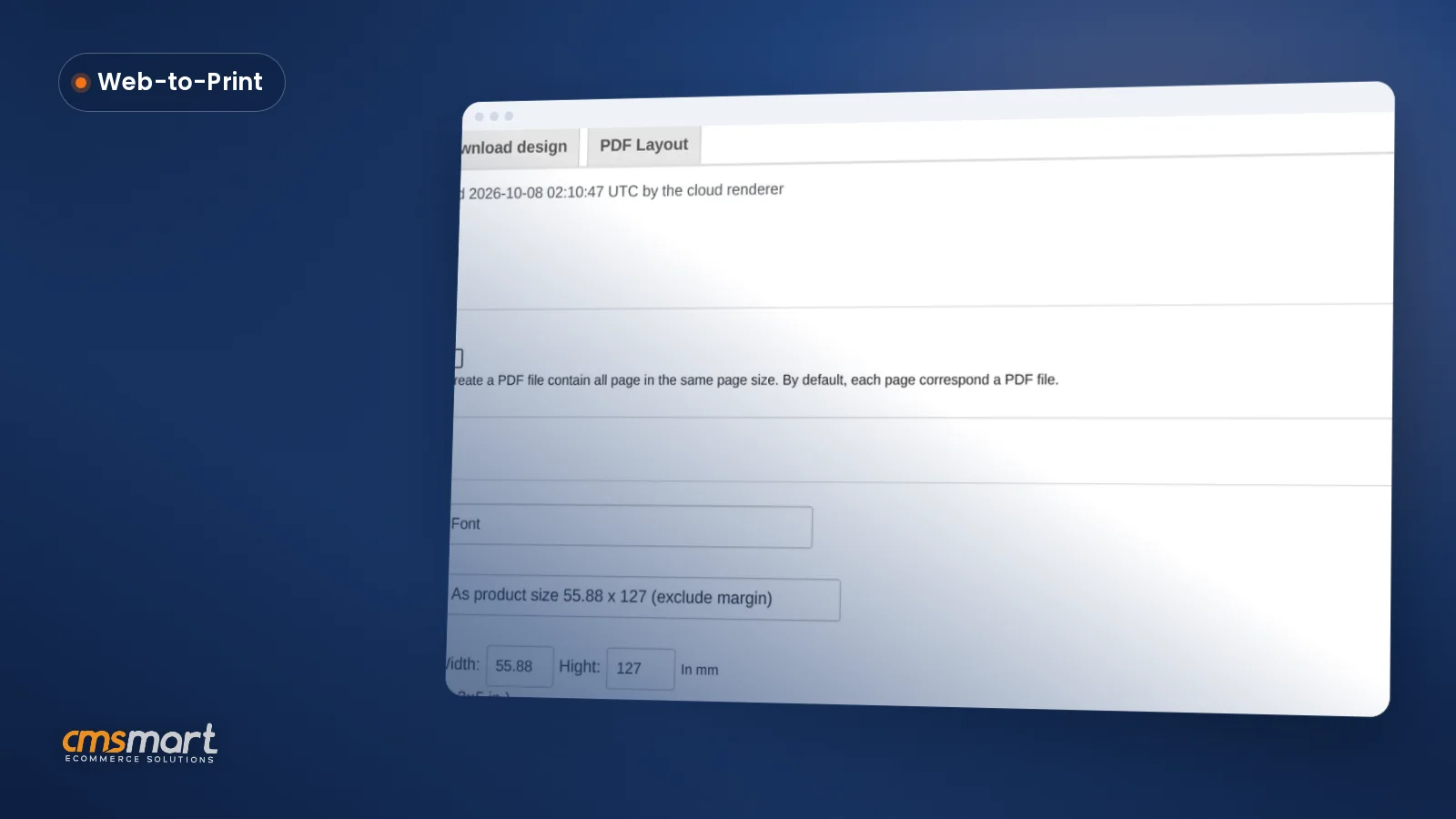
Custom Size Printing WooCommerce: Price It Live
Custom size printing WooCommerce shoppers configure themselves: Cmsmart prices it live and matches the print-ready PDF to the order. Get a quote.
Discover innovative strategies and solutions to enhance mobile commerce in your eCommerce business. Learn how to optimize mobile shopping experiences and boost conversions.
Table of contents
Was this tutorial helpful?
Written by
Cmsmart WooCommerce Development Lead
Leads custom WooCommerce builds: architecture, checkout, performance and integrations.
The team behind it
 Account Manager
 Project Manager
 Business Analyst
 Developers & QA
Guide · Web-to-print
Custom size printing WooCommerce shoppers configure themselves: Cmsmart prices it live and matches the print-ready PDF to the order. Get a quote.
Guide · WooCommerce
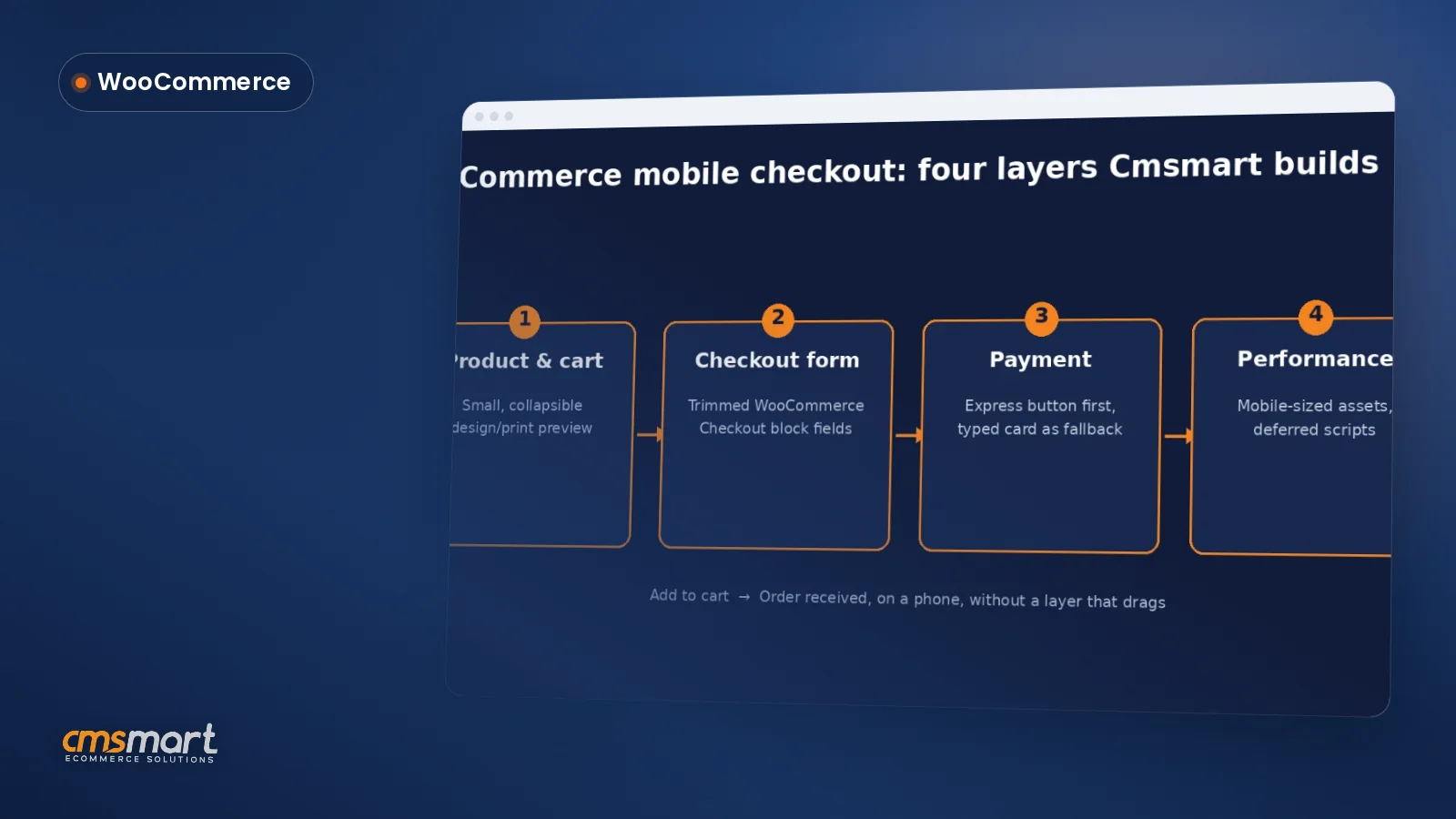
Fix your WooCommerce mobile checkout before shoppers bounce: cut fields, add express pay, speed up pages, and request a custom build quote today.
Guide · WooCommerce
Plan a WooCommerce HPOS migration that keeps checkout, plugins and reports working. Get Cmsmart's step-by-step guide and request a quote today.
Browse more guides, tutorials and case studies from the Cmsmart community.
Unlock the Power of Mobile Commerce: Propel Your Business Forward
Read MoreDiscover how to harness mobile commerce to enhance your business growth. Learn strategies for optimizing the mobile shopping experience and increasing consumer engagement.
Read MoreDiscover the benefits of mobile commerce and how it can transform your business. Learn effective strategies for maximizing sales and customer engagement through mobile-optimized shopping experiences.
Read More
Cmsmart Ecommerce provides custom ecommerce and WooCommerce development services for web-to-print, product personalization, plugin support and API integration.
Cmsmart WooCommerce Development Lead
Leads custom WooCommerce builds: architecture, checkout, performance and integrations.
Meet the team →



In today's fast-paced digital landscape, the demand for mobile commerce (M-commerce) is skyrocketing, with global retail sales projected to exceed $3.5 trillion by 2025 according to Statista. This paradigm shift is not just a statistic; it embodies a profound transformation in consumer behavior, where spontaneous purchases can now occur at the flick of a thumb. Take, for instance, our client Sarah Nguyen from Vietnam, owner of a thriving apparel brand that faced enormous hurdles adapting her online operations to this mobile-driven market. Sarah realized that her existing eCommerce platform wasn't optimized for mobile transactions, limiting her sales potential. By implementing Cmsmart's tailored M-commerce solutions, she was able to provide an instantaneous and immersive shopping experience that her customers craved, significantly boosting her conversion rates and customer loyalty.
But the growth of mobile commerce also brings its set of challenges, such as the confusion surrounding diverse payment methods and regulatory complications. At Cmsmart, we understand these pain points and have crafted comprehensive strategies to help businesses like Sarah's navigate the complexities of M-commerce effectively. Discover how you can elevate your business by exploring our resources on unlocking seamless mobile payments and understanding consumer behavior trends. In this tutorial, we will explore proactive strategies and solutions to harness the full potential of mobile commerce for your eCommerce success.
Spontaneity is now Mobile
Continuous optimization issues in mobile transactions can leave businesses increasingly frustrated.Today, more than ever, consumer expectations demand instant gratification, and the pressure for retailers to adapt is mounting. Imagine if spontaneous purchases werent limited to brick-and-mortar stores but could be made in a mobile environment with just a few clicks.
Imagine the Power of M-commerce
M-commerce, or mobile commerce, is transforming the retail landscape. Customers now have the ability to make purchases anytime, anywhere. Here are some key benefits that make mobile device transactions a critical focus for businesses:However, many businesses still grapple with challenges like confusion over varied payment methods and regulatory challenges in transactions. Understanding how to navigate these issues is crucial for leveraging the full potential of mobile business.
Overcome the Pain Points in Mobile Transactions
To enhance your mobile commerce strategy, consider the following actionable tips:Embrace the Trends in Mobile Commerce
Keeping up with the latest trends in mobile commerce helps businesses stay competitive. Here are a few current trends to watch:By understanding the importance of m-commerce and optimizing mobile payments for consumer convenience, businesses can address confusion and foster a seamless shopping experience.
In summary: M-commerce provides powerful opportunities for driving sales and expanding your reach. As we proceed to the next section, well delve deeper into the importance of understanding mobile payments to further enhance your mobile business strategy.Decoding Mobile Commerce
Struggling with continuous optimization issues in your mobile commerce strategy? Youre not alone.Many businesses encounter challenges like confusion over varied payment methods, difficulty in price comparison, and regulatory hurdles in transactions, which can hinder their growth in the mobile business landscape.
Definition and Components of Mobile Commerce
Mobile commerce, commonly known as m-commerce, refers to the buying and selling of goods and services through mobile devices. This encompasses various components, including:
Pivotal Role of Mobile Commerce in Today’s Digital Economy
Mobile commerce plays a crucial role in the modern digital economy. With more than 54% of all e-commerce sales now conducted via mobile devices, businesses must adapt to this trend to stay competitive.
This growth underscores the importance of tailoring your business strategies to enhance mobile user experiences. Mobile-optimized sites are likely to generate higher conversion rates and customer satisfaction.
Breaking Down Terms: M-commerce, Mobile Transactions, and Mobile Business
Understanding key terms in mobile commerce is essential for effective strategy formulation:
Actionable Tips for Thriving in Mobile Commerce
For more insights on crafting successful mobile strategies, check our articles on the importance of m-commerce, understanding mobile payments, benefits of mobile commerce, pitfalls of mobile transactions, and trends in mobile commerce.
In summary: By decoding mobile commerce, businesses can tackle optimization challenges and align better with consumer preferences. As we delve deeper into mobile transactions, well explore strategies that ensure seamless experiences and growth in your mobile business journey.The Protagonist: Mobile Shopping
Struggling to optimize your mobile shopping experience? You’re not alone.Many businesses face the challenges of continuously optimizing their mobile platforms, grappling with various payment methods, navigating regulatory hurdles, and simplifying price comparisons for their customers.
What is Mobile Shopping?
Mobile shopping, or m-commerce, refers to the act of purchasing goods or services through a mobile device like smartphones or tablets. With a rapidly growing mobile environment, consumers are increasingly using their devices to explore e-commerce options, making mobile transactions an inevitable part of modern retail sales.Merits of Engaging Consumers through Mobile Shopping
The advantages of mobile shopping are vast and can significantly enhance customer engagement:Exploring Instances of Successful Mobile Shopping Practices
Many businesses have embraced mobile shopping techniques that yield impressive results. Here are some noteworthy examples:Key Strategies for Success in Mobile Shopping
To make the most of mobile shopping, consider these actionable tips:- Ensure your website is mobile-optimized for better loading speed and user experience.
- Offer diverse payment options to avoid confusion and enhance security.
- Optimize product descriptions and images for quick viewing and effective price comparison.
By focusing on resolving pain points such as regulatory challenges and continual optimization issues, businesses can turn mobile transactions into a successful growth avenue. In summary: Understanding the value of mobile shopping and employing effective strategies enables businesses to thrive in a competitive market. Next, let’s delve deeper into the importance of m-commerce and how it can shape your e-commerce strategy.The Mobile Commerce Ecosystem
Struggling to keep up with the fast-paced world of mobile commerce? You’re not alone.Many businesses encounter challenges such as continuous optimization, confusion with varied payment methods, difficulty in price comparison, and regulatory challenges in transactions that can hinder their growth in the mobile environment.
Comprehending Mobile Commerce Ecosystem
Mobile commerce, or m-commerce, refers to the buying and selling of goods and services through mobile devices. Understanding its ecosystem is vital for businesses aiming to thrive in this digital age. Here are some key components:Significance of Mobile Commerce in the Modern E-commerce Framework
In todays retail landscape, mobile commerce is not just an option; it’s a necessity. The significance lies in its ability to provide consumers with:Mobile Commerce Versus Traditional E-commerce
Mobile commerce offers distinct advantages over traditional e-commerce, including:- Broader Reach: Access to a larger audience through mobile device usage.
- Interactive Features: Integration of features like augmented reality and virtual try-ons enhances customer engagement.
- Real-Time Analytics: Instant insights into consumer behavior help businesses adapt quickly to market changes.
For more in-depth insights, explore our articles on the importance of m-commerce, understanding mobile payments, and the benefits of mobile commerce. In summary: The mobile commerce ecosystem plays a pivotal role in shaping the future of retail. By addressing crucial pain points and adapting to the mobile landscape, businesses can enhance their strategies and maximize growth. Next, let’s delve into the exciting trends in mobile commerce that are transforming the industry.The Charm of an Intuitive User Experience
Struggling with continuous optimization challenges in mobile commerce? You’re not alone.Many businesses grapple with confusion over varied payment methods, difficulty in price comparison, and regulatory challenges in mobile transactions. These obstacles can hinder your sales growth, especially in today’s ever-evolving mobile environment.
Importance of an Intuitive User Experience in Mobile Commerce
An intuitive user experience is crucial for engaging customers and driving sales in mobile commerce (m-commerce). A seamless mobile interface increases customer satisfaction and encourages repeat purchases.Key Traits of an Effective Mobile Platform
When selecting a mobile platform, look for these key traits that enhance the user experience:Choosing a Mobile Platform with a Customer-Friendly Interface
Selecting the right mobile platform can dramatically impact customer interactions. Aim for platforms that prioritize:- Accessibility—ensure all users can navigate easily.
- Clarity—eliminate clutter for a straightforward shopping experience.
- Trust—incorporate security features prominently to reassure customers.
For further insights, check out our guides on the importance of m-commerce and understanding mobile payments, which delve deeper into enhancing your mobile transactions. In summary: Prioritizing an intuitive user experience is paramount in overcoming the challenges faced in mobile commerce. As you lay the groundwork for an effective mobile platform, the next step is to explore the beneficial trends shaping the future of mobile transactions and sales growth.From Mobile Banking to Mobile Payments
Facing ongoing challenges with mobile transactions? Youre not alone.Many businesses struggle with continuous optimization issues, confusion from varied payment methods, and regulatory challenges impacting their mobile operations.
Understanding Mobile Banking and its Impact on Customers
Mobile banking has revolutionized how customers manage their finances and is closely linked to the world of mobile payments. With the growing penetration of smartphones, consumers are increasingly turning to mobile banking apps for their daily transactions.Mobile Payments and Digital Integration in M-commerce
The integration of mobile payments into the mobile commerce (m-commerce) landscape has changed the way we shop. Customers expect fast, secure, and versatile payment options.Perks and Pitfalls of Mobile Payments
Understanding the benefits and challenges of mobile transactions is crucial for any mobile business.Understanding these dynamics is essential for enhancing your m-commerce strategies. By staying informed and adaptable, you can better serve your customers while mitigating risks associated with mobile transactions.
In summary: Mastering mobile banking and payments can yield significant advantages in the competitive marketplace. Next, let’s explore the importance of m-commerce and its role in shaping consumer experiences.Implementing Mobile Commerce Strategies for Success
Are you grappling with continuous optimization issues in your mobile commerce strategy? Youre not alone.Many businesses face challenges like confusion with varied payment methods and regulatory hurdles that hinder growth in the mobile environment.
Planning for Effective M-commerce Implementation
To succeed in mobile commerce, effective planning is crucial. Here are key steps to consider:Step-by-Step Guidance for Mobile Commerce Execution
Implementing a mobile commerce strategy involves meticulous execution. Here are actionable tips:Case Studies of Successful Mobile Commerce Initiatives
Learning from the success of others can supercharge your strategy. Consider these case studies:Understand Key Challenges in Mobile Transactions
Despite the opportunities, businesses often encounter pain points such as:- Regulatory challenges in managing payment options
- Difficulty in price comparison due to varied displays across devices
- Lack of clarity around mobile payment types leading to user frustration
In summary: By planning effectively, executing strategically, and learning from successful initiatives, your business can thrive in the m-commerce landscape. Next, let’s delve into the critical aspect of understanding mobile payments to enhance your commerce strategy.Future Trends of Mobile Commerce
Tired of navigating the complexities of mobile commerce? Youre not alone.Many businesses struggle with continuous optimization, varied payment methods, and the regulatory challenges of mobile transactions, leading to confusion in creating a seamless shopping experience.
Current Trends Shaping Mobile Commerce
Mobile commerce is rapidly evolving, influenced by several key trends:Forecasting Future Mobile Commerce Developments
As technology advances, the landscape of mobile commerce will continue to evolve. Anticipate developments in the following areas:Future-Proofing Your Business with M-commerce
To effectively thrive in the mobile environment:- Regularly update your mobile app or website for improved user experience.
- Offer multiple payment options to cater to different preferences, including digital wallets and cryptocurrencies.
- Stay informed about regulatory challenges affecting mobile transactions to ensure compliance.
- Utilize analytics to track customer behavior and tailor your offerings accordingly.
In summary: Embracing the current and future trends of mobile commerce can empower your business to navigate challenges and seize opportunities. To delve deeper into this dynamic field, let’s explore the importance of m-commerce, followed by an examination of understanding mobile payments and the benefits of mobile commerce.Frequently Asked Questions
Continuous optimization issues holding your mobile business back? You’re not alone.With the rapid rise in mobile commerce, many businesses struggle with understanding diverse payment methods, navigating regulatory challenges, and ensuring smooth mobile transactions.
Common Questions about Mobile Commerce
Mobile commerce refers to any transaction conducted via mobile devices, encompassing shopping apps, mobile-optimized websites, and more.
With over 54% of e-commerce sales projected to occur through mobile platforms by 2025, businesses can’t afford to overlook mobile optimization.
Diverse payment methods enhance customer satisfaction. Consider integrating credit cards, PayPal, Apple Pay, and Google Wallet to cater to varying preferences.
Utilize SSL certificates, ensure compliance with PCI DSS standards, and educate customers about security practices.
Tracking user error rates and optimizing load times can prevent lost sales. Aim for a seamless user experience to enhance retention.
Addressing Confusion with Payment Methods
With various payment options available, users may find it challenging to choose. Educating your customers about each method can ease this confusion:
Adapting to Regulatory Challenges
Regulatory challenges can hinder mobile transactions. Here’s how to stay compliant:
- Regularly review your payment processing providers compliance with local and international regulations.
- Stay informed about legal changes affecting online payments and privacy policies.
- Implement transparent data practices to build customer trust.
In summary: Mobile commerce offers tremendous potential for sales growth, but addressing key pain points like payment methods and regulatory challenges is essential. Next, let’s explore the importance of m-commerce, delve into understanding mobile payments, and uncover the benefits of mobile commerce.Further Reading
You've just gained valuable insights into the transformative world of mobile commerce! By understanding the unique challenges and opportunities presented in this tutorial, you're now equipped to optimize your mobile strategy effectively. Remember, spontaneous purchases should be at your fingertips, and implementing the right solutions can set your business apart. Don’t let your customers miss out on seamless mobile transactions! I invite you to connect with me or David for personalized consultation to discuss how we can assist you in implementing these strategies. Contact David directly via WhatsApp, or reach out to our dedicated eCommerce Project Consultant at [email protected]. For tailored solutions, request a quotation today. Let’s transform your mobile shopping experience!