

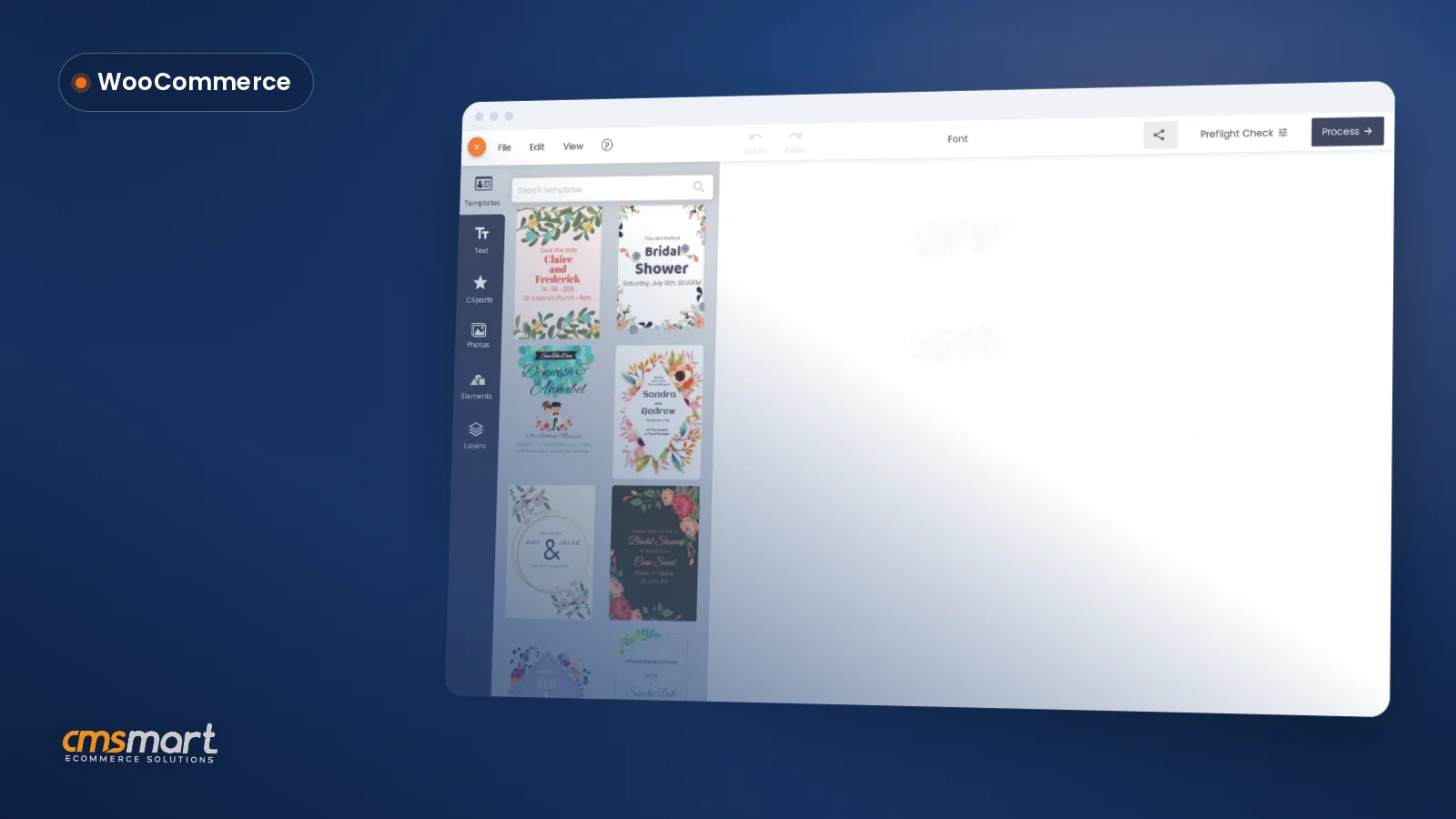
Guide · WooCommerce
Website Design and Development: How They Work Together
See how website design and development work as one build in a real WooCommerce store, then get a custom development quote from Cmsmart.
Discover how mobile commerce elevates customer engagement and boosts sales with seamless shopping experiences anytime, anywhere.
Table of contents
Was this tutorial helpful?
Written by
Cmsmart WooCommerce Development Lead
Leads custom WooCommerce builds: architecture, checkout, performance and integrations.
The team behind it
 Account Manager
 Project Manager
 Business Analyst
 Developers & QA
Guide · WooCommerce
See how website design and development work as one build in a real WooCommerce store, then get a custom development quote from Cmsmart.
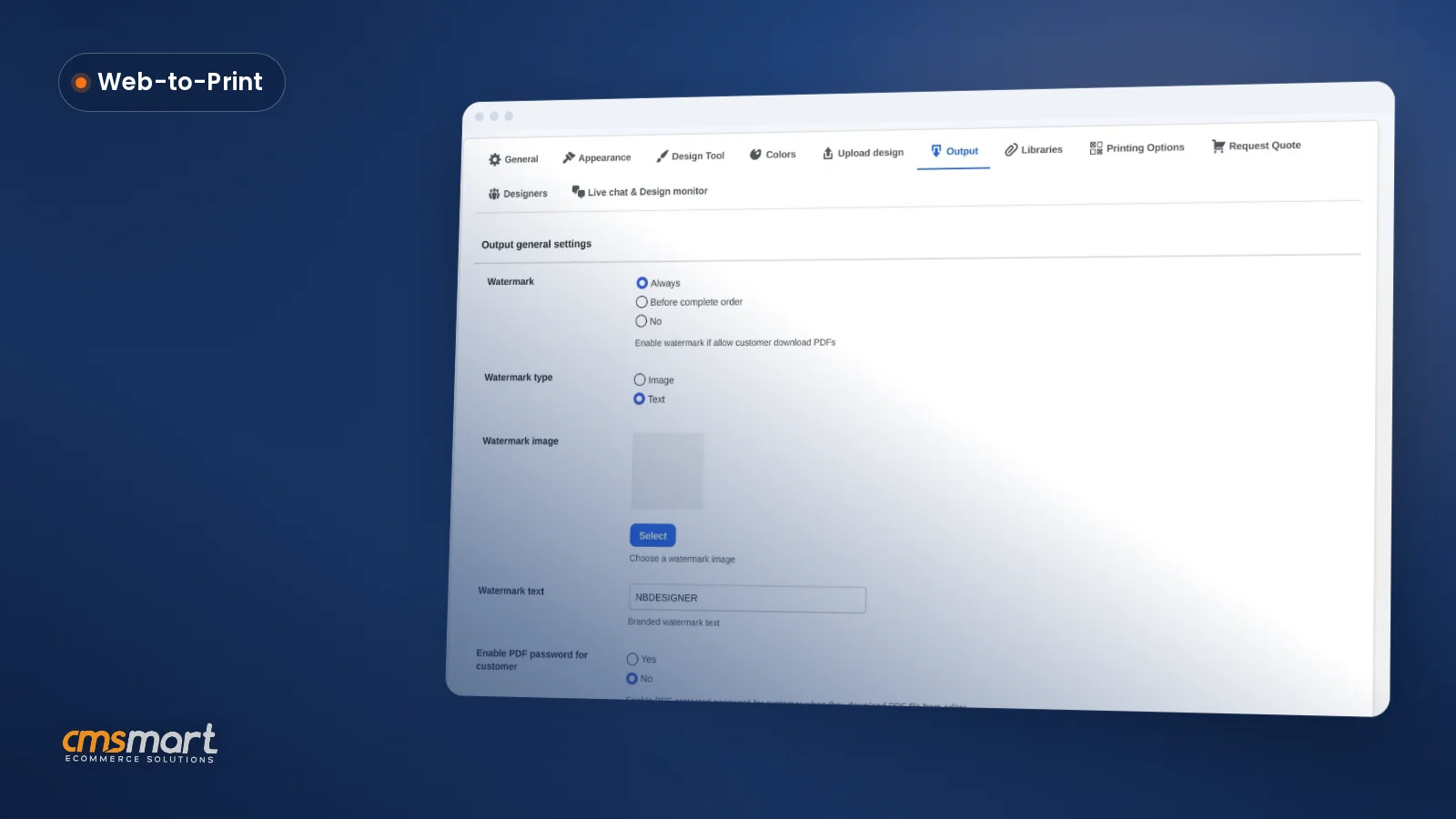
Guide · Web-to-print
See what the print ready PDF output settings WooCommerce screen controls — watermark, password, bleed, FTP sync — and configure yours today.
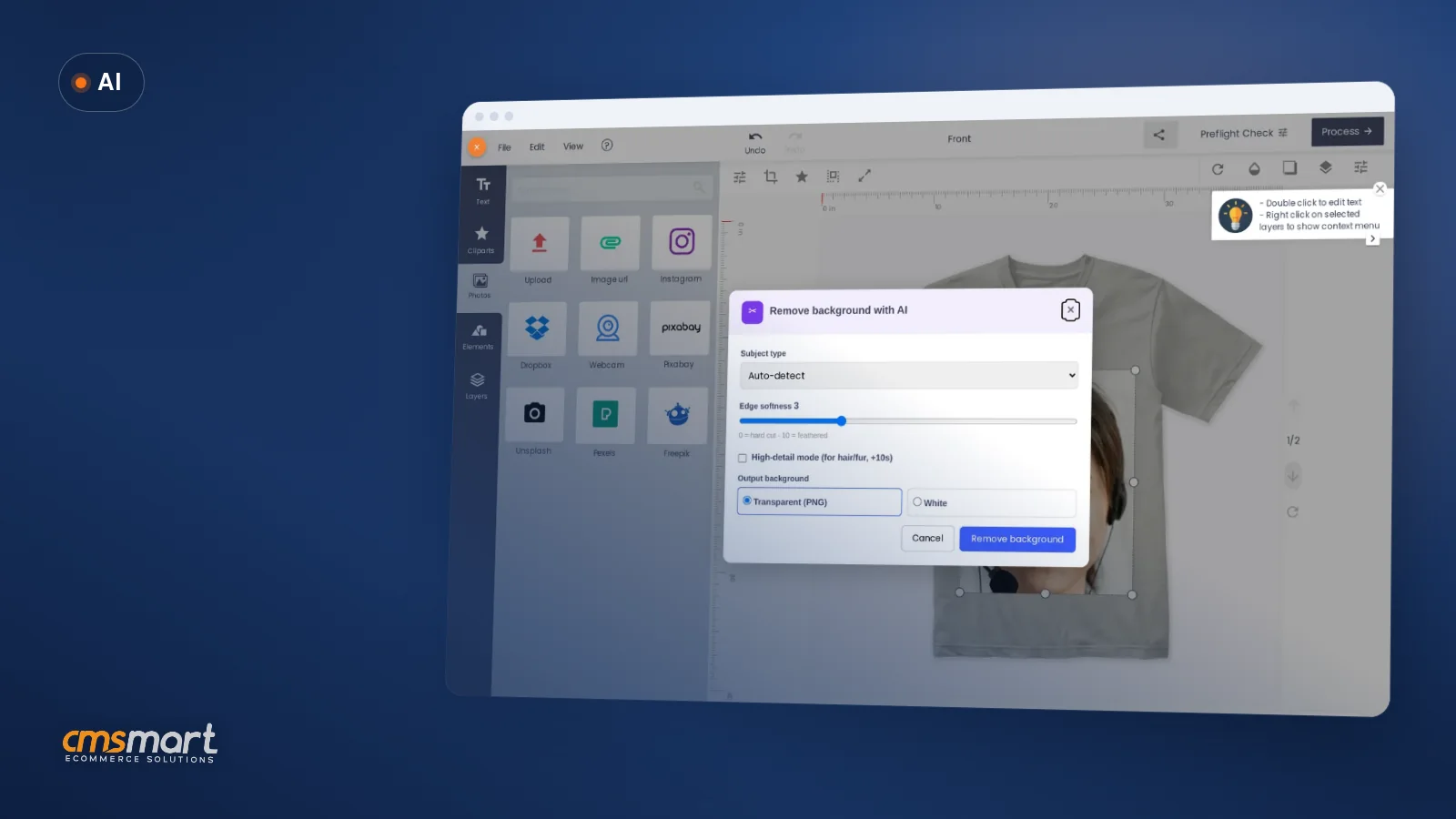
Case study · AI
Add an AI background remover for WooCommerce to your product designer so buyers get a clean cutout instantly, and see how Cmsmart builds the rest for...
Browse more guides, tutorials and case studies from the Cmsmart community.
Unlock the Power of Mobile Commerce: Propel Your Business Forward
Read MoreDiscover how to harness mobile commerce to enhance your business growth. Learn strategies for optimizing the mobile shopping experience and increasing consumer engagement.
Read MoreDiscover the benefits of mobile commerce and how it can transform your business. Learn effective strategies for maximizing sales and customer engagement through mobile-optimized shopping experiences.
Read More
Cmsmart Ecommerce provides custom ecommerce and WooCommerce development services for web-to-print, product personalization, plugin support and API integration.
Cmsmart WooCommerce Development Lead
Leads custom WooCommerce builds: architecture, checkout, performance and integrations.
Meet the team →




Did you know that global mobile commerce sales are expected to account for over 53% of total eCommerce by 2024? As consumer behavior shifts towards mobile-first shopping experiences, businesses that overlook this trend risk significant losses. Take, for example, GreenNest, a sustainable home goods company based in Australia. They faced a daunting challenge: despite having a beautifully designed desktop site, their mobile sales plummeted due to a non-optimized mobile site. With the expert guidance of Cmsmart, they successfully enhanced their mobile site performance, resulting in a remarkable 150% increase in mobile sales within just three months. This case study is a testament to the transformative power of embracing mobile commerce—an essential strategy for any modern retailer.
As mobile commerce revolutionizes consumer shopping, it’s no longer just a supplementary channel—it's the core of today's eCommerce strategy. Moreover, businesses need to prioritize mobile-centric designs that improve user experience, optimize load times, and make navigation intuitive. A streamlined mobile platform can double your sales and create loyal customers who engage with your brand anytime, anywhere. Discover how embracing mobile commerce can supercharge your retail growth, and dive into our resources on optimizing your mobile strategy here. In this tutorial, we’ll explore how to unleash the full potential of mobile commerce, enabling you to capture sales that are just waiting to be tapped into.
Embracing Mobile Commerce
Need for mobile-centric web design?With increasing smartphone internet usage, shifts in consumer preferences towards mobile are undeniable. Many businesses face challenges in optimizing their website for mobile, but heres the opportunity: What if you could double your sales just by enhancing your mobile site performance?
Your Path to Dominating Mobile Commerce
Embracing mobile commerce, or m-commerce, is not just about shrinking your existing website to fit a smaller screen. Its about rethinking your entire ecommerce strategy for a mobile-first world. Consumers today are more inclined to shop from their smartphones, and businesses that fail to adapt to this shift risk losing out significantly.
Practical Success Stories
Many businesses have seen dramatic improvements in their sales by focusing on mobile optimization. By examining top industry performers, we can see that streamlined mobile experiences lead directly to increased user engagement and sales.
In summary, by focusing on a mobile-first ecommerce strategy, businesses can not only keep up with consumer trends but can also unlock new avenues for growth. Ready to take your mobile strategy to the next level? Lets move to our next section, where well delve into advanced responsive design strategies.
Introduction to Mobile Commerce
Need for mobile-centric web design is more pressing than ever. With increasing smartphone internet usage, shifts in consumer preferences towards mobile, and the challenges of optimizing websites for mobile, understanding mobile commerce is crucial in todays digital landscape.Definition of Mobile Commerce (M-commerce)
Mobile Commerce, commonly known as m-commerce, refers to the buying and selling of goods and services through wireless handheld devices such as smartphones and tablets. Its an extension of e-commerce, but specifically focused on the mobile-first world, allowing consumers to conduct transactions on the go. Within this domain, terms like mobile shopping and smartphone commerce are frequently used, emphasizing the importance of developing a solid ecommerce strategy that caters to mobile browsing needs.
Evolution and Significance of M-commerce in Todays Digital Era
Over the past decade, m-commerce has rapidly evolved from a novelty to a necessity. As of 2021, m-commerce accounted for over 72.9% of total e-commerce sales worldwide, highlighting its undeniable significance as part of a comprehensive ecommerce strategy . This growth is driven by advancements in mobile technology, increased internet access, and a growing consumer preference for shopping on mobile devices.
Terminologies: Unpacking M-commerce, Mobile Shopping, and Smartphone Commerce
Terminologies such as mobile shopping and smartphone commerce are often used interchangeably with m-commerce. They refer to the same fundamental practice—realizing transactions on mobile devices, which has become integral to a mobile browsing experience. This shift demands businesses to rethink their website optimization strategies to prioritize mobile-friendly interfaces.
- Ensure your website follows responsive design strategies to adapt to various screen sizes .
- Focus on fast mobile site speed improvements to minimize load times and enhance user satisfaction .
- Minimize the use of unnecessary popups that disrupt the mobile experience, and instead work towards enhancing mobile browsing experience .
In summary: Understanding and integrating mobile commerce strategies is not just an option but a necessity to stay competitive and meet evolving consumer demands. As you continue this journey, optimizing your site’s UI/UX for mobile users is the next critical step. Lets delve into the next section to explore responsive design strategies and other innovations that enhance mobile experiences .Mobile Traffic and Its Impact on Ecommerce
Need for mobile-centric web design? The rise in smartphone internet usage is reshaping consumer preferences, pushing businesses to prioritize mobile optimization in eCommerce strategies.Understanding Mobile Traffic
The era of m-commerce is upon us, with mobile shopping rapidly becoming the norm. As people spend more time on their smartphones, understanding mobile traffic is key to optimizing your eCommerce strategy. The convenience of accessing online stores via smartphones has altered consumer habits significantly, making a mobile-first world essential for businesses.
Influence of Smartphone Internet Access on Ecommerce
Smartphones have become the primary gateway to the internet for many consumers, influencing how they interact with eCommerce platforms. The increasing reliance on smartphones for online activities necessitates a rethink of traditional eCommerce strategies.
Exploring Examples of Successful Mobile Ecommerce Businesses
Many businesses are setting benchmarks in mobile commerce by tailoring their strategies to meet the needs of mobile users. These examples are leading the way in mobile eCommerce success.
- Investigate brands like Amazon and eBay, which have optimized their mobile platforms extensively.
- Consider features like mobile payment solutions and app-based retail for seamless transactions.
- Explore internal resources on reducing unnecessary popups for a smoother mobile experience.
In summary: Embracing a mobile-centric approach is crucial for modern-day eCommerce success. As you fine-tune your strategy, consider exploring advanced methods to optimize your website’s UI/UX for mobile. Next, we will delve into effective responsive design strategies that pave the way for an authoritative online presence.Mobile User Experience (UX) in Ecommerce
Struggling to master mobile UX for your e-commerce platform? You’re not alone.With increasing smartphone internet usage and evolving consumer preferences leaning towards mobile-first interactions, optimizing mobile UX in your e-commerce strategy becomes crucial. Businesses face significant challenges in crafting mobile-centric web designs that effectively meet these needs.
Defining Mobile UX in Ecommerce Context
Mobile User Experience (UX) in the e-commerce landscape refers to how effectively an e-commerce site functions on smartphones and tablets. It encompasses everything from navigation to how visually appealing and interactive the mobile interface is. As m-commerce trends continue to grow, enhancing mobile UX has become an integral part of any successful ecommerce strategy.
Role of Mobile UX in Ecommerce Performance
The experience you offer on mobile plays a tremendous role in your e-commerce performance. When a site is not optimized for mobile, user satisfaction plummets, directly impacting conversion rates and brand loyalty. In a mobile-first world, optimized user experience cannot be overstated.
How Mobile UX Changes Consumer Interaction with Ecommerce Sites
Mobile UX fundamentally transforms how consumers interact with ecommerce platforms. Shoppers now expect seamless, fast, and intuitive experiences right on their smartphones.
Improving mobile user experience is not just about meeting current consumer expectations; its about staying ahead in an increasingly competitive market. By focusing on robust mobile strategies, from responsive design to streamlined UI/UX, businesses can significantly boost their ecommerce conversion rates.
In summary: Investing in optimizing your mobile UX can lead to tangible improvements in customer retention and ecommerce success. Next, let’s delve into strategies for optimizing website UI/UX for mobile, including responsive design and user flow enhancements .Responsiveness: A Key to Mobile Ecommerce Success
Need for mobile-centric web design? If youre navigating increasing smartphone internet usage and shifts in consumer preferences towards mobile shopping, youre not alone. Many businesses encounter challenges in optimizing their websites for a mobile-first world. Ensuring that your online platform caters efficiently to mobile users is key to thriving in today’s competitive ecommerce landscape.Importance of Responsive Design in M-commerce
Responsive design is crucial in capturing the booming mobile commerce (m-commerce) market, which is expected to surpass $3.5 trillion in global value by 2025. This design approach guarantees your site adapts seamlessly across all devices, enhancing the mobile browsing experience and consumer preference for shopping on-the-go.
Characteristics of a Responsive Ecommerce Site
An effective responsive ecommerce site is designed with consumer preference in mind, reducing friction throughout the online shopping journey.
Choosing an Ecommerce Platform with High Responsiveness
Picking the right ecommerce platform can significantly impact your sites responsiveness. Look for platforms like Dokan Marketplace that offer built-in responsive design features, ensuring your site is ready for the diverse world of smartphone commerce.
- Integrated responsiveness ensures consistent performance across devices
- Flexibility in design tools to align with your brand’s ecommerce strategy
- Support for progressive web apps to boost mobile site speed improvements
In summary: By incorporating these strategies, your ecommerce store can effectively cater to the ever-growing mobile user base. To deepen your understanding, the next section explores optimization strategies for improving your website UI/UX and enhancing the mobile browsing experience.Website Optimization for Seamless Mobile Commerce
Riding the Wave of Mobile Commerce: Your Websites Next Evolution Needs to be Mobile-Centric.With skyrocketing smartphone internet usage and shifting consumer preferences, businesses face significant pain points when optimizing their websites for mobile—be it through responsive design or enhancing mobile user experience.
Breaking Down the Concept of Mobile Website Optimization
Today’s m-commerce landscape demands more than just a mobile-friendly layout. It requires seamless integration and functionality tailored for the adept mobile shopper. Ensuring that your website is designed with a mobile-first mindset is no longer optional but a critical strategic move. M-commerce, or mobile shopping, is redefining how consumers interact with brands digitally.
The Relationship between Mobile Browsing and Website Optimization
Mobile browsing embodies the new era of consumer preference, dictating a shift in website optimization practices. As more users gravitate towards shopping from their smartphones, businesses must align their e-commerce strategies accordingly. Its about delivering a swift, reliable, and engaging experience underpinned by rapid loading times and straightforward navigation.
Advantages and Challenges in Optimizing Websites for Mobile
The advantages of optimizing for mobile are clear: increased traffic, boosted conversion rates, and improved SEO rankings. However, challenges exist, particularly around maintaining a streamlined experience across varied devices and operating systems.
On this journey, partnerships matter. Tools enabling responsive design and enhanced UI/UX capabilities can transform potential obstacles into stepping stones.
In summary: Optimizing your site for mobile commerce is more than a trend—its a necessity. As you navigate this evolution, let’s delve into how optimizing your site’s UI/UX can further enhance the mobile shopping experience. Join us in the next section as we explore responsive design strategies in greater detail.
Creating an Effective Mobile Commerce Strategy
Struggling to keep up with the mobile shopping trend? Youre not alone.The rise in smartphone internet usage and shifts in consumer preferences necessitate a robust mobile-commerce (m-commerce) strategy. However, integrating mobile shopping into existing platforms remains a significant challenge for many businesses.
Planning for Mobile Commerce Integration
To begin with, aligning your ecommerce strategy with mobile-first design is critical. Understand what your audience wants—fast load times, intuitive navigation, and seamless checkout processes. Use mobile analytics to track user behavior and identify areas for improvement.
Key Steps in Implementing a Mobile Commerce Strategy
Adopting a well-structured approach can ensure a successful integration:
Case Studies of Effective Mobile Commerce Strategies
Real-world examples can illuminate paths to success:
Next, we’ll cover how to optimize website UI/UX for mobile, ensuring a seamless and engaging customer journey across all devices.
In summary: Emphasizing mobile commerce integration is essential for capitalizing on the evolving consumer landscape. From planning to implementation, every step counts towards establishing a successful mobile ecommerce presence. Stay tuned as we dive deeper into responsive design strategies in our next section.Future Outlook of Mobile Commerce
The Shift to Mobile Commerce: A Key to Future SuccessThe need for mobile-centric web design has never been greater. With increasing smartphone internet usage and a clear shift in consumer preferences towards mobile shopping, businesses face challenges in optimizing their websites for mobile experiences.
Current Trends in Mobile Commerce
Mobile commerce, or m-commerce, is experiencing explosive growth as consumers increasingly prefer the convenience of mobile shopping. The ubiquity of smartphones has transformed shopping behaviors radically.
Predicted Future Trends
Looking forward, personalized shopping experiences will dominate. Incorporating AI, such as personalized recommendations, can significantly enhance consumer satisfaction and increase conversion rates.
Future-Proofing Ecommerce with Mobile Commerce
- Optimize website UI/UX for mobile to enhance the overall browsing experience.
- Consider responsive design strategies and reduce unnecessary popups.
- Explore multichannel integration to connect physical and digital shopping channels .
In summary: Embracing mobile commerce is not an option but a necessity for future growth. Implementing a robust mobile strategy today ensures youll meet tomorrows consumer expectations. Next, we will delve into optimizing user interface and experience strategies tailored for mobile browsing .Frequently Asked Questions
Feeling overwhelmed by the shift to a mobile-first world? Youre not alone!Navigating the increasing consumer preference for mobile shopping presents challenges, but with the right strategies, your business can thrive in mobile commerce.
Q&A: Mastering Mobile Commerce: 5 Key Queries Addressed
Mobile commerce, often called m-commerce, refers to online shopping transactions conducted via mobile devices. As smartphone usage rises, embracing this method is crucial. A recent market insight highlights that 72.9% of all eCommerce sales will be made via mobile by 2021 .
Consider adding mobile-friendly payment options, simplified navigation, and personalized user interactions. According to experts, "Intuitive design and easy navigation are key to retaining mobile shoppers." Learn more.
Mobile apps offer a personalized shopping experience and can boost customer retention and loyalty, leading to increased sales.
Building trust with secure transactions and transparent policies is essential. Reports show that 60% of users abandon carts due to security concerns .
Strategically Enhance Your Mobile Commerce Approach
For expert strategies tailored to improve your mobile sites UI/UX and boost your eCommerce strategy, explore our guides on optimizing website UI/UX and responsive design strategies . In summary: Tailoring your business to meet mobile consumer preferences with strategic optimization can lead to substantial growth. Next, let’s delve into advanced techniques for enhancing mobile user experiences and boosting your sites engagement.FAQ Section: Troubleshooting and Pro Tips
What is mobile commerce?
Mobile commerce is the buying and selling of goods and services through wireless handheld devices like smartphones and tablets.
Why is mobile-centric web design critical?
It is essential for ensuring optimal user experience on mobile devices, meeting the increasing consumer demand for mobile-focused shopping solutions.
How does increased smartphone internet usage affect eCommerce?
With more users accessing the internet through smartphones, eCommerce platforms need to be optimized for mobile to reach a wider audience and increase sales.
What are the trends in consumer preferences towards mobile?
Consumers prefer mobile shopping experiences that are fast, convenient, and personalized, making mobile optimization a priority for online retailers.
What challenges are involved in optimizing a website for mobile?
Challenges include ensuring fast loading times, a responsive design, and compatibility with various mobile devices and screen sizes.
How can businesses ensure seamless mobile commerce?
Businesses should focus on mobile-friendly design, intuitive navigation, and efficient payment processes to enhance the mobile shopping experience.
Further Reading
Congratulations on taking the first steps towards enhancing your mobile commerce strategy! By prioritizing mobile-centric design and implementing responsive solutions, you're setting the stage to potentially double your sales and improve customer satisfaction. Now is the time to take decisive action. If you're ready to transform your store and navigate the world of m-commerce, I'm here to assist you. Contact David, our CEO, via WhatsApp for personalized guidance, or reach out to me directly at project@cmsmart.net for detailed consultation. Want an estimate on implementing these powerful changes? Request a quotation today, and let’s discuss how we can elevate your brand to new heights in the mobile landscape!