

Guide · B2B
WooCommerce Amazon Etsy Sync: Stock and Orders
WooCommerce Amazon Etsy sync guide: keep stock and orders right across channels, avoid overselling, and get a custom integration quote.
Stay ahead in the digital marketplace with our comprehensive analysis of B2B ecommerce trends for 2024. Discover insights on innovations, tech integration, and strategies to unlock growth. Enhance your business and thrive in the competitive landscape!
Table of contents
Was this tutorial helpful?
Written by
Cmsmart B2B Commerce & Operations Consultant
Designs B2B ordering, marketplaces and the operations behind them.
The team behind it
 Account Manager
 Project Manager
 Business Analyst
 Developers & QA
Guide · B2B
WooCommerce Amazon Etsy sync guide: keep stock and orders right across channels, avoid overselling, and get a custom integration quote.
Guide · B2B
Set up a WooCommerce request a quote B2B workflow: price matrix, approval, and one-click conversion to order. Plan yours today.
Guide · B2B
WooCommerce B2B pricing: give wholesale buyers tiered prices, customer groups and account approval. See what the plugin does today and get a custom qu...
Browse more guides, tutorials and case studies from the Cmsmart community.
Unlock the Power of Mobile Commerce: Propel Your Business Forward
Read MoreDiscover how to harness mobile commerce to enhance your business growth. Learn strategies for optimizing the mobile shopping experience and increasing consumer engagement.
Read MoreDiscover the benefits of mobile commerce and how it can transform your business. Learn effective strategies for maximizing sales and customer engagement through mobile-optimized shopping experiences.
Read More
Cmsmart Ecommerce provides custom ecommerce and WooCommerce development services for web-to-print, product personalization, plugin support and API integration.
Cmsmart B2B Commerce & Operations Consultant
Designs B2B ordering, marketplaces and the operations behind them.
Meet the team →
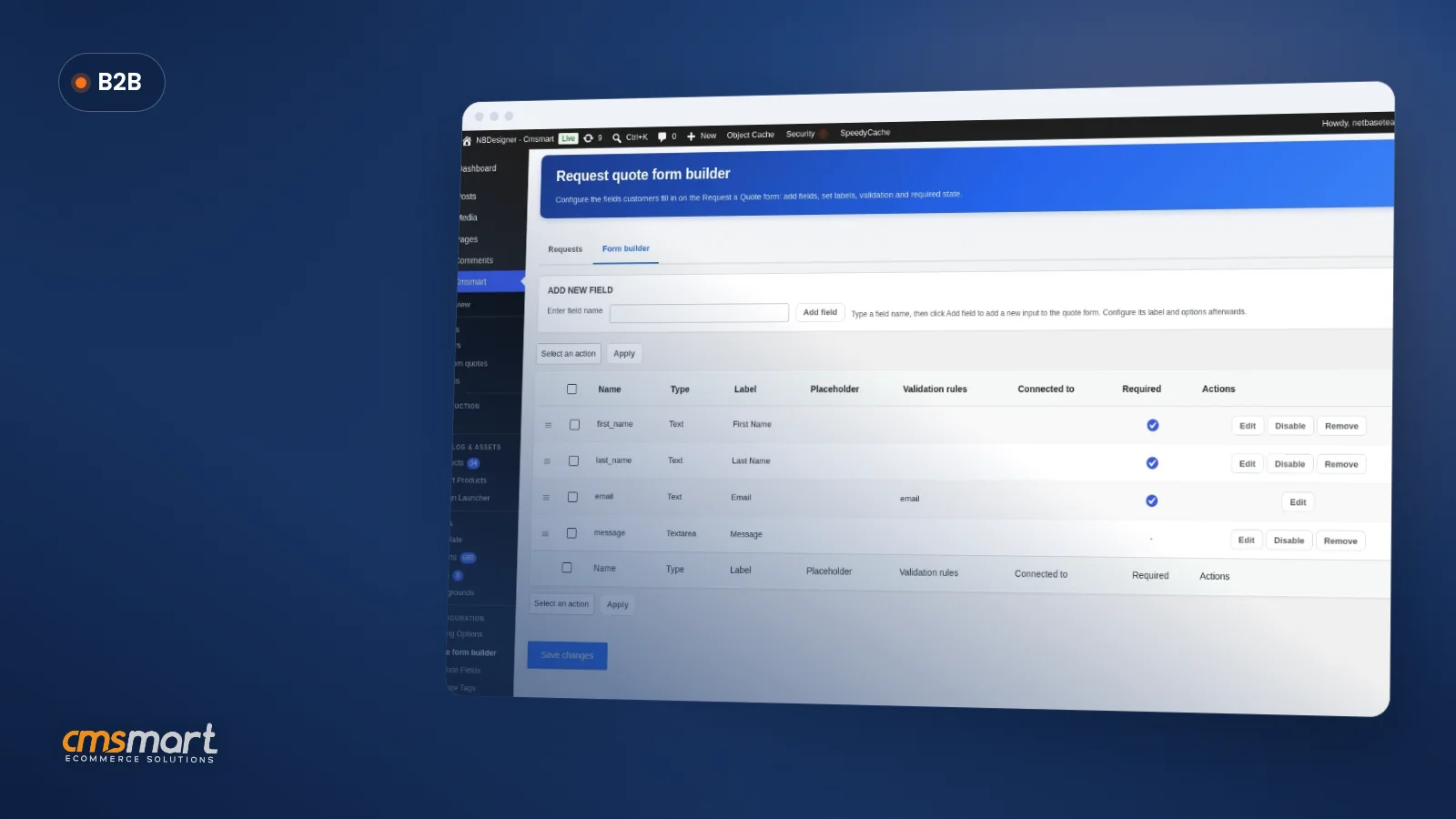
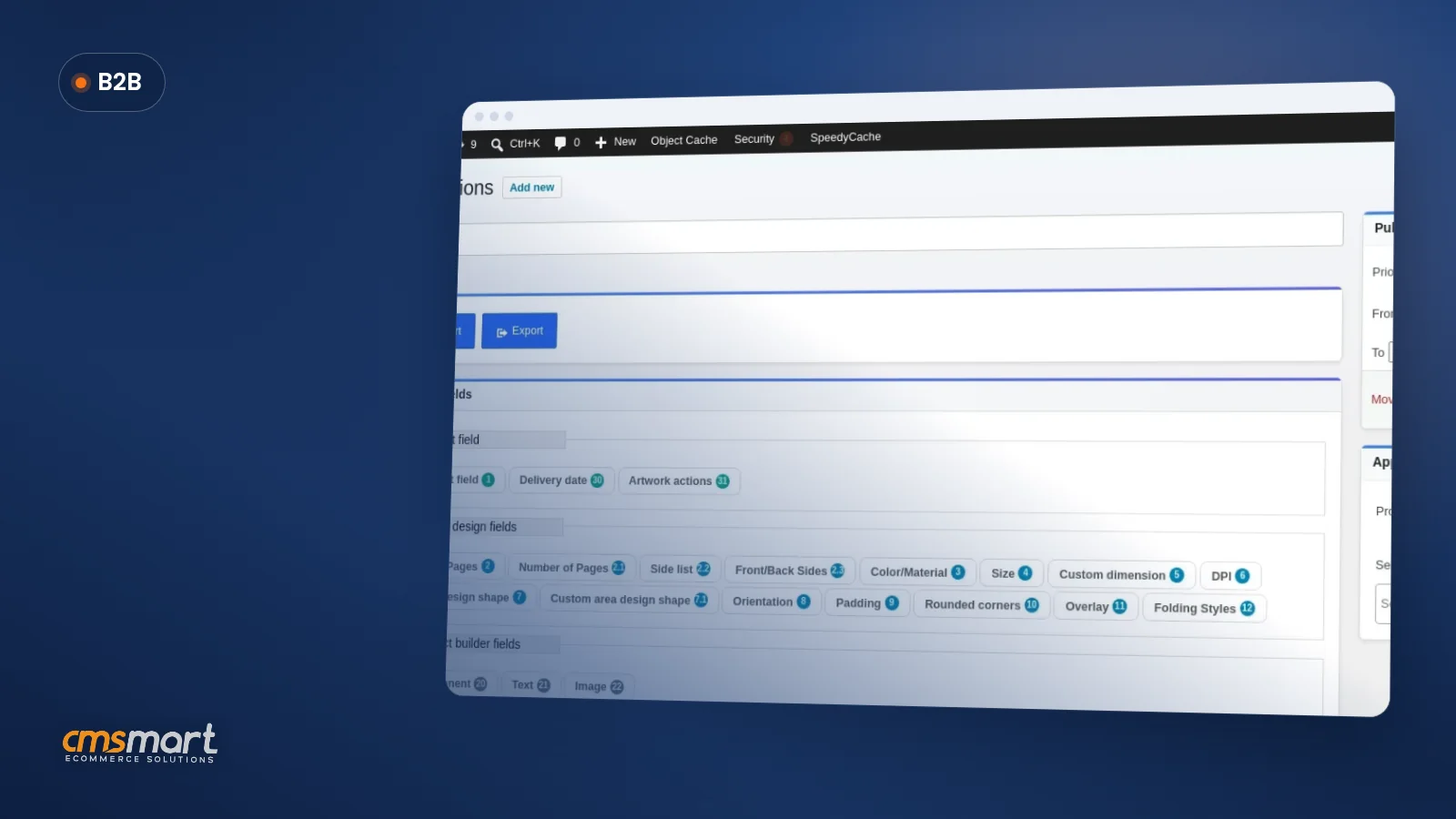


Are you ready to navigate the rapidly evolving waters of B2B ecommerce? With B2B ecommerce projected to soar to a staggering $25.6 trillion by 2028, businesses can no longer afford to sit idle. The competition is fierce, and expectations for seamless, personalized shopping experiences are at an all-time high. Take the case of EcoSolutions, a manufacturing company based in Canada, which saw a dramatic improvement in sales after implementing Cmsmart's dynamic solutions. Faced with declining customer engagement and a cumbersome purchasing process, EcoSolutions turned to us for help. By leveraging our innovative platforms, they achieved a 40% increase in repeat orders within just six months, showcasing how tailored ecommerce strategies can unlock remarkable growth potential.
As we delve into this tutorial on exploring the dynamic B2B ecommerce trends for 2024, we will uncover the key insights and strategies that can set your business apart. The drive for self-service capabilities, multi-channel shopping experiences, and enhanced data security are reshaping the landscape in real-time. For further reading, check out our resource on how digital transformation shapes ecommerce strategies or learn more about key trends in ecommerce for 2024. In this guide, we will explore how to seize these opportunities and equip your business with the tools needed to thrive in the bustling marketplace.
Are You Prepared for the Future of B2B Ecommerce?
Are you prepared to adapt to the fast-evolving landscape of B2B Ecommerce?The demand for seamless shopping experiences and personalized customer interactions is higher than ever, pushing businesses to rethink their strategies.
Understanding the Changing Dynamics of B2B Ecommerce
As digital transformation accelerates, businesses must stay informed about the latest B2B ecommerce insights. The evolving B2B sales trends reflect a growing emphasis on customer satisfaction and operational efficiency. By acknowledging the following needs, you can build a strong foundation for future success:Key Trends Shaping B2B Ecommerce in 2023
The future landscape of B2B ecommerce is characterized by innovative strategies. Here are some actionable tips to prepare for this transformation:The Path Forward
In light of the existing challenges, positioning your business for growth requires adaptation and foresight. Embrace trends such as the benefits of AI in ecommerce optimization and prioritize the importance of data protection measures. In summary: The evolving landscape of B2B ecommerce presents unprecedented opportunities for those willing to innovate. In our next section, we will delve deeper into how you can implement these insights for a comprehensive ecommerce strategy that facilitates a seamless shopping experience across multiple channels.Decoding the Concept of B2B Ecommerce and its Importance
Struggling to keep up with the evolving B2B ecommerce landscape? You’re not alone.Many businesses find themselves grappling with the need for seamless shopping experiences, increasing preferences for self-service options, and rising concerns over data security breaches.
Understanding B2B Ecommerce
B2B ecommerce refers to transactions between businesses, enabling them to buy and sell products and services online. As customer expectations evolve, companies must adapt to trends that enhance digital transactions and improve customer satisfaction.Significance of B2B Ecommerce in Todays World
In a rapidly changing marketplace, B2B ecommerce plays a crucial role in enhancing operational efficiency. Companies face increasing competition, which drives the need for better sales strategies. Here are several reasons why B2B ecommerce is vital today:Key B2B Ecommerce Terminologies You Must Know
Navigating the world of B2B ecommerce requires familiarity with certain key terms that can impact your business operations. Here are some vital concepts:- Digital Transactions: Online exchanges that track purchases and payment methods.
- Compliance: Regulations ensuring data protection and legal requirements during transactions.
- B2B Sales Trends: Insights on prevailing market dynamics affecting business sales.
In summary: Understanding B2B ecommerces fundamentals is essential for adapting to market demands. Next, let’s explore strategies to create a seamless shopping experience across multiple channels, emphasizing customer self-service options and the importance of data protection measures.Unveiling the Power of Omnichannel Integration
Need for seamless shopping experiences? Youre not alone.As businesses increasingly adapt to a digital-first environment, the necessity for a seamless shopping experience has never been more pressing. More than ever, customers value personalized interactions and user-friendly interfaces, while also expecting strong data protection measures.
Understanding Omnichannel Integration
Omnichannel integration refers to the seamless coordination of customer interactions across multiple platforms, whether online or offline. This strategy allows businesses to meet customer expectations effectively while enhancing sales growth. Here are some essential aspects to consider:Advantages of Implementing Omnichannel Strategies in B2B
Adopting omnichannel strategies in business-to-business (B2B) sales can significantly enhance customer satisfaction and loyalty. Here are the benefits:Guidelines for Creating a Seamless Shopping Experience Across Multiple Channels
To ensure a smooth transition for your customers, keep these actionable tips in mind:- Adopt a user-friendly interface and ensure accessibility across devices.
- Provide self-service options for customer inquiries and purchases.
- Maintain compliance with data protection regulations to boost trust.
For more insights on enhancing customer experience and ensuring smooth ecommerce adoption, check out the following resources on seamless shopping experiences across multiple channels, enhancing customer experience with self-service options, and the importance of data protection measures. In summary: Embracing omnichannel integration not only meets current business demands but also paves the way for future growth. Next, let’s explore the increasing benefits of AI in ecommerce optimization and how to facilitate ecommerce adoption among B2B clients.The Rise of Self-Service Capabilities in B2B Ecommerce
Need for seamless shopping experiences? You’re not alone.Businesses are increasingly grappling with customer expectations that demand a seamless digital experience. Buyers today prefer self-service options that empower them to make purchasing decisions independently, while also being conscious of data security and compliance challenges.
Why Self-Service is Crucial in B2B Ecommerce?
Self-service capabilities are reshaping the landscape of Business-to-Business (B2B) eCommerce by meeting the rising demand for efficiency and personalization. Here’s why you should consider integrating self-service options:Enhancing User Experience with Self-Service Options
Self-service options enhance the user experience by providing quick access to information, facilitating personalized customer experiences, and allowing for easy navigation through product offerings. Incorporating these features can lead to better customer retention rates and overall satisfaction.Case Studies: Successful Adoption of Self-Service
Several companies have effectively integrated self-service capabilities into their business models. For instance, a well-known manufacturing firm saw a 50% reduction in sales cycle time after adopting a self-service portal for order management. This case reflects the transformative potential of self-service in enhancing operational efficiency. In summary: As self-service capabilities rise in B2B eCommerce, companies gain the ability to streamline operations while enhancing customer satisfaction. In the next section, well delve into the importance of data protection measures that support these digital transaction environments, ensuring compliance and trust in the buying process.Protecting Your Realm: Data Security and Privacy Practices
Concerned about data security in your eCommerce business? You are not alone.With the rise of digital transactions, ensuring the safety of customer data has never been more critical. The demand for seamless shopping experiences, increasing preference for self-service options, and the rising concerns over data security breaches highlight the challenges faced by businesses today.
Understanding the Cruciality of Data Protection Measures
Data security and privacy are vital not only for compliance but also for maintaining customer trust. Implementing robust data protection measures enhances customer satisfaction and supports business-to-business eCommerce growth. Below are some key insights into why these practices matter:Top Data Security Practices for B2B Ecommerce
To safeguard your eCommerce website against data breaches, consider implementing these actionable strategies:Emerging Threats and Solutions: A Closer Look
The landscape of digital threats is evolving. Awareness of these emerging challenges can better prepare your business for future risks:- Phishing Attacks: Cybercriminals use deceptive emails to extract sensitive information. Train employees to recognize suspicious communication.
- Ransomware: This malware encrypts your data and demands payment for access. Use reliable security solutions to prevent infections.
- Data Leakage: Ensure sensitive information isn’t inadvertently shared by implementing stringent access controls.
In summary: Protecting your realm through effective data security measures is not just a regulatory obligation; its essential for enhancing customer experience and securing sales growth. As we move forward, understanding the importance of data protection measures will lead seamlessly into our next section about enhancing the customer experience with seamless shopping options. For further insights on integrating AI for eCommerce optimization, keep exploring our resources!Ecommerce Adoption: Challenges and Strategies
Need for seamless shopping experiences? Youre not alone.In todays fast-paced digital world, businesses face significant challenges in adopting e-commerce solutions. The increasing preference for self-service options, rising concerns over data security breaches, and the demand for personalization and operational efficiency emphasize the need for a robust e-commerce strategy.
The Importance of Ecommerce Adoption Among B2B Clients
B2B e-commerce continues to grow, with sales expected to reach $1.8 trillion, accounting for 17% of all B2B sales by 2023 (Forrester Research). As customer expectations evolve, B2B clients are increasingly seeking user-friendly interfaces that provide seamless shopping experiences. To thrive, businesses must harness the power of e-commerce to improve customer satisfaction and drive sales growth.Facing the Challenges in Ecommerce Adoption
Challenges in e-commerce adoption can hinder business growth. Common barriers include:Step-By-Step Ecommerce Adoption Strategy for Businesses
To effectively navigate the transition to e-commerce, consider the following step-by-step strategy: 1. Assess Current Infrastructure: Evaluate existing systems to identify gaps. 2. Set Clear Goals: Define what you aim to achieve with e-commerce—sales growth, enhanced customer experience, or operational efficiency. 3. Choose the Right E-commerce Platform: Opt for user-friendly platforms that allow for customization and scalability. 4. Prioritize Data Protection: Invest in security measures to safeguard customer information and ensure compliance. 5. Engage Customers: Use feedback to refine user experience and meet customer expectations. 6. Train Your Team: Equip staff with the knowledge and skills to navigate new technologies confidently. In summary: Embracing e-commerce is a critical step towards meeting modern business demands. The challenges of e-commerce adoption can be overcome with strategic planning and action. In the next section, we will dive deeper into how to enhance customer experience with self-service options, ensuring that your business stays ahead in the competitive landscape.The Future is AI-Driven: Impact and Optimization using AI in B2B Sales
Struggling to keep pace with changing customer expectations? You’re not alone.The rapidly evolving landscape of B2B e-commerce presents challenges such as the need for seamless shopping experiences, increasing preference for self-service options, and rising concerns over data security breaches.
Understanding the Role of AI in B2B E-commerce
AI technology is transforming B2B e-commerce in several vital ways, making it essential for businesses to harness its potential to meet customer demands effectively. Here are a few ways AI is making waves in the industry:Benefits of AI in Ecommerce Optimization
By implementing AI-driven solutions, B2B e-commerce businesses can significantly enhance their market performance. The benefits include:- Improved customer satisfaction through personalized experiences
- Efficient handling of digital transactions and data analytics
- Enhanced security measures to protect sensitive customer data
- Streamlined processes that facilitate e-commerce adoption among B2B clients
Incorporating AI is no longer optional; it’s a necessity for staying relevant amidst the surge in digital sales.Preparing for AI-Driven Future of B2B Sales
Looking ahead, companies must prepare for an AI-driven marketplace. Here are key steps to take:- Embrace data protection measures to enhance compliance and build trust
- Continuously evaluate customer feedback to adjust AI strategies
- Train your team to effectively utilize AI technologies and analyses
- Explore innovative solutions that improve operational efficiency
In summary: The future of B2B sales is undeniably driven by AI, and companies that proactively optimize their strategies will lead the pack. For more insights on facilitating ecommerce adoption among B2B clients, enhancing customer experience with self-service options, and the importance of data protection measures, continue reading the next section.Frequently Asked Questions
Need for seamless shopping experiences in B2B eCommerce? Youre not alone.Businesses increasingly seek to provide efficient and personalized digital experiences, aligning with customer expectations in a rapidly evolving marketplace.
Common B2B Ecommerce Questions
Q: What are the latest B2B eCommerce trends affecting sales growth?
A: Key trends include a shift towards digital transactions, increasing adoption of self-service options, and a growing demand for personalization. Businesses are finding innovative ways to engage customers online.
Q: How can businesses enhance customer satisfaction through digital transactions?
A: Implementing user-friendly interfaces and optimizing checkout processes significantly boosts customer satisfaction. Focus on:
Q: What strategies can optimize personalized customer experiences?
A: Use AI tools to analyze customer data, allowing for tailored recommendations. This enhances engagement and drives sales growth.
Q: How does data protection impact compliance and trust?
A: Ensuring robust data protection measures builds trust and enhances compliance with global regulations. Invest in secure platforms and regular audits.
Q: What are the challenges of eCommerce adoption among B2B clients?
A: Common challenges include a lack of digital readiness, resistance to change, and the complexity of integrating new technologies. Providing training and support can facilitate smoother adoption.
In summary: Addressing the common queries on B2B eCommerce can significantly improve your understanding and strategy. For deeper insights into creating a seamless shopping experience across multiple channels or the importance of data protection measures, let’s dive into our next section.FAQ Section: Troubleshooting and Pro Tips
What are the key B2B eCommerce trends for 2024?
Key trends include seamless shopping experiences, preference for self-service options, and data security enhancements.
How can businesses ensure seamless shopping experiences?
Implement intuitive navigation, mobile optimization, and fast checkout processes to enhance user satisfaction.
Why are self-service options gaining popularity in B2B eCommerce?
They empower customers with control, allowing them to manage orders and access needed resources without always relying on support.
What are the concerns regarding data security in eCommerce?
Rising concerns include data breaches, customer privacy issues, and the need for robust protection against cyber threats.
What challenges do businesses face in adopting eCommerce?
Common challenges include high initial investment, integration with existing systems, and adapting to evolving technology.
How can businesses personalize their eCommerce strategies?
Utilize data analytics to understand customer preferences and tailor marketing strategies for improved engagement.
What operational efficiencies should businesses focus on in 2024?
Businesses should prioritize automation, supply chain optimization, and efficient customer service to enhance operational efficiency.
Further Reading
As we navigate the rapidly evolving B2B eCommerce landscape, it's crucial to leverage the insights and strategies shared in this tutorial to unlock transformative growth for your business. By prioritizing seamless shopping experiences, embracing self-service options, and implementing AI-driven solutions, you can position your company to thrive in the competitive marketplace. Don't leave your success to chance— contact David via WhatsApp to explore tailored solutions for your eCommerce needs. Alternatively, you can reach out to me at [email protected] for in-depth consultation. Ready to take the next step? Request a detailed quotation here and let’s discuss how we can help you implement these innovative strategies to enhance your B2B operations and customer interactions.