
Guide · Web-to-print
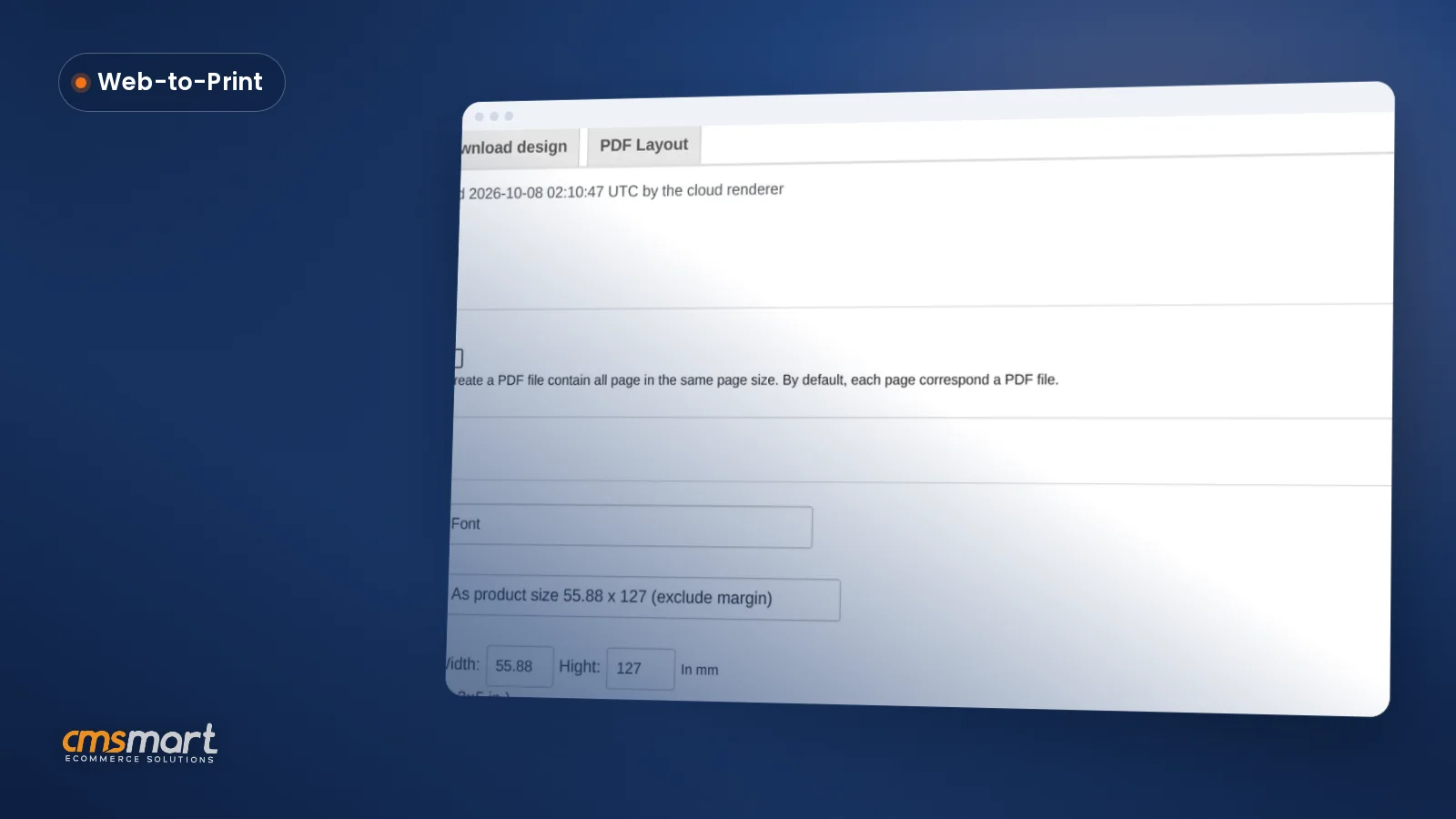
Custom Size Printing WooCommerce: Price It Live
Custom size printing WooCommerce shoppers configure themselves: Cmsmart prices it live and matches the print-ready PDF to the order. Get a quote.
Stay ahead in e-commerce with key 2016 trends shaping the market. Learn how to adapt and thrive in an evolving digital landscape.
Table of contents
Was this tutorial helpful?
Written by
Cmsmart Ecommerce Growth & Trends Analyst
Tracks ecommerce trends and turns them into practical moves for growing stores.
The team behind it
 Account Manager
 Project Manager
 Business Analyst
 Developers & QA
Guide · Web-to-print
Custom size printing WooCommerce shoppers configure themselves: Cmsmart prices it live and matches the print-ready PDF to the order. Get a quote.
Guide · WooCommerce
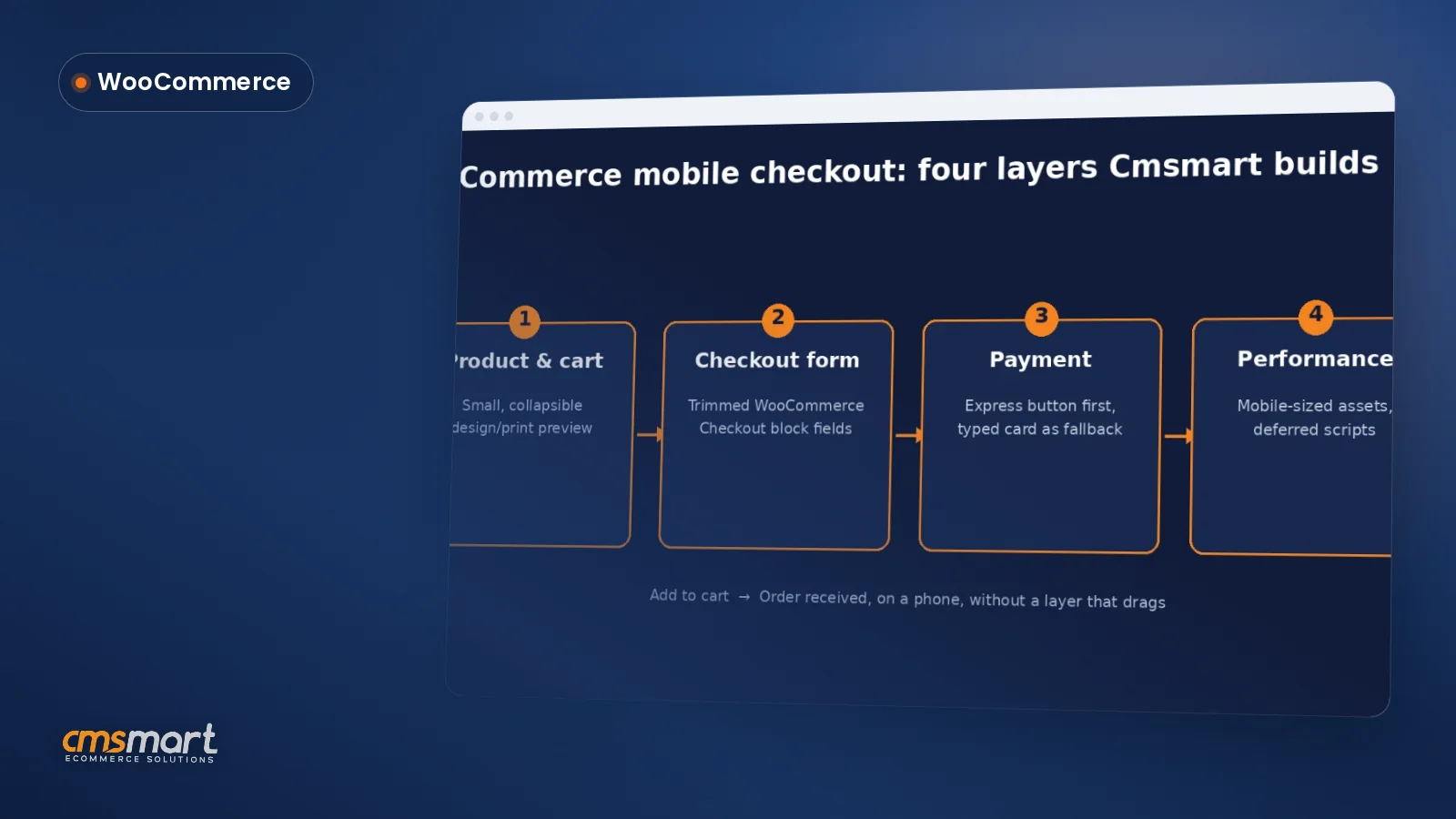
Fix your WooCommerce mobile checkout before shoppers bounce: cut fields, add express pay, speed up pages, and request a custom build quote today.
Guide · WooCommerce
Plan a WooCommerce HPOS migration that keeps checkout, plugins and reports working. Get Cmsmart's step-by-step guide and request a quote today.
Browse more guides, tutorials and case studies from the Cmsmart community.
Unlock the Power of Mobile Commerce: Propel Your Business Forward
Read MoreDiscover how to harness mobile commerce to enhance your business growth. Learn strategies for optimizing the mobile shopping experience and increasing consumer engagement.
Read MoreDiscover the benefits of mobile commerce and how it can transform your business. Learn effective strategies for maximizing sales and customer engagement through mobile-optimized shopping experiences.
Read More
Cmsmart Ecommerce provides custom ecommerce and WooCommerce development services for web-to-print, product personalization, plugin support and API integration.
Cmsmart Ecommerce Growth & Trends Analyst
Tracks ecommerce trends and turns them into practical moves for growing stores.
Meet the team →




In a time where the e-commerce landscape is rapidly evolving, it's critical for business owners to keep pace with emerging trends that shape consumer behavior. An astounding U.S. e-commerce sales are projected to surpass $1 trillion by 2023, illuminating the urgency for retailers to optimize their online strategies. Take the compelling case of Lisa Martens from Canada, who runs a mid-sized apparel business. Struggling to maintain her market share amidst a wave of competitors harnessing mobile technologies and personalized shopping experiences, she turned to Cmsmart for help. By implementing our tailored e-commerce solutions, Lisa successfully enhanced customer engagement through mobile optimization and implemented advanced analytics to forecast sales. Now, her store not only survives but thrives in the competitive market.
Understanding the essential e-commerce trends for 2016 is your roadmap to achieve similar success. From focusing on mobile commerce revenues to embracing big data for insightful predictions, each strategy is crucial as we pivot into a more demanding market landscape. To explore effective tactics further, you’ll want to check out our guides on strategies for achieving e-commerce success and effective digital marketing strategies. In this tutorial, we will delve into the pivotal e-commerce trends shaping the future of online shopping—insights you simply can't afford to miss!
Navigating the E-Commerce Wave
Struggling to navigate the e-commerce landscape? You’re in good company.Many online retailers today face significant challenges in understanding and adapting to rapidly evolving digital commerce trends, especially in a mobile-centric world.
Understanding E-Commerce Trends in 2016
To stay ahead, it’s essential to align your strategies with key trends influencing online retail. Here are some vital aspects to consider:Actionable Strategies for E-Commerce Success
Implement the following tactics to ensure you’re not left behind in the competitive e-commerce wave:- Monitor the increase in U.S. consumer spending on online shopping to anticipate buying habits.
- Explore mobile commerce trends to maximize customer accessibility and purchasing ease.
- Utilize retail sales through beacon technology for personalized marketing insights.
- Incorporate advanced personalization techniques to enhance customer experiences.
- Engage your audience effectively through omni-channel shopping strategies.
- Ensure location data accuracy to improve targeted promotions and customer engagement.
In summary: By implementing these strategic insights and monitoring emerging trends in e-commerce, you can position your business for significant growth. Up next, we’ll discuss advanced strategies for enhancing customer experiences through personalization and engagement—stay tuned!Embracing the Mobile Dominance in E-Commerce
E-commerce businesses struggling to adapt to mobile dominance? Youre not alone!Many retailers are unaware of how to effectively implement mobile technologies, with a significant number not leveraging big data for predictive analytics. As mobile commerce continues to shape shopping habits, companies must adapt quickly to avoid losing valuable market share.
Decoding the Surge in Online Shopping via Smartphones
The rise of mobile devices has transformed the landscape of digital commerce. In 2023, mobile commerce accounted for over 50% of all online shopping transactions in the United States, reflecting shifting consumer preferences towards convenience and immediacy. This growing trend marks a crucial turning point for e-commerce strategies.Impact of Mobile Commerce Revenues on US Consumer Spending
The influence of mobile commerce on overall consumer spending in the U.S. is undeniable. As online sales continue to escalate, retailers must understand the drivers behind this trend. The integration of mobile technologies not only facilitates purchases but also enhances customer engagement through innovative features, such as beacon technology.Strategies for E-commerce Businesses to Adapt to Mobile Dominance
E-commerce brands must embrace strategies catering specifically to mobile users. The adaptation process involves complex journeys, but simple tactics can yield powerful outcomes.- Optimize your website for mobile browsers, ensuring quick load times and user-friendly navigation.
- Implement personalized experiences that utilize customer data to offer tailored product recommendations.
- Engage in omni-channel strategies that connect your online and brick-and-mortar presence seamlessly.
- Utilize big data analytics to forecast trends and enhance inventory management.
In summary: As mobile commerce continues to drive consumer behavior, e-commerce businesses must adapt by implementing innovative strategies that focus on customer experience and predictive analytics. For more insights on the increase in U.S. consumer spending on online shopping, forecasting mobile commerce trends, and enhancing customer experiences with advanced personalization, stay tuned for the next section where we will explore the intersection of technology and retail transformation.Powering Retail Sales with Beacon Technology
Struggling to keep up with mobile commerce trends? You’re not alone.Many retailers face the challenge of adapting to the growing dominance of mobile shopping and understanding how to leverage technology to enhance retail sales effectively.
Understanding the Role of Beacon Technology in Retail
Beacon technology is revolutionizing the retail landscape by enhancing customer engagement and driving sales. Here’s how it works:Importance of Location Data Accuracy in Beacon Technology
Accuracy in location data is crucial for maximizing the effectiveness of beacon technology. Here are some actionable tips to ensure successful implementation:Case Studies: Retailers Implementing Beacon Technology Effectively
Many retailers are already reaping the benefits of beacon technology. For instance: - A leading fashion retailer saw a 30% increase in foot traffic after implementing beacon notifications. - Another grocery chain enhanced customer experiences with personalized coupons sent directly to shoppers smartphones as they entered the store. In summary: Beacon technology offers immense potential for enhancing retail sales through personalized experiences and accurate location targeting. As we transition to the next section, we will delve into exploring the significance of utilizing big data to increase margins and improve customer experiences.The Influence of Big Data and Analytics in Digital Commerce
Struggling to keep your e-commerce business relevant in a fast-evolving digital landscape? Youre not alone.Many retailers face significant challenges adapting to mobile trends, effectively implementing beacon technology, and maximizing the potential of big data to enhance customer experiences.
The Influence of Big Data in Enhancing Retail Sales
Big data is revolutionizing how retailers interact with their customers and tailor their offerings. By analyzing vast amounts of data, businesses can gain valuable insights into consumer behavior that drive sales growth. Here are actionable tips to harness big data effects:Leveraging Predictive Analytics for Strategic Decisions
Predictive analytics allows brands to forecast future buying trends and make informed inventory decisions, leading to better stock management and increased profitability. Retailers can enhance their strategies by:Challenges and Strategies of Maximizing Big Data to Increase Margins
Maximizing big data isnt without its hurdles. Common challenges include data integration, maintaining data quality, and keeping up with rapid technology changes. Here are some strategies to overcome them:- Invest in robust data management solutions that integrate seamlessly with your existing systems.
- Establish clear data quality standards and processes to maintain a reliable dataset.
- Train your team on the importance of data analytics to embolden a data-driven culture within the organization.
In conclusion, embracing the power of big data and analytics can transform your digital commerce strategy, leading to improved sales and enhanced customer experiences. Ready to dive deeper into how you can leverage current trends? Lets explore the increase in U.S. consumer spending on online shopping next!Customer-Centric Technology: The Key to Success in E-Tailing
Are you struggling to keep up with the rapid evolution of e-commerce technology?Many retailers find it challenging to adapt to mobile dominance, effectively implement innovative solutions like beacon technology, and harness the full potential of big data for enhanced customer experiences.
Unpacking Customer-Centric Technology in E-Commerce
To thrive in todays competitive online landscape, businesses need to embrace customer-centric technology. This approach focuses on understanding and meeting customer needs through enhanced digital interactions. Here are actionable tips to consider:Improving Customer Experiences through Advanced Personalization
Advanced personalization is no longer a luxury; it’s a necessity. Research indicates that personalized experiences can enhance customer loyalty and drive revenue. Here are some strategies to improve personalization:Case Study: Businesses Driving Customer Loyalty Through Personalization
Take a look at the successful application of personalization across various brands. These businesses have leveraged customer data to not only enhance the shopping journey but also build long-lasting loyalty:- Shopifys case study on brands using personalization effectively
- Forbes insights into personalization strategies that drive success
In summary: Adopting customer-centric technologies and strategies is crucial for e-commerce success. As we transition to the next section, we will explore how factors like the increase in U.S. consumer spending on online shopping can be leveraged to optimize sales further. Get ready to discover more about forecasting mobile commerce trends and utilizing big data to increase profit margins!The Role of Omni-Channel Shopping in E-Commerce
E-commerce businesses struggling to adapt to the mobile dominance? It’s a challenge many face today.As online retail continues to grow, retailers must navigate the complexities of omni-channel shopping to thrive in the digital marketplace.
Defining and Understanding Omni-Channel Shopping
Omni-channel shopping refers to providing a seamless and integrated customer experience across various shopping platforms—be it online through mobile apps, websites, or offline in stores. This approach ensures that customers can transition smoothly between channels while receiving consistent brand messaging and support.The Increasing Demand of Multi-Channel Shoppers
The rise of multi-channel shoppers indicates a paradigm shift in retail. These consumers frequently switch between channels, creating an urgent need for businesses to adapt.Dealing with Complexities of Maintaining Omni-Channel Engagement
While the benefits of omni-channel shopping are clear, the complexities can be daunting. Here are some actionable tips to ensure success:- Integrate inventory management systems across all channels to maintain stock visibility.
- Regularly update customer data to enhance personalization.
- Implement beacon technology for targeted advertising and promotions in-store.
- Analyze customer interactions to refine marketing approaches continuously.
In summary: Adapting to the demands of omni-channel shopping involves understanding consumer behavior and leveraging technology effectively. As you prepare your strategy, consider the rising trend of consumers’ online shopping behavior and how they are impacting retail sales. Next, well explore the continuous growth in U.S. consumer spending on online shopping and how it shapes future marketing strategies.Looking Back: The Key Takeaways from E-Commerce Trends 2016
E-commerce businesses struggling to adapt to mobile dominance? You’re not alone.Many retailers face challenges in implementing beacon technology effectively, leveraging big data for predictive analytics, enhancing personalized customer experiences, and maintaining engagement across multiple channels.
Highlighting Major E-Commerce Trends and Their Impact
In 2016, several online retail trends emerged that reshaped the e-commerce landscape significantly. Understanding these can provide valuable insights for current and future strategies:Successful Strategies in 2016 for Various E-Commerce Challenges
To tackle the e-commerce challenges of 2016, retailers adapted with strategic implementations that drove growth:The Road Ahead: Leveraging Past Trends for Future Growth
Looking ahead, businesses can benefit from the lessons learned in 2016. By continuing to evolve and adapt their strategies, they can tap into emerging trends:- Continuing Mobile Optimization: Make sure platforms are mobile-friendly to cater to the growing number of mobile shoppers.
- Utilizing Advanced Personalization Techniques: Embrace machine learning to forecast customer preferences and tailor offerings dynamically.
- Ensuring Location Data Accuracy: Accurate location tracking will enhance the effectiveness of local marketing strategies.
For tips on critical trends like the increase in U.S. consumer spending on online shopping, forecasting mobile commerce trends, and strategies for retail sales through beacon technology, check out our comprehensive guides. In summary: By leveraging insights gained from 2016, e-commerce businesses can better position themselves to meet today’s market demands and anticipate future challenges—next, let’s explore advanced e-commerce strategies to further enhance your success.Frequently Asked Questions
Struggling to keep pace with the rapid evolution of e-commerce? You’re not alone.Many businesses find it challenging to adapt to the accelerating trends in online retail, especially when it comes to mobile dominance, personalized experiences, and effective use of emerging technologies.
Frequently Asked Questions About E-commerce Trends
What are the current e-commerce trends for 2023?
As we dive into 2023, e-commerce companies must consider:
How can retailers effectively leverage big data?
Big data allows businesses to make informed decisions based on customer behavior. Key strategies include:
What’s the importance of omni-channel shopping?
Omni-channel engagement is critical for maintaining customer satisfaction. Benefits include:
How can I improve my personalized customer experiences?
Personalization is key in today’s market. Companies can:
What role does beacon technology play in retail?
Beacon technology enhances customer experience through:
Real estate firms using beacons have seen a 20% increase in in-store engagement, according to recent reports.
How to keep updated on digital commerce trends?
To stay ahead of the curve, consider:
Want to boost your business even further? Check out our resources on increasing U.S. consumer spending on online shopping, forecasting mobile commerce trends, and utilizing big data for predictive analytics.
In summary: Understanding and adapting to these e-commerce trends is essential for any business aiming to thrive in todays competitive landscape. Next, let’s explore how to implement effective strategies to enhance your online retail performance.FAQ Section: Troubleshooting and Pro Tips
How can e-commerce businesses successfully adapt to mobile dominance?
Optimize your website for mobile use, focusing on responsive design and a seamless user experience.
What are effective ways for retailers to implement beacon technology?
Start small with location-based promotions and integrate beacons alongside your mobile app for better customer engagement.
Why should companies leverage big data for predictive analytics?
Utilizing big data can help businesses forecast trends and personalize marketing strategies, enhancing customer satisfaction and sales.
How can marketers improve personalized customer experiences?
Use customer data to tailor experiences, such as personalized recommendations and targeted promotions.
What challenges do brands face with omni-channel engagement?
Maintaining consistency across platforms and managing customer interactions effectively can be challenging in omni-channel strategies.
How can businesses overcome the struggle to adapt to evolving e-commerce trends?
Invest in ongoing training and technology updates to stay ahead of changes in the e-commerce landscape.
What role does social commerce play in modern e-commerce?
Social commerce integrates shopping experiences into social media platforms, helping brands reach customers where they spend their time online.
Further Reading
As you navigate the thrilling waves of e-commerce trends in 2016, remember that adapting your strategies is crucial for thriving in this ever-evolving landscape. By focusing on mobile commerce, leveraging big data, and prioritizing personalized customer experiences, you can stay ahead of the competition and drive increased revenues. Let’s discuss how we can help you implement these actionable strategies. For a tailored consultation or further insights, don’t hesitate to reach out to David, our CEO, directly via WhatsApp, or email your queries to our Ecommerce Project Consultant. If you’d like a personalized quote, please request a quotation. Join me in transforming your e-commerce store and seizing the opportunities of the future!