

Guide · B2B
WooCommerce Amazon Etsy Sync: Stock and Orders
WooCommerce Amazon Etsy sync guide: keep stock and orders right across channels, avoid overselling, and get a custom integration quote.
Discover how adopting a multichannel ecommerce strategy can elevate your business by expanding market reach, improving customer engagement, and streamlining operations across online platforms.
Table of contents
Was this tutorial helpful?
Written by
Cmsmart B2B Commerce & Operations Consultant
Designs B2B ordering, marketplaces and the operations behind them.
The team behind it
 Account Manager
 Project Manager
 Business Analyst
 Developers & QA
Guide · B2B
WooCommerce Amazon Etsy sync guide: keep stock and orders right across channels, avoid overselling, and get a custom integration quote.
Guide · B2B
Set up a WooCommerce request a quote B2B workflow: price matrix, approval, and one-click conversion to order. Plan yours today.
Guide · B2B
WooCommerce B2B pricing: give wholesale buyers tiered prices, customer groups and account approval. See what the plugin does today and get a custom qu...
Browse more guides, tutorials and case studies from the Cmsmart community.
Unlock the Power of Mobile Commerce: Propel Your Business Forward
Read MoreDiscover how to harness mobile commerce to enhance your business growth. Learn strategies for optimizing the mobile shopping experience and increasing consumer engagement.
Read MoreDiscover the benefits of mobile commerce and how it can transform your business. Learn effective strategies for maximizing sales and customer engagement through mobile-optimized shopping experiences.
Read More
Cmsmart Ecommerce provides custom ecommerce and WooCommerce development services for web-to-print, product personalization, plugin support and API integration.
Cmsmart B2B Commerce & Operations Consultant
Designs B2B ordering, marketplaces and the operations behind them.
Meet the team →
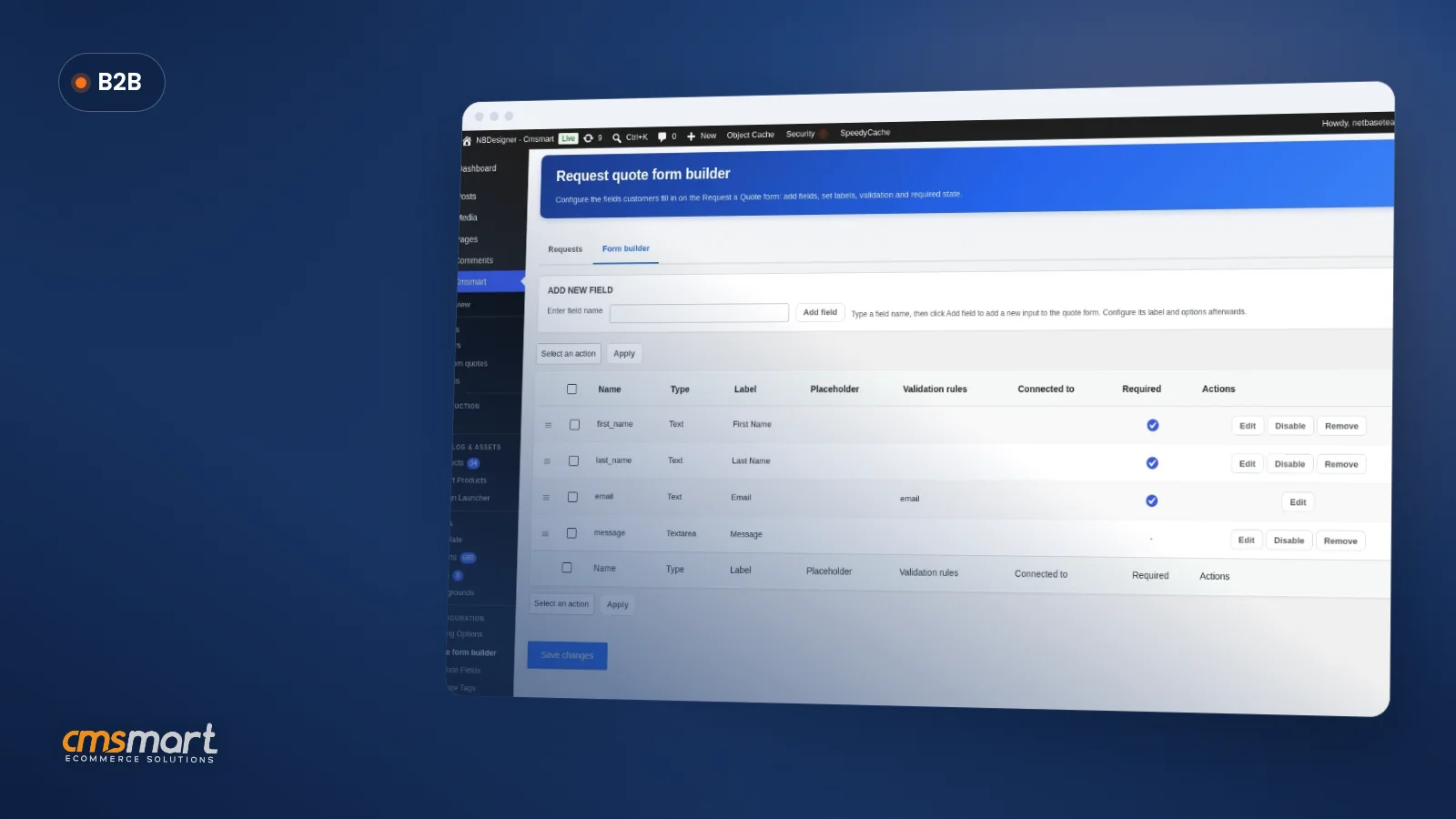
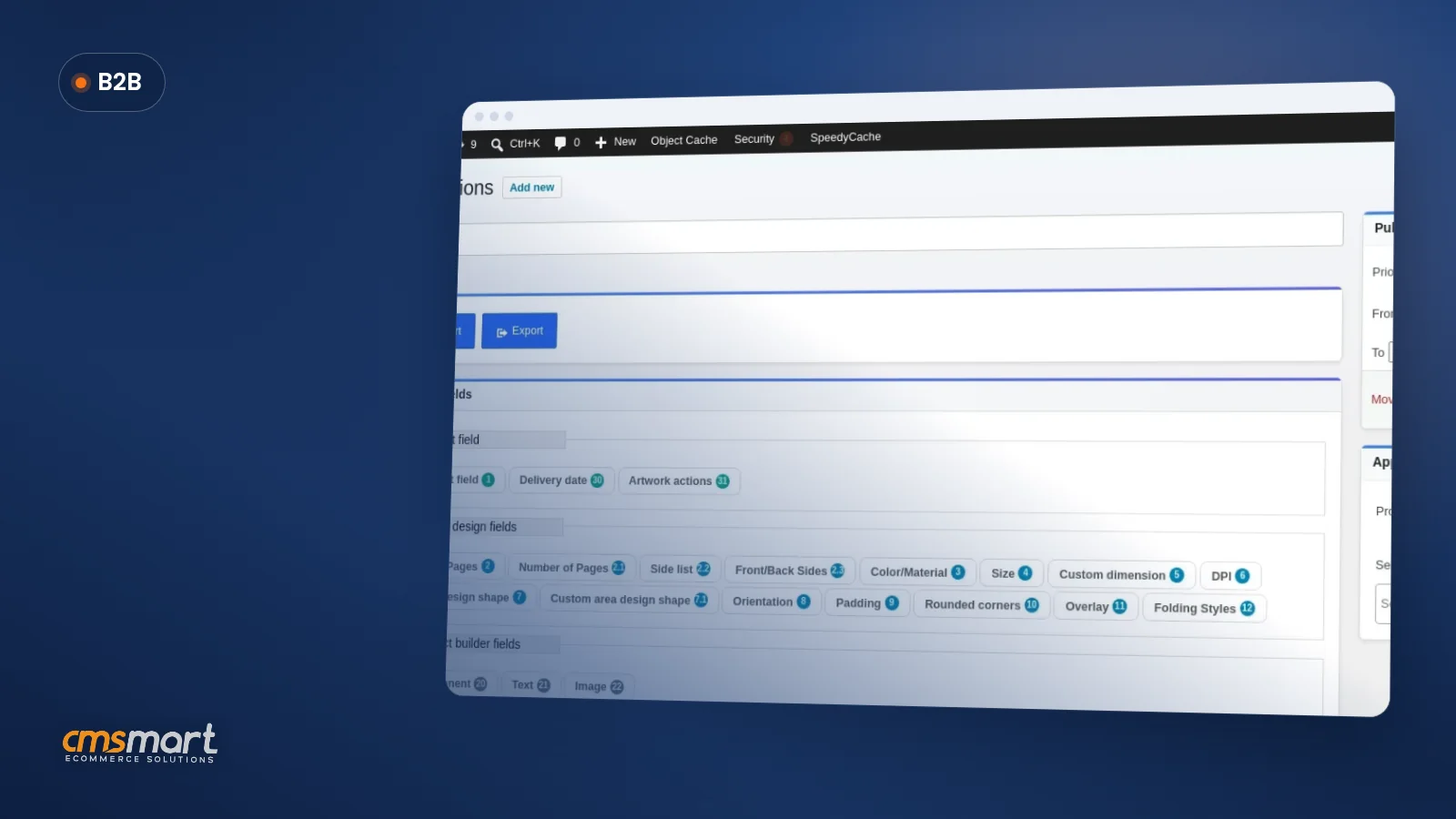


Did you know that multichannel retailers enjoy a staggering 120% higher customer retention rate compared to their single-channel counterparts? This statistic from Shopify illuminates a crucial reality of today's digital marketplace, where business owners strive not only to survive but to thrive among fierce competition. Take the example of GreenTech Innovations, a forward-thinking eco-friendly product retailer based in Canada. Faced with stagnating sales due to their reliance on a single sales channel, they turned to Cmsmart to devise a dynamic multichannel strategy, successfully integrating their WooCommerce store with platforms like Amazon and social media marketplaces. As a result, GreenTech saw a remarkable 300% increase in customer engagement and significantly reduced cart abandonment rates.
But how can you emulate such success? The reality is that managing diverse sales channels and ensuring a seamless customer experience can feel overwhelming. Fortunately, our upcoming tutorial will guide you through the essential steps to unlock the potential of multichannel ecommerce strategies for growth and engagement. From effective inventory management to maintaining consistent branding across platforms, we'll share actionable insights and proven strategies that can elevate your business. Ready to explore the future of online retail? In this tutorial, we’ll delve into practical strategies that align with your business goals while enhancing your market reach.
For more insights, don't forget to check out our resources on effective inventory management strategies and creating a cohesive digital marketing strategy.
Envisioning a Multichannel Ecommerce Future
Envisioning a Multichannel Ecommerce Future: The Future of Online Retail is HereManaging diverse sales channels, integrating inventory across platforms, and ensuring a consistent customer experience can feel overwhelming. Can your current strategy truly harness the full potential of the ecommerce landscape for exceptional growth?
Imagine the Possibilities with Omnichannel Ecommerce
Dream of not just surviving but thriving in the evolving landscape of online retail. In today’s digital marketplace, businesses need to emulate successful multi-channel retail strategies to keep pace. Here are a few statistics to paint the picture:
Actionable Strategies for Your Ecommerce Success
By employing effective strategies, you will not just keep up but lead—in the race for ecommerce dominance!
Conquering Business Pain Points with Multi-Channel Solutions
Many businesses struggle with scaling operations while maintaining quality and ensuring a coherent customer experience. Here’s how to tackle these challenges:Pro Tips:
Utilizing Data Analytics for Enhanced Performance
Understanding market trends through data analytics allows businesses to remain agile and responsive. Implementing data-driven decisions can significantly improve your inventory management processes, leading to higher profits and lower costs. In summary: The future of ecommerce is promising for those willing to embrace a multifaceted approach. By integrating effective multichannel strategies and optimizing inventory management, you pave the way for enhanced customer engagement and operational success. In the next section, we will delve deeper into improving inventory management in online retail—stay tuned!Demystifying Multichannel Ecommerce
Struggling with managing diverse sales channels? Youre not alone.Many businesses encounter challenges in integrating inventory across platforms, ensuring a consistent customer experience, and analyzing market data effectively.
Understanding What Multichannel Ecommerce Means
Multichannel Ecommerce refers to the practice of selling products through multiple channels, such as online marketplaces, social media, and brick-and-mortar stores. This approach enables businesses to reach a broader audience and enhance their sales potential.The Evolution and Significance of Multichannel Ecommerce in Todays Online Retail
The rapid advancement of technology and consumer behavior has made Multichannel Ecommerce a necessity rather than a choice. As of 2023, the global e-commerce market is projected to hit $6.3 trillion, highlighting the significance of diversifying sales strategies.Decoding Multichannel, Omnichannel, and Cross-channel Ecommerce
While these terms are often used interchangeably, they represent different strategies:- Multichannel Ecommerce: Engaging customers through various sales channels without integration.
- Omnichannel Ecommerce: Offering a unified customer experience regardless of the channel.
- Cross-channel Ecommerce: Integrating different channels to provide a cohesive shopping journey.
For further insights, explore our section on effective multichannel ecommerce strategies and tips on improving inventory management in online retail. In summary: Embracing Multichannel Ecommerce is vital for modern businesses to thrive in an increasingly competitive market. Up next, we’ll dive into specific strategies for enhancing customer engagement across multiple platforms.Channeling Success: Key Facets of Multichannel Retailing
Struggling to manage your diverse sales channels? You’re not alone.Many businesses grapple with the complexities of multichannel retailing, faced with challenges such as integrating inventory across platforms, ensuring a consistent customer experience, and analyzing market data effectively.
What is Multichannel Retailing?
Multichannel retailing involves selling products through various channels, including online marketplaces, brick-and-mortar stores, and social media. This strategy allows businesses to reach customers where they are, making shopping more convenient and accessible. By offering a variety of touchpoints, brands can enhance customer satisfaction and drive sales.Exploring the Advantages of Implementing Multichannel Ecommerce
Implementing multichannel ecommerce can significantly boost your business performance. Here are some compelling advantages:Case Studies: Successful Multichannel Ecommerce Stores
Examining successful multichannel businesses reveals best practices and strategies that can benefit your own ecommerce ventures. Here are a couple of notable examples:Actionable Tips for Multichannel Retail Success
To make the most of your multichannel retail efforts, consider these expert strategies:- Integrate your inventory system: Use ecommerce solutions that sync inventory in real-time across all channels.
- Maintain a unified brand voice: Ensure your marketing techniques align for a consistent customer experience.
- Analyze channel performance: Leverage data analytics to understand what works best for each channel.
- Focus on customer engagement: Implement strategies to enhance customer interactions across all platforms.
In Summary: By embracing a multichannel retail strategy, your business can effectively reach a larger audience and enhance operational efficiency. In the following section, we will delve deeper into effective multichannel ecommerce strategies that can elevate your business to new heights. Additionally, well discuss improving inventory management in online retail, strategies for enhancing customer engagement, and choosing the right sales channels.The Inventory Puzzle: Streamlining Inventory Across Channels
Are you struggling to manage your inventory across multiple sales channels? You’re not alone.Many eCommerce businesses face the challenge of ensuring consistent stock levels while trying to provide an excellent customer experience. The key to success lies in efficient inventory management in your multichannel eCommerce setup.
Importance of Efficient Inventory Management in Multichannel Ecommerce
Managing inventory effectively is crucial for maintaining customer satisfaction and optimizing sales. Here’s why it matters:Tools and Techniques for Effective Inventory Integration Across Platforms
To streamline inventory across various channels, consider implementing these effective tools and techniques:Overcoming Common Inventory Management Problems in Multichannel Retail
Business owners often encounter these common challenges during inventory management:- Difficulty in real-time stock visibility across platforms.
- Inconsistent customer experience due to stock discrepancies.
- Complexity in forecasting demand effectively across multiple sales channels.
By recognizing these issues as opportunities for improvement, retailers can develop robust solutions that align with their business strategies. In conclusion, effective inventory management in your multichannel eCommerce setup is essential for driving sales and maintaining customer loyalty. By leveraging technology and implementing best practices, you can overcome common challenges and optimize your operations. For more actionable strategies, consider reading about improving inventory management in online retail and effective multichannel eCommerce strategies next.The Customer Loyalty Matrix: Enhancing Engagement across Channels
Struggling to engage customers across multiple sales channels? You’re not alone.Managing diverse sales channels, integrating inventory across platforms, and ensuring a consistent customer experience are common pain points in today’s competitive landscape.
Why Customer Engagement is Crucial in Multichannel Ecommerce
Engaging customers effectively across various channels can significantly enhance their experience and loyalty. According to recent studies, brands that engage in omnichannel marketing see a 10% increase in customer retention compared to those that don’t. This indicates the importance of a seamless and integrated approach to customer interactions.
Best Practices for Enhancing Customer Engagement across Channels
Measuring Customer Engagement in Cross-channel Ecommerce
To effectively monitor customer engagement, consider implementing the following metrics:
- Conversion Rates: Track how often customer interactions lead to sales.
- Customer Feedback: Collect and analyze reviews and feedback regularly.
- Social Engagement: Measure likes, shares, and comments on social media.
- Website Analytics: Use tools like Google Analytics to track customer journeys across channels.
In summary: By focusing on engaging your customers across multiple channels, you not only enhance their shopping experience but also build lasting loyalty. For further insights, explore our guides on effective multichannel ecommerce strategies and improving inventory management in online retail. Next, let’s dive into strategies for enhancing customer engagement!Big Data Boom: Leveraging Data Analytics in Ecommerce
Struggling to manage your diverse sales channels effectively? You’re not alone.Many eCommerce businesses face the pain points of integrating their inventory across platforms while ensuring a consistent customer experience. Additionally, analyzing market data efficiently and scaling operations while maintaining quality can be challenging.
Understanding the Role of Data Analytics in Ecommerce
Data analytics plays a crucial role in the world of eCommerce, helping businesses navigate through the complexities of cross-channel selling. By leveraging data, online retailers can make informed decisions that enhance operations and improve customer satisfaction. Here are some vital aspects of data analytics in eCommerce:How to Effectively Implement Data Analytics in Your Ecommerce Strategy
To harness the power of data analytics, online retailers can adopt the following actionable strategies:Examples of Successful Data-Driven Ecommerce Brands
Several brands have successfully leveraged data analytics to boost their performance. For instance: - Amazon utilizes extensive customer data to drive personalized recommendations, resulting in higher conversion rates. - Zalando, an online fashion retailer, analyzes shopper behavior to optimize inventory and improve product recommendations. In summary: Effectively integrating data analytics into your eCommerce strategy can streamline operations, enhance customer experiences, and drive sales growth. By understanding the role of data analytics, implementing effective strategies, and learning from successful brands, you can unlock significant potential for your online store. Next, let’s explore effective multichannel eCommerce strategies to further enhance your retail success.Scalability in Action: Growing Your Multichannel Ecommerce Business
Managing multiple sales channels and keeping your customer experience seamless can be a daunting challenge.If youre an ecommerce entrepreneur or a business aiming to grow your online presence, the pressure to ensure consistent inventory and sales experiences across diverse platforms can be overwhelming.
What Does it Mean to Scale an Ecommerce Business?
Scaling your ecommerce business means expanding your reach while maintaining or enhancing the quality of your product and customer service. This can involve:Methods for Scaling Your Multichannel Retail Business
To grow your multichannel retail effectively, consider the following approaches:Potential Challenges and Solutions in Scaling Multichannel Ecommerce Operations
Scaling your ecommerce operations comes with its own set of challenges, including:- Complexity in managing inventory across platforms.
- Ensuring consistent customer experiences across channels.
- Analyzing market data effectively for informed decision-making.
- Aligning marketing techniques to unify your brand message.
To overcome these challenges:- Invest in reliable ecommerce solutions that can handle multiple sales channels.
- Regularly train your team on the latest ecommerce strategies and customer engagement techniques.
- Continuously analyze your data to refine your strategies and improve customer experiences.
In summary: Scaling your multichannel ecommerce business requires strategic insights, advanced techniques, and continuous adaptation. For more guidance on effective strategies, delve into effective multichannel ecommerce strategies, enhancing customer engagement, and how to improve inventory management without compromising on quality. Next, we will explore advanced data analytics for ecommerce and its role in your growth journey.Multi-pronged Marketing: Aligning Techniques across Channels
Managing diverse sales channels can be a daunting task for any e-commerce business.Many entrepreneurs struggle with ensuring a seamless integration of inventory, maintaining consistent customer experiences, and effectively analyzing market data across platforms.
Knowing Your Marketing Channels: Strengths and Weaknesses
In todays dynamic landscape, understanding the strengths and weaknesses of various marketing channels is critical. Here’s what to consider:Strategies for Aligning Marketing Techniques Across Channels
Integrating strategies effectively across channels maximizes your marketing impact. Here are some actionable tips:The Role of Cross-Channel Marketing in Building a Cohesive Brand
Cross-channel marketing enhances brand recognition and customer loyalty. When customers experience a unified brand message, their trust grows, leading to higher conversion rates. In summary: Aligning your marketing strategies across multiple channels is vital for success in a competitive environment. By knowing your channels, developing consistent approaches, and leveraging customer insights, you can enhance your overall e-commerce strategy. Next, we’ll dive into effective multichannel eCommerce strategies that will set the foundation for your growing retail success!Frequently Asked Questions
Managing multiple sales channels can be a daunting task for any online retailer.Finding the right strategies to integrate inventory, maintain a consistent customer experience, and analyze data effectively is crucial for success in todays competitive market.
Frequently Asked Questions About Multichannel Ecommerce
1. What is Multichannel Ecommerce?
Multichannel ecommerce refers to selling products through various platforms, such as your website, social media, and marketplaces like Amazon or eBay. This approach helps businesses reach a wider audience.
2. How can I ensure consistent customer experience across different channels?
3. How do I manage inventory effectively in a multichannel setup?
Integrating an inventory management system can streamline this process. Consider using software that updates stock levels in real-time across all platforms.
4. What are the common challenges of cross-channel ecommerce?
5. How can I scale my multichannel business without sacrificing quality?
Focus on automating processes, training your staff on best practices, and regularly assessing your operations for potential improvements.
6. What strategies can improve customer engagement across channels?
7. How do I choose the right sales channels for my products?
Analyze your target audiences shopping habits to determine the best channels. Tools like Google Analytics can provide insight into where your traffic is coming from.
8. What data analytics tools should I use for ecommerce?
Consider using platforms like Google Analytics, SEMrush, or specialized ecommerce solutions like Shopify Analytics. They can help track customer behavior and sales performance across channels.
In summary: By addressing these common questions and implementing effective multichannel ecommerce strategies, you can enhance your overall online retail success. Next, let’s delve into improving inventory management in online retail for sustained growth.FAQ Section: Troubleshooting and Pro Tips
What is multichannel ecommerce?
Multichannel ecommerce involves selling across various platforms, including online stores and marketplaces.
How to integrate inventory across multiple sales channels?
Utilize inventory management software to synchronize stock levels seamlessly, minimizing overselling.
Why is a consistent customer experience important?
A consistent experience builds trust and loyalty, leading to higher retention rates across different sales channels.
What are effective ways to analyze market data?
Employ analytics tools to track consumer behavior, sales trends, and channel performance for data-driven decisions.
How can I scale operations while maintaining quality?
Implement automated systems and standardized procedures to enhance efficiency without compromising on service quality.
What marketing techniques should be aligned across channels?
Ensure cohesive messaging and branding, coupled with targeted promotions that resonate with your audience on all platforms.
Further Reading
In this tutorial, we’ve explored the vital importance of multichannel ecommerce strategies that not only elevate customer engagement but also drive significant growth. By effectively managing your diverse sales channels and ensuring integration, you can unlock the full potential of your ecommerce offerings. The statistics speak for themselves—a robust multichannel approach can lead to a remarkable boost in customer retention. Ready to transform your strategy and thrive in today’s competitive landscape? Don’t hesitate to reach out for a personalized consultation with David, our CEO, via WhatsApp at this link. You can also email our Ecommerce Project Consultant at [email protected] or request a quotation by visiting this page. Let’s discuss how we can help you implement these transformative strategies!