
Guide · WooCommerce
Website Design and Development: How They Work Together
See how website design and development work as one build in a real WooCommerce store, then get a custom development quote from Cmsmart.
Explore expert ecommerce marketing strategies to boost your online store's visibility and drive sales. Learn how innovative solutions can enhance your digital presence, optimize operations, and maximize revenue potential.
Table of contents
Was this tutorial helpful?
Written by
Cmsmart Ecommerce Growth & Trends Analyst
Tracks ecommerce trends and turns them into practical moves for growing stores.
The team behind it
 Account Manager
 Project Manager
 Business Analyst
 Developers & QA
Guide · WooCommerce
See how website design and development work as one build in a real WooCommerce store, then get a custom development quote from Cmsmart.
Guide · Web-to-print
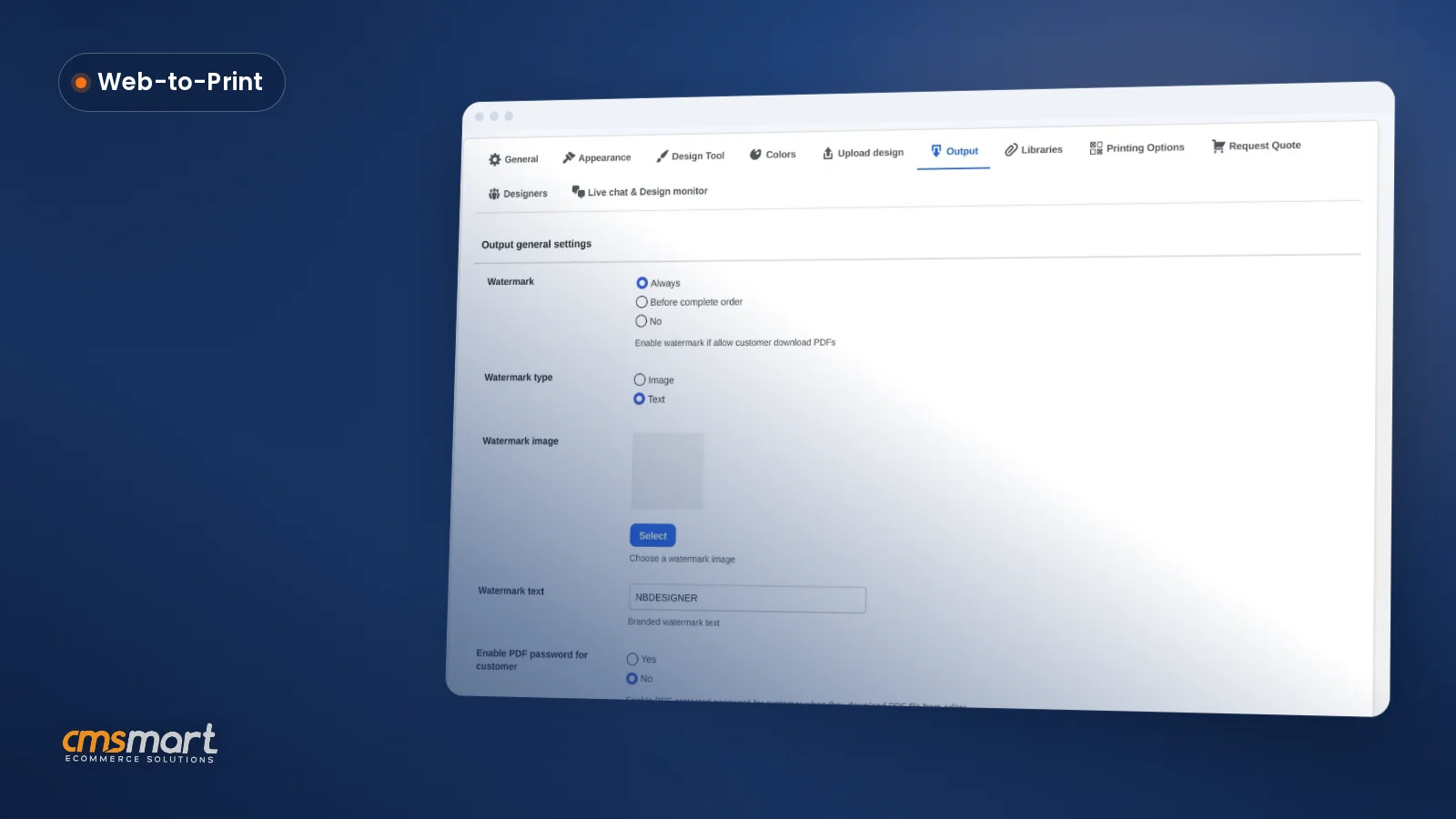
See what the print ready PDF output settings WooCommerce screen controls — watermark, password, bleed, FTP sync — and configure yours today.
Case study · AI
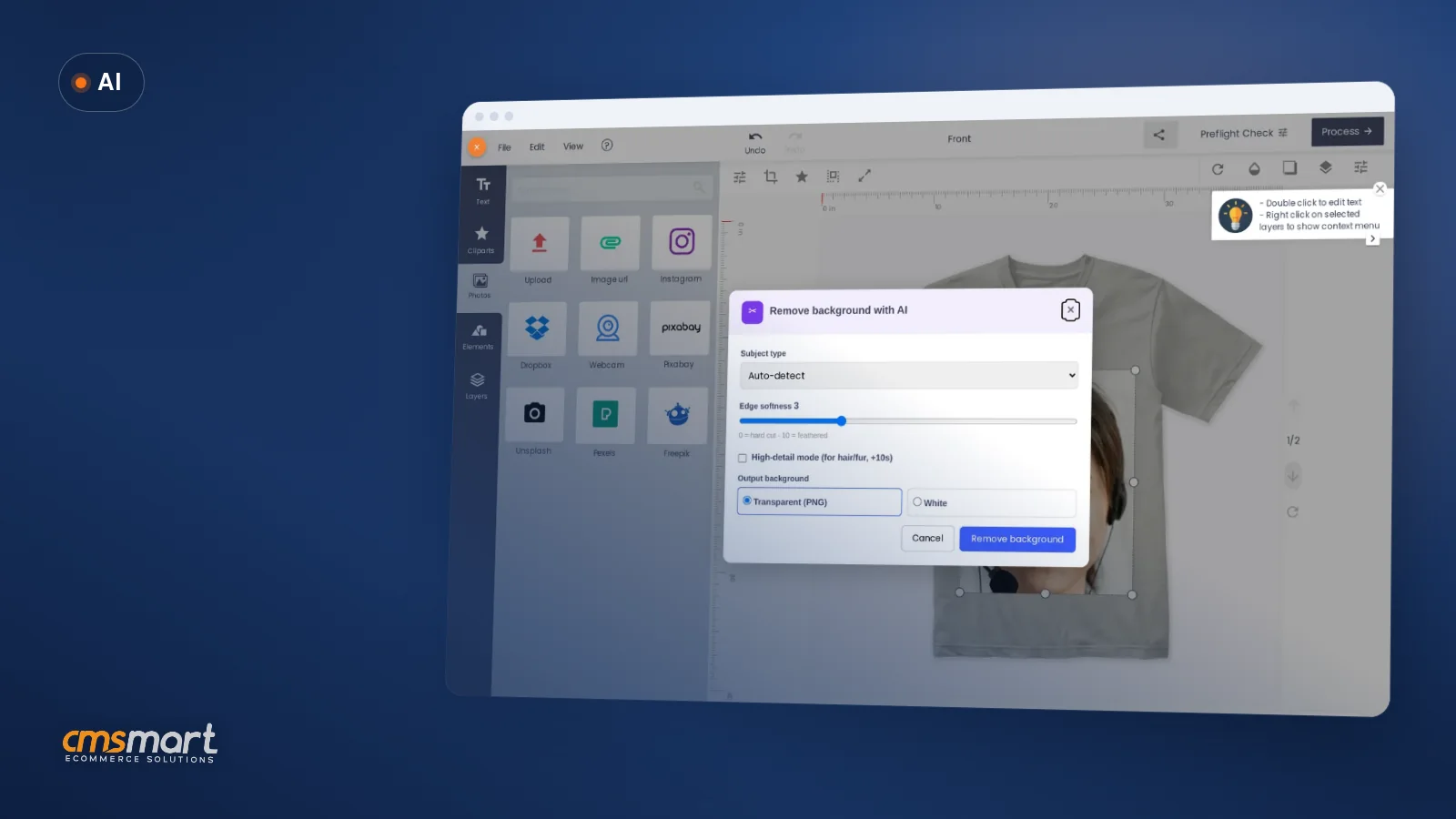
Add an AI background remover for WooCommerce to your product designer so buyers get a clean cutout instantly, and see how Cmsmart builds the rest for...
Browse more guides, tutorials and case studies from the Cmsmart community.
Unlock the Power of Mobile Commerce: Propel Your Business Forward
Read MoreDiscover how to harness mobile commerce to enhance your business growth. Learn strategies for optimizing the mobile shopping experience and increasing consumer engagement.
Read MoreDiscover the benefits of mobile commerce and how it can transform your business. Learn effective strategies for maximizing sales and customer engagement through mobile-optimized shopping experiences.
Read More
Cmsmart Ecommerce provides custom ecommerce and WooCommerce development services for web-to-print, product personalization, plugin support and API integration.
Cmsmart Ecommerce Growth & Trends Analyst
Tracks ecommerce trends and turns them into practical moves for growing stores.
Meet the team →




Did you know that eCommerce is expected to exceed a staggering $8 trillion by 2026, according to Statista? This alarming growth presents immense opportunities but also highlights numerous challenges that online store owners must navigate. Take the case of Jessica from Canada, an owner of a thriving artisan candle business. Jessica struggled with inconsistent messaging and fragmented customer experiences, which hindered her brand's ability to connect effectively across multiple digital platforms. It wasn't until she implemented innovative eCommerce marketing strategies, with the guidance of Cmsmart’s expert solutions, that her brand began to flourish, resulting in a remarkable 40% increase in sales within just six months.
As more businesses like Jessica's strive for online success, mastering eCommerce marketing has become essential. Whether it's ensuring coherent brand messaging across channels or optimizing customer interactions through seamless platform integration, understanding these nuances can be a game-changer. At Cmsmart, we’ve developed cutting-edge strategies and tools tailored to address these exact pain points, enabling businesses to harness the power of eCommerce marketing effectively. Discover how to leverage these insights and propel your online store to new heights. In this tutorial, we will delve deeper into innovative strategies that can enhance your store's visibility and drive sales to ensure your eCommerce venture is as successful as possible.
Power of Ecommerce Marketing
Inconsistent messaging across channels, disconnected customer experiences, difficulty in achieving a seamless brand experience, and challenges in integrating multiple platforms can be daunting.Imagine elevating your brands reach and revenue by effectively harnessing the power of eCommerce marketing? This transformation is within reach by addressing common business pain points such as inconsistent messaging and fragmented customer experiences.
Harnessing Ecommerce Marketing Strategies
The power of eCommerce marketing is undeniable, with digital platforms offering unprecedented opportunities for Retail Marketing, Digital Marketing, and Customer Interaction. Here’s how you can effectively leverage these opportunities:
Creating Immersive Brand Experiences
An effective Channel Strategy focuses on creating seamless Brand Experiences for customers. Important aspects include:
Understanding How does omnichannel marketing work? is crucial for delivering enhanced customer experiences and improving brand messaging consistency.
In summary: By strategically applying these eCommerce marketing tactics, businesses can overcome challenges and transform their online presence. Next, let’s delve into innovative ways of Enhancing customer experience in e-commerce for sustainable growth.Demystifying Ecommerce Marketing
Facing inconsistent messaging across channels and disconnected customer experiences?These are common challenges businesses encounter in achieving a seamless brand experience and integrating multiple platforms.
Definition and Importance of Ecommerce Marketing
Ecommerce marketing involves using promotional tactics to drive traffic to your online store, converting that traffic into paying customers, and retaining those customers post-purchase. Its a critical component of ensuring that your brand not only reaches the right audience but also speaks to them in a way that resonates and prompts action.
Overview of Retail Marketing, Digital Marketing, and Online Marketing
Retail marketing traditionally focuses on promoting sales in physical stores, whereas digital marketing encompasses a wider array of online and offline channels, including social media and email campaigns. Online marketing, being a subset of digital marketing, specifically deals with strategies to promote products or services over the internet.
Role of Customer Interaction in Ecommerce Marketing
Customer interaction is at the heart of ecommerce marketing as it builds loyalty and boosts conversions. Effective interaction channels, such as live chat, reviews, and social media engagement, provide a means to gather feedback, address concerns, and enhance customer satisfaction.
In summary: Developing an integrated ecommerce marketing strategy that leverages retail, digital, and online platforms is essential for cohesive brand messaging and improved customer experiences. In the next section, we will delve into the importance of multichannel marketing and how to leverage it effectively.Exploring Multichannel Marketing
Struggling with inconsistent messaging across channels?Youre not alone. Many businesses face challenges like disconnected customer experiences and difficulty in achieving a seamless brand image across multiple platforms.
What is Multichannel Marketing?
Multichannel marketing is a strategic approach where businesses engage customers through multiple platforms such as retail marketing, digital marketing, and online marketing to ensure their brand reaches a broad audience. It involves the integration of various marketing channels to provide a cohesive brand experience.
Benefits and Challenges of Multichannel Marketing
Implementing a multichannel strategy provides numerous benefits:
- Increased customer engagement and loyalty
- Broader audience reach through diverse platforms
- Enhanced data collection for personalized marketing
However, it also poses challenges like maintaining consistent brand messaging and the complexity of channel strategy integration.Navigating Customer Interaction and Brand Messaging in Multichannel Marketing Platforms
Achieving effective customer interaction across multichannel marketing platforms requires a well-coordinated approach:
In summary, mastering multichannel marketing involves overcoming the hurdles of inconsistent messaging and disconnected customer interactions, leading to a more unified brand experience. As we move forward, well delve into the nuances of omnichannel marketing and how it contrasts with and complements multichannel strategies.
What is multichannel marketing?How does omnichannel marketing work?
Differences between multichannel and omnichannel
Improving brand messaging consistency
Enhancing customer experience in ecommerce
Unveiling Omnichannel Marketing
Are you finding it challenging to provide consistent messaging across channels?In todays rapidly evolving digital landscape, many businesses struggle with creating disconnected customer experiences and achieving a seamless brand experience through multiple platform integrations.
Understanding Omnichannel Marketing
Omnichannel marketing is a holistic approach that focuses on creating a seamless customer interaction experience across all marketing channels. Unlike multichannel marketing, which operates in silos, omnichannel marketing integrates various retail and digital marketing channels to provide a unified brand experience.
The Importance of Omnichannel Marketing in Ecommerce
Integrating omnichannel marketing in ecommerce is vital for boosting your brands credibility and sales. It helps in breaking down the barriers between purchasing platforms, enabling customers to experience your brand uniformly across their digital journey.
How Omnichannel Marketing Enhances Customer Experience and Boosts Brand Experience
With the right omnichannel marketing strategy, you can significantly enhance customer experience and brand loyalty by addressing key consumer demands. Here’s how it creates a favorable impact:
For a deep dive into the intricacies of omnichannel marketing, explore our guides on What is multichannel marketing?, How does omnichannel marketing work?, and Differences between multichannel and omnichannel.
Conclusion: A well-executed omnichannel strategy can be a game-changer for any ecommerce business, paving the way to a consistent and enriched brand experience. In the next section, well discuss how improving brand messaging consistency can further enhance customer experience in ecommerce contexts.Transition from Multichannel to Omnichannel Marketing
Is your brand struggling to deliver a consistent message across various marketing channels? Youre not alone.Many businesses find it challenging to offer a seamless brand experience due to disconnected customer interactions and difficulties in platform integration.
Comparing Multichannel and Omnichannel Marketing
While both multichannel and omnichannel strategies involve engaging with customers through various marketing channels, there is a significant difference in execution and outcomes. Multichannel marketing focuses on maximizing the effectiveness of each channel independently. In contrast, omnichannel marketing aims to provide a unified and seamless customer experience across all platforms.
The Process of Migrating from Multichannel to Omnichannel
Transitioning to an omnichannel marketing strategy requires a thoughtful approach:
Challenges in Platform Integration While Transitioning to Omnichannel
Integrating multiple platforms can pose significant challenges during this transition:
In summary, shifting from a multichannel approach to omnichannel marketing can significantly enhance brand messaging, customer experience, and customer loyalty. Ready to explore deeper insights on improving brand messaging consistency and enhancing customer experience in ecommerce?
Further Reading
Strategies for Effective Ecommerce Marketing
Inconsistent Messaging Across Channels Drains Your Brand PowerMany businesses struggle to maintain a cohesive brand presence, leading to confused customers and diminished loyalty.
Tips to Improve Customer Experience in Ecommerce
Improving the customer experience is crucial for eCommerce success. Ensuring seamless interactions and satisfaction can foster loyalty and boost sales.
Enhancing Brand Messaging Consistency Across Marketing Channels
A unified brand message helps build trust and recognition among your audience. This includes maintaining consistent tone and visuals across all touchpoints.
Strategies for Integrating Multichannel and Omnichannel Platforms
To deliver a seamless shopping experience, integrating multichannel and omnichannel strategies is essential.
In summary, leveraging these strategies can significantly improve your eCommerce marketing effectiveness. Delve deeper into understanding What is multichannel marketing?, How does omnichannel marketing work?, and the Differences between multichannel and omnichannel. Next, let’s explore advanced techniques for improving brand messaging consistency and customer experiences in ecommerce day operations.
Success Stories in Ecommerce Marketing
Are you finding it hard to ensure seamless brand experience and connected customer interactions across your eCommerce platforms?Case Study: Success of Omnichannel Marketing in Ecommerce
Omnichannel marketing has revolutionized how businesses connect with their audience. By integrating various marketing channels, businesses can provide a unified shopping experience. For instance, using both online platforms and physical stores, ensures that customers have a smooth and consistent experience no matter where they interact with your brand.
Explore more on How does omnichannel marketing work?
Impact of Effective Brand Messaging on Customer Experience
When businesses communicate effectively, they leverage their brand message to resonate with customers. Consistent brand messaging enhances trust and loyalty, ensuring customers receive the same message across all platforms.
For further strategies, delve into Enhancing customer experience in ecommerce.
Case Study: Multichannel Strategy Leading to Ecommerce Success
Adopting a multichannel strategy allows businesses to amplify their reach and engage with a broader audience. This approach leverages different channels, from social media to email marketing, to provide a comprehensive shopping encounter.
Learn more about What is multichannel marketing?
In summary: Embracing integrated marketing strategies can significantly impact your eCommerce businesss success. Ready to take the next step? Discover the Differences between multichannel and omnichannel in our next section, and position your brand for long-term growth.
Trends and Future Perspectives in Ecommerce Marketing
Inconsistent messaging across channels, disconnected customer experiences, and challenges in integrating multiple platforms are often at the forefront of eCommerce business frustrations.Addressing these issues is crucial for any business looking to stay ahead in the rapidly evolving digital marketplace. Let’s delve into the current trends and future perspectives of eCommerce marketing to equip your business for future success.
Current Trends in Ecommerce Marketing
The landscape of eCommerce is constantly shifting, driven by technology and shifting consumer behaviors. Key trends shaping the future of retail marketing include:
For more intriguing insights, explore our guide on eCommerce Marketing Tools.
Future of Multichannel and Omnichannel Marketing
As the lines blur between online and offline experiences, multichannel and omnichannel strategies become crucial for any retail strategy:
Understanding the differences between multichannel and omnichannel marketing can provide a competitive edge.
How to Future-Proof Your Ecommerce with Marketing Strategies
To sustain growth and remain competitive, eCommerce businesses must adapt their marketing strategies proactively:
Explore more on enhancing customer experience in eCommerce for tailored strategies.
Summary: By aligning your brand messaging, adapting to market changes, and utilizing advanced marketing strategies, your eCommerce business can thrive in a competitive landscape. Next, let’s dive into understanding the pivotal role of eCommerce platforms in enhancing business efficiency.Frequently Asked Questions
Facing challenges with inconsistent messaging across channels?Many businesses struggle to deliver a seamless brand experience across diverse e-commerce platforms. This disconnect not only impacts customer satisfaction but also hinders overall brand growth. Lets delve into some common questions around E-commerce Marketing, Multichannel, and Omnichannel Marketing that can help enhance your strategies.
Whats the difference between multichannel and omnichannel marketing?
Multichannel marketing refers to using various platforms independent of each other to communicate with customers, while omnichannel marketing aims to create a unified experience across all channels. Consider integrating tools for platform integration to enhance your brand visibility and customer interaction.
How can ecommerce businesses improve their brand messaging consistency?
What are some effective multichannel marketing strategies?
To leverage multichannel marketing:
How can I enhance customer experience in ecommerce?
Enhancing customer experience involves creating a seamless navigation through personalization and functionality. Invest in tools that provide multi-store functionalities and personalized customer interaction options.
In summary: Overcoming challenges in ecommerce requires a strategic approach to messaging, customer interaction, and platform integration. Next up, explore ways to enhance customer engagement through advanced technological integrations.FAQ Section: Troubleshooting and Pro Tips
How can I achieve seamless brand messaging across multiple channels?
Utilize a centralized platform to synchronize content, promotions, and customer interactions for a uniform brand experience.
What are the challenges of integrating multiple ecommerce platforms?
Common difficulties include data synchronization issues, inconsistent user interfaces, and managing different system requirements.
How can I enhance customer experiences to avoid disconnection?
Implement personalized shopping features and integrated customer data to provide a continuous and engaging customer journey.
What strategies can help overcome inconsistent messaging across ecommerce channels?
Adopt omni-channel selling strategies and consistent branding guidelines to ensure coherent communication.
How can I ensure a seamless brand experience online?
Integrate design tools and marketing automation to consistently reflect your brand across all digital touchpoints.
How do I simplify the integration of multiple platforms for my ecommerce business?
Use APIs and middleware solutions that enable seamless connectivity and data flow between different ecommerce systems.
What tools assist in maintaining a cohesive customer experience across platforms?
Utilize multi-channel integration tools and customer relationship management systems to streamline interactions and communications.
In this tutorial, we’ve uncovered the power of eCommerce marketing and how to transform your online store through effective strategies and innovative solutions. By addressing pain points like inconsistent messaging and fragmented experiences, you can create a cohesive brand journey that captivates customers and drives sales. Now is the time to elevate your brand’s reach and revenue by implementing the techniques discussed today. Let’s discuss how we can help you implement these strategies effectively. Connect with David, our CEO, via WhatsApp at this link, or drop an email to our eCommerce Project Consultant at project@cmsmart.net. For tailored solutions, feel free to request a quotation. Join me in transforming your store today!