

Guide · B2B
WooCommerce Amazon Etsy Sync: Stock and Orders
WooCommerce Amazon Etsy sync guide: keep stock and orders right across channels, avoid overselling, and get a custom integration quote.
Discover the benefits of an Enterprise Content Marketplace designed for scalable growth, streamlined operations, and increased profitability. Our solution integrates seamlessly with your existing infrastructure to enhance content distribution and management effectively.
Table of contents
Was this tutorial helpful?
Written by
Cmsmart B2B Commerce & Operations Consultant
Designs B2B ordering, marketplaces and the operations behind them.
The team behind it
 Account Manager
 Project Manager
 Business Analyst
 Developers & QA
Guide · B2B
WooCommerce Amazon Etsy sync guide: keep stock and orders right across channels, avoid overselling, and get a custom integration quote.
Guide · B2B
Set up a WooCommerce request a quote B2B workflow: price matrix, approval, and one-click conversion to order. Plan yours today.
Guide · B2B
WooCommerce B2B pricing: give wholesale buyers tiered prices, customer groups and account approval. See what the plugin does today and get a custom qu...
Browse more guides, tutorials and case studies from the Cmsmart community.
Unlock the Power of Mobile Commerce: Propel Your Business Forward
Read MoreDiscover how to harness mobile commerce to enhance your business growth. Learn strategies for optimizing the mobile shopping experience and increasing consumer engagement.
Read MoreDiscover the benefits of mobile commerce and how it can transform your business. Learn effective strategies for maximizing sales and customer engagement through mobile-optimized shopping experiences.
Read More
Cmsmart Ecommerce provides custom ecommerce and WooCommerce development services for web-to-print, product personalization, plugin support and API integration.
Cmsmart B2B Commerce & Operations Consultant
Designs B2B ordering, marketplaces and the operations behind them.
Meet the team →
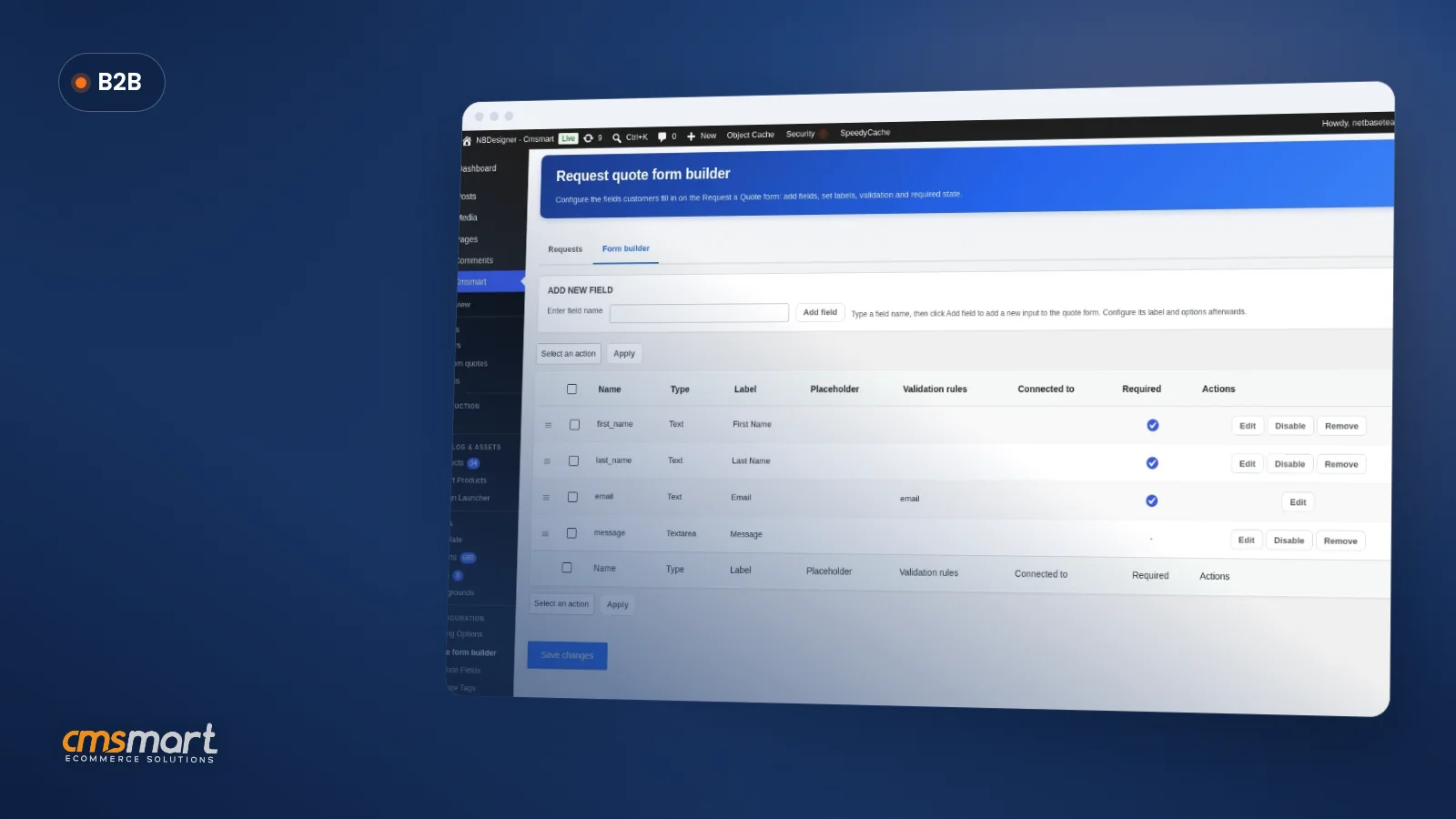
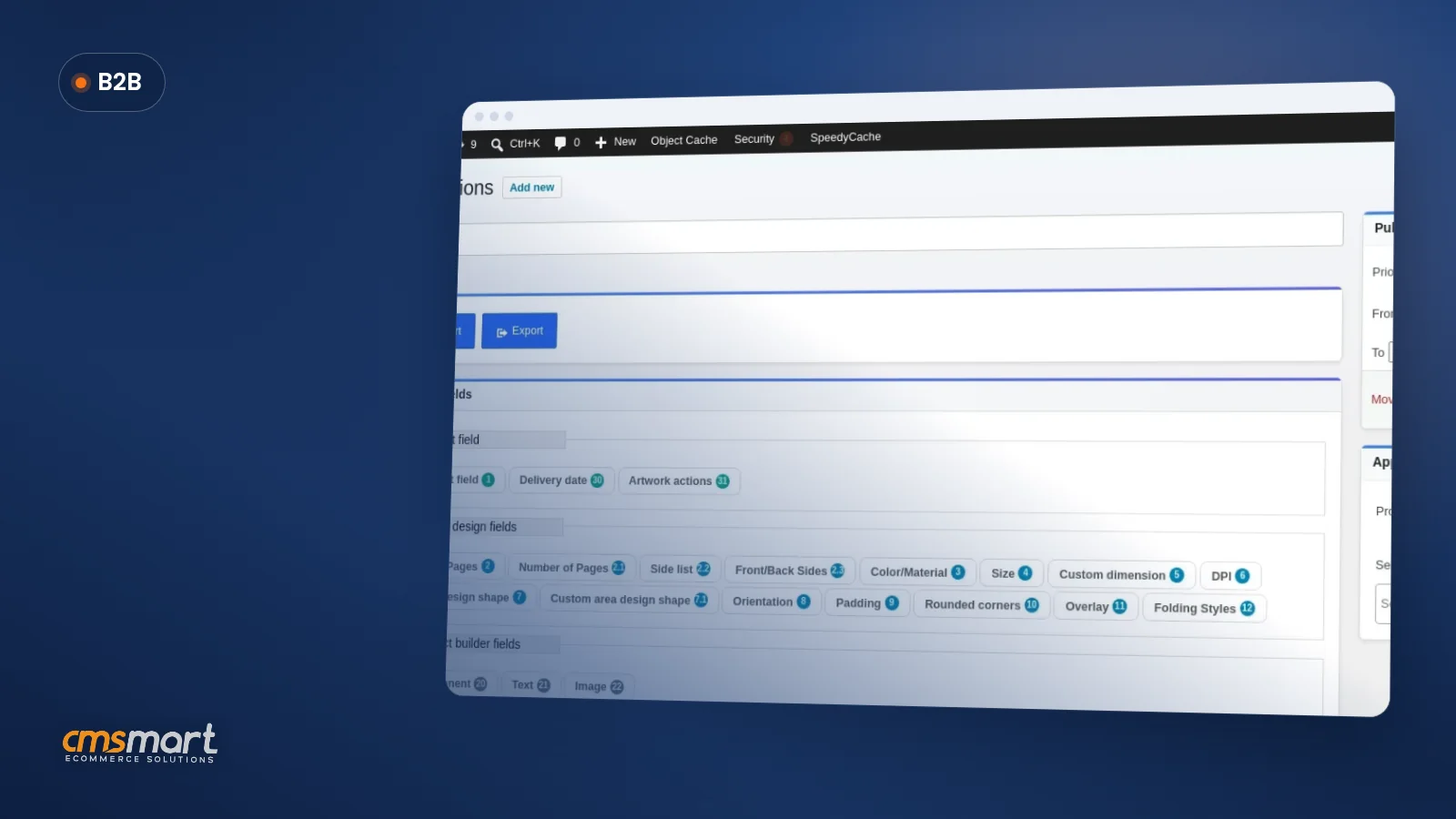


In an era where the corporate digital learning market is on track to skyrocket to $38 billion by 2027, businesses must rethink their approach to training and content management. Consider the case of TechNova, a leading tech startup in Vietnam that struggled with outdated learning management systems, leading to stagnated employee productivity and onboarding inefficiencies. After integrating Cmsmart’s Enterprise Content Marketplace, they centralized their training materials into a sleek, Netflix-like digital hub, increasing their training effectiveness by over 30% within months. This transformation not only empowered TechNova to streamline their training programs but also fueled their scalable growth ambitions.
With the need for accessible and engaging training content at an all-time high, developing a unified digital content hub is essential for driving engagement and optimizing employee development. By centralizing all training resources, businesses can cater to diverse learning styles while ensuring a seamless user experience. Discover how a digital marketplace can significantly enhance your operational efficiency. In this tutorial, we’ll explore the dynamics of implementing an Enterprise Content Marketplace solution that not only simplifies content management but also ignites scalable growth.
Imagine a central, on-demand
Imagine a central, on-demand Netflix-like marketplace for your enterprise learning content.In todays fast-paced business environment, the lack of centralized training content and outdated learning management systems can stifle growth and innovation. An all-in-one digital content hub, providing a seamless, engaging user experience, is essential for driving engagement and monetizing training programs effectively.
Transform Learning with a Unified Content Marketplace
Integrate Learning with Ease
Simplifying the process by centralizing and streamlining training content allows enterprises to efficiently manage and distribute educational materials. This consolidation reduces the complexity of content management and delivery, driving user retention and engagement. In Summary: Adopting a centralized, on-demand content marketplace improves user engagement and monetizes your training content effectively, setting the stage for business growth. Future-proof your enterprise learning with advanced digital solutions that meet the demands of modern learners. Next, lets delve into optimizing user experience in learning platforms to maximize your investment. For more resources, explore our guides on components of a successful ECM, centralize and streamline training content, and modern learning platform interfaces.Understanding Enterprise Content Marketplace
Are you overwhelmed by the chaos of scattered training content and outdated learning interfaces?Most businesses struggle with a lack of centralized training content, which is exacerbated by outdated learning management system interfaces, resulting in suboptimal user engagement and retention.
Definition of Enterprise Content Marketplace (ECM)
The Enterprise Content Marketplace (ECM) is a centralized digital hub where organizations can manage and distribute training content seamlessly across multiple platforms. Think of it as a digital content hub where learning resources converge to offer a netflix-like experience tailored for modern training needs.
The Evolution of ECM and Its Role in Training Delivery
Over the years, ECM has evolved significantly. Initially, it was merely a repository for digital learning content. Today, it acts as the backbone of training delivery, enabling the efficient management of learning content while enhancing user experience. A well-implemented ECM can resolve the common issues of outdated interfaces and difficulty in monetizing training content.
Familiarizing with ECM Terminologies: Content Marketplace, Digital Content Hub, etc.
Understanding key terms is crucial as you dive into ECM. Here are some essential terminologies:
Learn about components of a successful ECM and how they can aid in optimizing user experience in learning platforms.
In summary, leveraging an Enterprise Content Marketplace not only resolves the pain points of decentralized training content and outdated interfaces but also fosters a dynamic learning environment. Next, let’s explore modern learning platform interfaces that enhance training delivery.
For those interested in a deeper dive, check out our guides on centralizing and streamlining training content or our comprehensive discussion on modern learning platform interfaces.The Transformative Power of Subscription-Based Content Delivery
The challenge of keeping training content centralized, overcoming outdated interfaces, and monetizing content effectively is a common concern.In todays fast-paced digital world, subscription-based content delivery offers a solution that addresses these pain points by providing a consistent and engaging user experience similar to the renowned "Netflix-like experience."
What is Subscription-Based Content Delivery?
Subscription-based content delivery involves offering digital products, such as training programs or multimedia resources, on an ongoing subscription model. This approach allows users constant access to updated materials, fostering continuous learning and resource engagement.
Benefits and Drawbacks of Subscription-Based Content Delivery
While the model offers multiple benefits like predictable revenue streams and content scalability, it also presents challenges such as maintaining content freshness and managing subscriber retention.
Real-life Case Studies of Successful Subscription-Based Content Delivery
Businesses across industries have successfully implemented subscription models to enhance both user engagement and revenue. From fitness apps streaming new workout content monthly to educational platforms delivering interactive courses, the model proves versatile and impactful.
To dive deeper into building effective subscription models, explore our content on optimizing your digital content hub for improved delivery and see how a Netflix-like experience can transform your business. Understanding the components of a successful ECM also plays a crucial role.
In summary: Subscription-based content delivery transforms user engagement and enhances revenue sustainability. Up next, learn more about integrating components that centralize and streamline training content for a cohesive strategy.Navigating the Learning Content Ecosystem
Facing challenges with scattered training content and lackluster learning interfaces? You’re not alone.Many organizations find it difficult to centralize training materials, rejuvenate outdated learning management systems, monetize digital training, and boost user engagement and retention.
Understanding the Learning Content Ecosystem
A well-structured learning content ecosystem is crucial in the digital age, serving as the backbone for dynamic training programs. It consists of integrated platforms that support diverse learning materials. Without it, companies face inefficient training delivery and reduced learner engagement.
Exploring ECMs Role in the Learning Content Ecosystem
Enterprise Content Management (ECM) acts as a digital content hub, streamlining the interface for education. It ensures that training programs are flexible, scalable, and deliver a Netflix-like experience to users. With advanced ECM systems, your content marketplace becomes agile, and the digital training suite is enriched for superior user experience.
How ECM Changes Traditional Training Content Delivery Systems
ECM revolutionizes the way training content is managed and delivered. It shifts from traditional methods to modern learning platform interfaces. This transformation provides an optimized user experience that not only enhances content delivery but also increases monetization opportunities for training materials.
Internal resources like centralize and streamline training content and utilizing modern learning platform interfaces can significantly improve your ECM strategy.
In summary: Implementing an ECM allows for centralized management and streamlined delivery of training content, creating a tailored user experience that addresses business pain points related to engagement and monetization. Next, we’ll explore the components of a successful ECM in our following section.Delivering a Consumer-Grade User Experience
Faced with outdated learning management systems and low user engagement, delivering a consumer-grade user experience in ECM initiatives is critical.The lack of centralized training content and difficulty in monetizing digital training can hinder your organizations growth and efficiency.
The Importance of User Experience in ECM Initiatives
To enhance your enterprise content management (ECM) strategies, prioritizing user experience is essential. A user-friendly interface not only boosts engagement but also eases the adoption of learning platforms across your organization.Essential Components for Enhancing User Experience
Choosing an ECM with a User-Friendly Interface
Selecting an ECM solution that prioritizes intuitive design is crucial for users to easily navigate and utilize training programs. Look for features that support content marketplace capabilities and a scalable training model.For further insights on optimizing user experience in learning platforms, explore our resources on modern learning platform interfaces and optimizing user experience in learning platforms.
In summary: By addressing the key pain points through enhanced user experience and selecting suitable ECM platforms, you set the foundation for robust digital training and content monetization strategies. Next, let’s delve into the components of a successful ECM and how to centralize and streamline training content for maximum impact.
Centralization and Scalability: The Future of ECM
Feeling overwhelmed by outdated learning interfaces and low engagement in training programs?The struggle to centralize training content often leaves businesses grappling with inefficiencies like difficulty in monetizing digital training and low user engagement. Enter the transformative benefits of Centralization and Scalability in Enterprise Content Management (ECM).
Breaking Down the Concept of Centralization in Training
Centralization means organizing all learning content in a single, cohesive system. By streamlining diverse training materials into a unified digital content hub, businesses can improve user experience dramatically, akin to a Netflix-like browsing setup for educational resources.
Exploring Scalability in ECM and its Benefits
Scalability in ECM allows organizations to effortlessly expand their repository of learning content as they grow, without hitting bottlenecks. This means ECM systems can handle increasing numbers of users and resources seamlessly.
Challenges to Achieve Centralization and Scalability and How to Overcome Them
While the advantages are clear, achieving centralization and scalability isnt without challenges. Common hurdles include data migration, aligning technology with existing IT infrastructure, and ensuring user adoption.
Internal resources such as components of a successful ECM, centralize and streamline training content, and optimizing user experience in learning platforms are invaluable in guiding these transitions.
In summary: Embracing centralized and scalable ECM solutions can transform educational content delivery, enhancing user engagement, retention, and overall effectiveness. Next, discover how modern learning platform interfaces contribute to optimizing this experience beyond traditional boundaries.Best Practices for Implementing an ECM
Tired of dealing with fragmented training content and an outdated learning management system? Struggling with low user engagement and retention?Many organizations face these challenges in their digital training programs. Implementing an Enterprise Content Management (ECM) system can centralize and streamline your learning content, enhancing user experience with modern, Netflix-like interfaces in learning platforms.
Strategic Planning for ECM Implementation
Crucial Steps in ECM Implementation
Successful ECM Implementations: Noteworthy Case Studies
For inspiration, check out successful ECM implementation examples, where established businesses have leveraged ECM to centralize and monetize their training content . In summary: Implementing a strategic, well-planned ECM system centralizes your learning content and modernizes how you deliver digital training, improving user retention and engagement. Next, we will explore essential components of a successful ECM and how to optimize user experience—or read more about centralize and streamline training content .Predicted Future Trends in ECM
Struggling to centrally manage training content with outdated systems?Discover how ECM (Enterprise Content Management) can revolutionize your digital training programs, enhance user engagement, and boost monetization.
Present Emerging ECM Trends
Todays ECM systems are evolving rapidly, offering solutions to centralize training content and provide a Netflix-like experience for learners. These platforms not only streamline content delivery but also keep up with increasing demands for digital training, ensuring a seamless user experience.
Potential Future ECM Trends
The future of ECM is geared towards enhancing connectivity and interaction, turning obstacles into opportunities for training delivery.
Future-Proofing Your Training Delivery with ECM
To stay agile and responsive in an ever-changing digital landscape, adopting a modern ECM strategy is crucial. Centralize and streamline your content while optimizing the user experience in learning platforms.
In summary: Embracing the future trends in ECM ensures that your training delivery remains efficient and impactful. Next, well explore the components of a successful ECM to further enable your strategic goals.Frequently Asked Questions
Are You Struggling with Centralized Training Content? Youre not alone.Businesses everywhere grapple with outdated learning management systems, low user engagement, and difficulty in monetizing content. These challenges can hinder the effectiveness of your digital training efforts and content marketplaces.
Common ECM Concerns and Queries
Enterprise Content Management (ECM) systems are pivotal for streamlining operations, yet many face similar setbacks. Here, we address the top queries:
Actionable Tips for ECM Success
Leveraging Expert Insights and Analytics
Regular user feedback and continual interface enhancements can greatly improve user satisfaction and engagement metrics .
In summary: Addressing these common ECM challenges sets the foundation for a more streamlined and effective content delivery system. Next, we will delve into the components of a successful ECM to deepen your understanding and application.FAQ Section: Troubleshooting and Pro Tips
What is an Enterprise Content Marketplace?
An Enterprise Content Marketplace centralizes content access for employees, offering a hub for shared learning resources.
Why is centralized training content important?
Centralized training ensures all employees have access to consistent, up-to-date resources, improving efficiency and learning outcomes.
How can outdated LMS interfaces affect learning?
Outdated LMS interfaces can discourage user engagement, leading to lower retention and decreased learning effectiveness.
What challenges exist in monetizing training content?
Monetizing training content can be difficult without scalable platforms or market visibility, impacting revenue potential.
How can you improve user engagement in training platforms?
Boost user engagement with gamification, interactive content, and by ensuring mobile accessibility for convenience.
Why is user retention important in e-learning environments?
High user retention ensures long-term learning success and maximizes ROI on educational investments.
Further Reading
As we conclude this tutorial on empowering your business with the ultimate Enterprise Content Marketplace solution, envision the tangible benefits of centralizing your training materials into a Netflix-like marketplace tailored for effective learning and growth. By integrating diverse learning formats and intuitive navigation, you ensure that your employees have seamless access to essential resources, fostering engagement and driving innovation in your organization. Let’s discuss how we can help you implement this transformative solution—reach out to David directly via WhatsApp or email our Ecommerce Project Consultant at [email protected]. For more personalized insights, feel free to request a quotation today. Together, we can tailor a solution that not only meets your needs but propels your team towards unprecedented success!